Erasmus+ Part 3: Inclusive Education and Bulgarian Sunday Schools in Italy
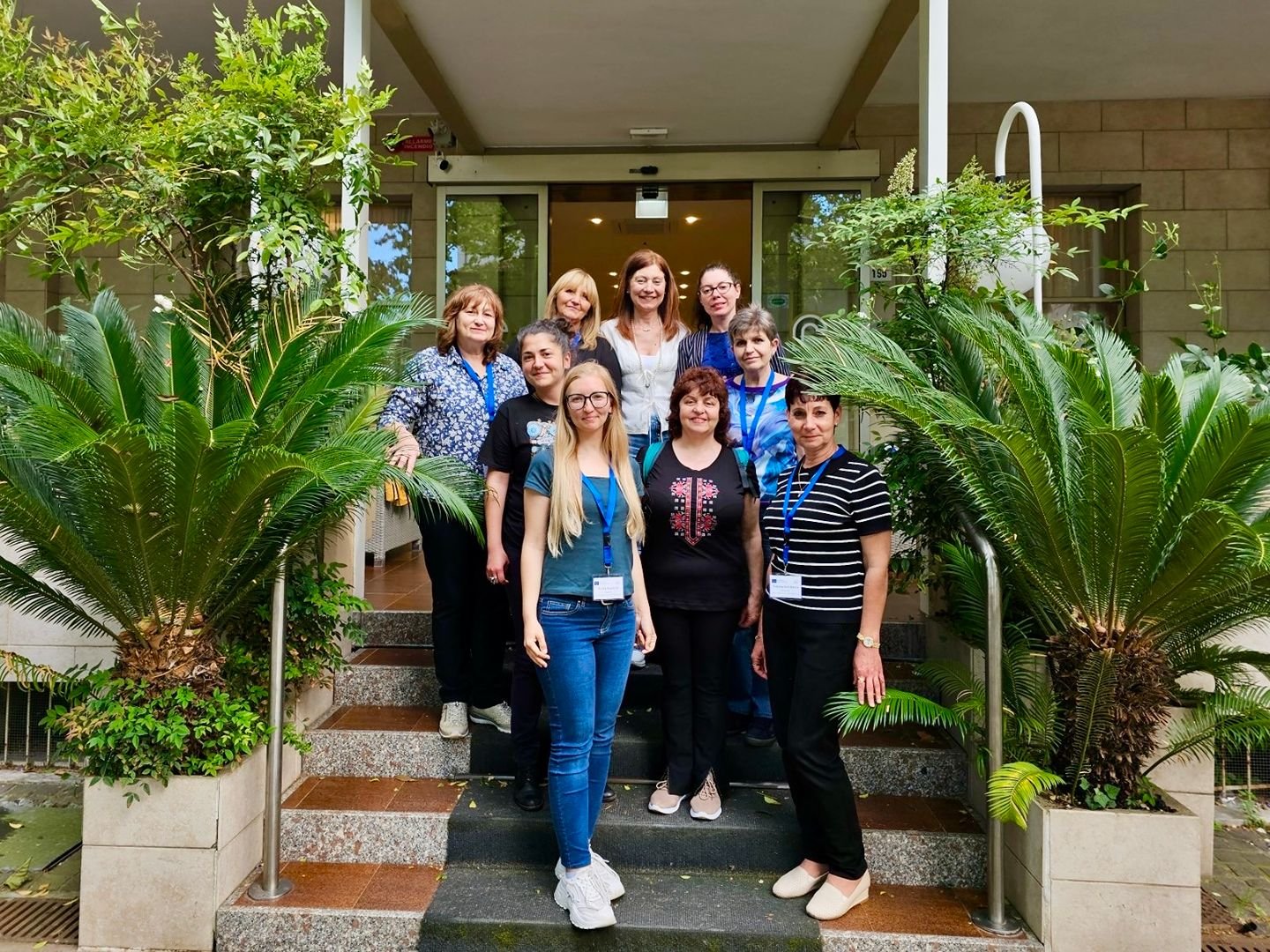
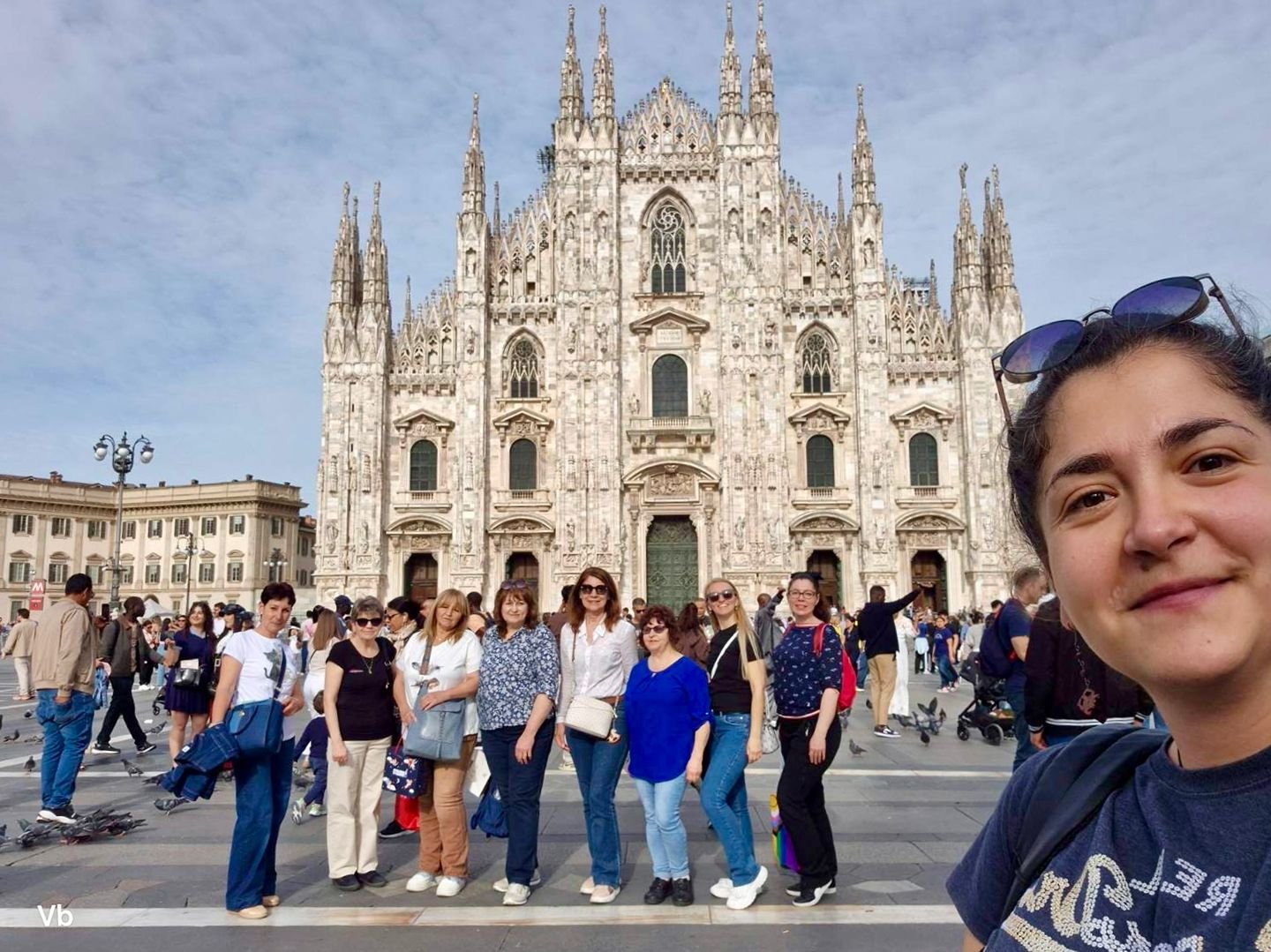
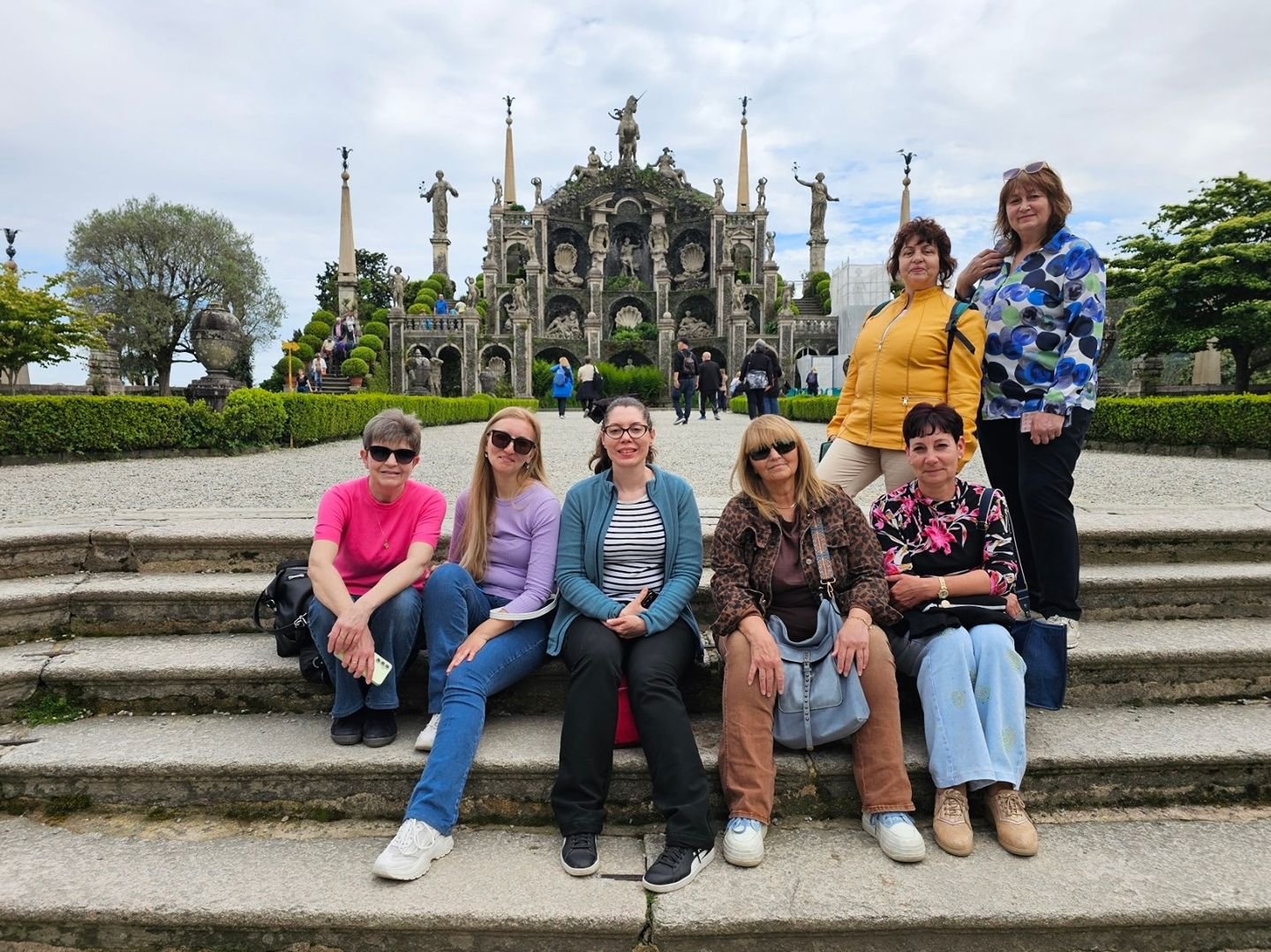
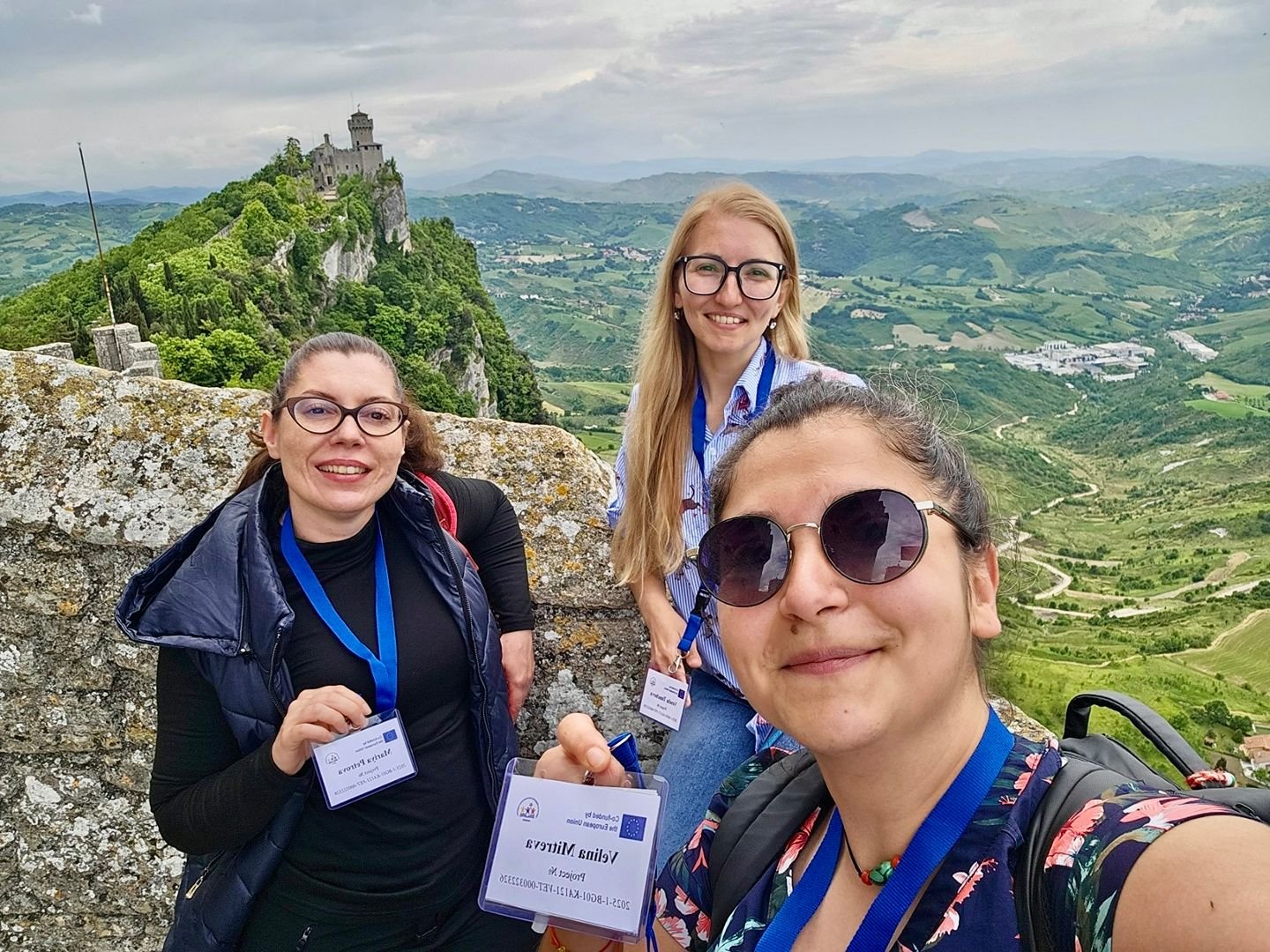
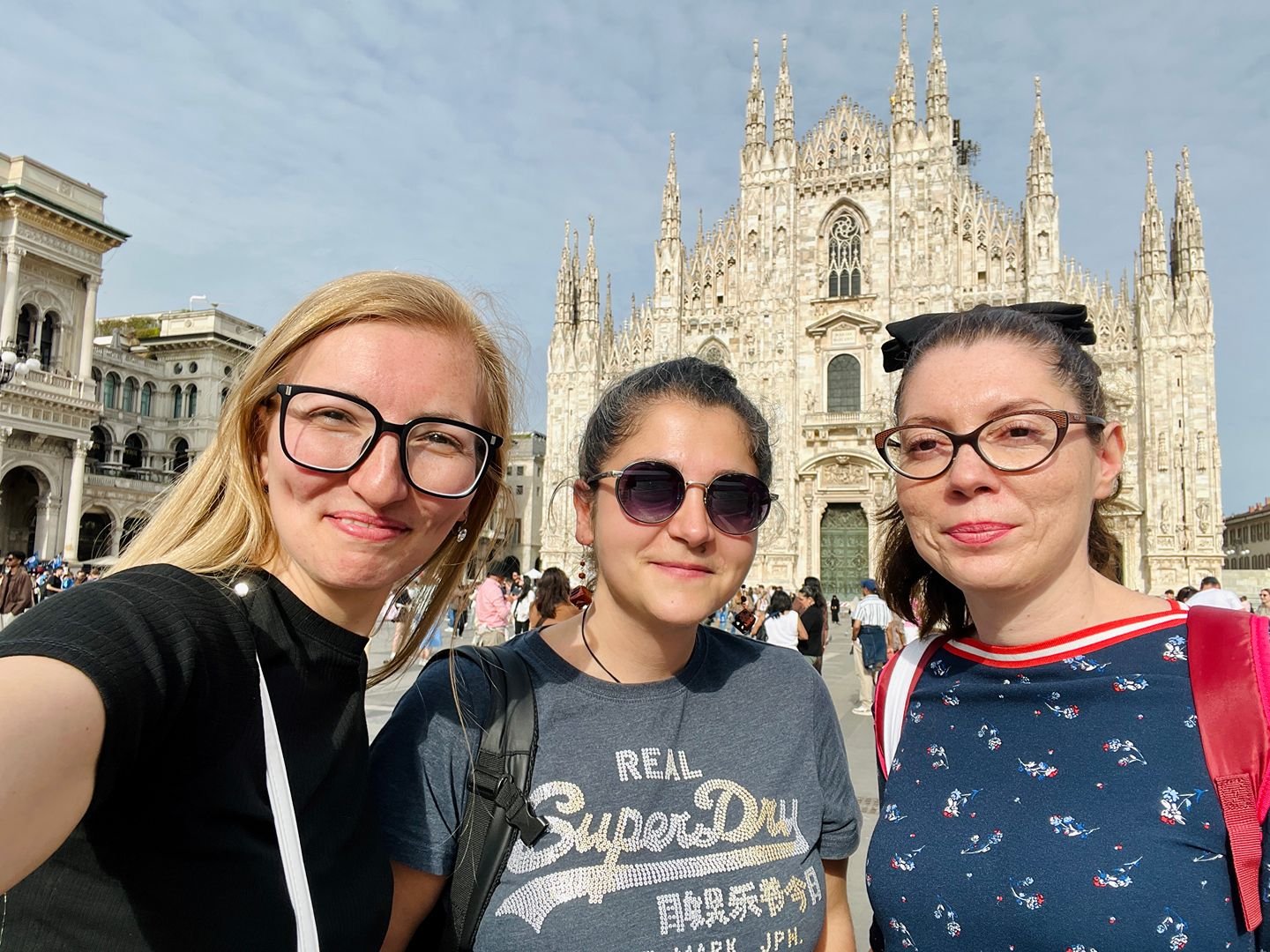
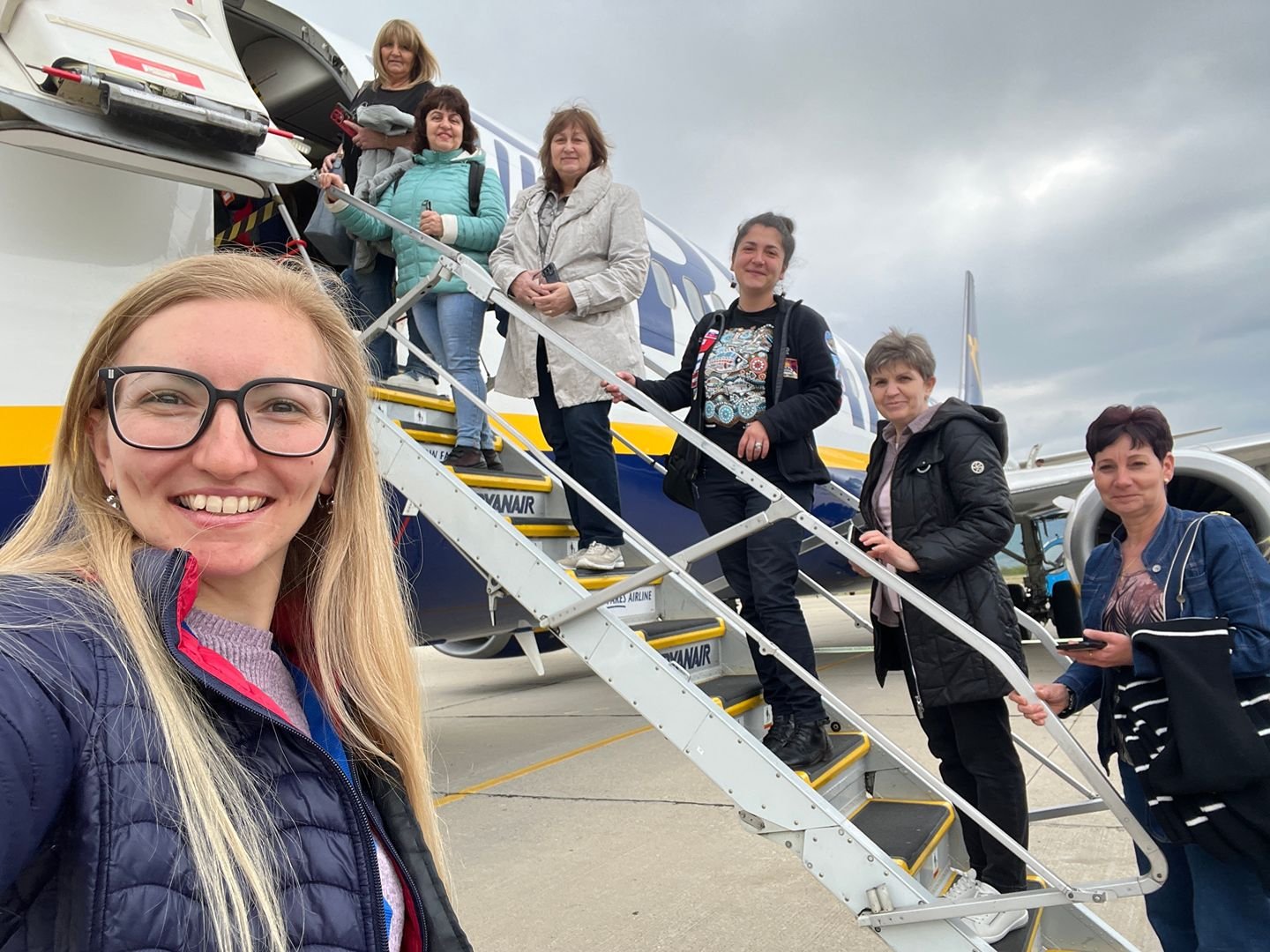
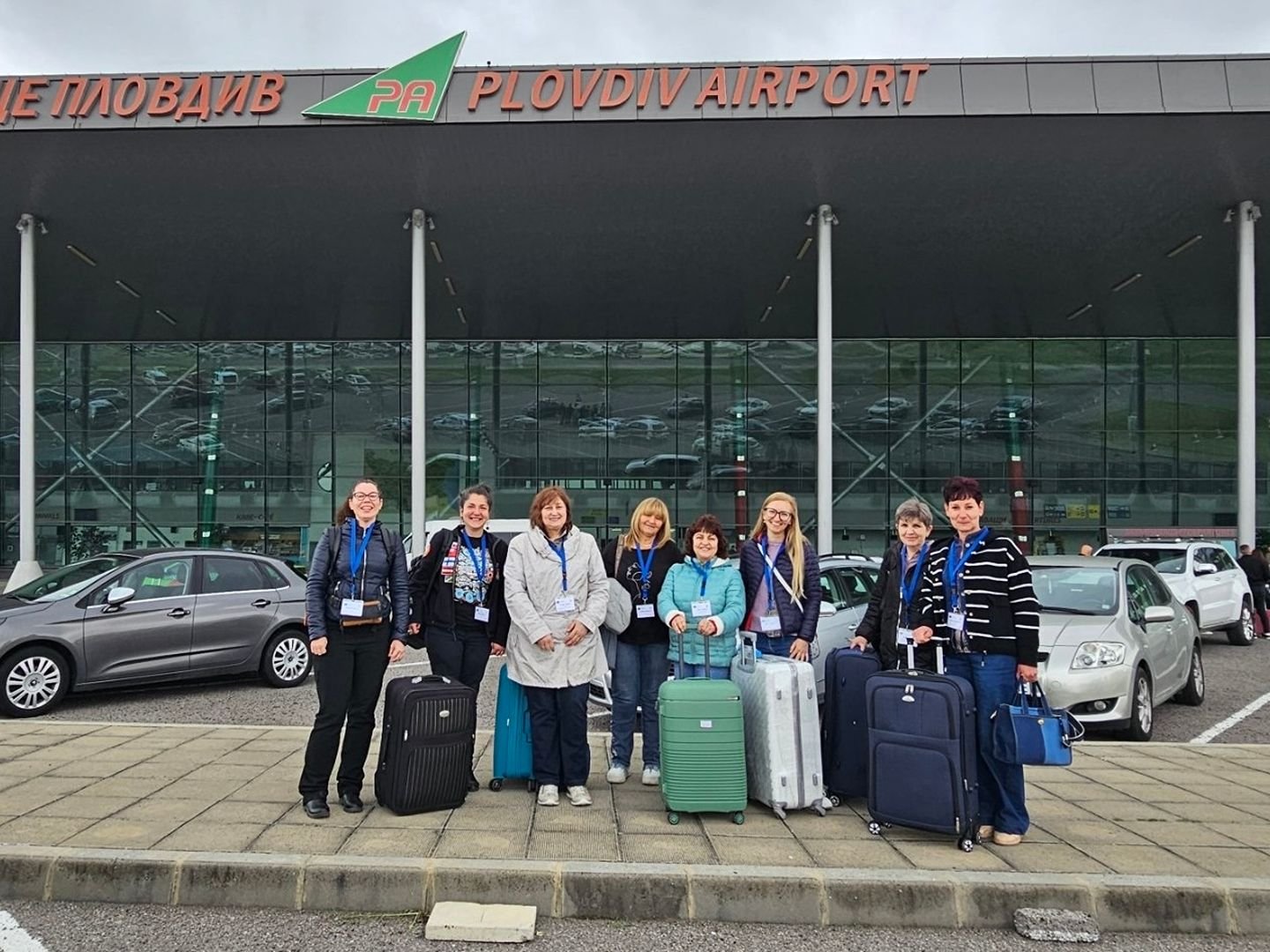
My third participation in the Erasmus+ project took place in the period 2-12.05.2026 in Italy, with mobility divided into two locations - 5 nights in the Lago de Maggiore area and then 5 nights in the located On the Adreatic Sea - the city of Rimini. Both the previous two times and now our time has been distributed evenly between workshops/observations in various institutions and cultural tours with sightseeing in the cities of Milan, Rimini, Bologna, San Marino, as well as the island of Isola Bella, located in the middle of the lake Lago de Maggiore in northern Italy.
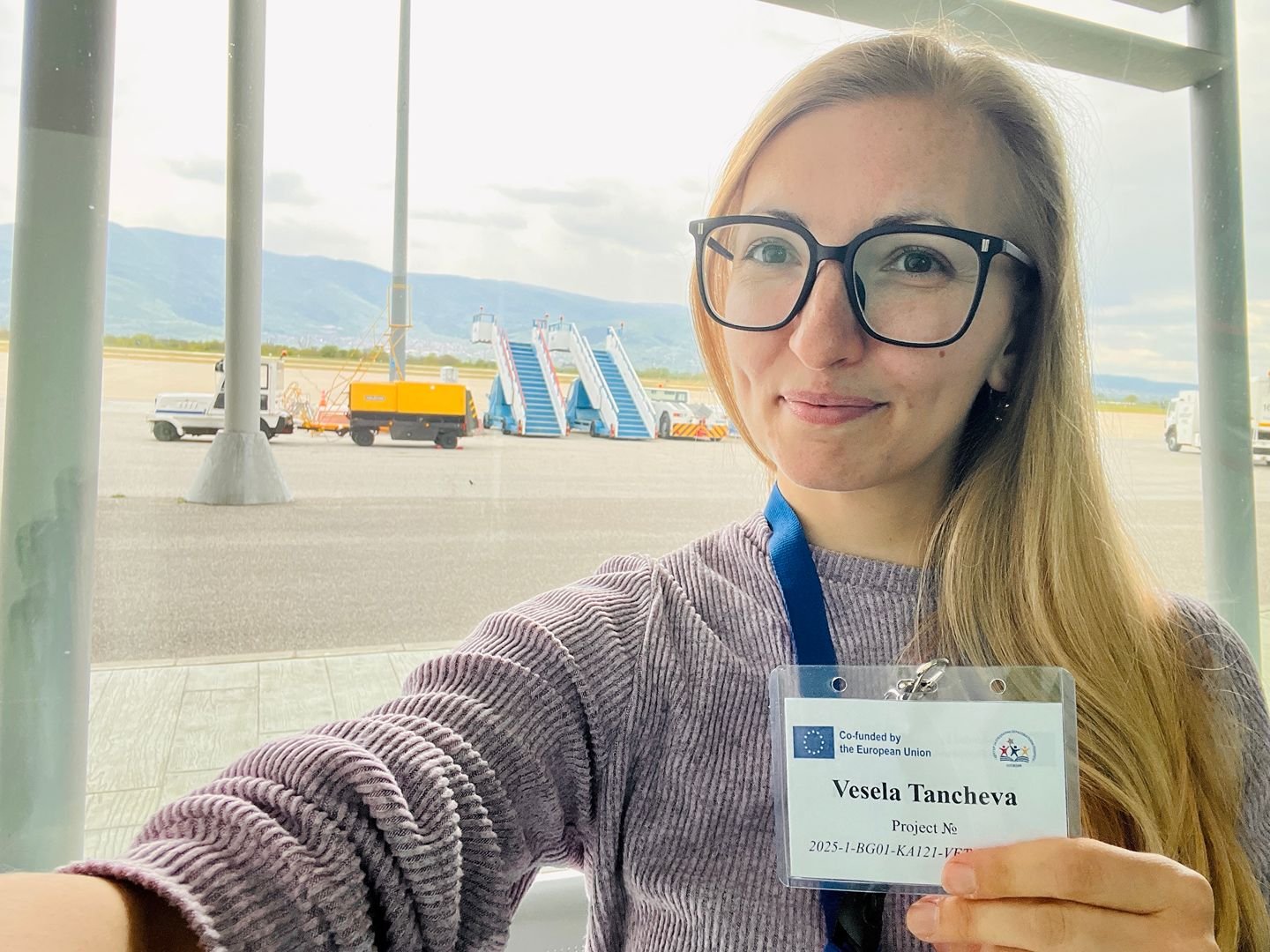
The project was focused on vocational education and training of persons with special educational needs and more specifically in the field of cooking and restaurant business, as well as in the field of horticulture, floriculture and landscaping. The partner organization in Italy was Associazione luce, which took care of our accommodation, food, cultural and business events.
Travelogue for the island of Isola Bella, Milan, Rimini, Bologna and San Marino - see here.
The travelogues from the front mobilities see here (May 2025) and here (October 2025)
In the previous travelogue, I described the sights we visited according to the cultural program of the project. Here it is time to describe the work meetings and visits that we realized during the mobility.
1. Working visit to the Bulgarian Sunday School "Peyo Yavorov" In Milan
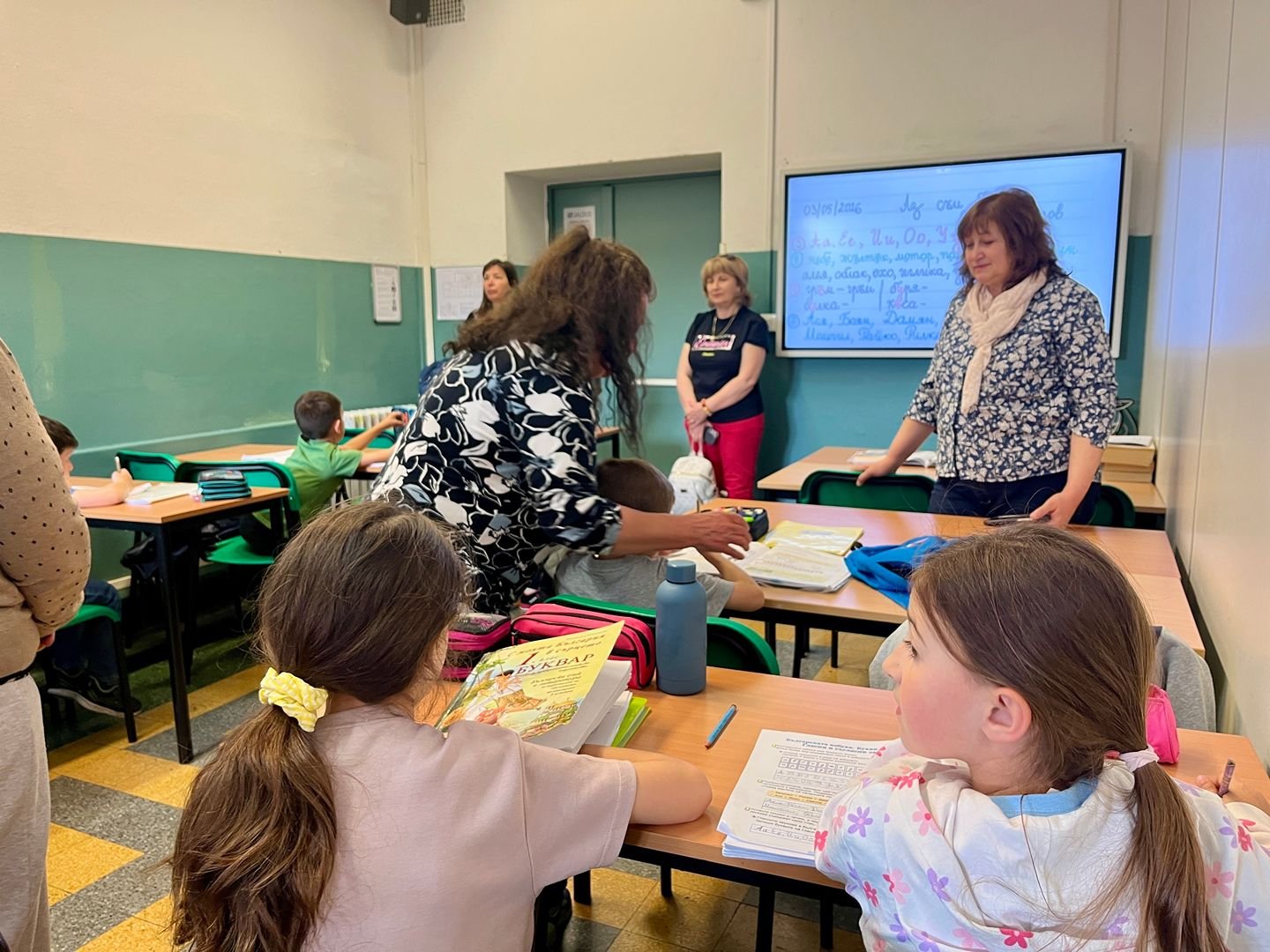
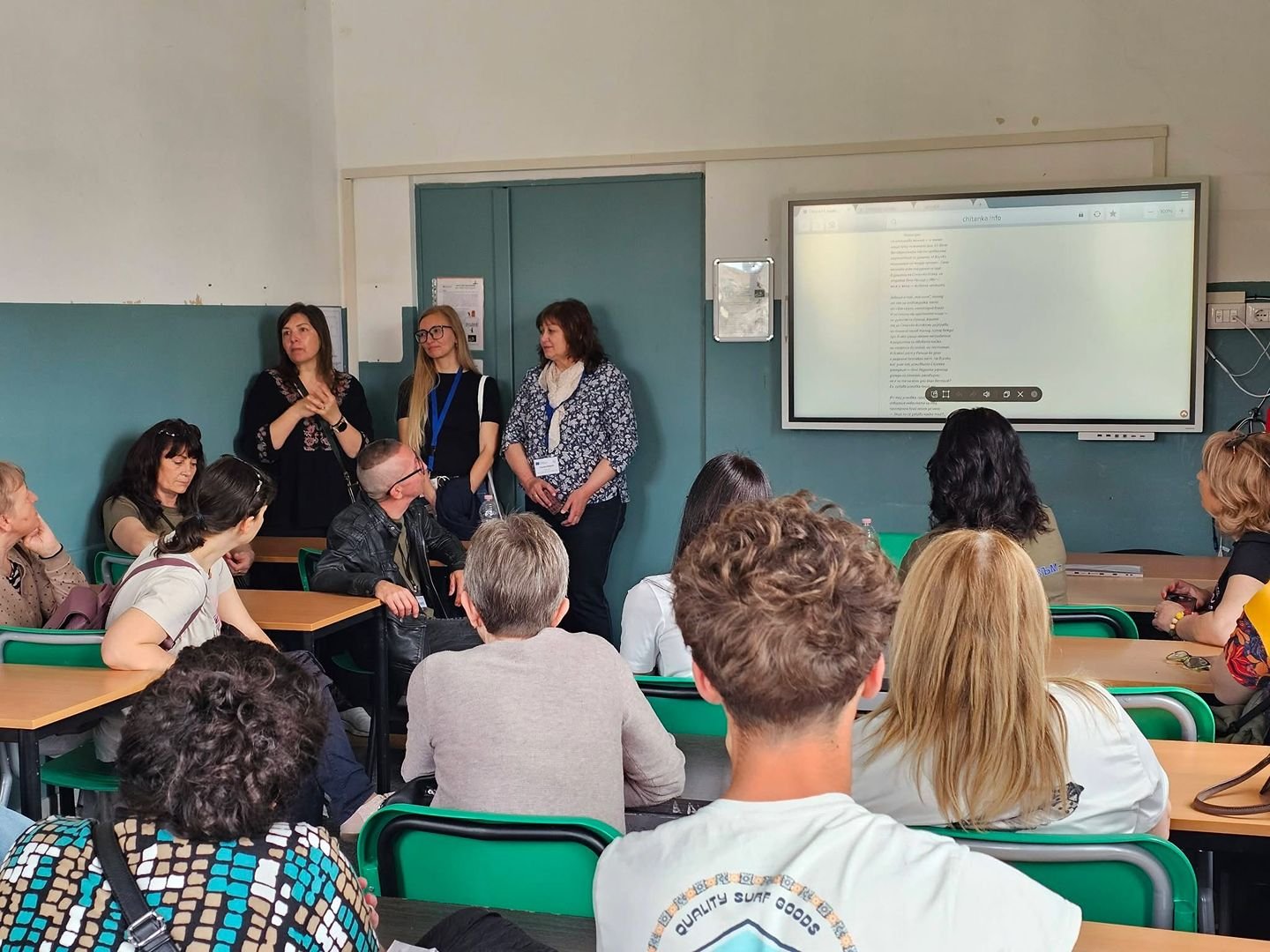
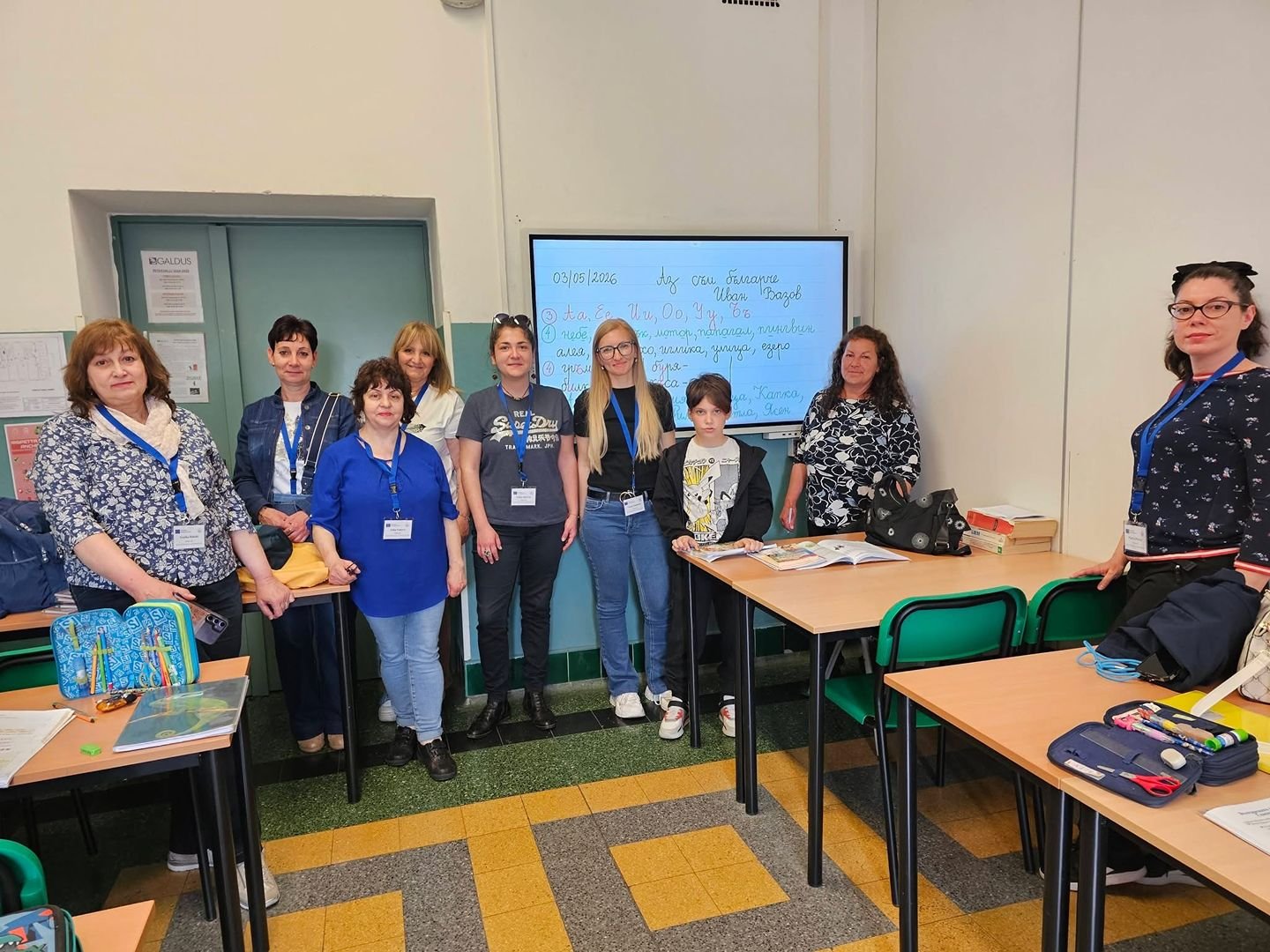
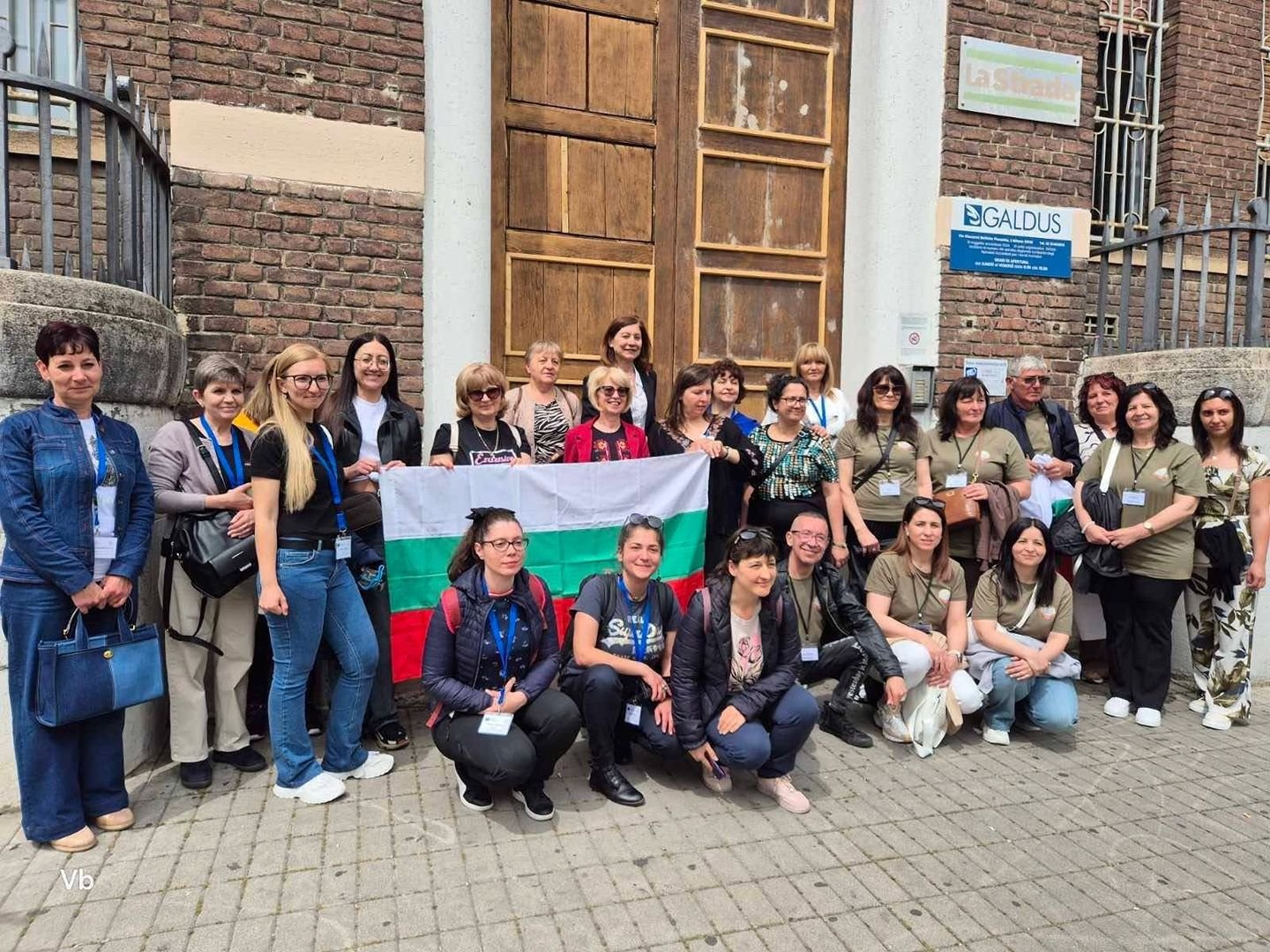
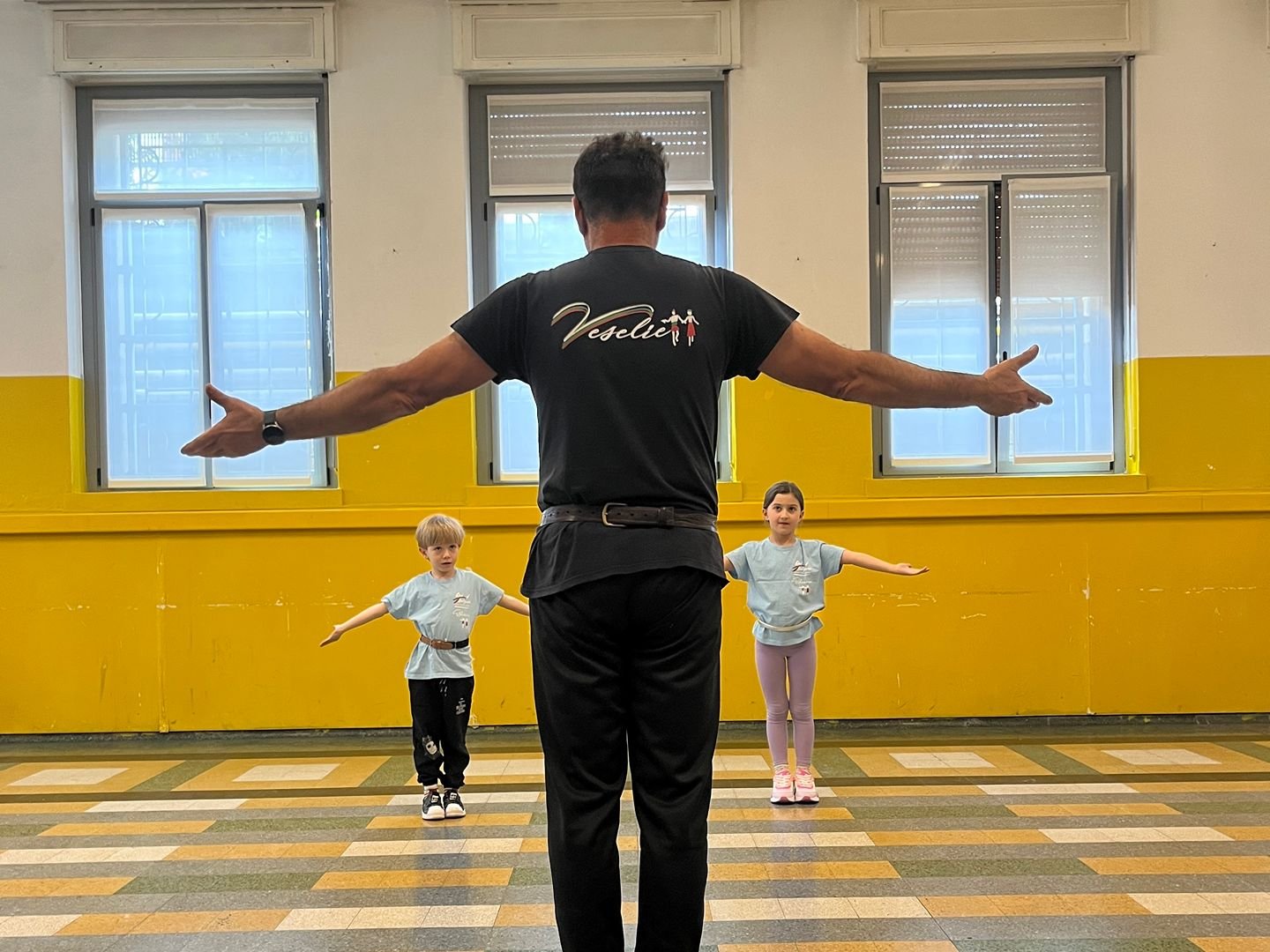
The first place we visited was Bulgarian Sunday School "Peyo Yavorov" - the largest Bulgarian Sunday school in Italy with the largest concentration of students in one location - 150 students and 18 teachers, distributed in a day company of training, distance and mixed. Children often visit Bulgaria, as some of them are from mixed marriages, and for them the Bulgarian language is not a mother tongue, but learns it as a second. The school is licensed and the class completed there is also recognized in Bulgaria. It is housed in the building of a vocational high school.
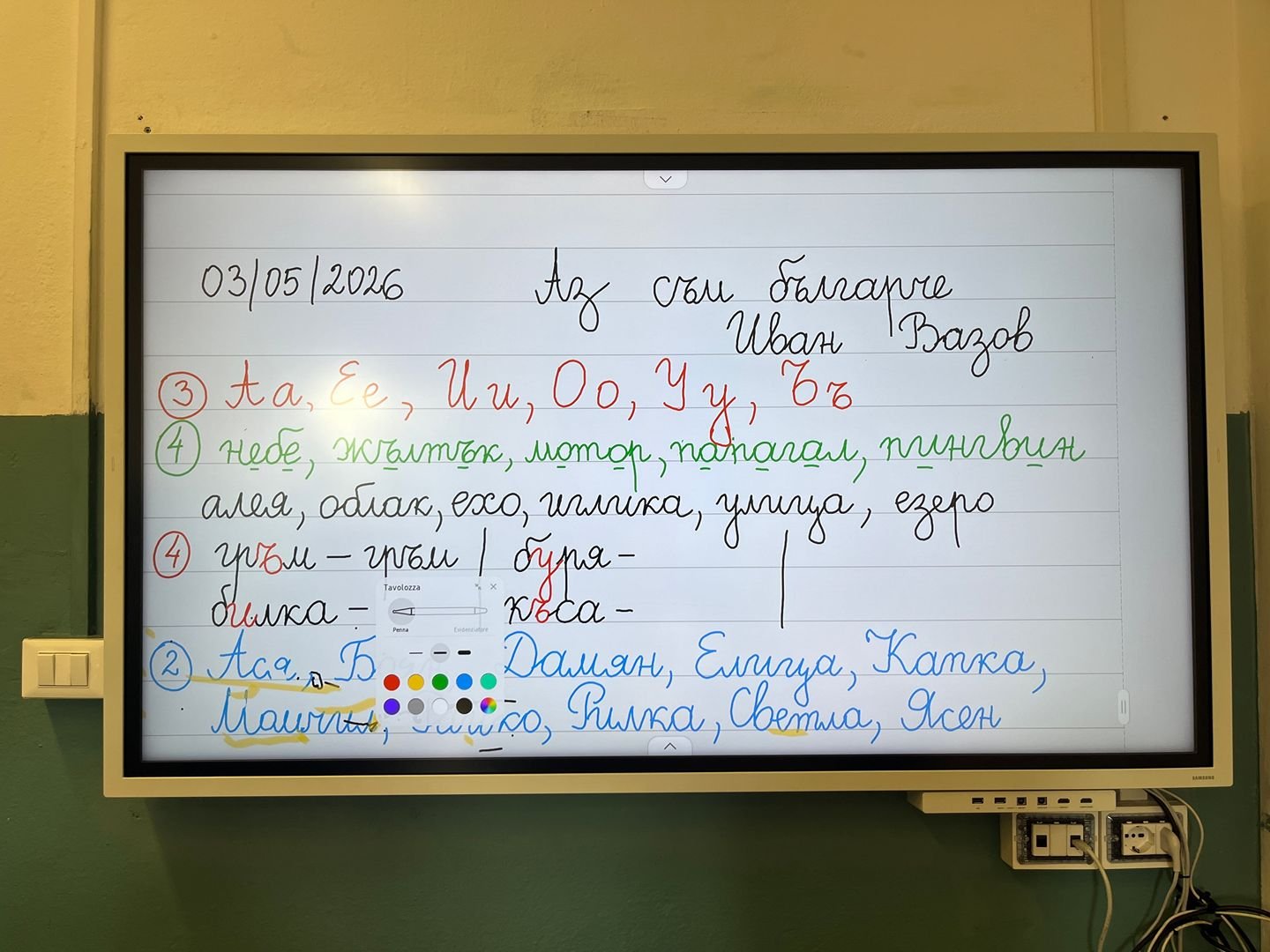
On Sunday, children learn to read and write in Bulgarian and study the holidays according to the Bulgarian folklore calendar. This activity takes place from 10:00 a.m. to 12:40 p.m., after which they also have extracurricular activities - folk dances, painting, fun history and geography. During our visit, we had the opportunity to observe real lessons in Bulgarian language and folk dances. The atmosphere was filled with emotion and energy on the part of both teachers and children.
In a conversation with the director Gergana Hristeva, we learned more about the history of the school, about the organization of the educational process and about the challenges they encounter. An interesting fact that she shared was that in the Italian school in the first graders, they first learn to write the letters printed and only in the second grade - handwritten. They use both the same BEL textbooks that students in Bulgaria use as well as adapted textbooks for learning Bulgarian as a foreign language. And more - only 10% of Bulgarians in Italy are covered by similar Sunday or regular Bulgarian schools.
–> Browse and book a budget hotel in Milan with a discount. See here!
2. Arona City Hall Workshop Meeting
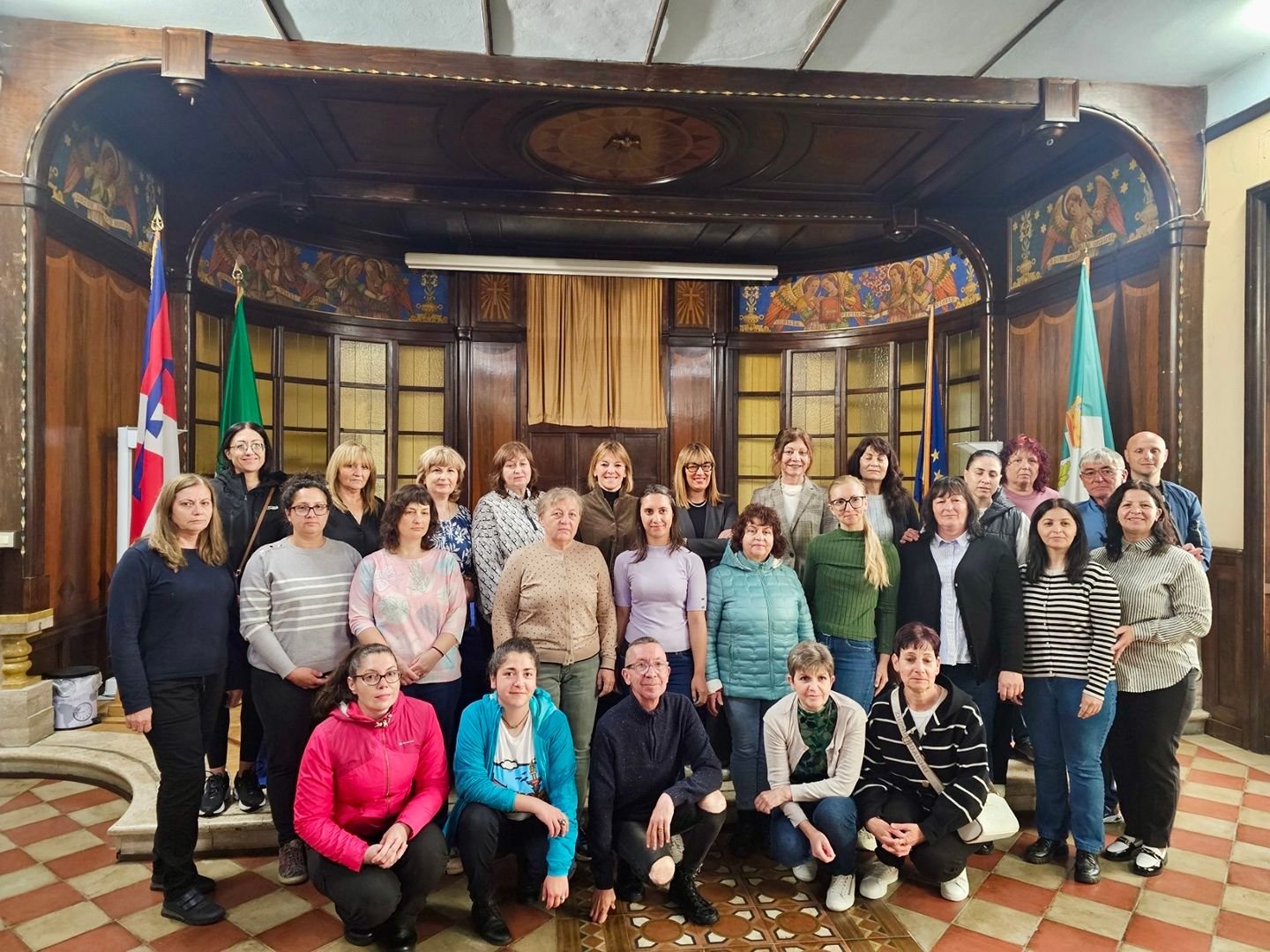
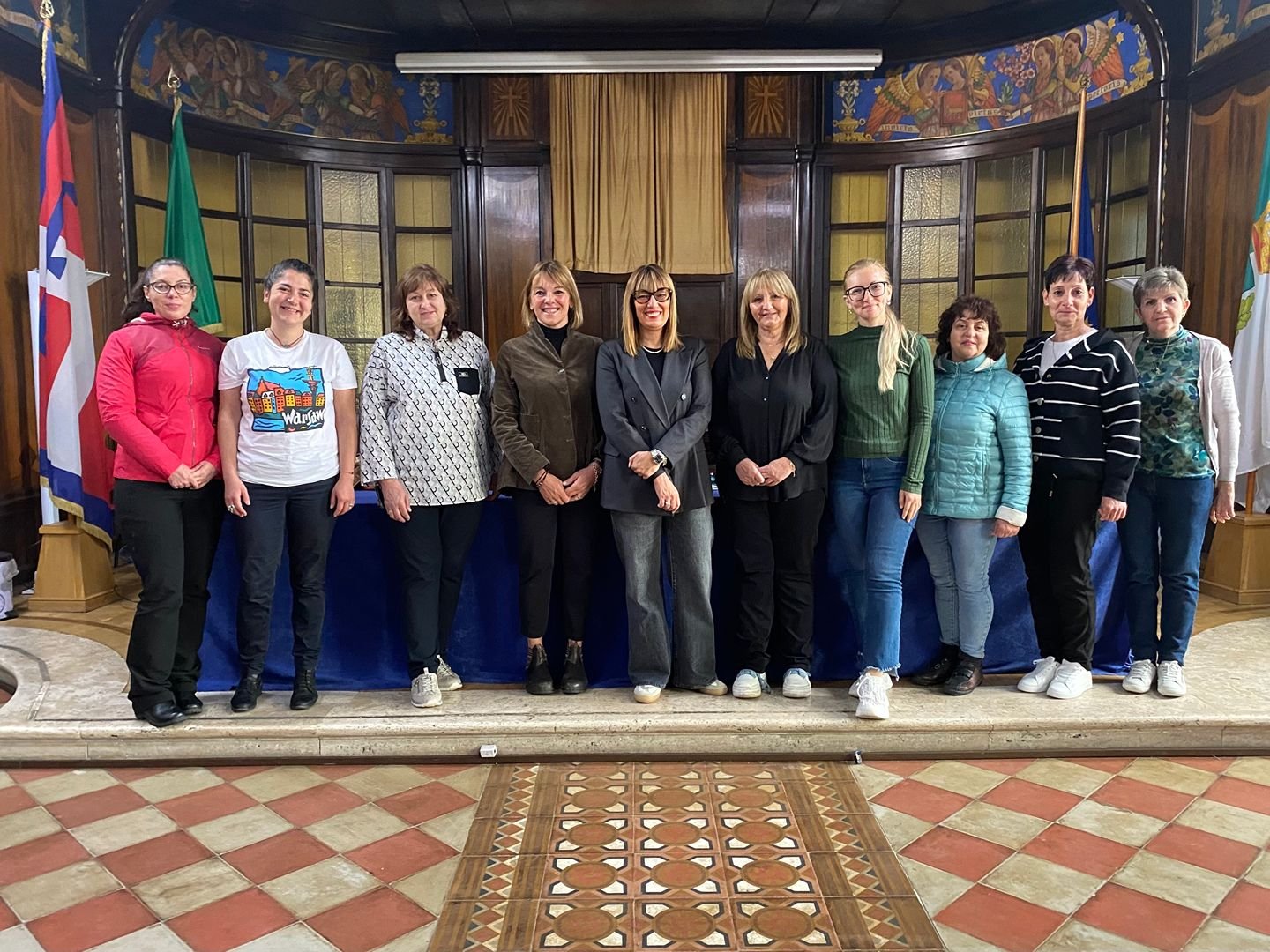
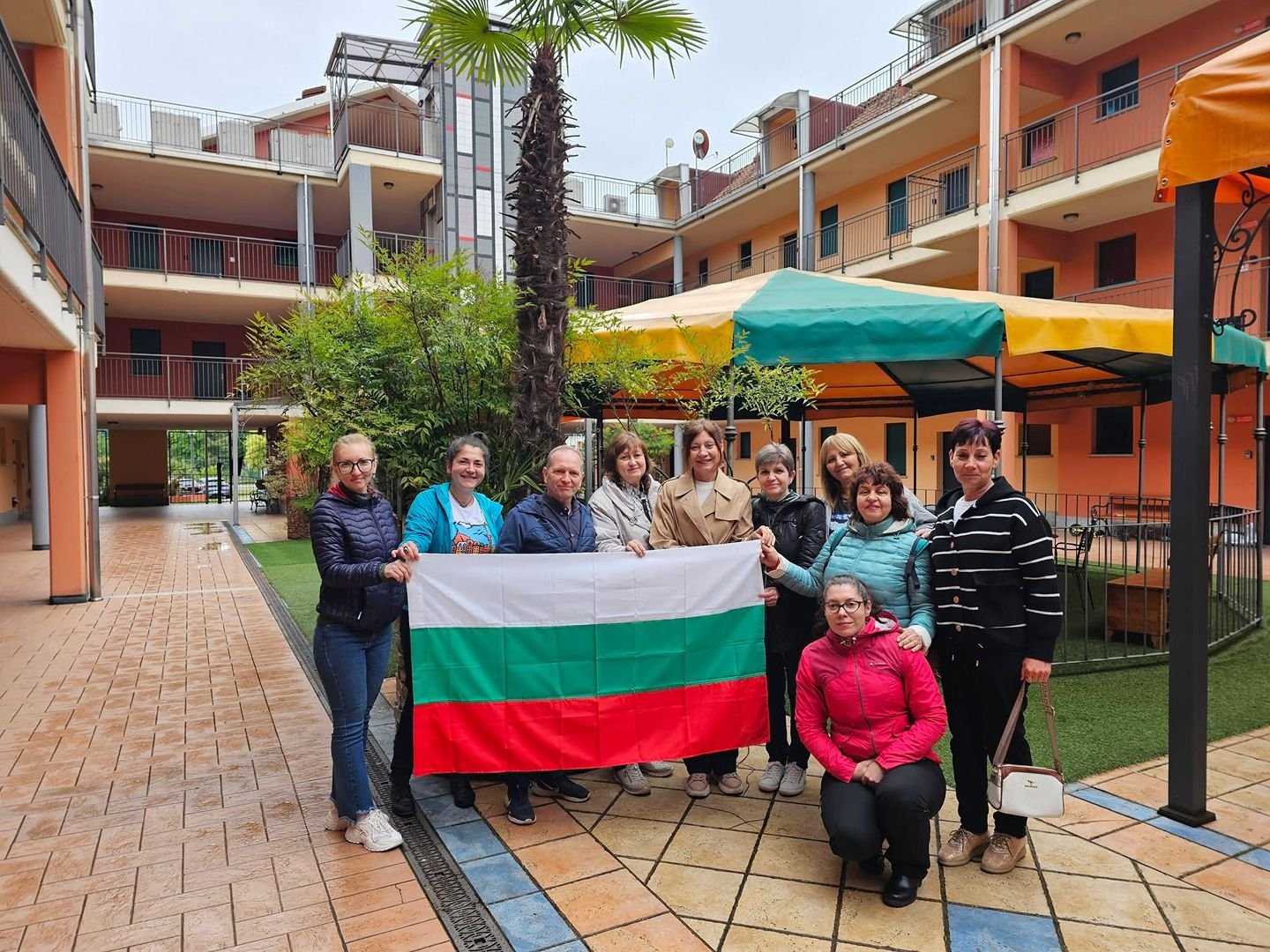
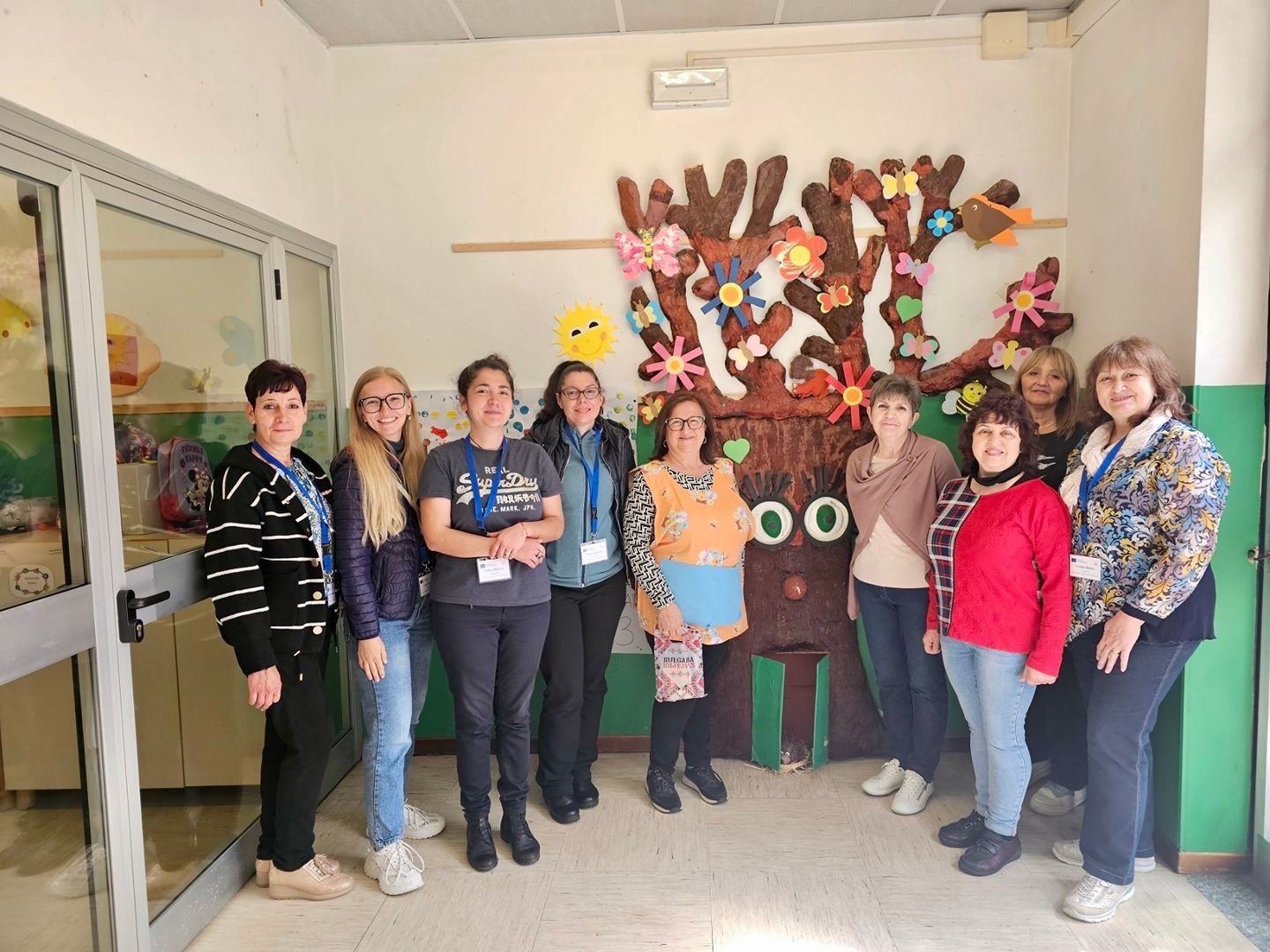
In addition to our "Delegation of Bulgarian Citizens and Teachers", the meeting was attended by the deputy mayor of Arona, Mrs. Monica D'Alessandro, and the deputy director of the school complex in the city, Mrs. Betty. One of the most important things to work in inclusive education that they shared was the approach that works not only with the child with SEN individually, but with the whole class in the general education school - cooperation is encouraged, social skills are developed and a natural environment of acceptance and support is built. More advanced students help those with difficulty in small groups.
Here are more facts that they presented to us from their work in inclusive education:
The teachers' standard is 22 hours/week. Children with lighter special needs receive 11 hours/week DPLR, and those with heavier special needs 22 hours/week. If they need more hours of support, the schools declare in the municipality their need for a teacher's assistant. Teachers use adapted textbooks as well as conceptual schemes on the learning material. The assistant, resource teacher and general education teacher of the class work together. Therapies (art, music therapy, etc.) do not happen in the schools themselves, but in medical facilities where many of these therapies are free for students. After the age of 16, children are allowed to attend day care centers for therapies.
Something interesting: in the school in Arona, out of 20 students in class, only 6 are Italians, i.e. There are many foreigners and immigrants.
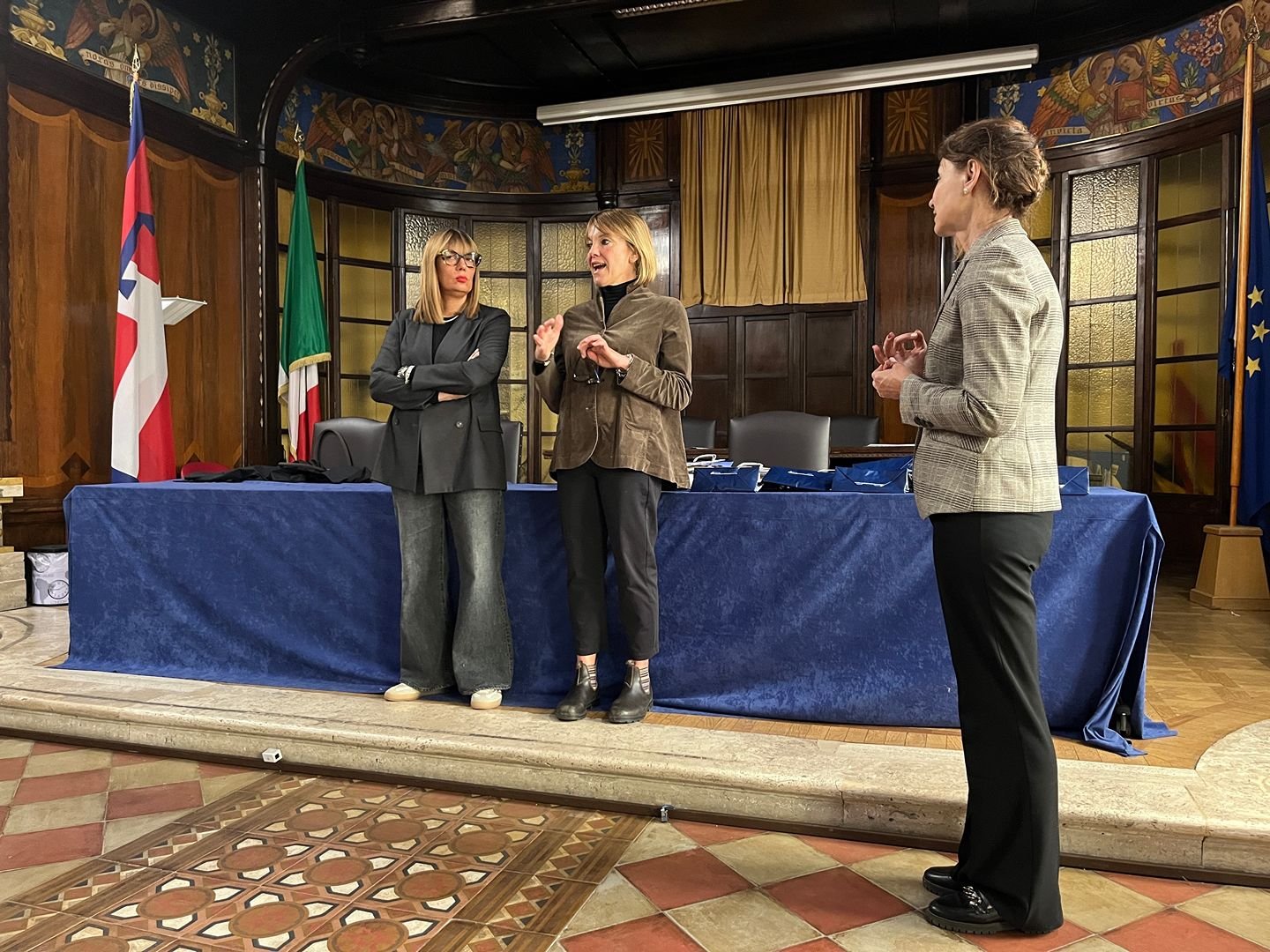
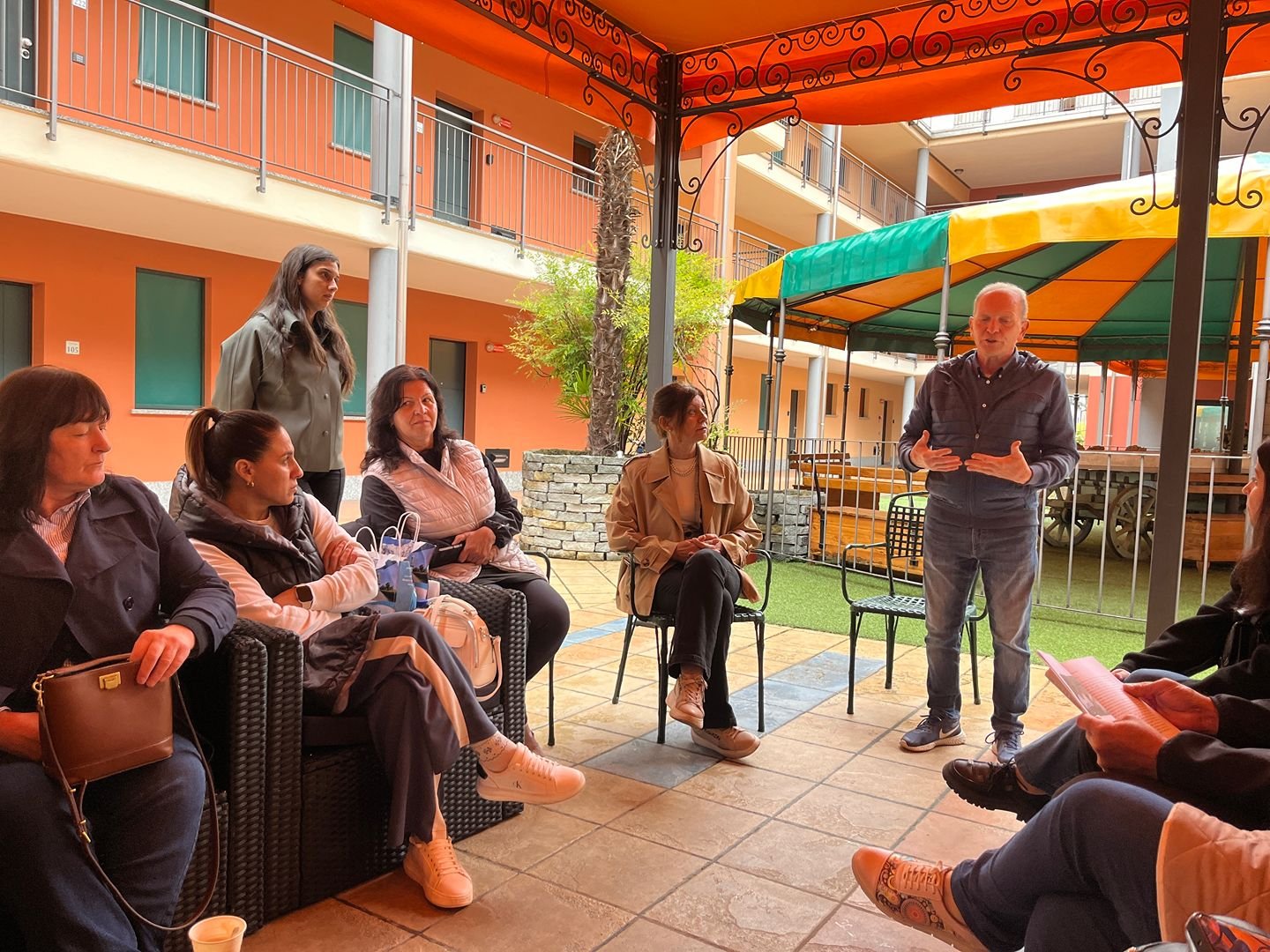
3. Meeting-Talk with Giorgio Pierucci – Judo coach
During the first mobility, I attended his live training with an integrated group of preschoolers. See more here. This time he talked about how and why he started dealing with integrated groups. He shared that his focus is on the development of personal potential, not competition. In his work, it is not the victories and rankings that are leading, but the creation of a supportive and understanding environment. The motto that guides him is: "Children are our future - we must help them in every possible way."
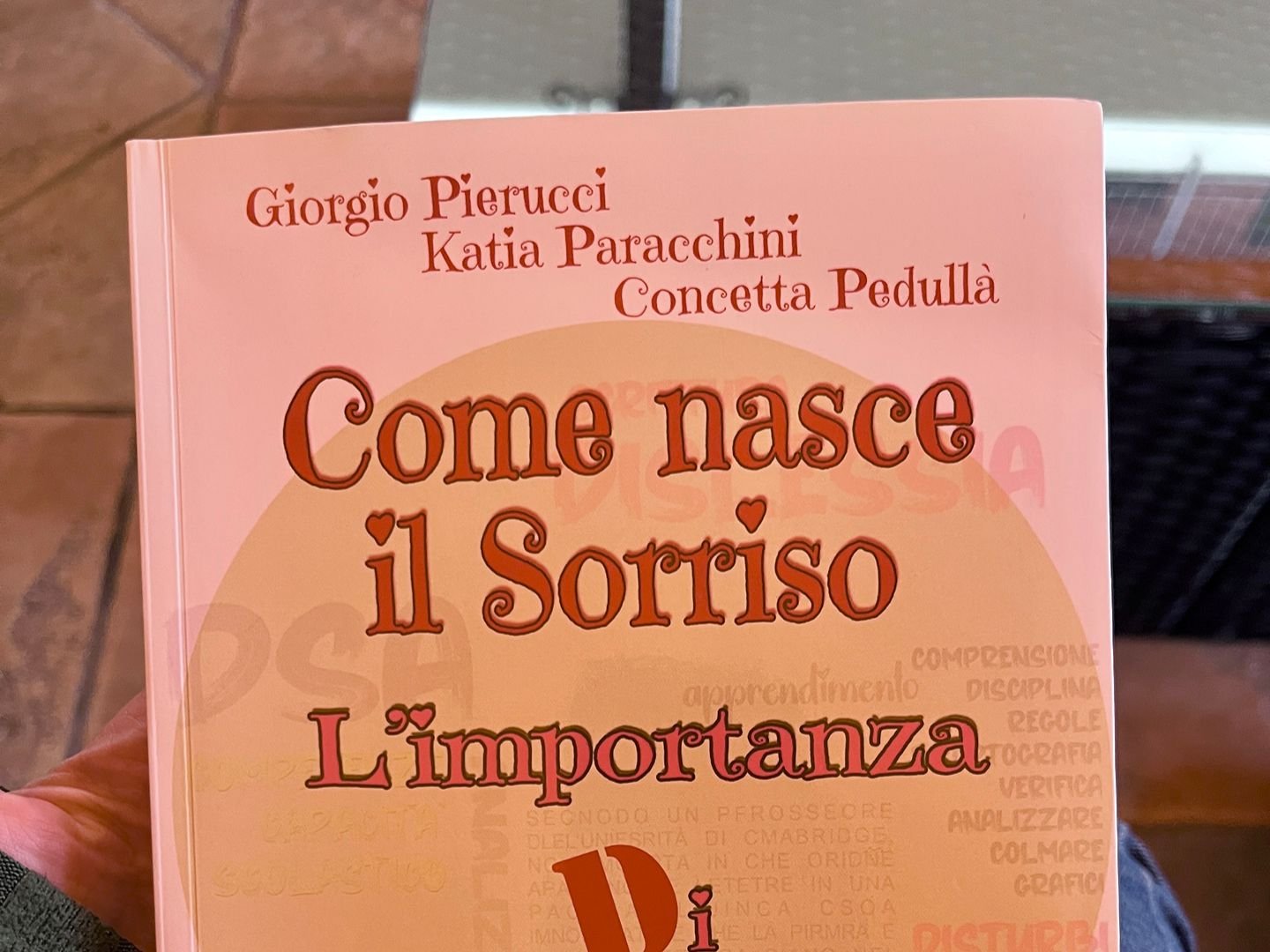
Giorgio Perucci is the author of the book "How is a smile born?" And the answer is, "By empathy."
This meeting has shown us that sport is much more than physical activity – it is a powerful tool for inclusive, support and building confidence in children.
–> View and book a discount hotel in Arona - on the coast of Lago de Maggiore. See here!
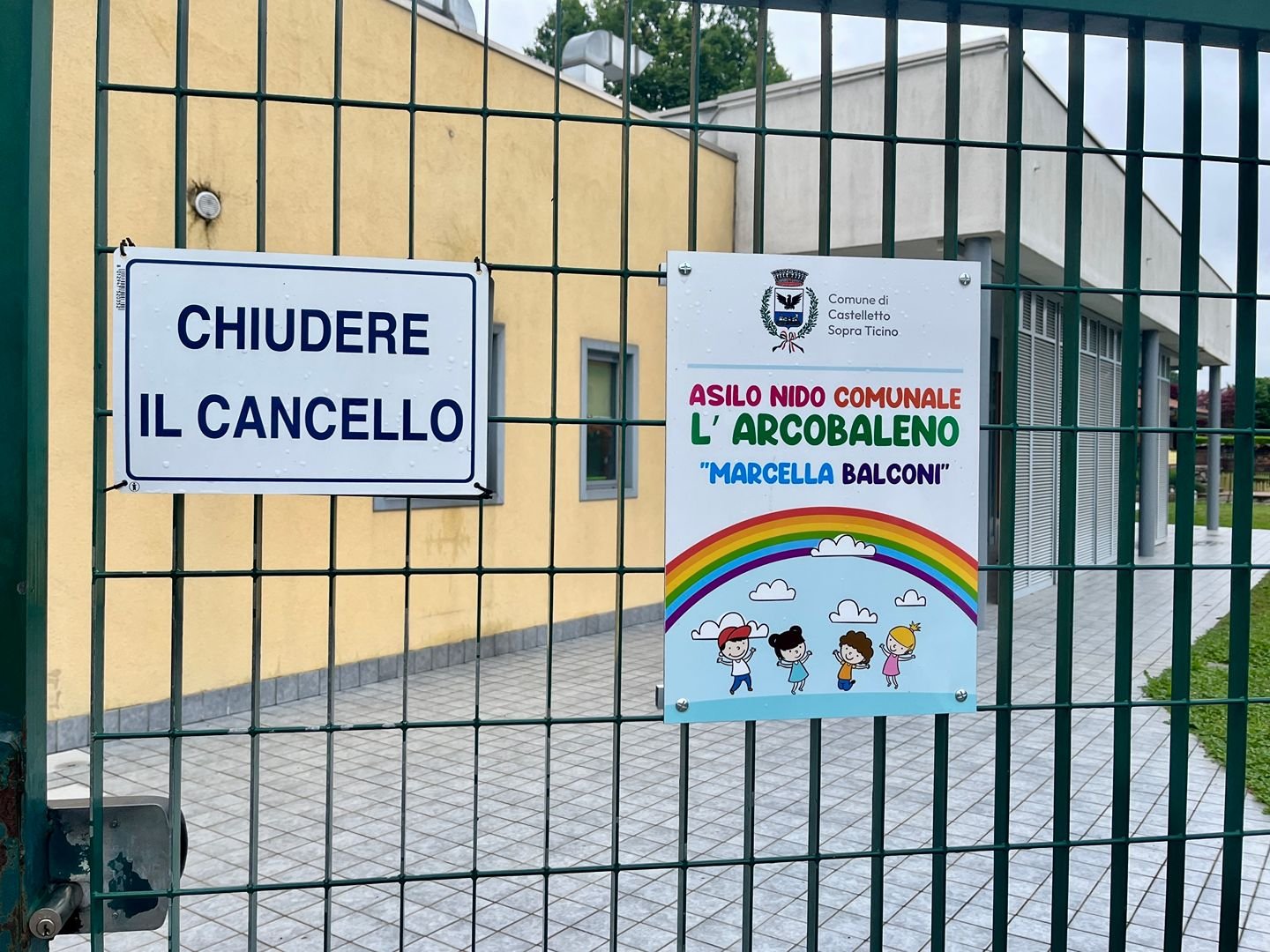
4. Working visit to Dario Sibililia Elementary School and Kindergarten in Castelleto Sopra Ticino, Italy
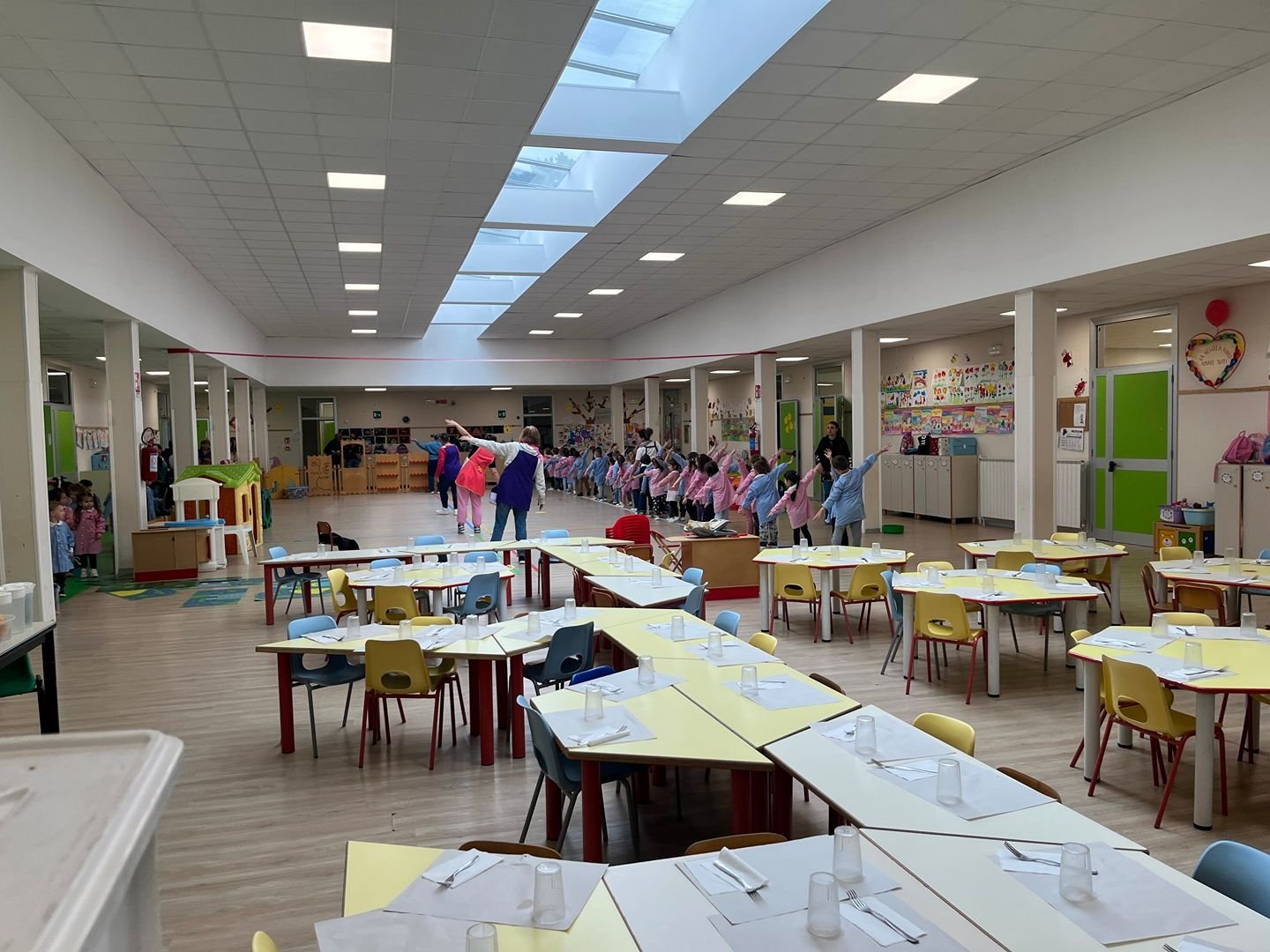
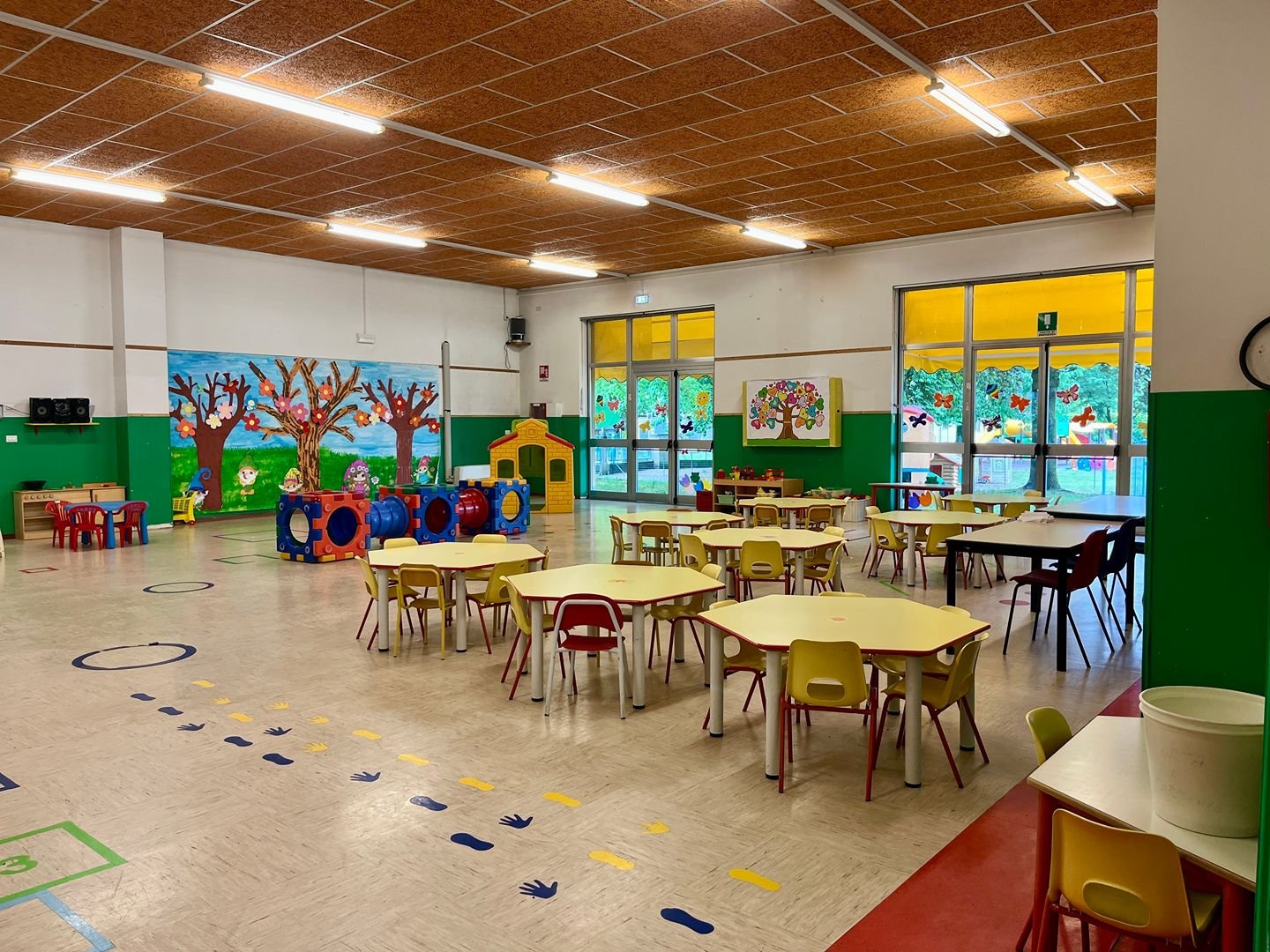
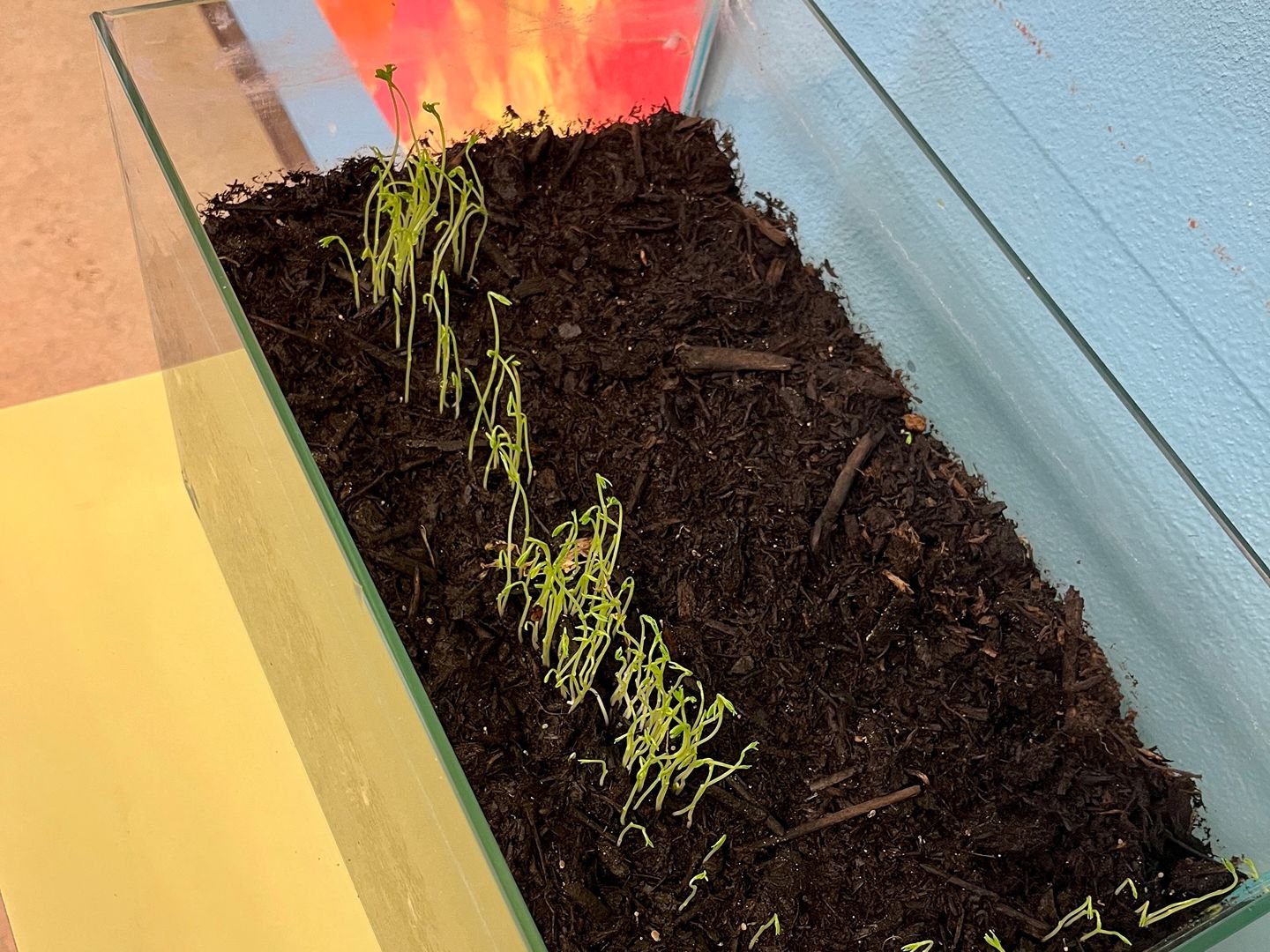
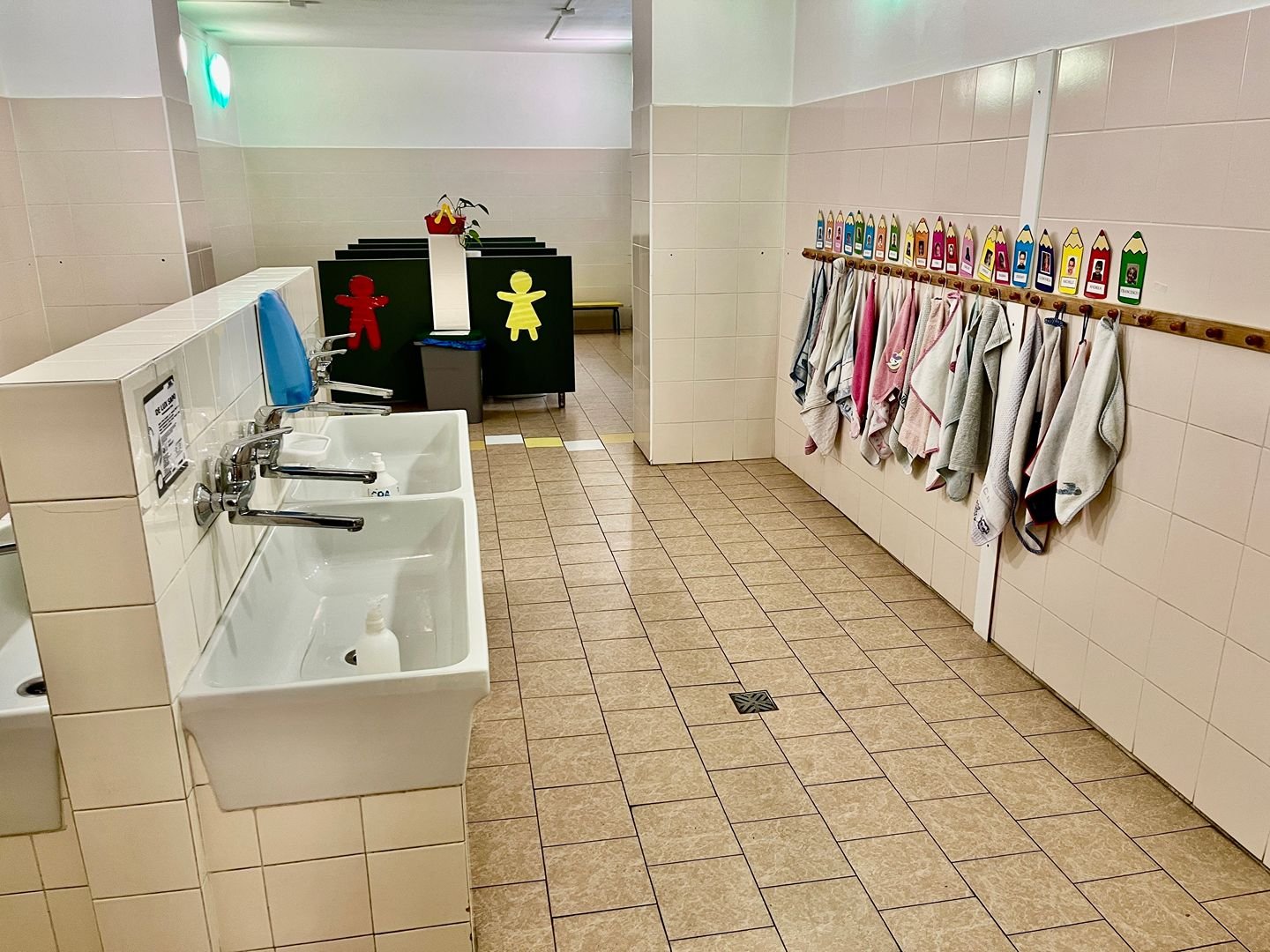
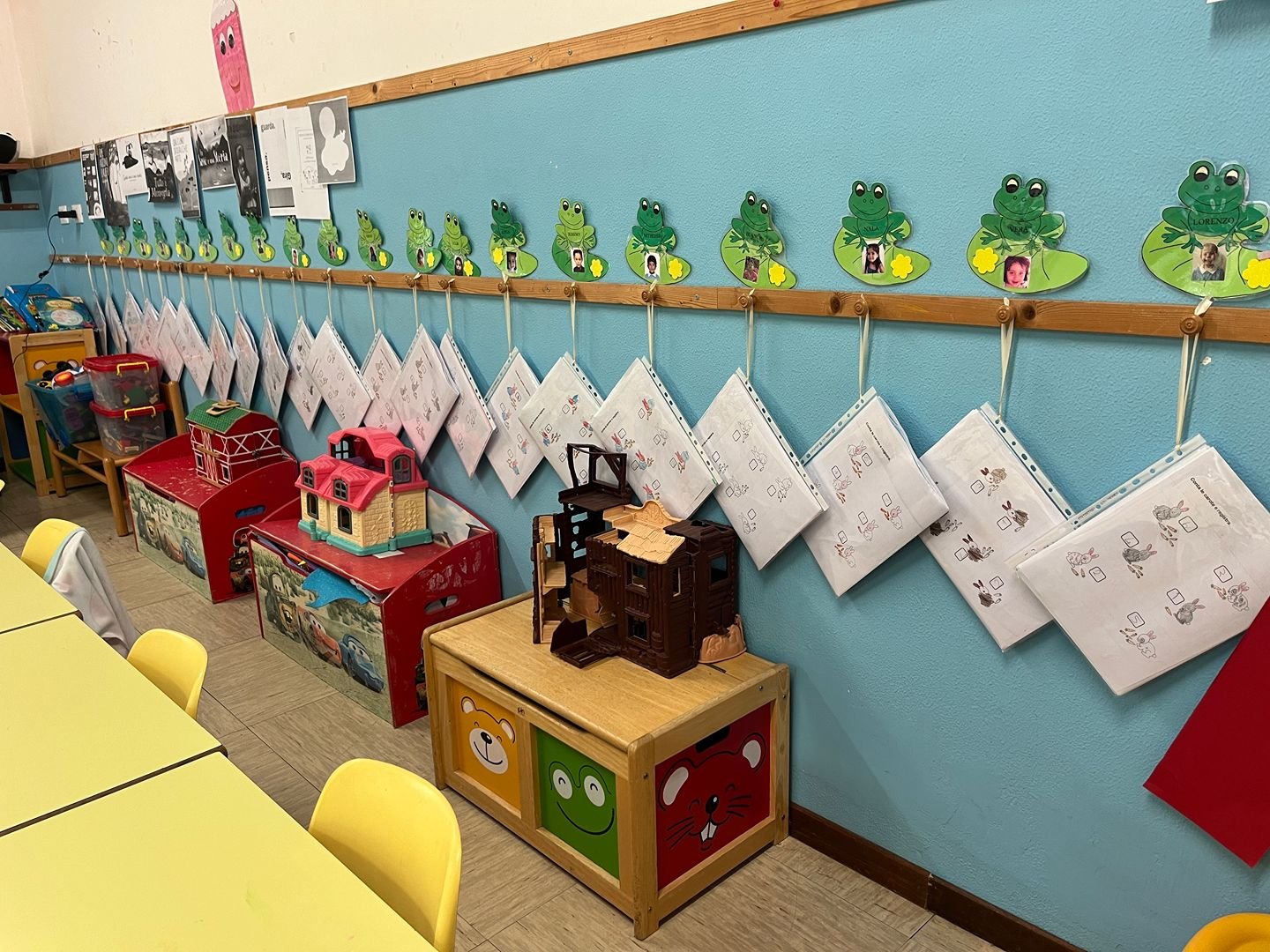
The children there (about 180 in number between 3-5 years) learn together through music that connects them without words, through common initiatives in which everyone has their place, and through the care of the vegetable garden, where every little effort bears fruit.
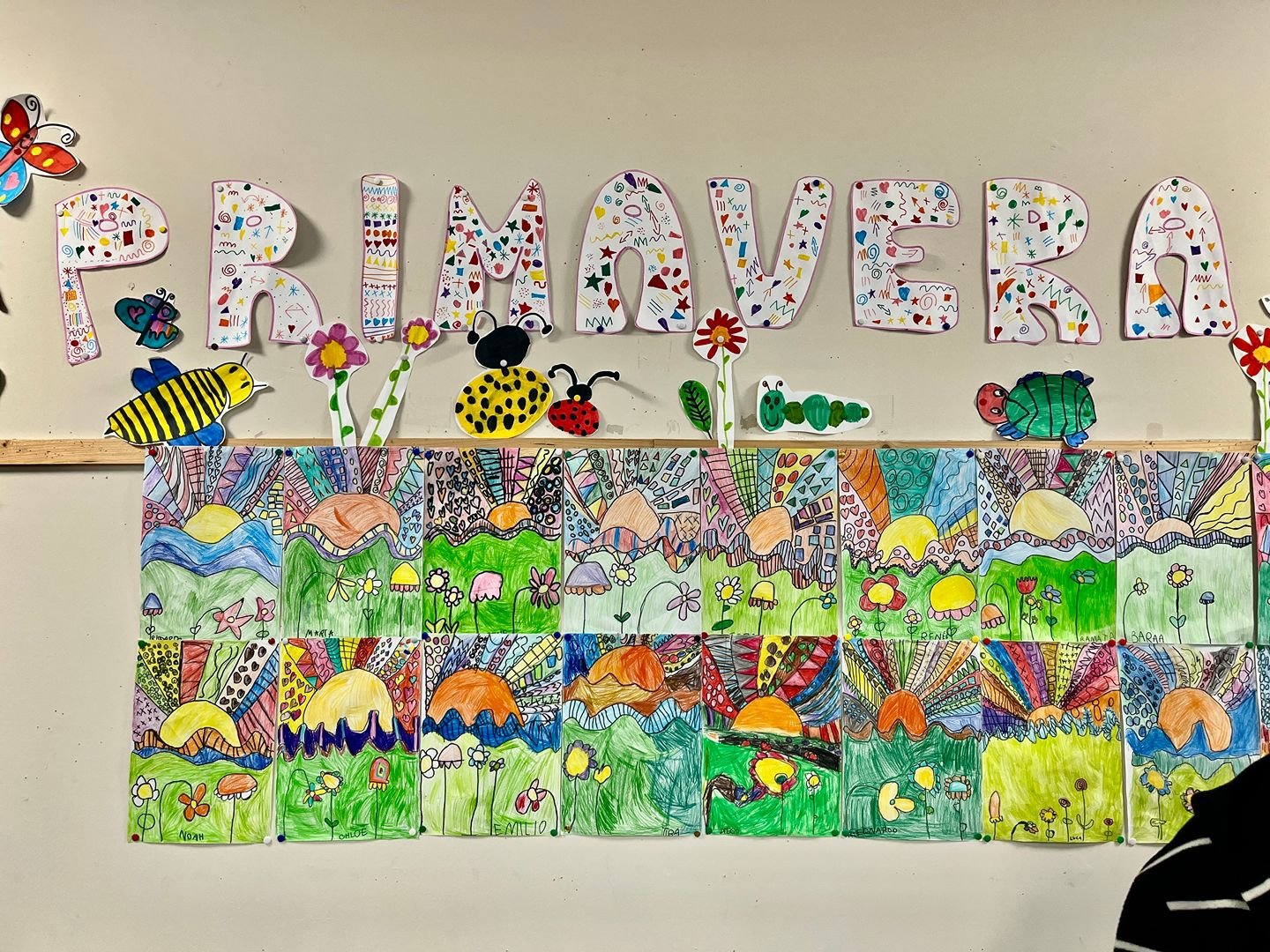
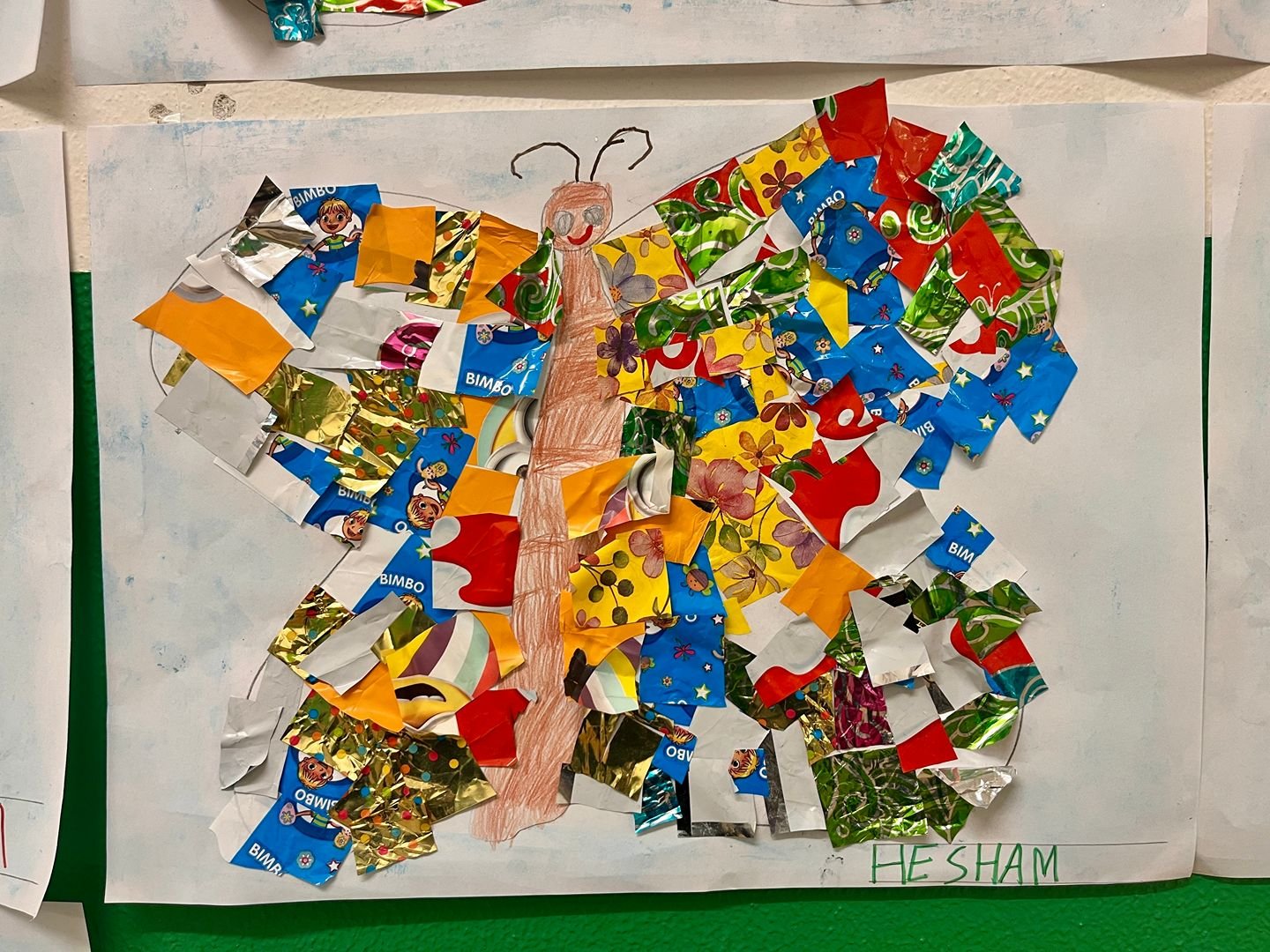
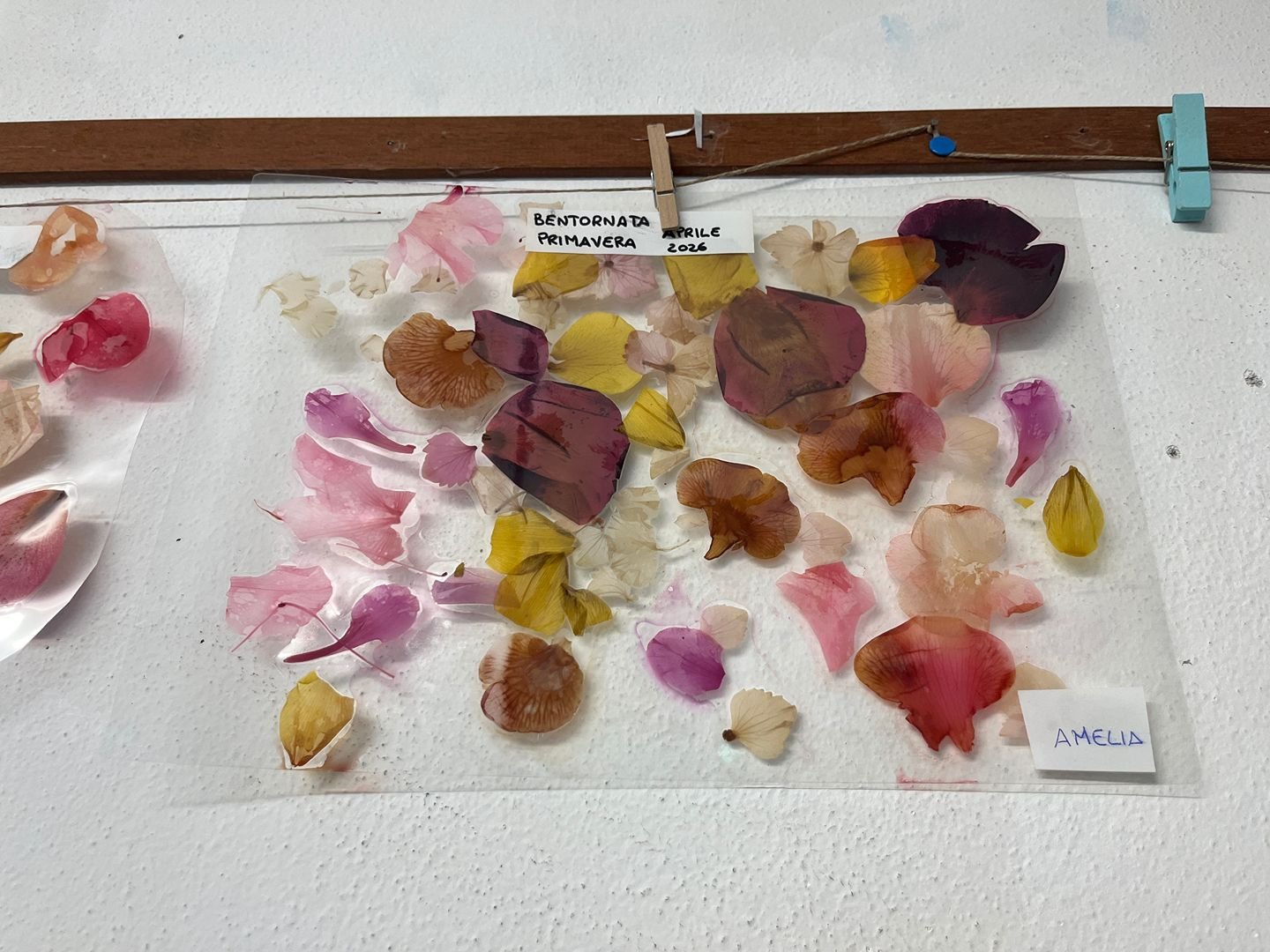
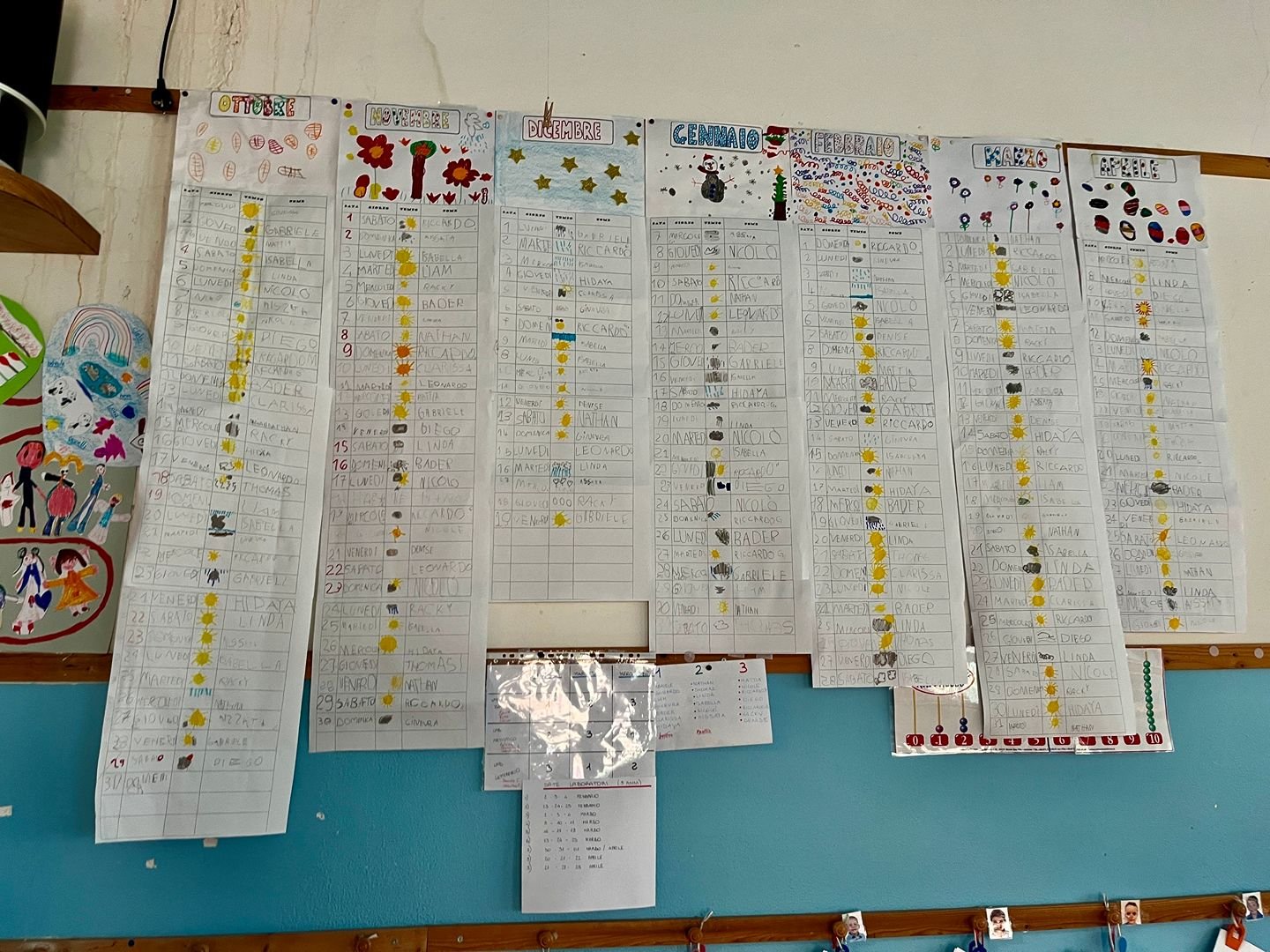
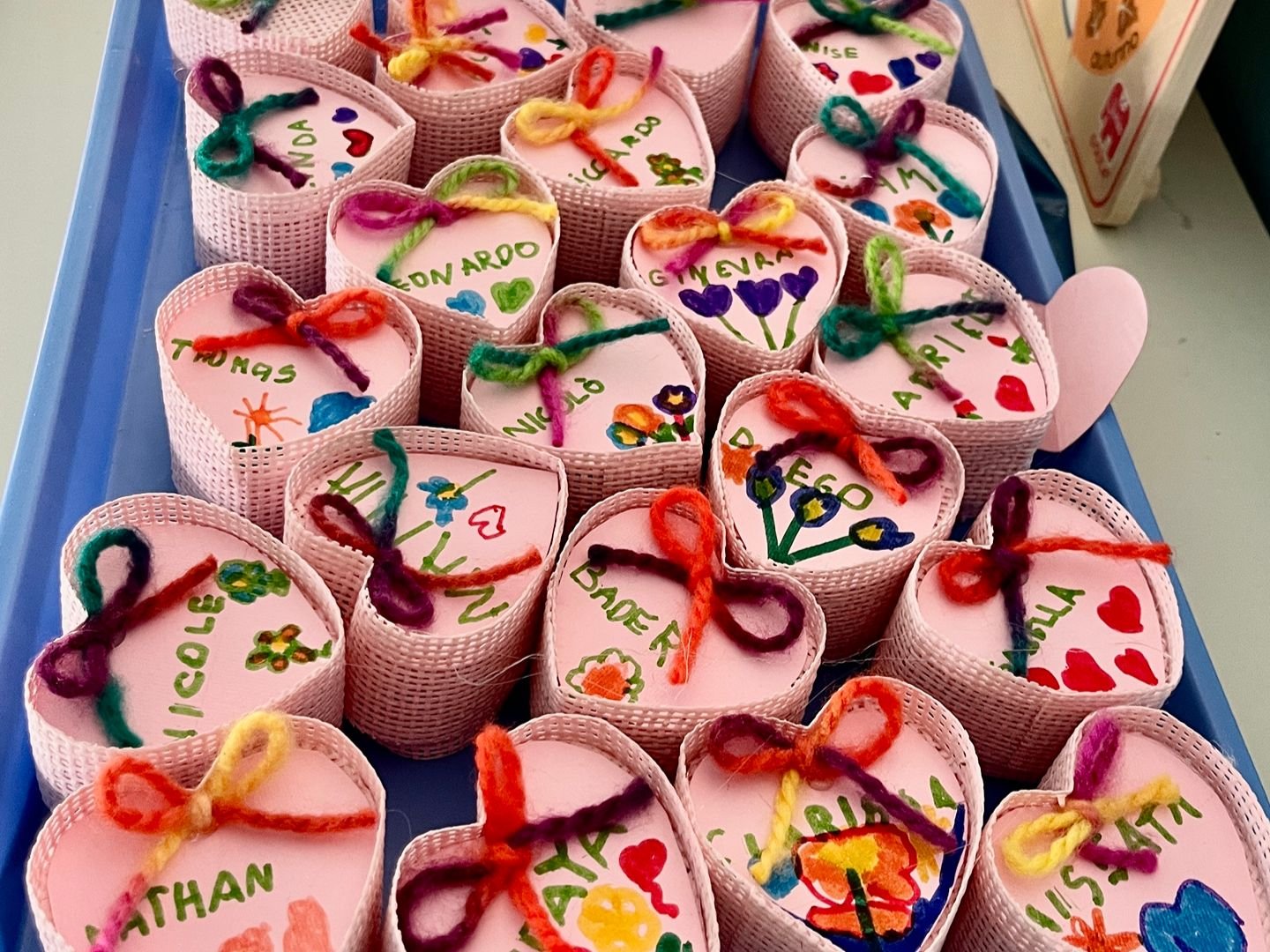
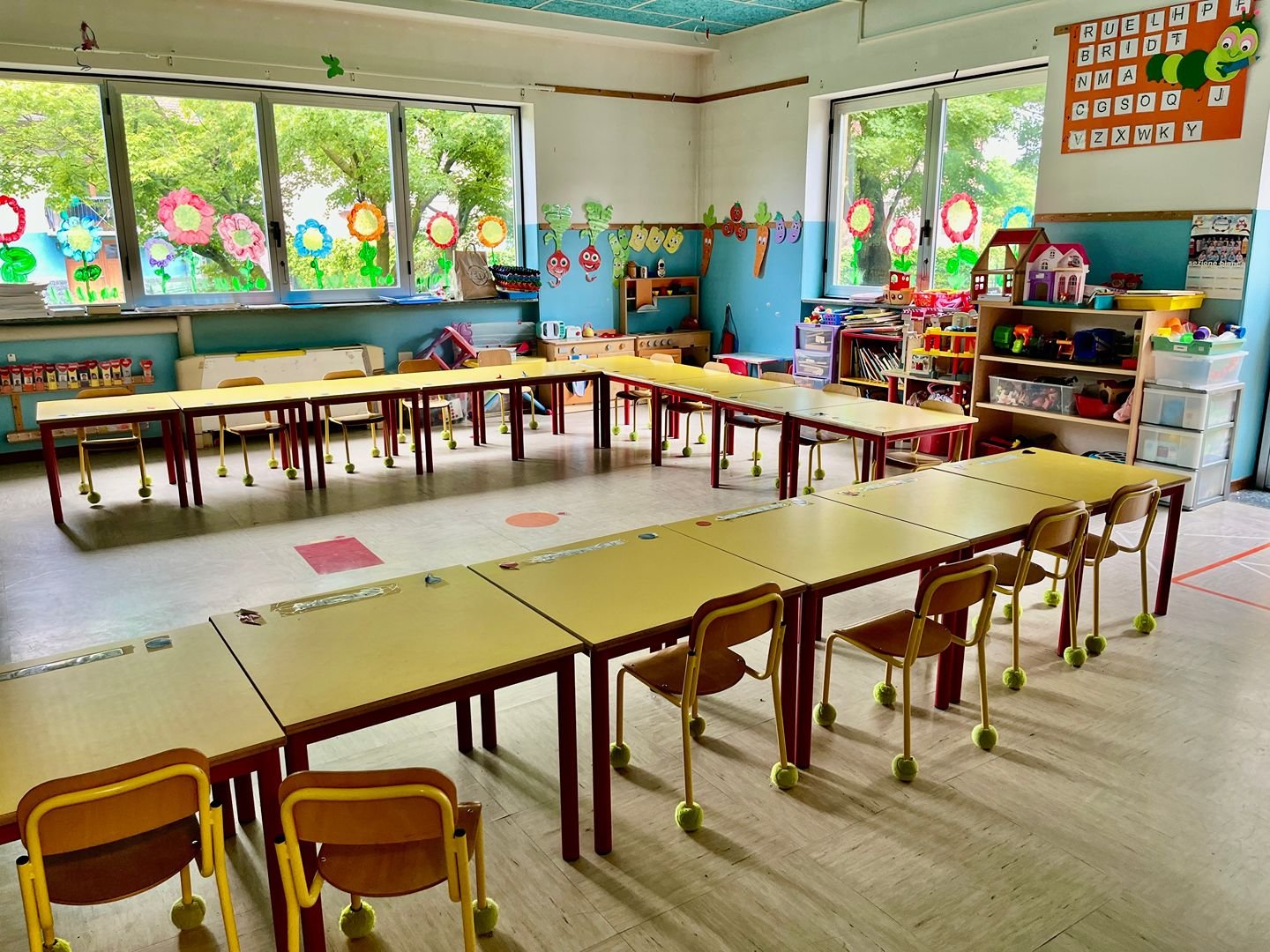
We attended a rehearsal on the occasion of an upcoming celebration of graduation from the kindergarten, where the children danced and sang with great energy and desire. Among them, we immediately focused a child with SEN (probably autism) who was on an equal footing with the other children, but close to him was a teacher who helped him do the dancing movements and move wherever and properly. We were also impressed by the huge amount of art installations and projects that the children had implemented together - it was rarely an empty space on the walls - everything was so colorful and beautiful.
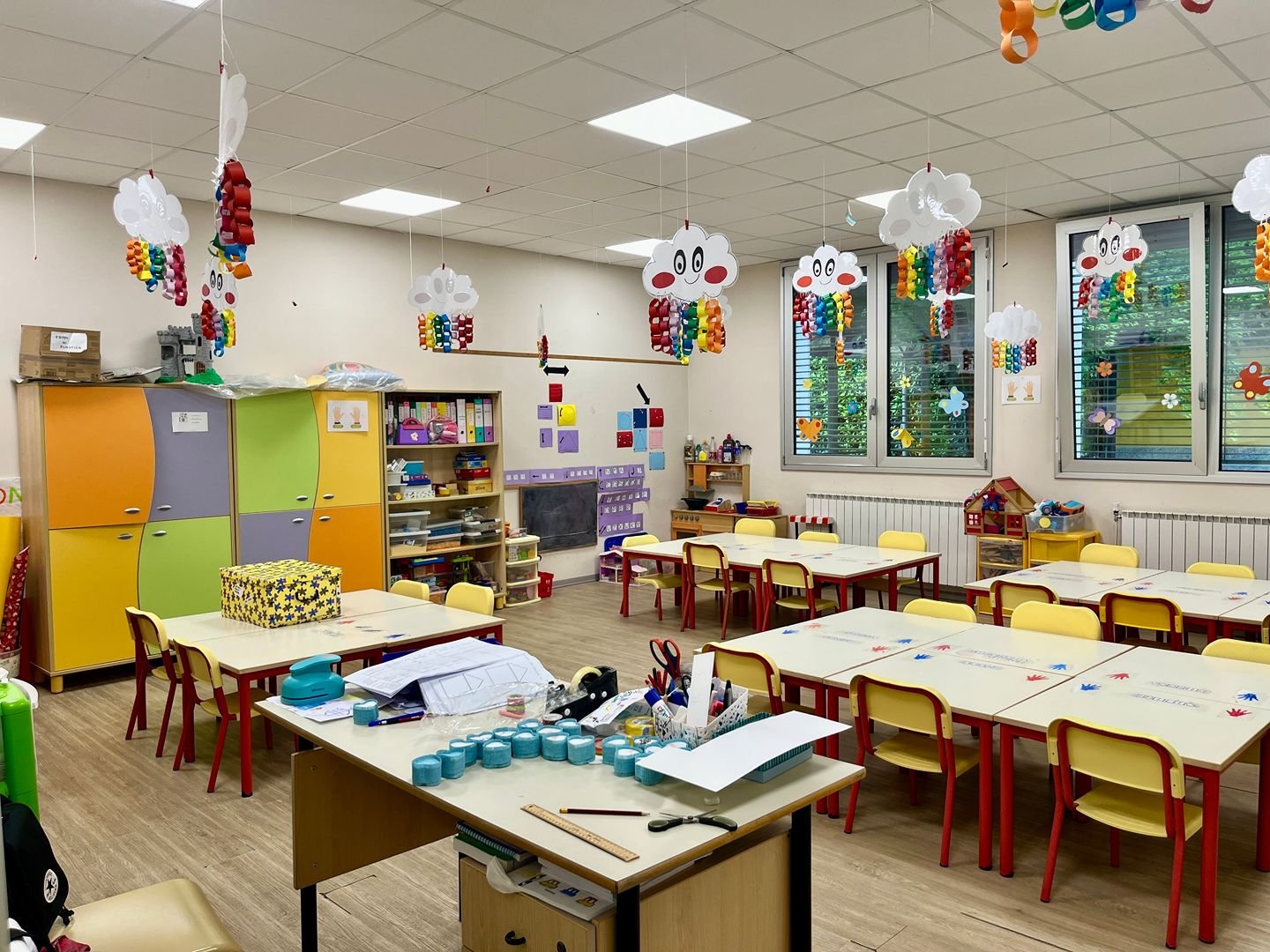
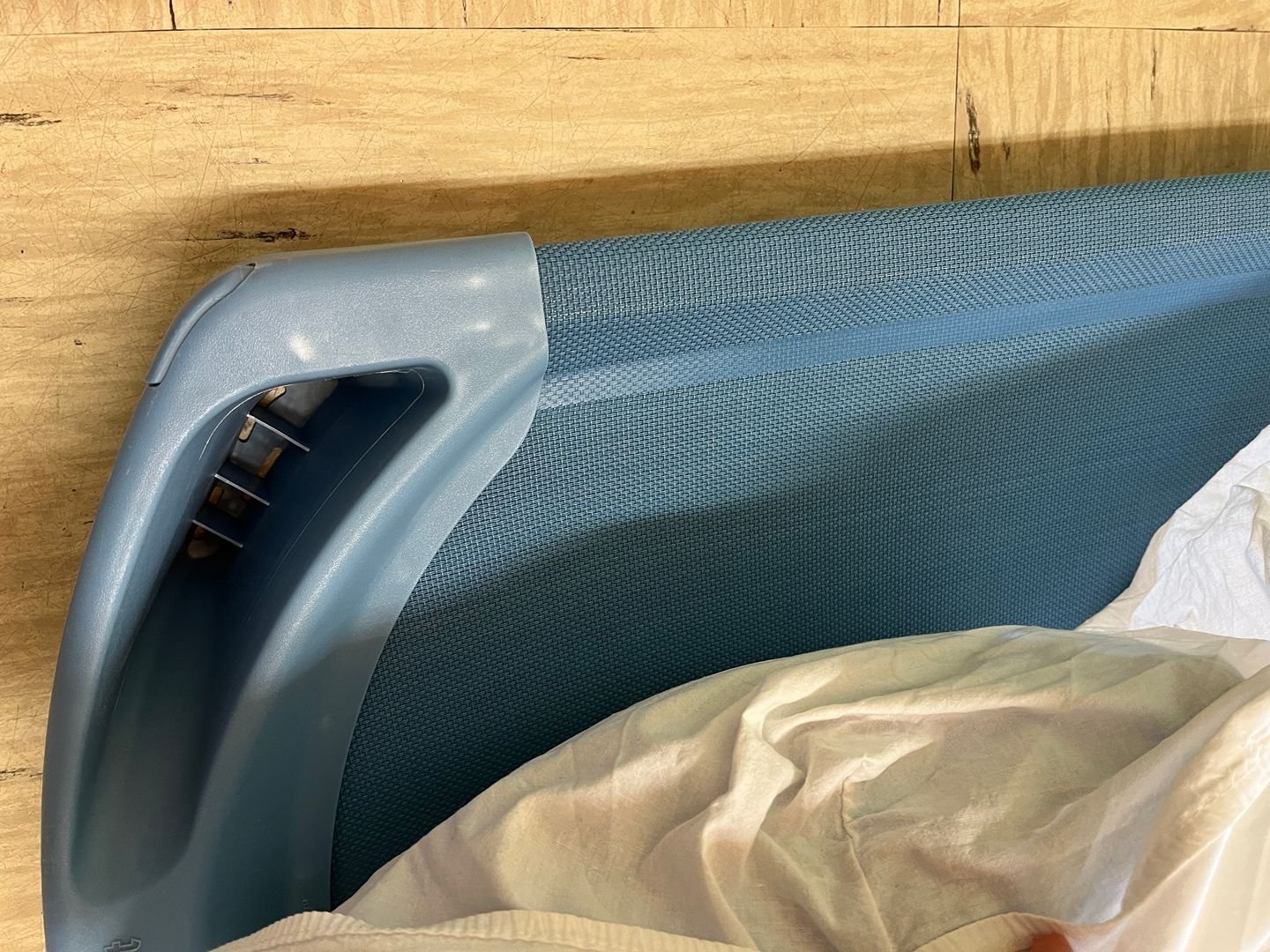
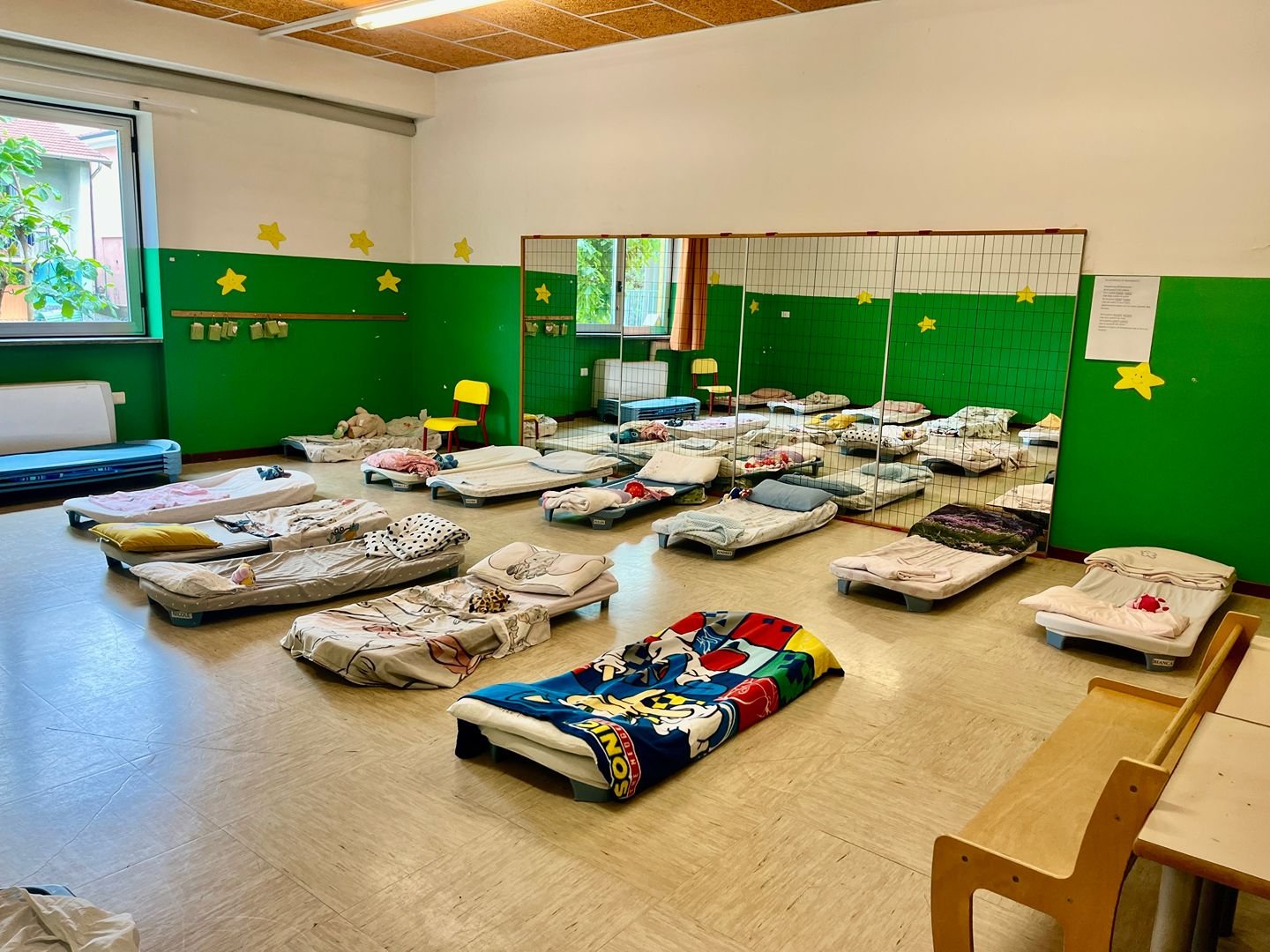
We saw the "beds" on which the children rest in the afternoon - which, if a BG mom sees them, will immediately report the institutions. We've also stolen the ingenious idea of putting tennis balls on the legs of the chairs so that the flooring doesn't get scratched.
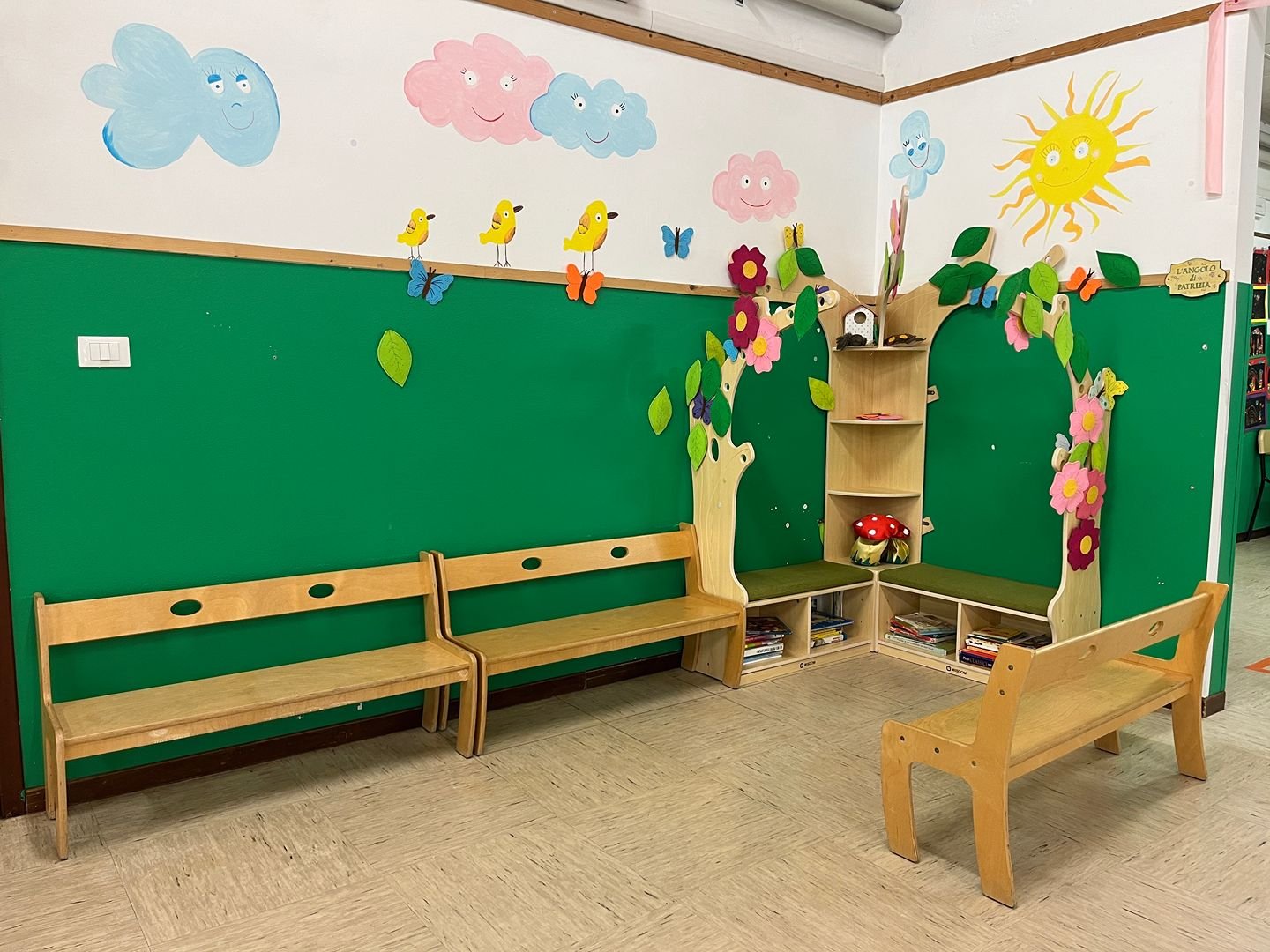
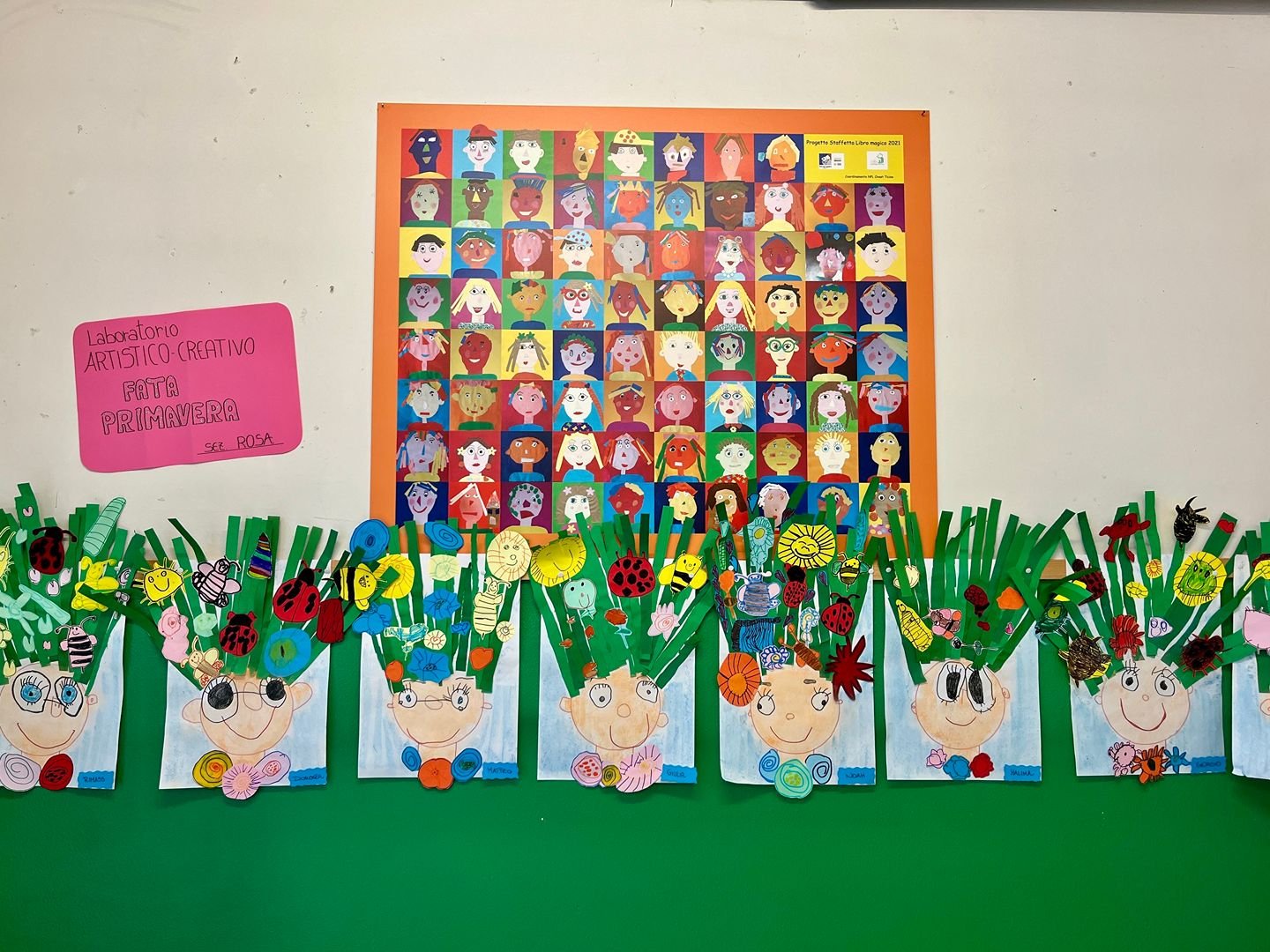
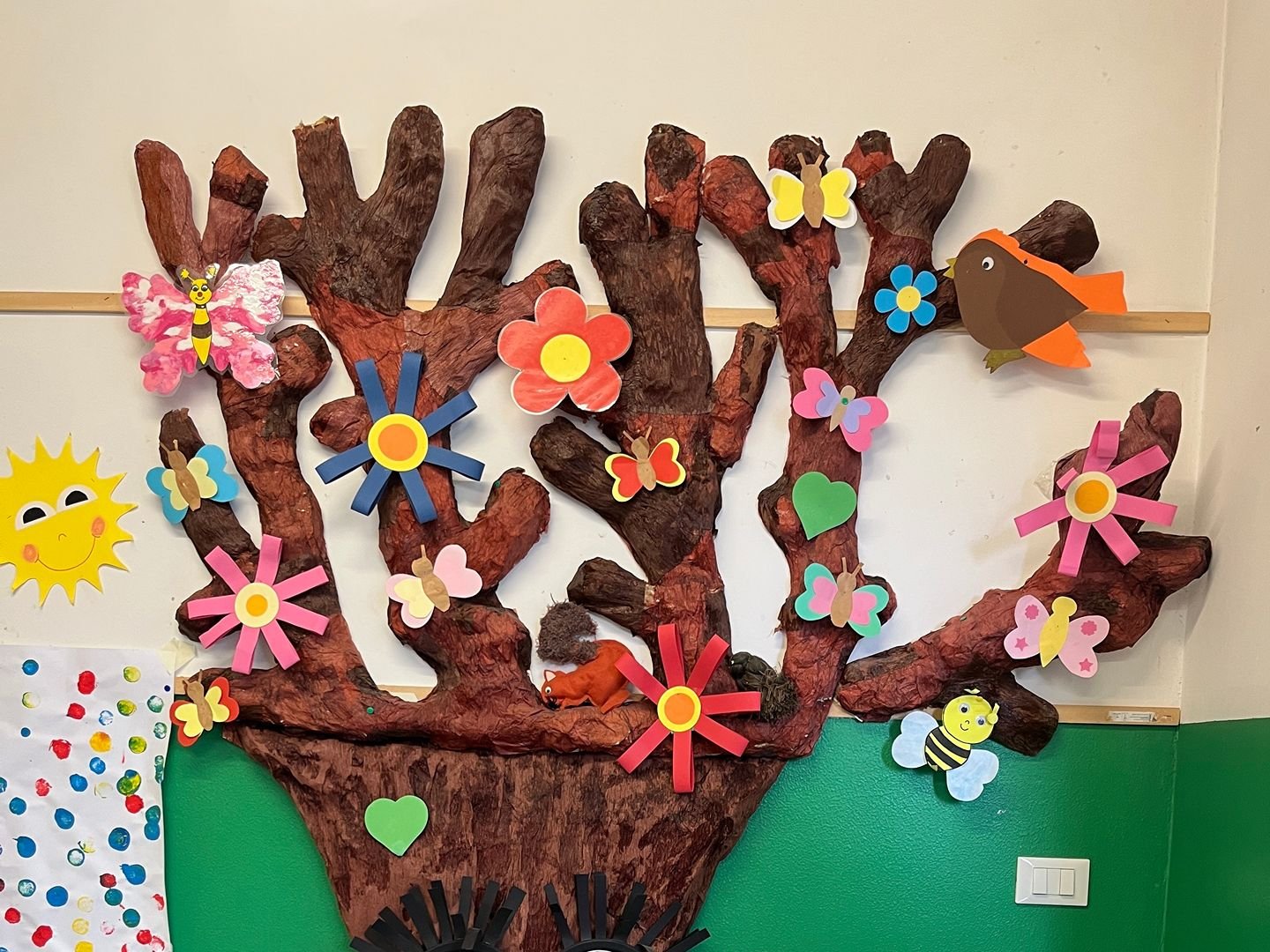
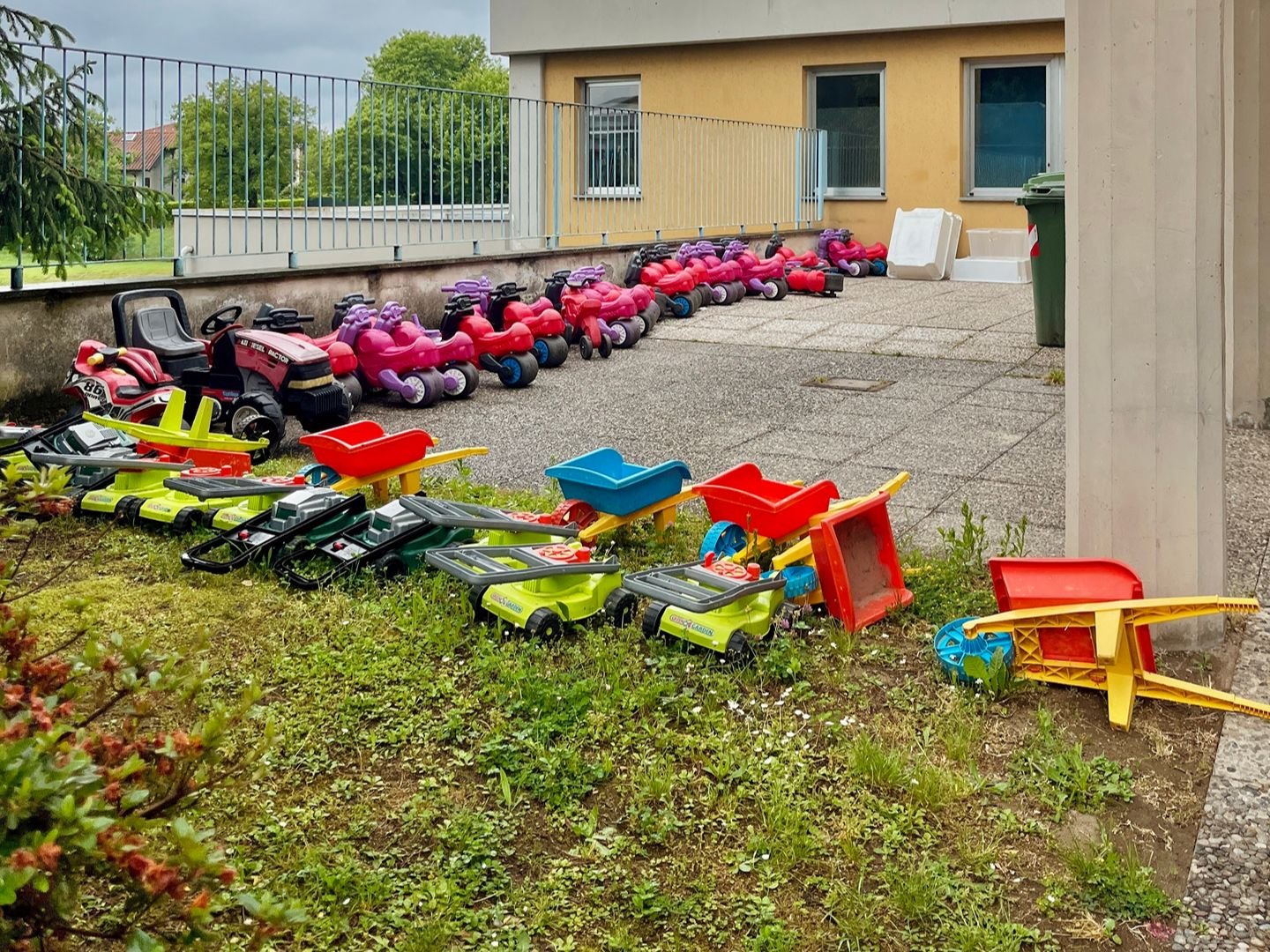
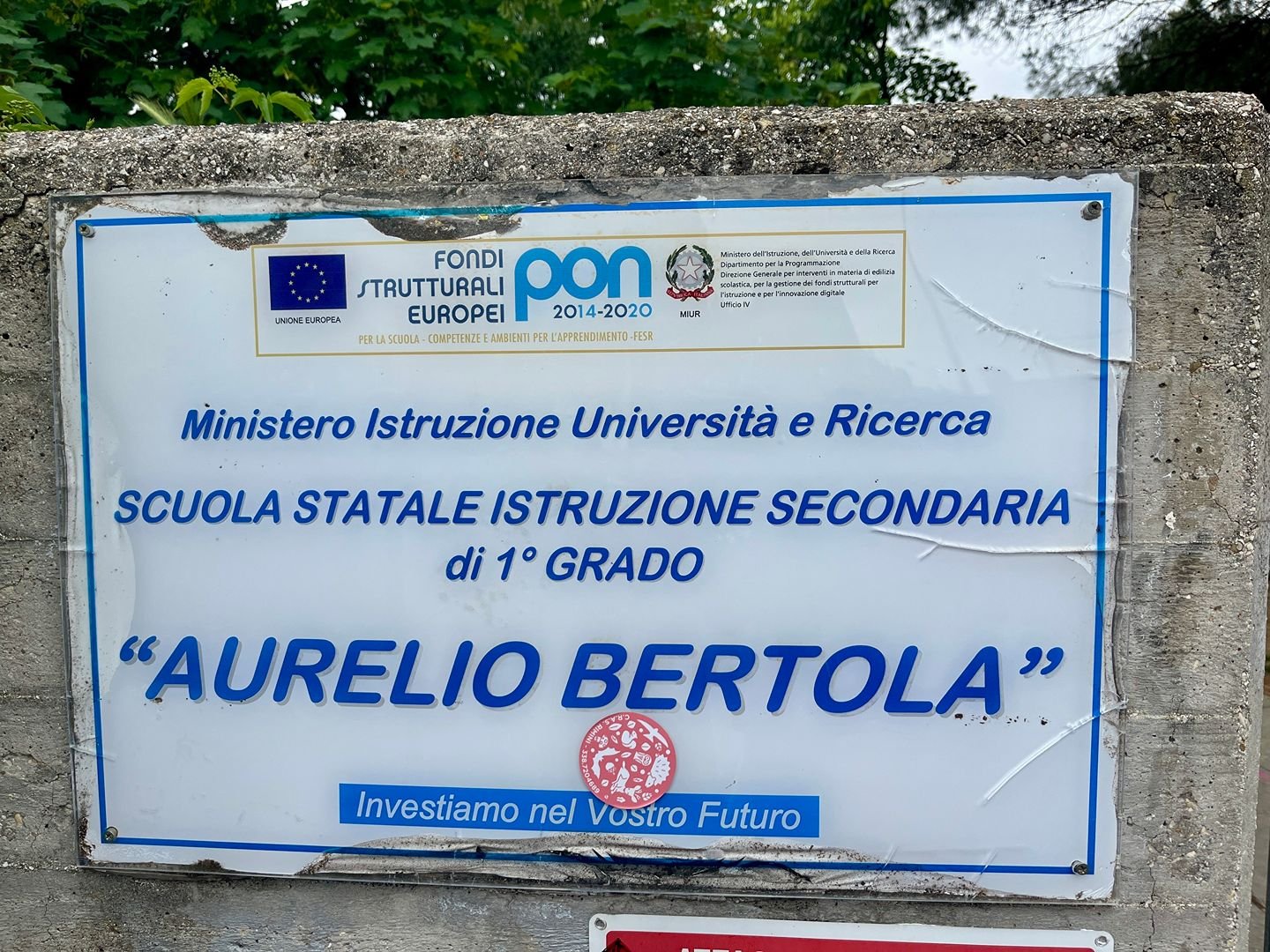
5. Working visit to Aurelio Bertrola Secondary School in Rimini, Italy.
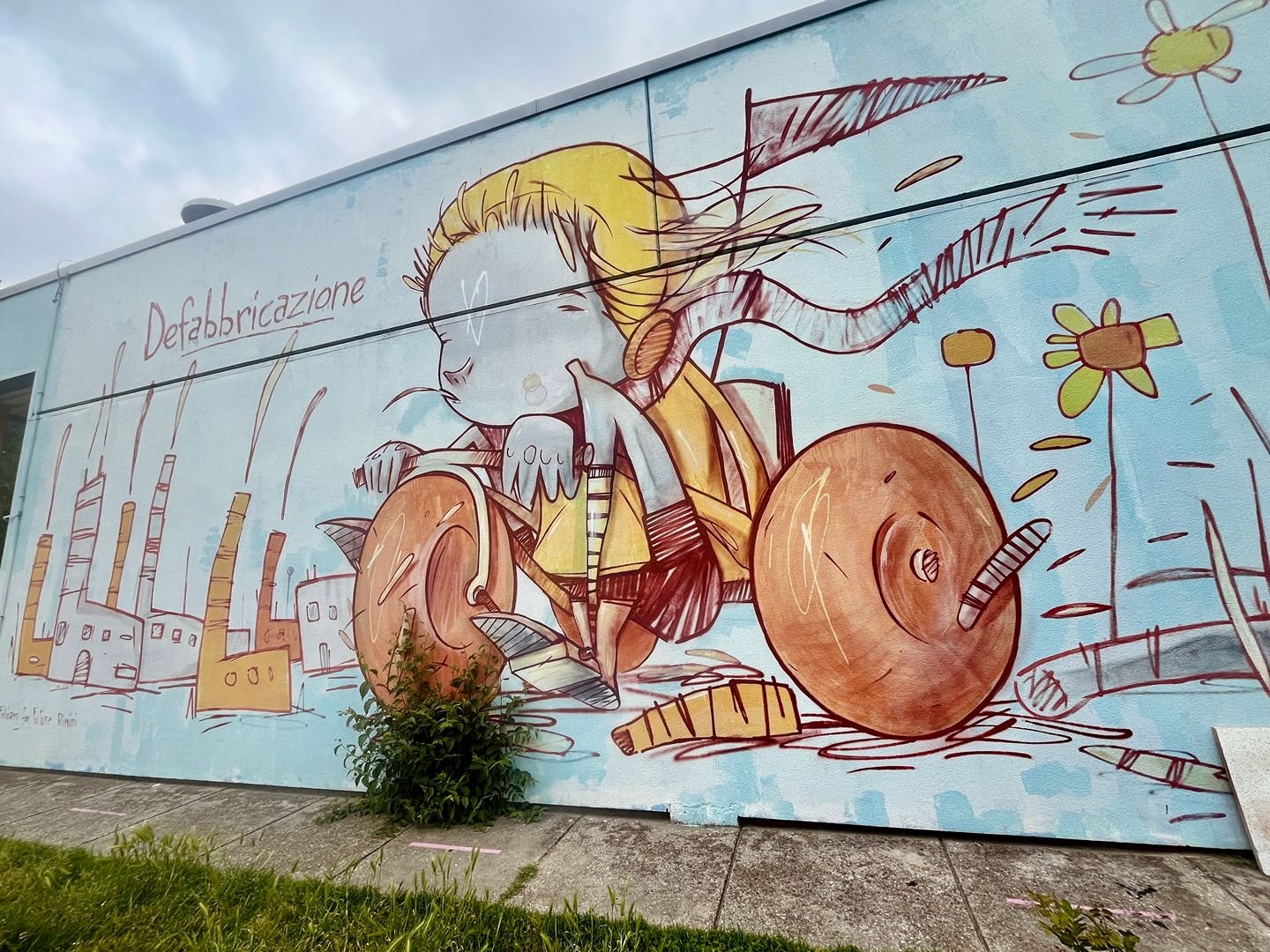
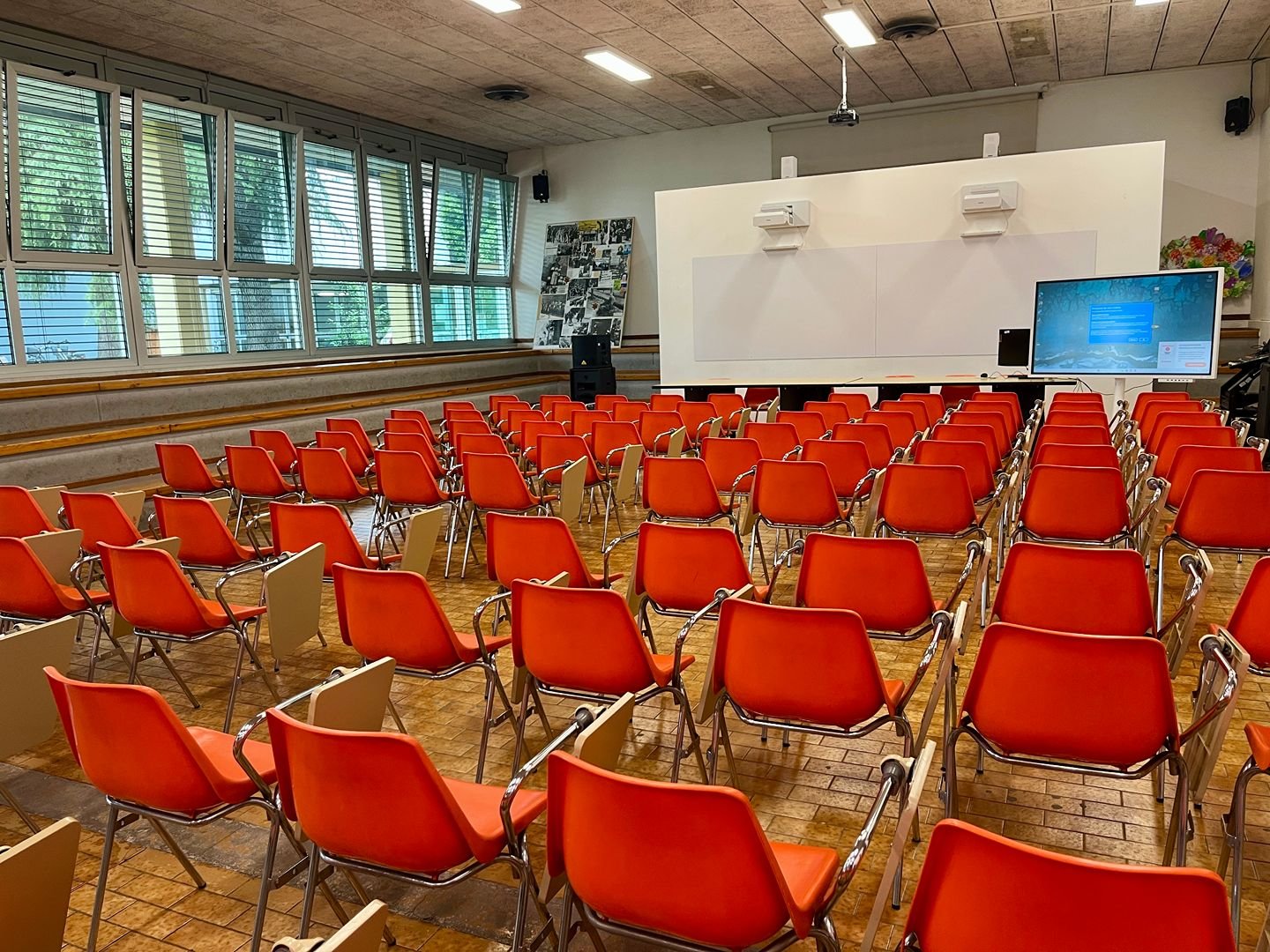
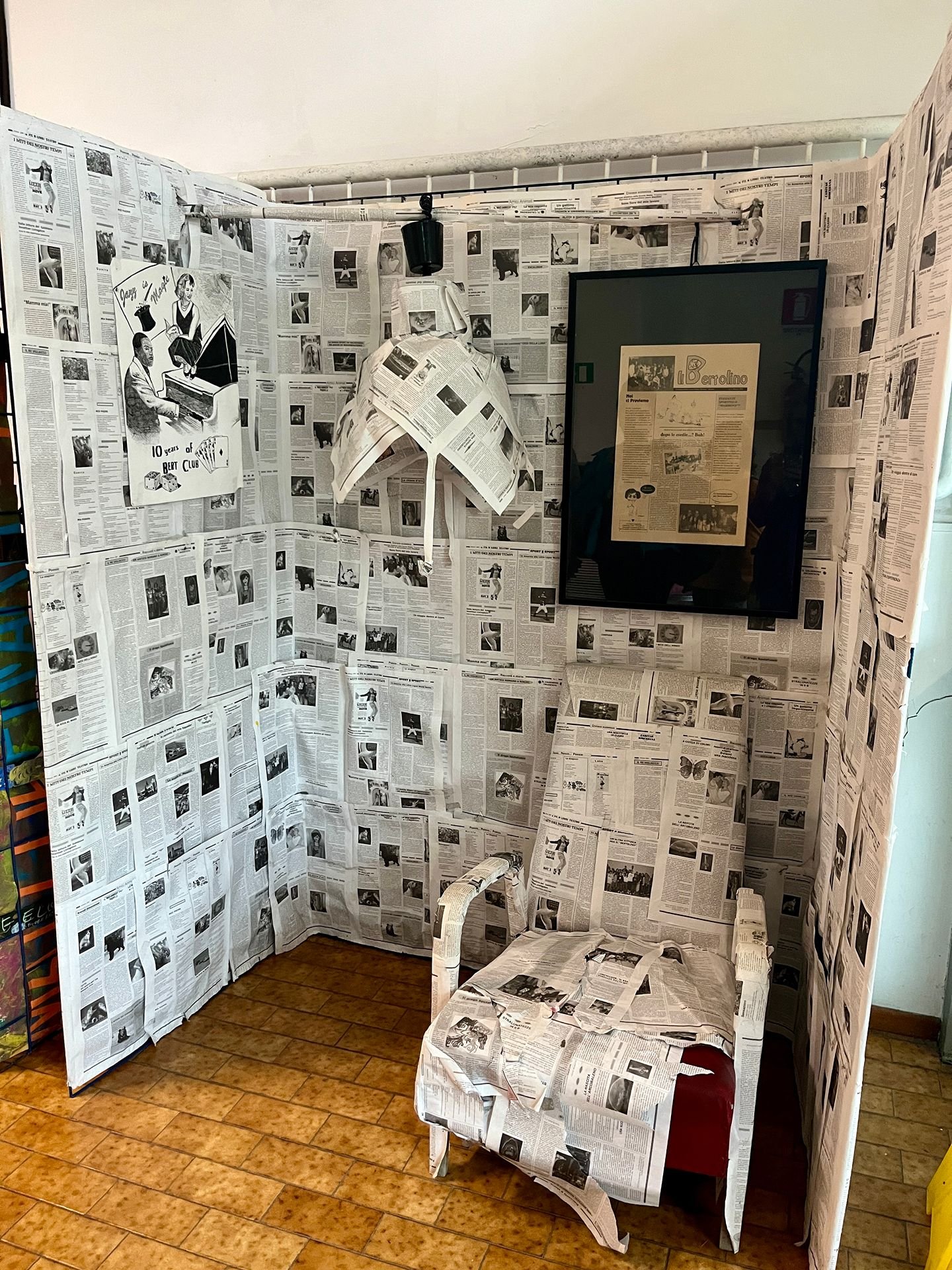
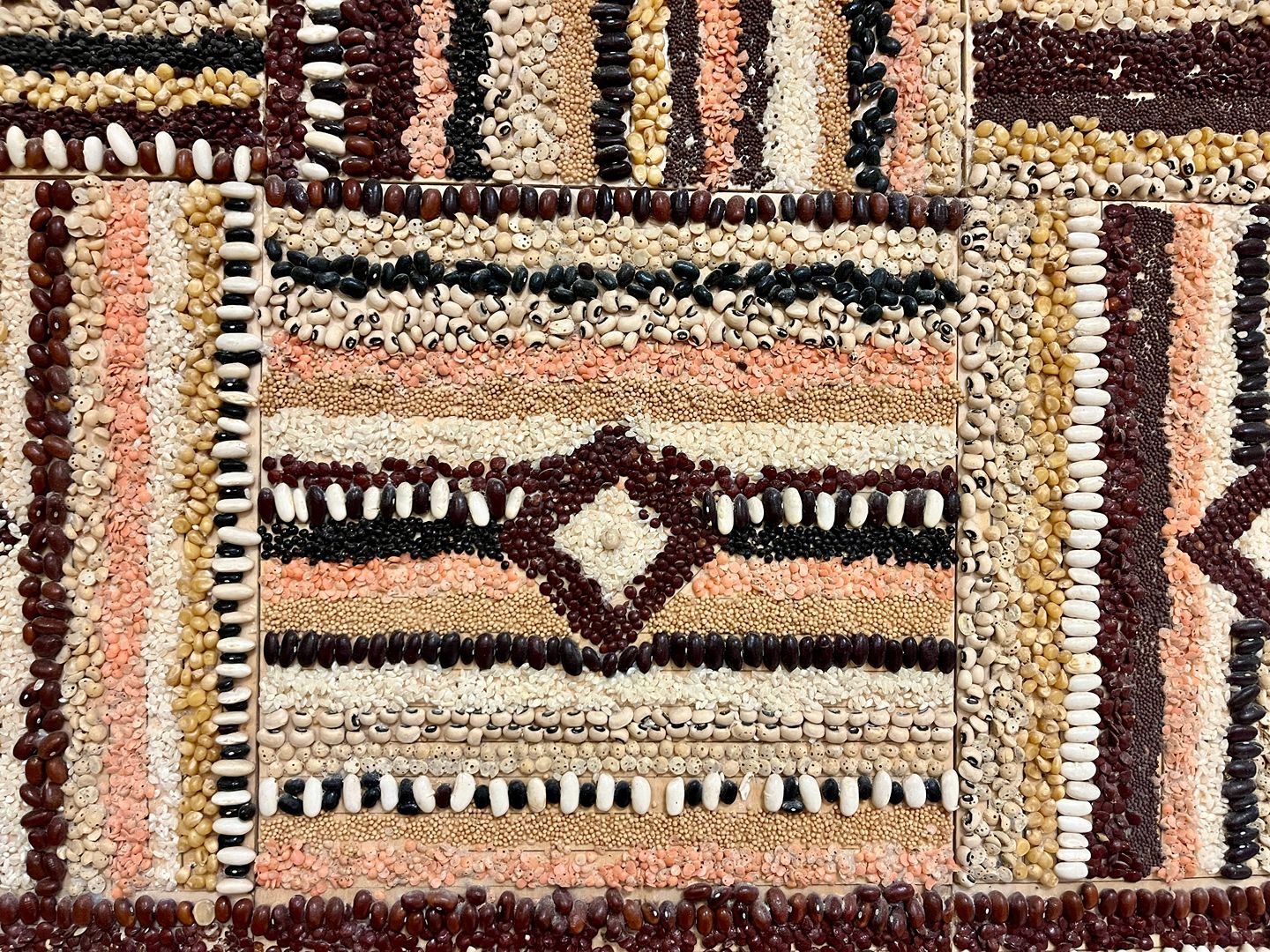
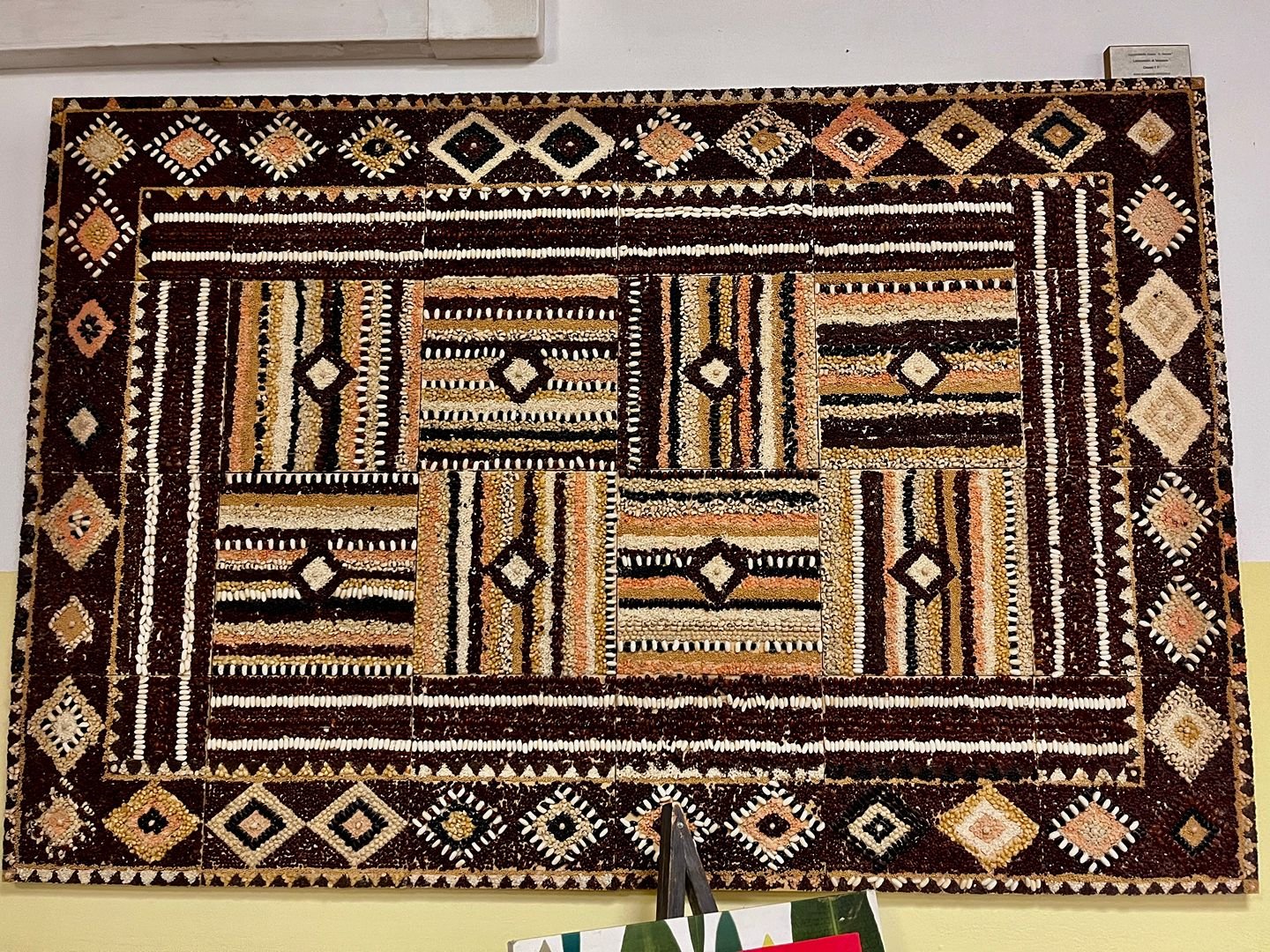
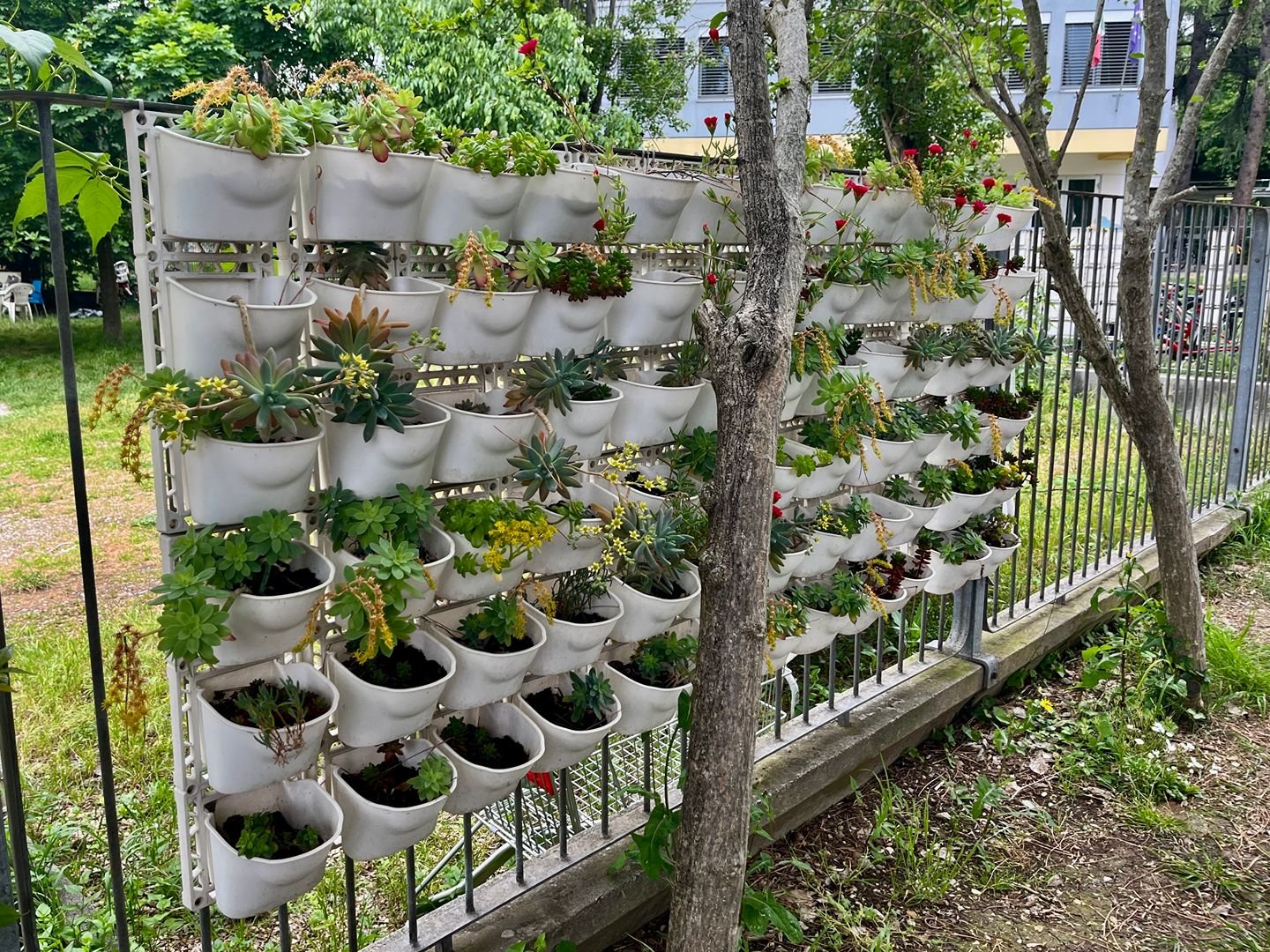
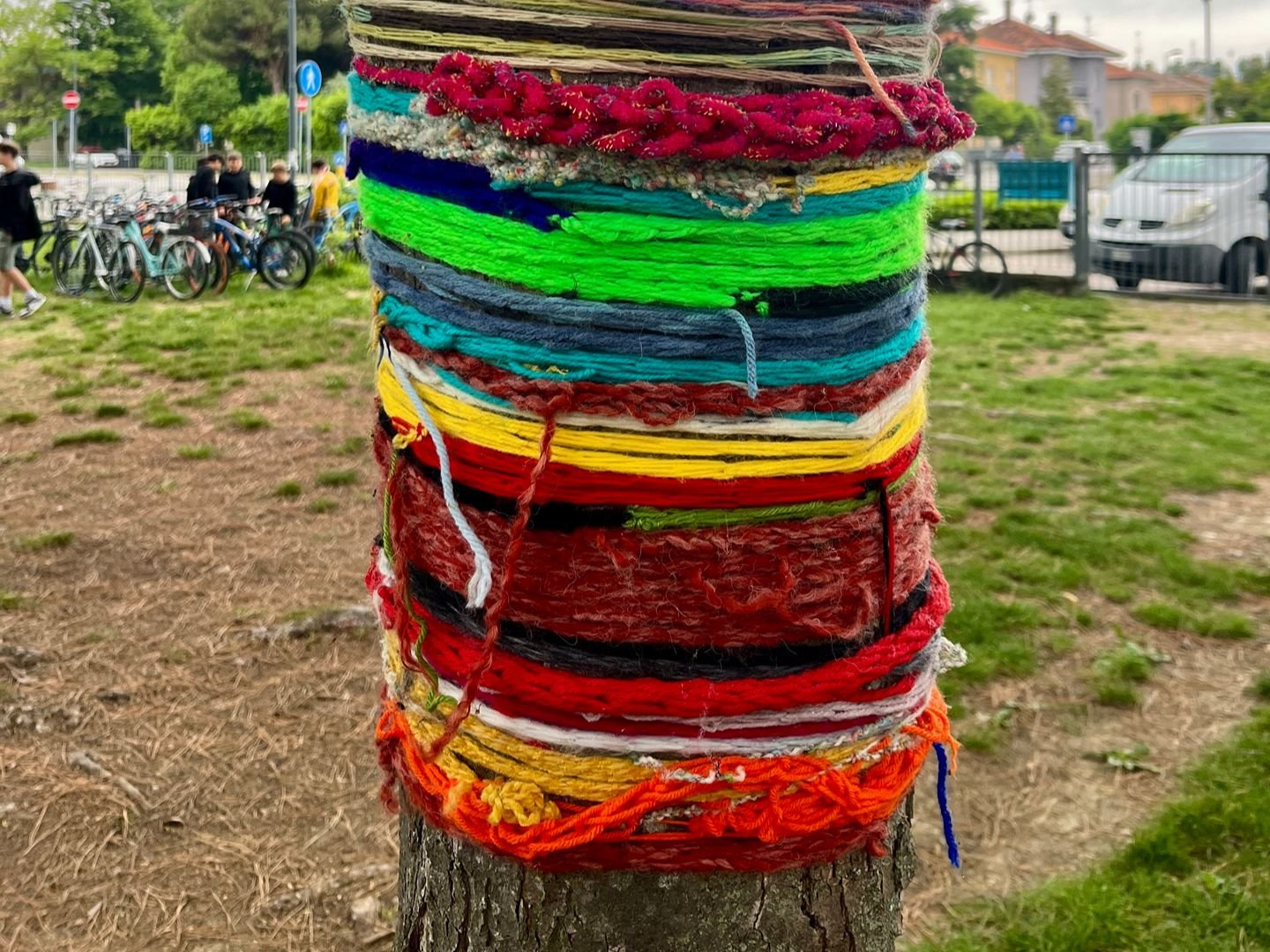
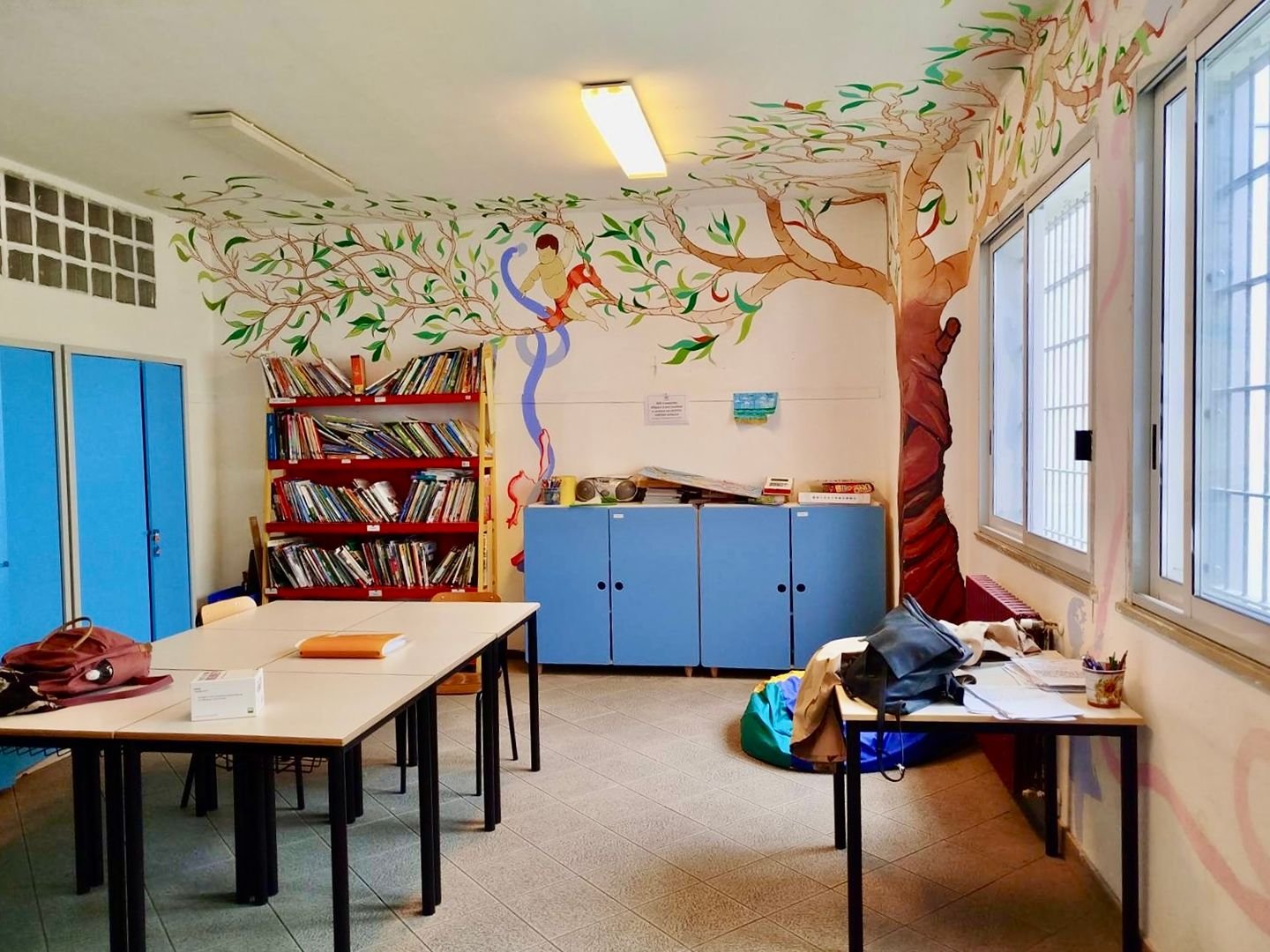
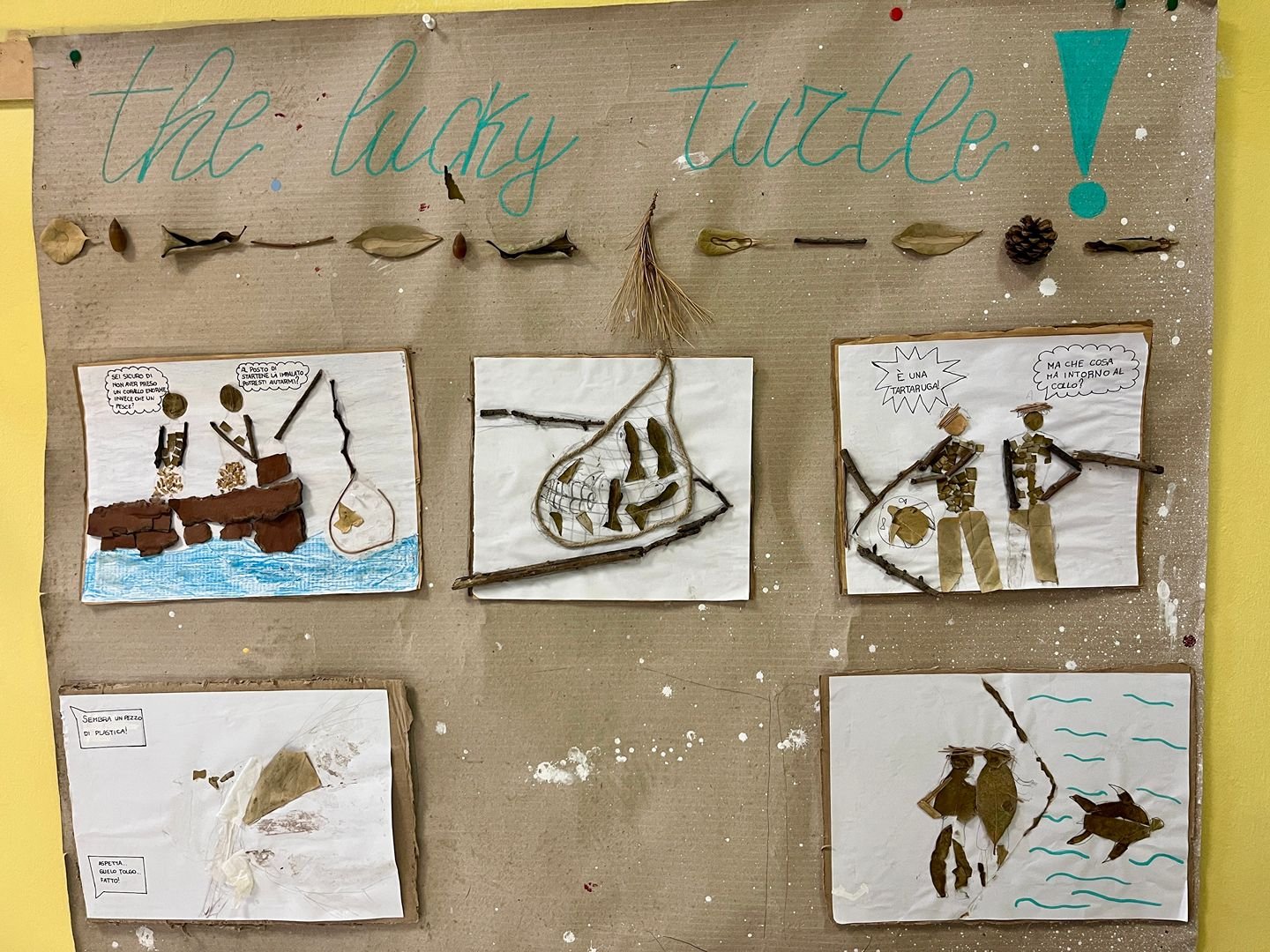
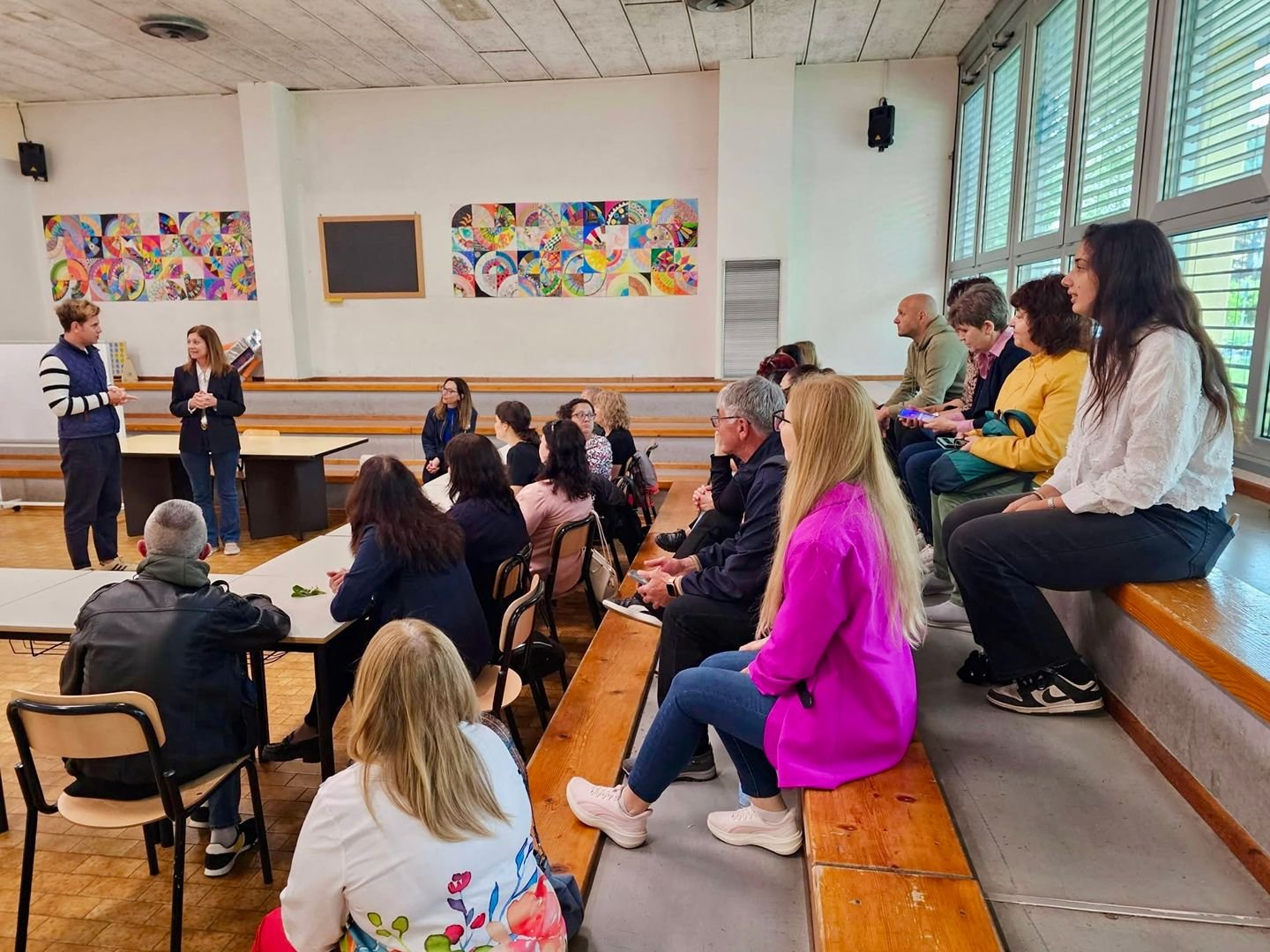
700 children are educated in this school in junior high school and high school, including 45 children SOP. Extracurricular activities are carried out every day, in which children with SEN are also included. On the territory of the school there is an organic garden, a STEM center and a dance school, which takes place in the huge gym. It was interesting to observe how the so-called Resource teachers work individually with a child with SEN, and not anywhere, but in areas separated for this in the corridors of the school. We were impressed by the colorful and innovative projects that we noticed around the classrooms and in the common spaces.
Like my page on FACEBOOK to be the first to hear about new travel stories and great deals!
–> Browse and book a budget hotel in Rimini at a discount. See here!
6. Bulgarian Sunday School "Georgi Kapchev" in Gambetola and Association "With Bulgaria in the Heart"
The held workshop was attended by Mrs. Boryana Georgieva - director of the Bulgarian Sunday School "Georgi Kapchev" - Gambetola. She presented her experience in working with Bulgarian children living in Italy by sharing that the school is supported under the national program "Native language and culture abroad" and has an important role not only in the study of the Bulgarian language, but also in preserving the connection with Bulgarian traditions, history and cultural heritage.
The meeting was held in the city of Rimini and became a valuable opportunity for professional dialogue regarding the education of children with SEN in a bilingual environment, exchange of good practices and discussion of modern approaches in education aimed at the support and development of each child.
Shared experience has shown that learning is most effective when it comes to experience and emotion, not just learning content.
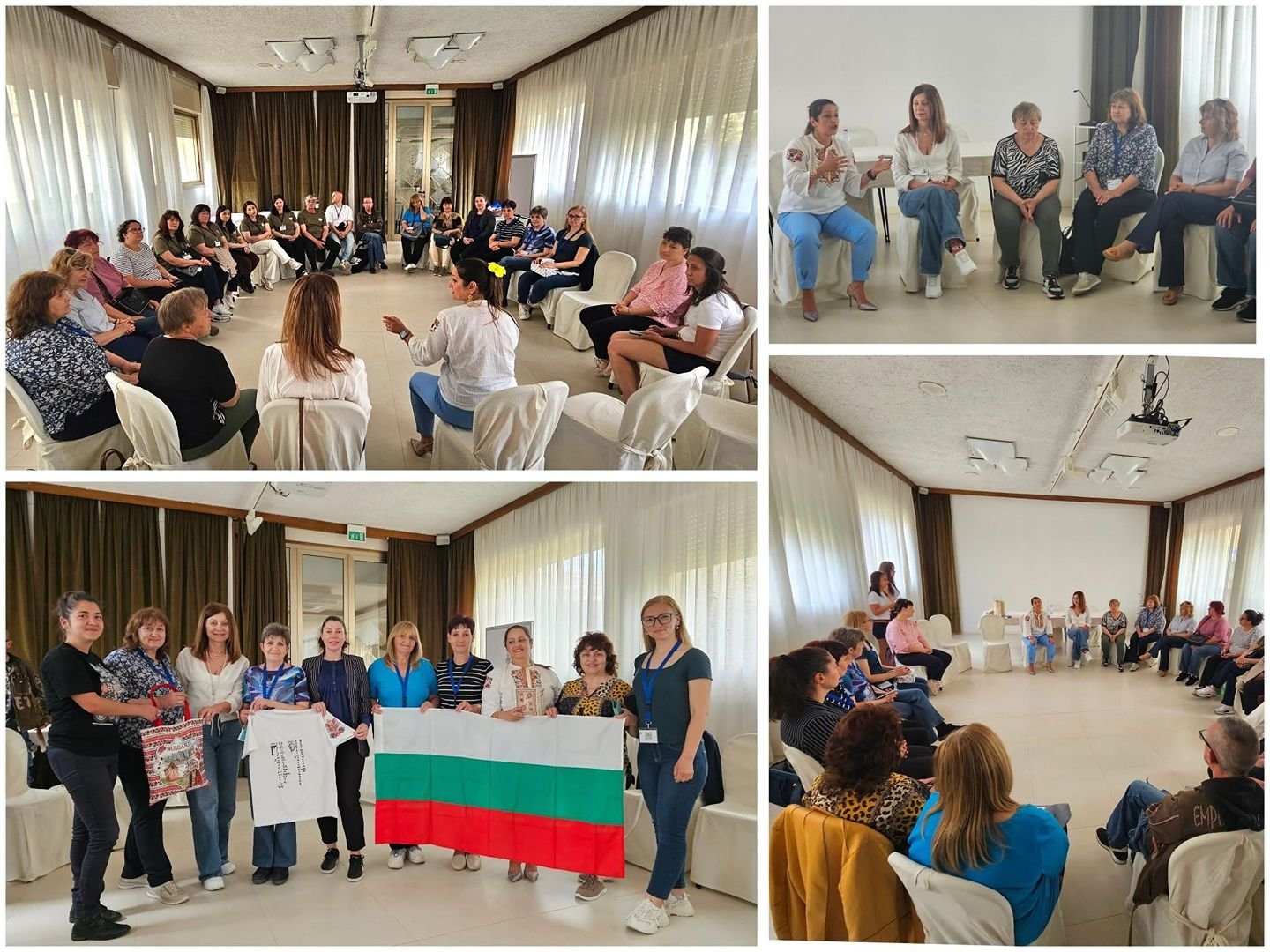
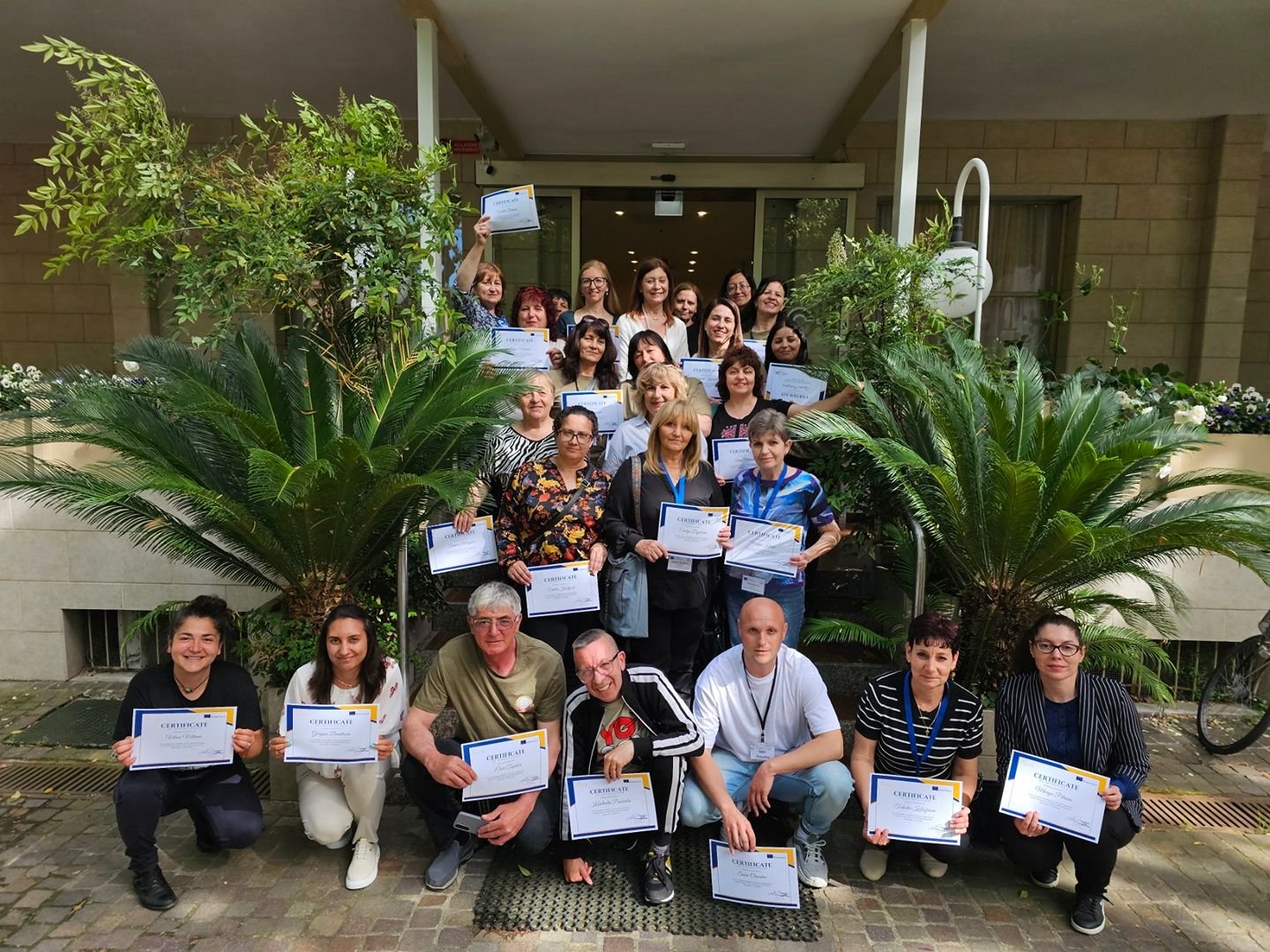
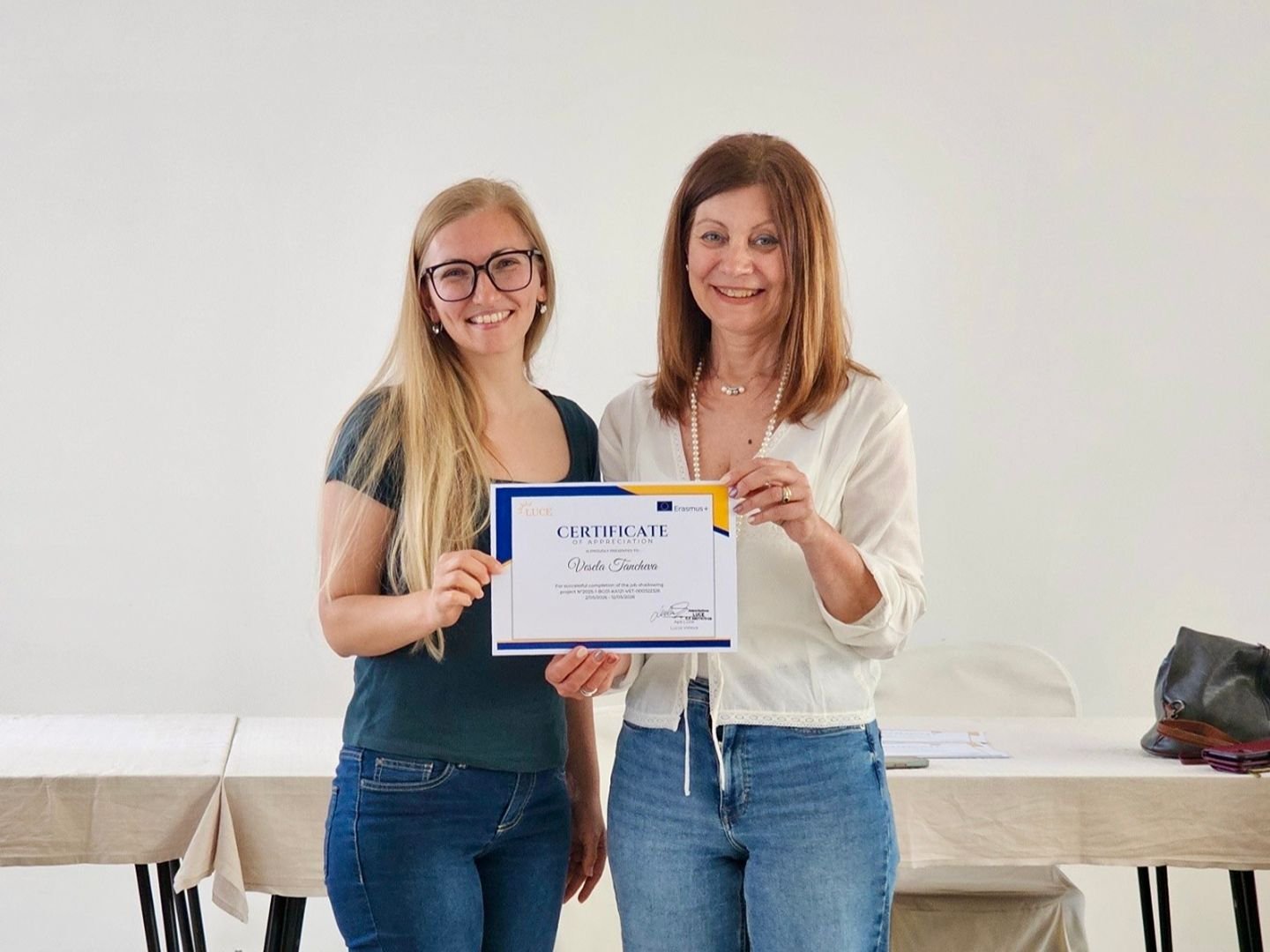
With this, the work commitments during our mobility under the Erasmus program have been exhausted. It was very interesting for me personally to touch Bulgarian schools abroad and to understand both difficulties and their achievements among students.
A travelogue for the project's cultural program with visits to the island of Isola Bella, Milan, Rimini, Bologna and San Marino - read here.