Travelogue on the Jordan River and Galilee
Where is the Valley of Armageddon located, where was Jesus tempted in the desert, and where does the Jordan River stop flowing while the Israelites crossed it on dry land? — Read this and other interesting information in this travelogue about the Jordan River and Galilee, part of the travelogue series “Israel—God’s Land.”
YOU CAN FIND MORE INFORMATION ABOUT ISRAEL AND A WHOLE SERIES OF TRAVELOGUES ABOUT ISRAEL HERE
TO THE PREVIOUS TRAVELOGUE –> The Dead Sea, Masada Fortress, and the Judean Desert in Israel
THE JORDAN RIVER
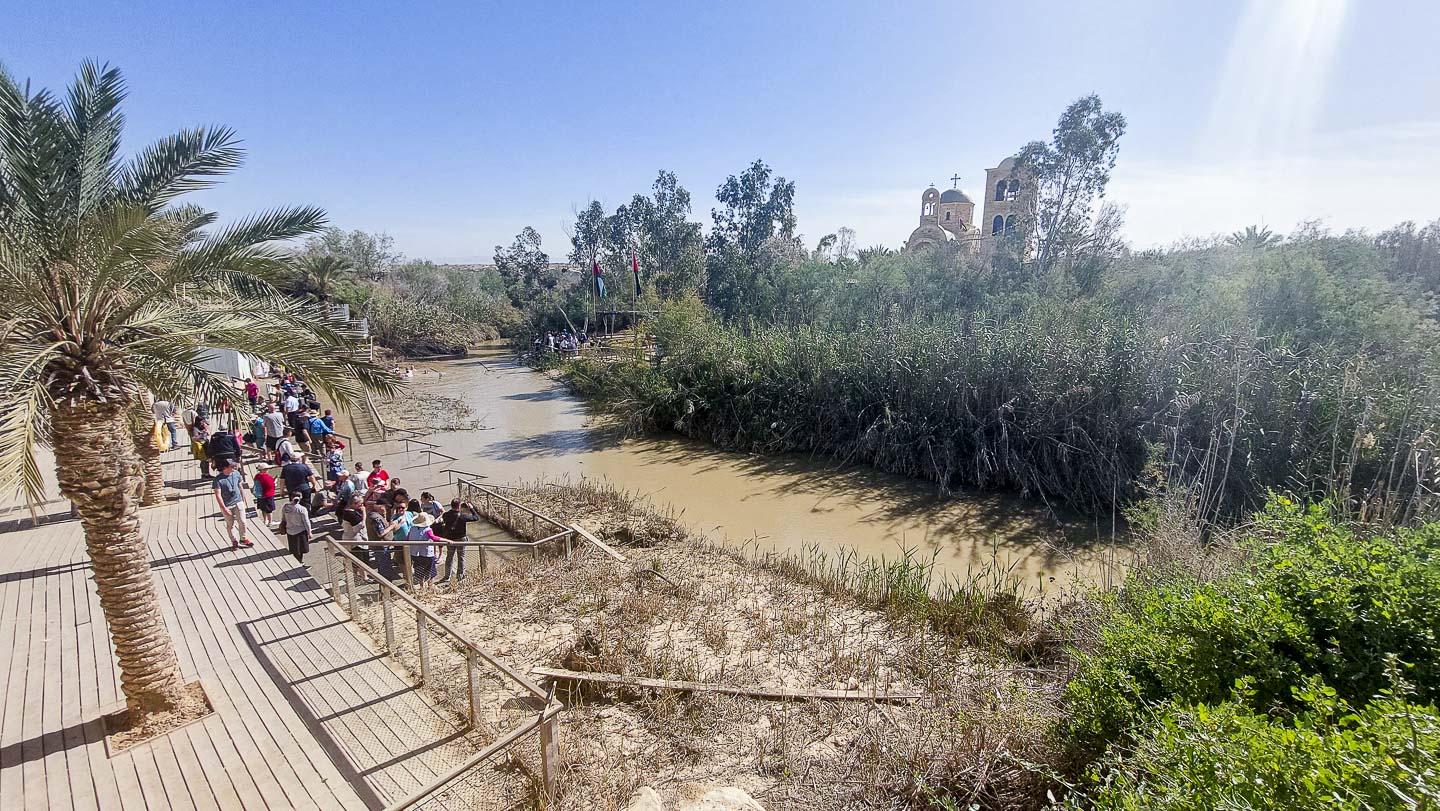
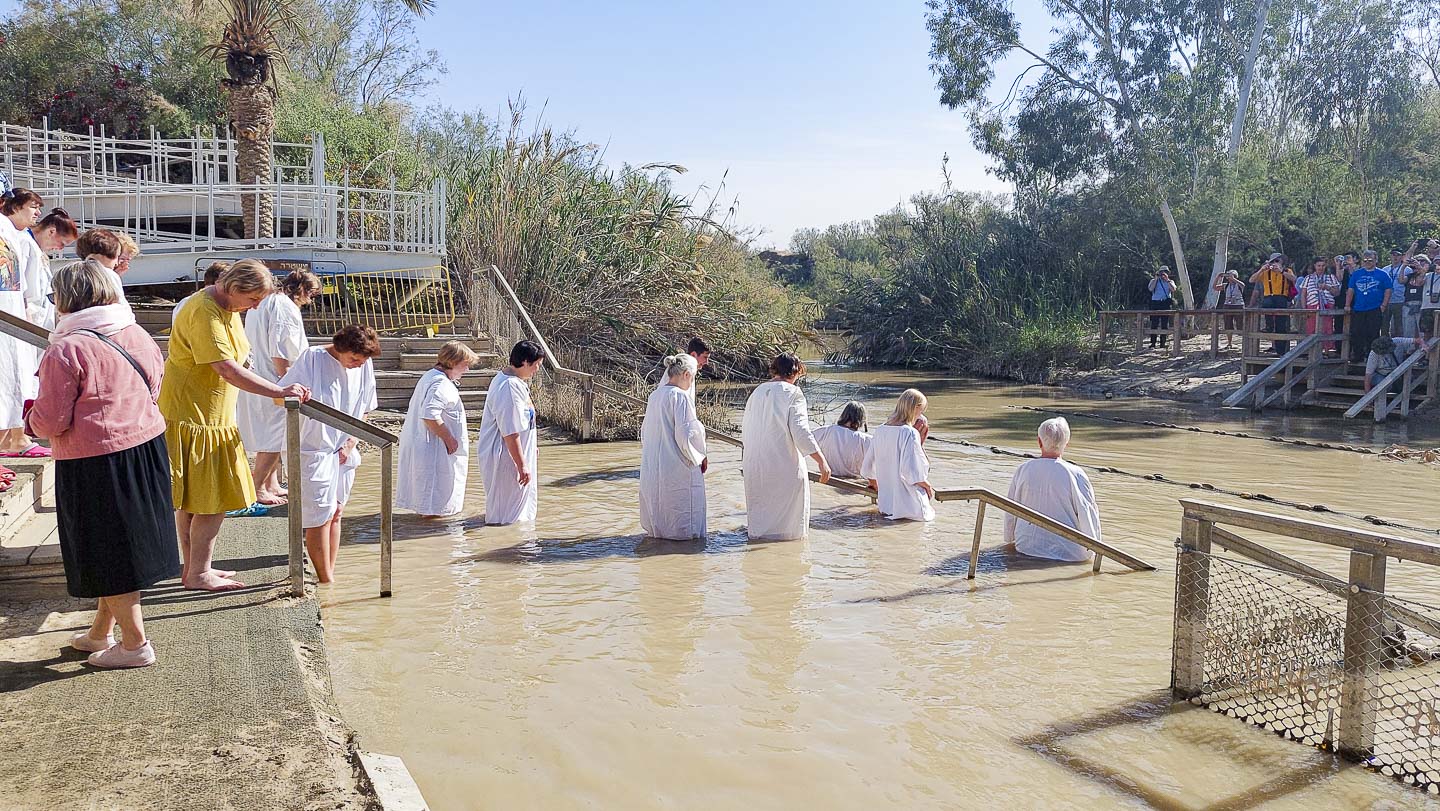
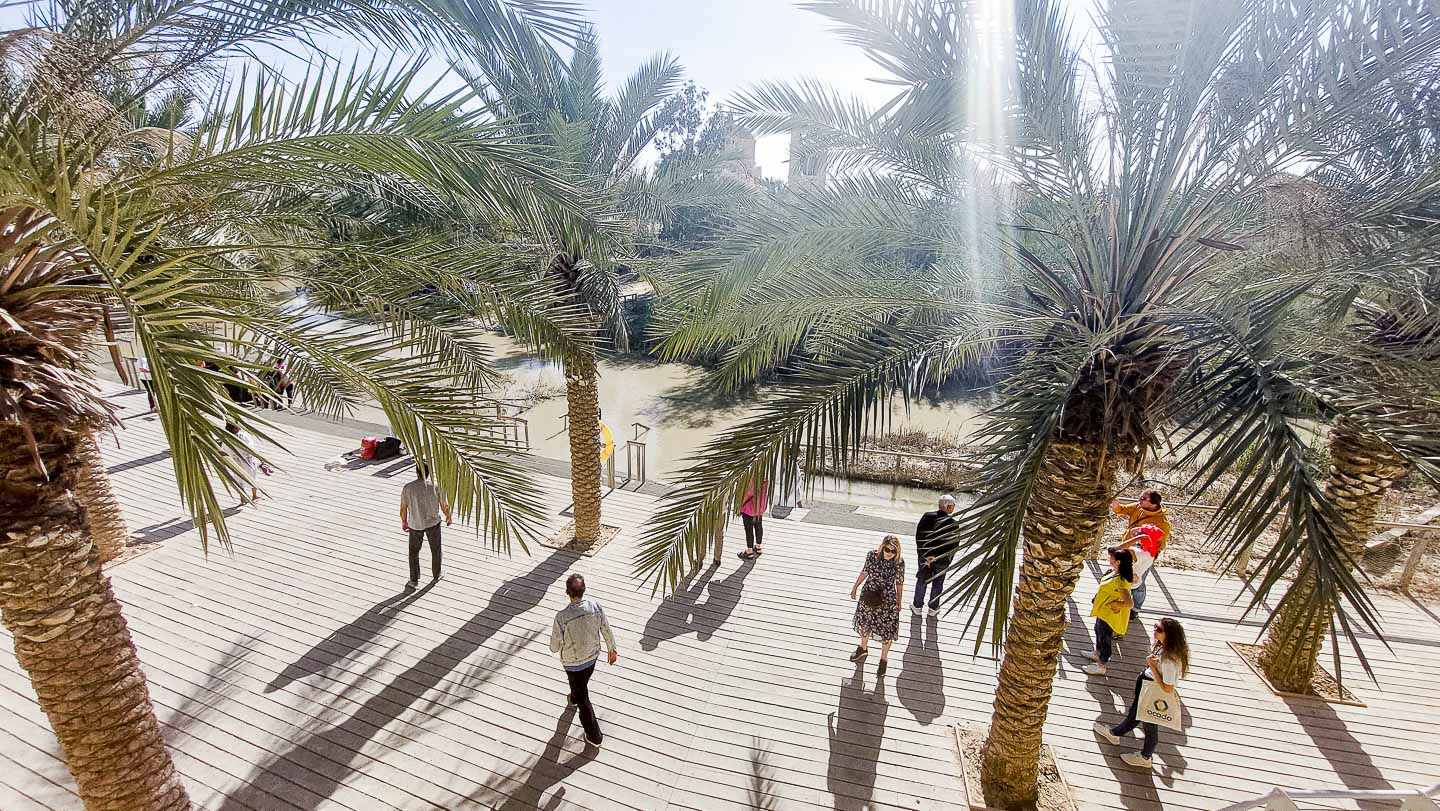
There are two sites in Israel where John the Baptist is believed to have baptized Jesus in the Jordan River. One is near where the river flows into the Sea of Galilee, and the other is on the opposite bank—near the city of Jericho.
The Jordan River originates in the mountains of Lebanon. It isn’t very wide, but in some places it reaches a depth of 3 meters. The opposite bank is Jordanian territory. On both sides of the river, there is lush vegetation and a flurry of activity as tourists and pilgrims flock to the area. I wonder if the river was just as muddy in the past as it is today.
The site of Jesus’ baptism is also the place where the Israelites crossed on dry ground when Joshua, the man of God, stopped the flow of the river. After this miracle, the Israelites placed 12 stones in the river as a memorial. The Jordan River is the place where the prophet Elijah cast his cloak as a sign of anointing upon his successor—the prophet Elisha.
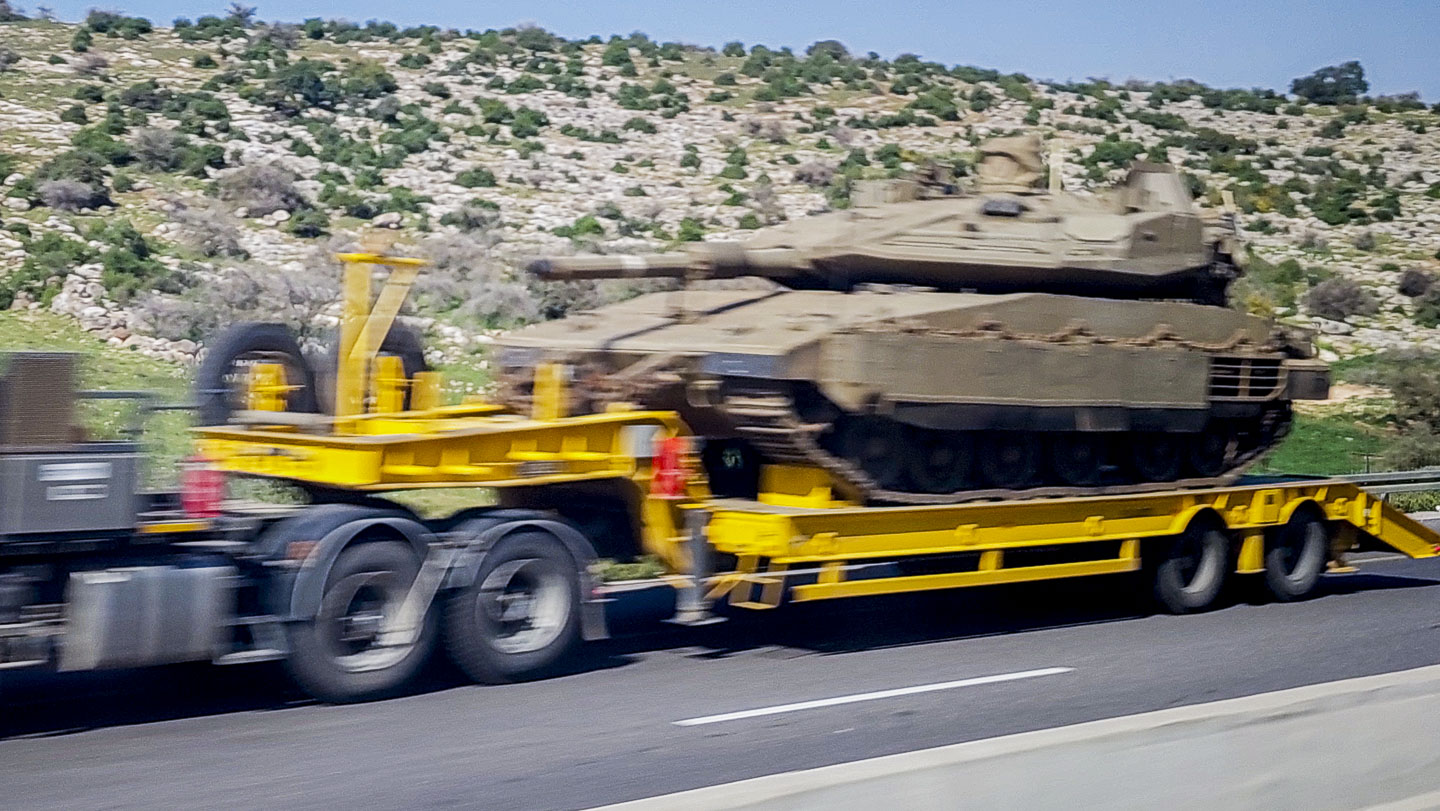
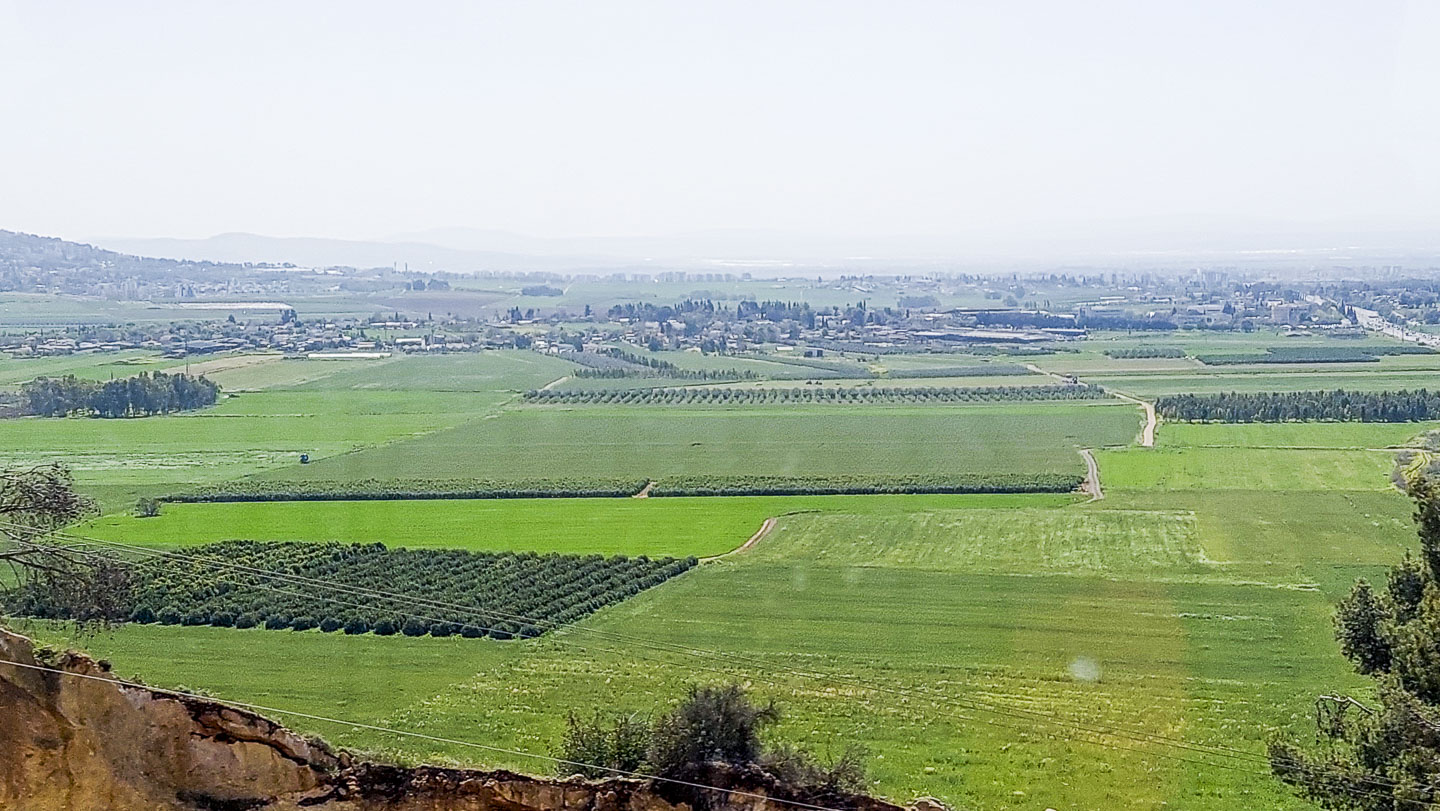
After about an hour and a half of driving toward northern Israel, we found ourselves in an open field. Places like this are rare in Israel. It turned out to be the field near Mount Megiddo, from which the name Armageddon derives. This is also Israel’s breadbasket. The Armageddon Valley lies between Mount Carmel, Afula, and Nazareth. It is the most fertile valley in Israel.
NAZARETH
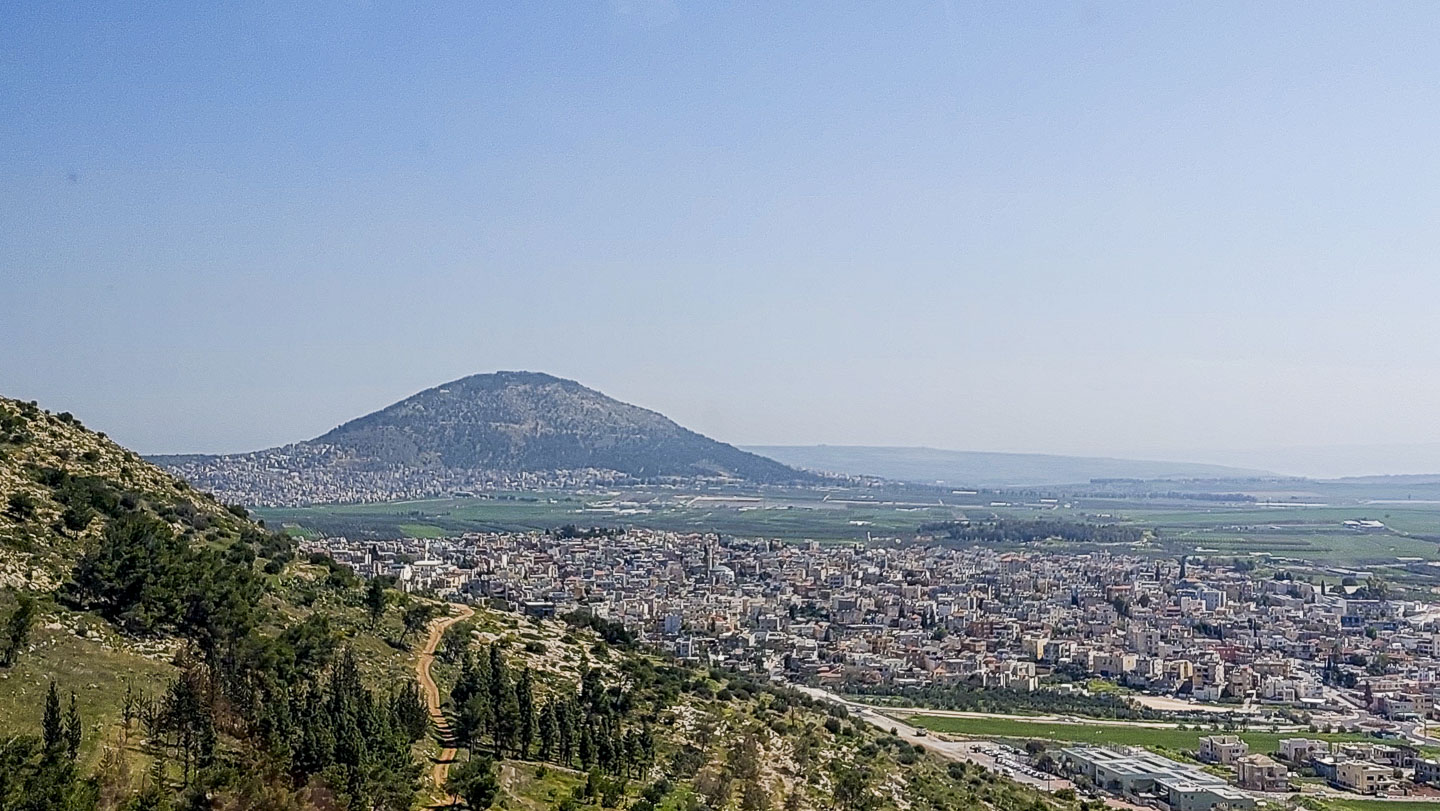
As we approached Nazareth, just before reaching the town, we passed Mount Tabor on our right, where the Transfiguration of Jesus took place—Jesus appeared in His glory before His disciples Peter, James, and John.
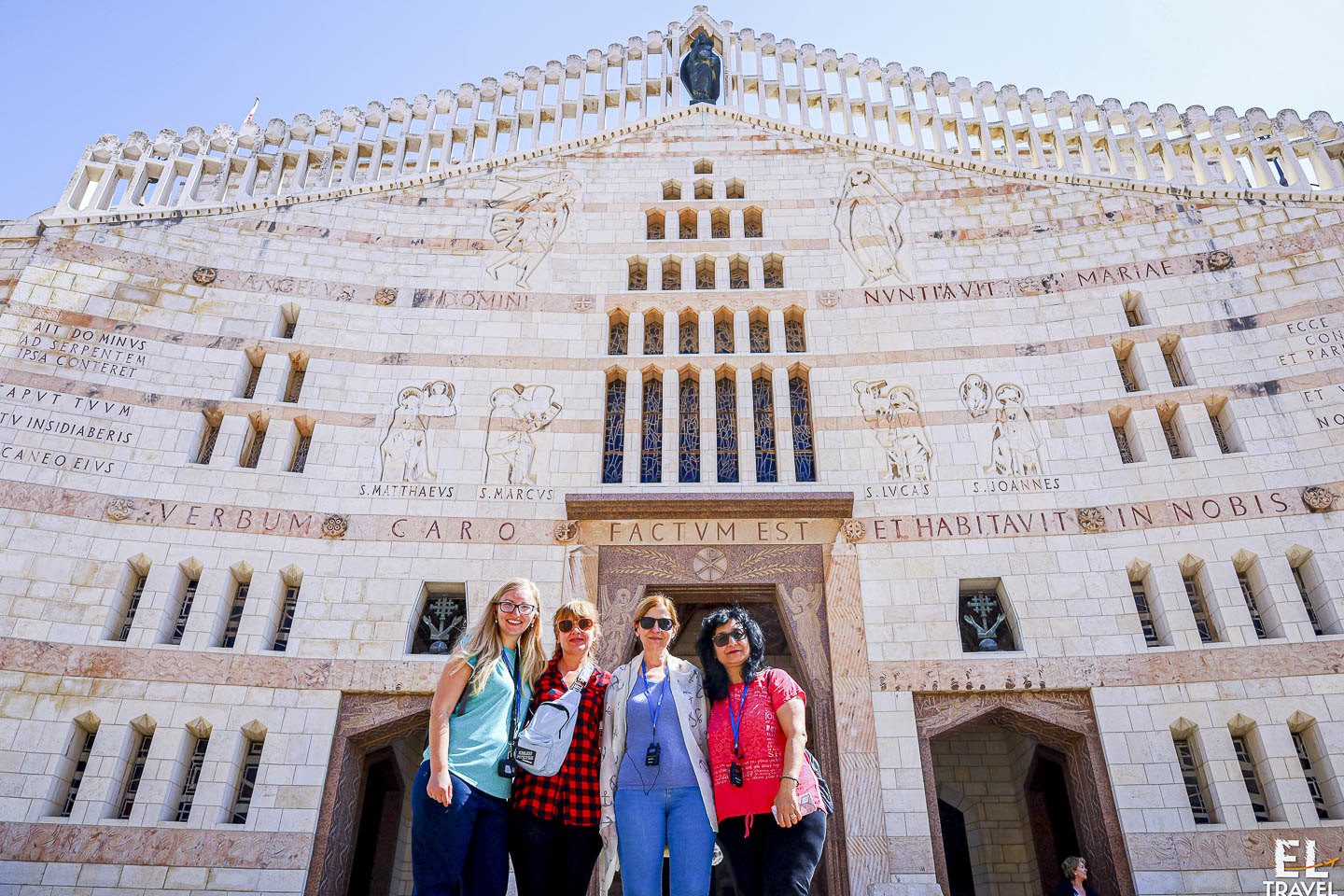
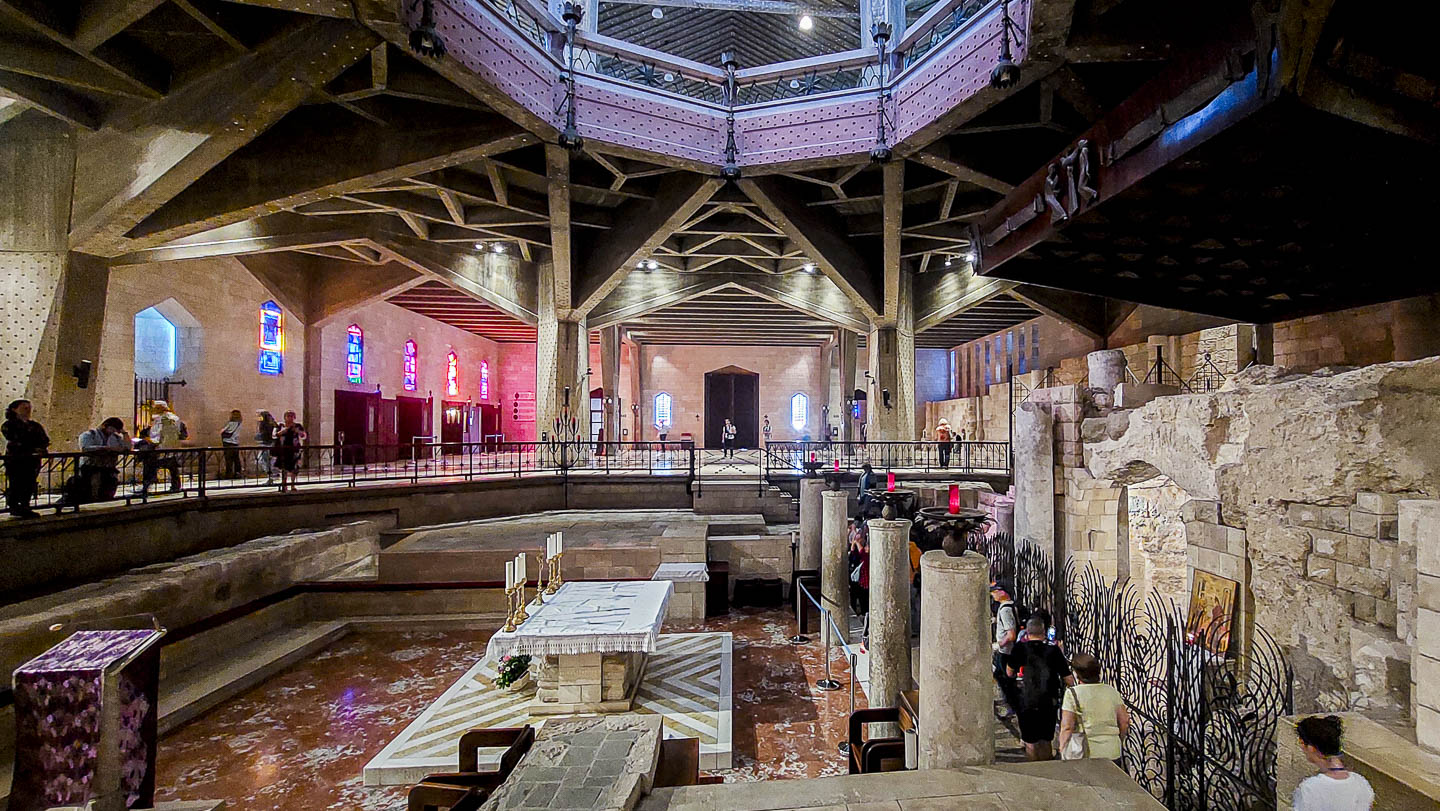
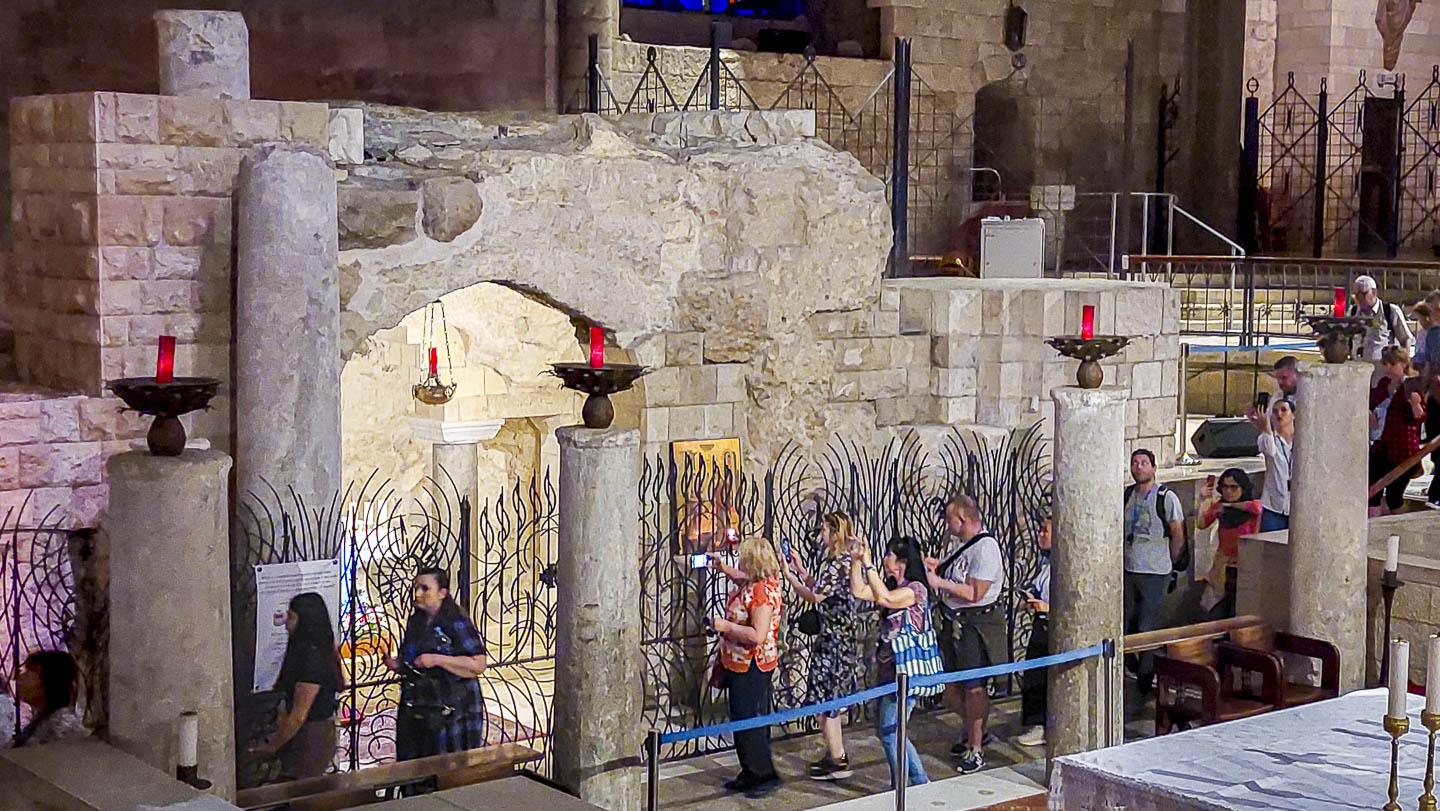
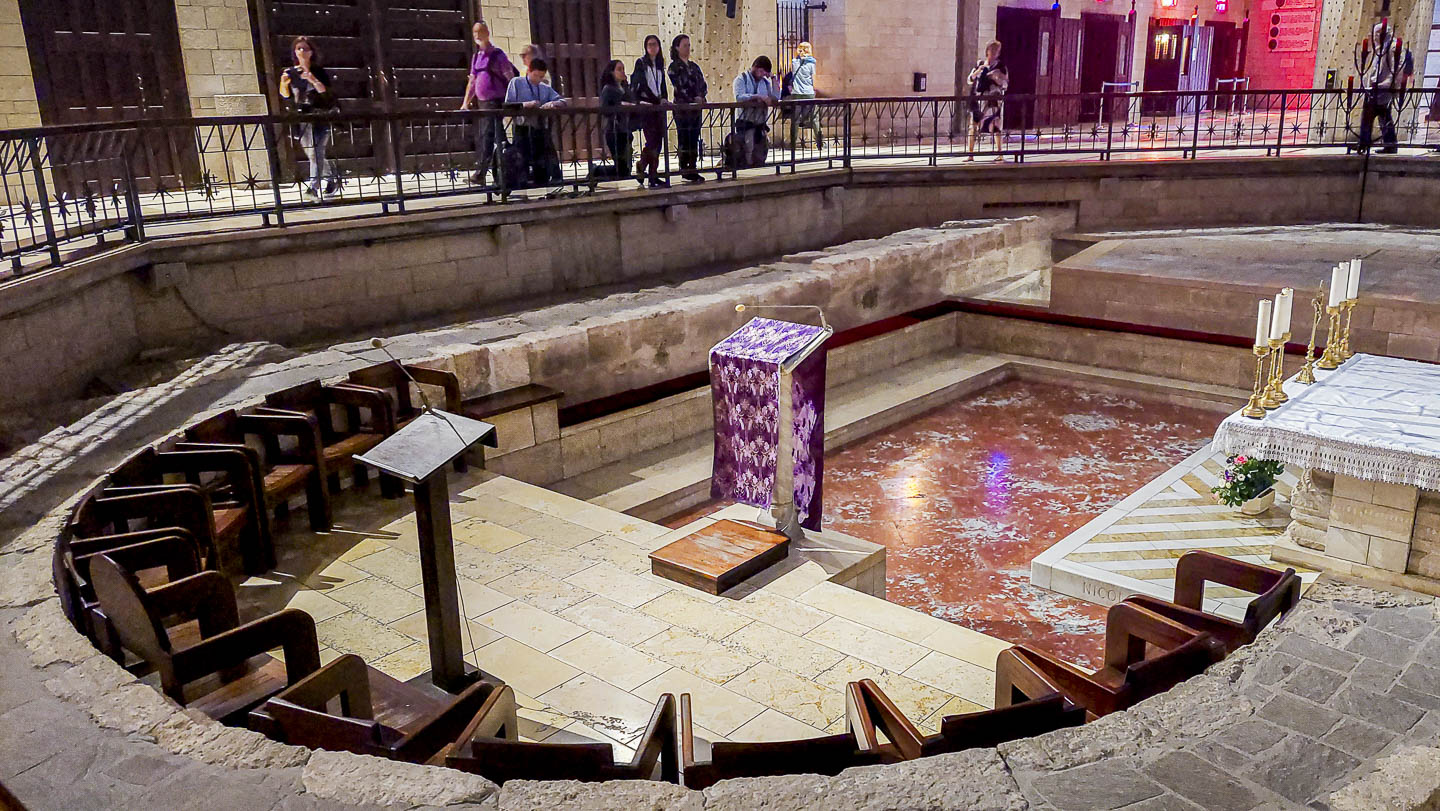
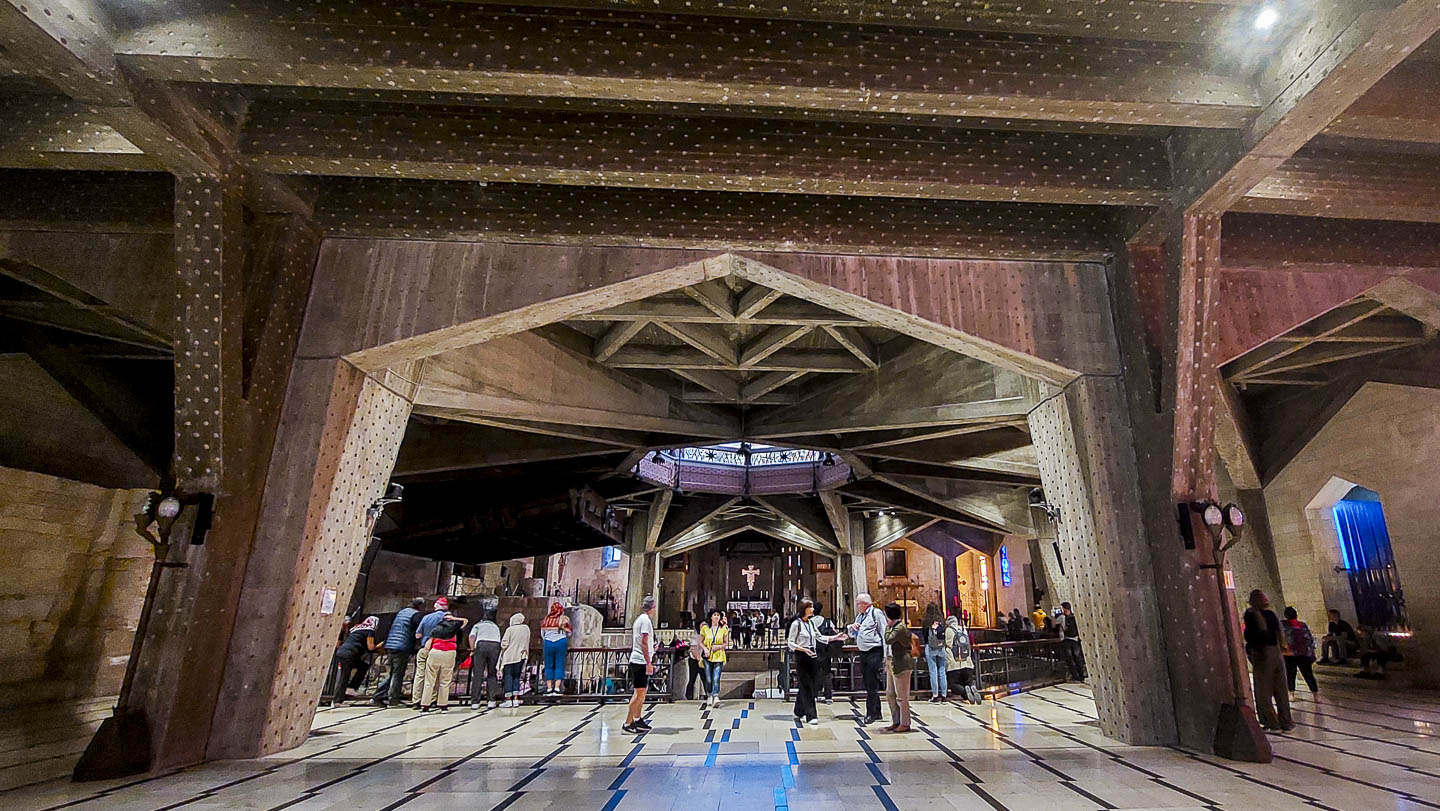
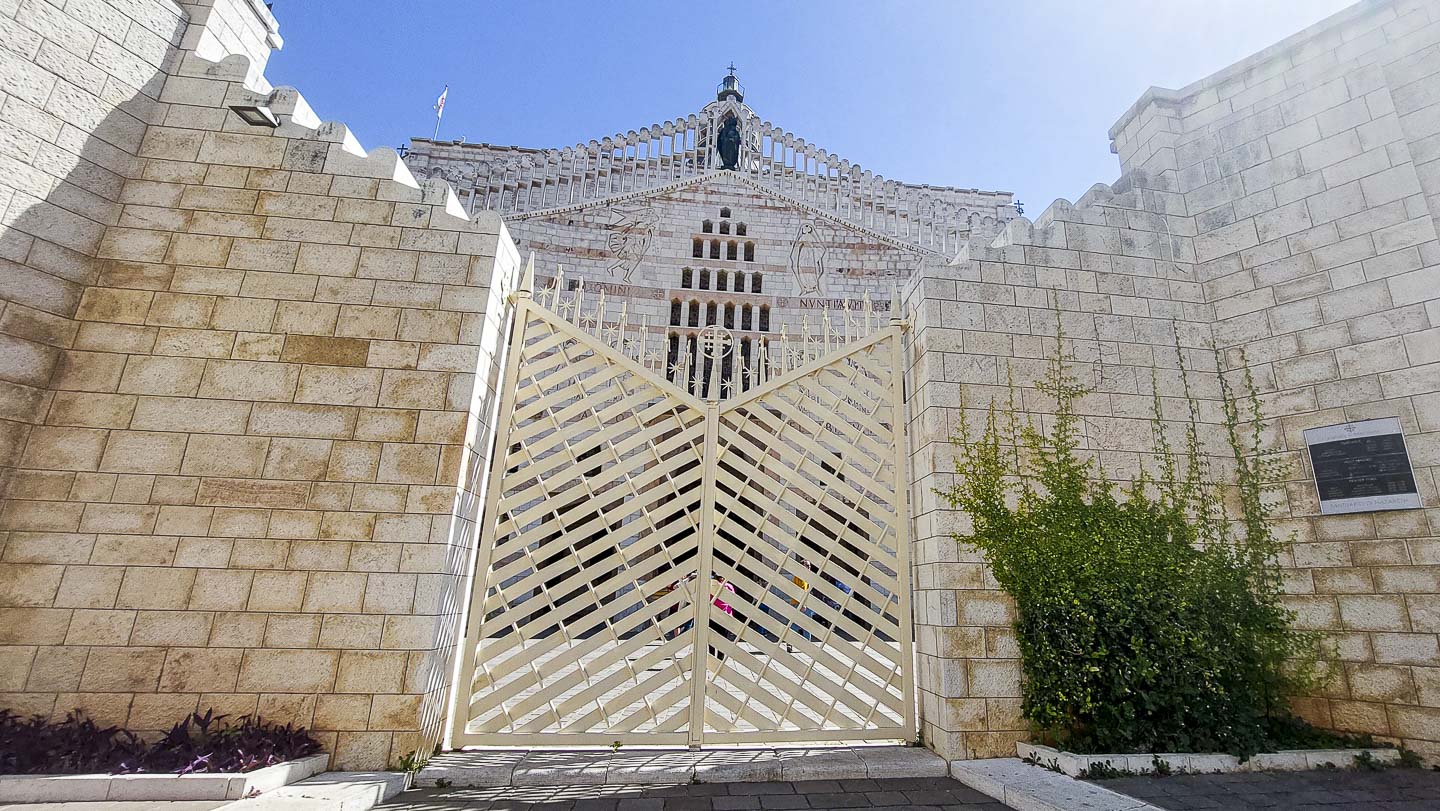
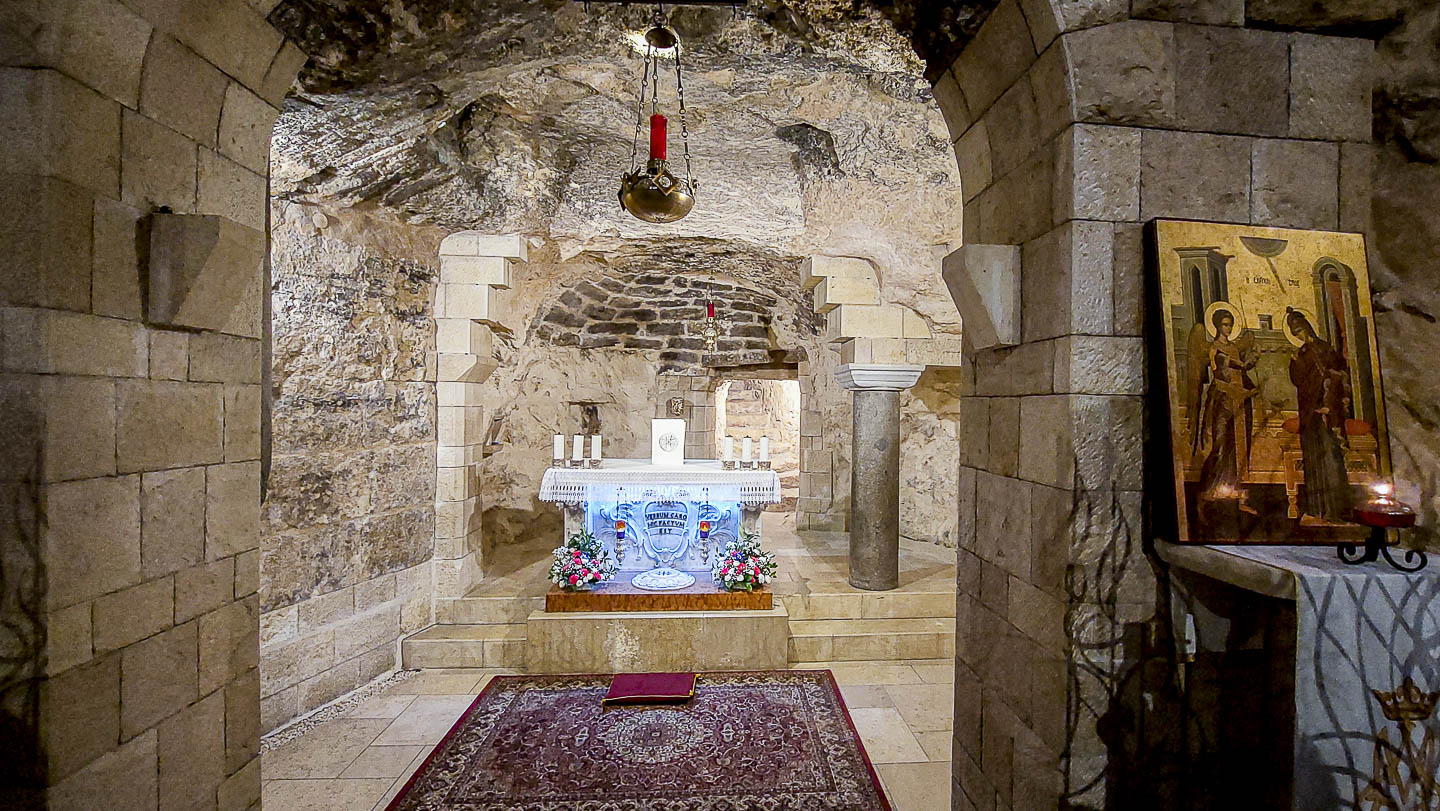
We finally arrived in Nazareth—the town where Jesus lived for most of His life. The bus pulled into the parking lot, and we set off on foot up the hill toward the church built on the site where Jesus and His earthly parents lived. Back when Jesus, Mary, and Joseph settled in Nazareth, the town was small and virtually unknown. Today it has a population of 65,000, mostly Arab Christians. I had just reached the large church with my broken leg when it was already time to leave. So, it seemed I would be racing against time that day.
I might not have been able to walk very far, but that didn't stop me from shopping. As I walked down the bustling street, I bought a white-and-pink “cashmere” scarf from a street vendor.
A slightly off-topic note, but at the same time—a very necessary one: Restrooms in Israel are free (in the Jewish-controlled areas) and require a fee (in some places in the Palestinian-controlled areas).
–> Browse and book a budget hotel in Jerusalem at a discount. Check it out HERE!
CAPERNAUM
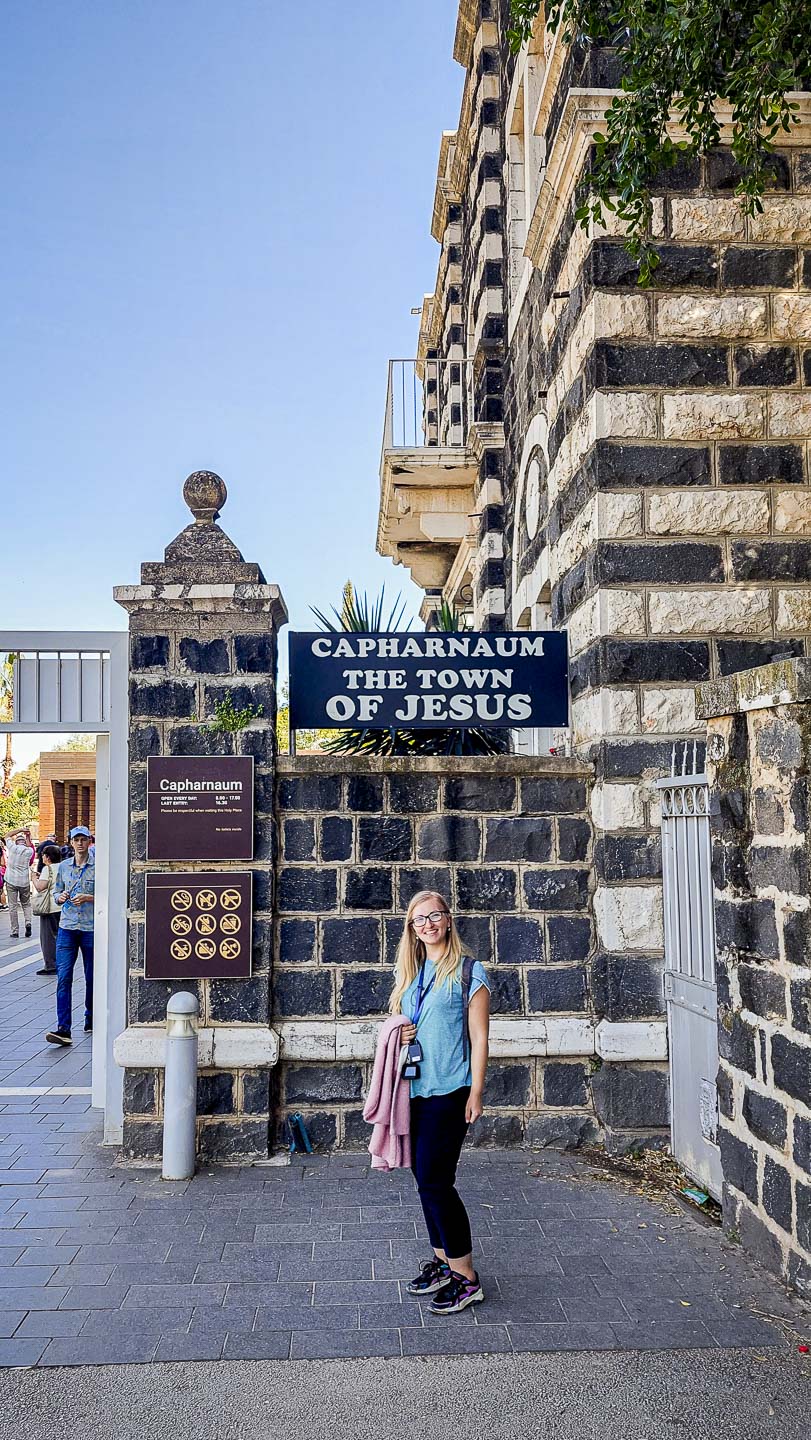
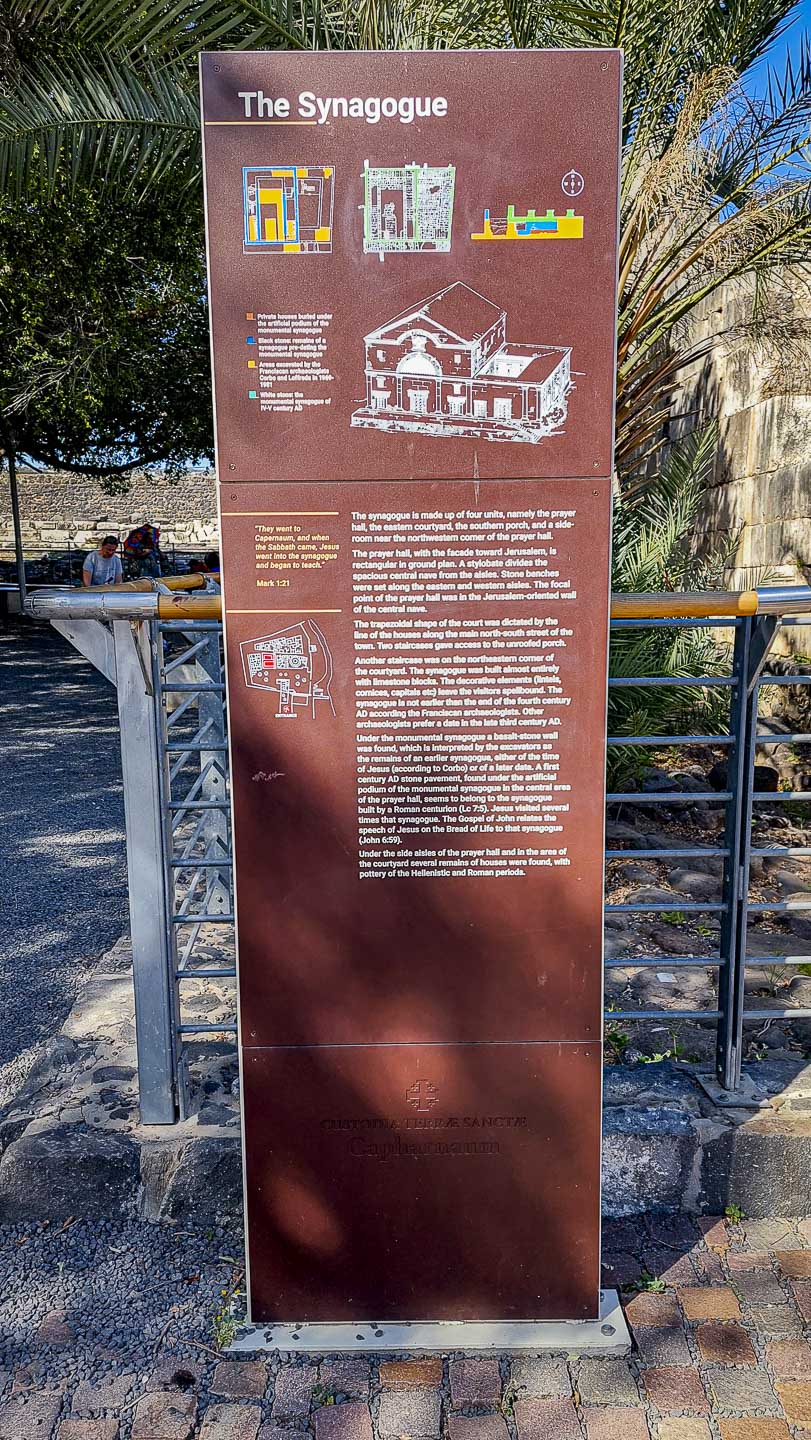
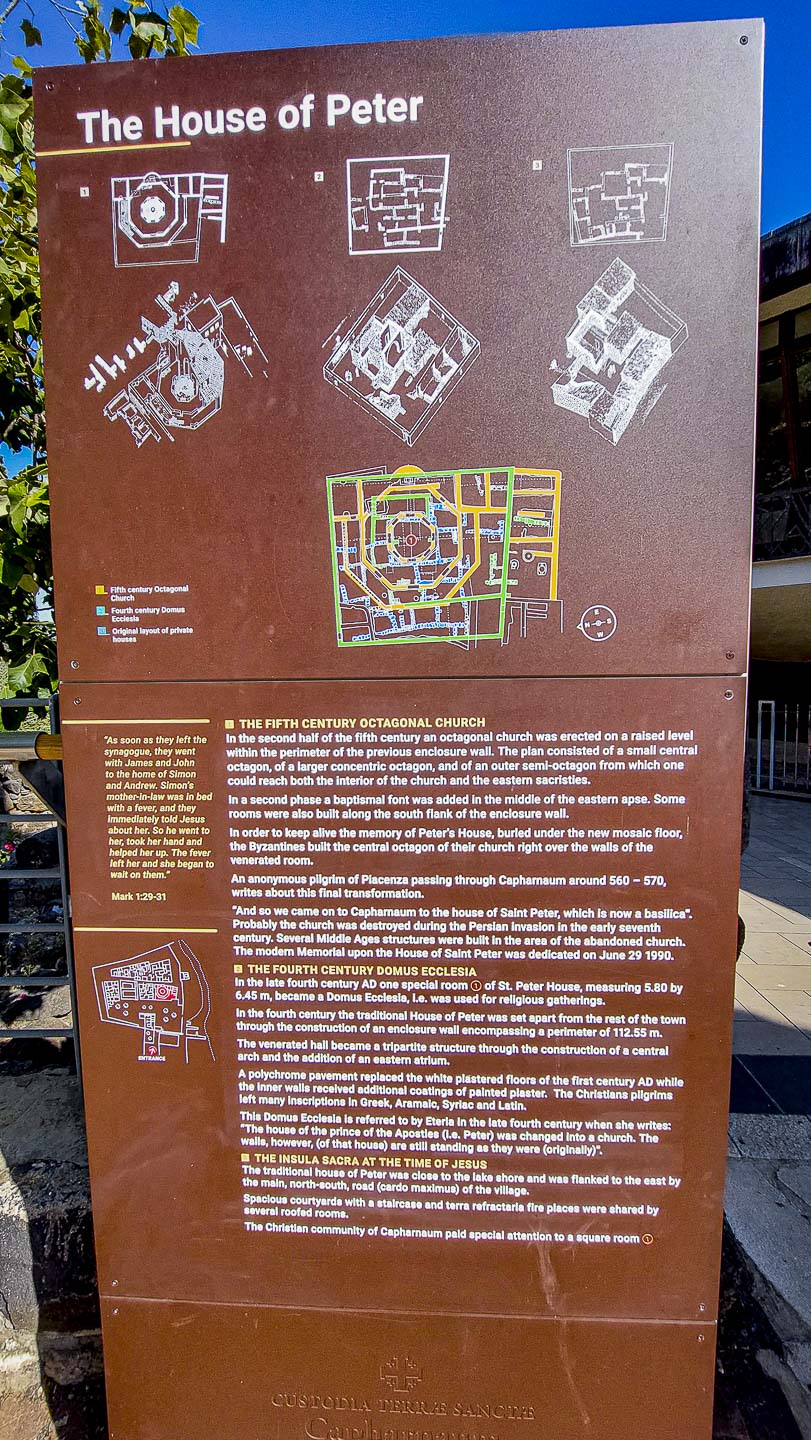
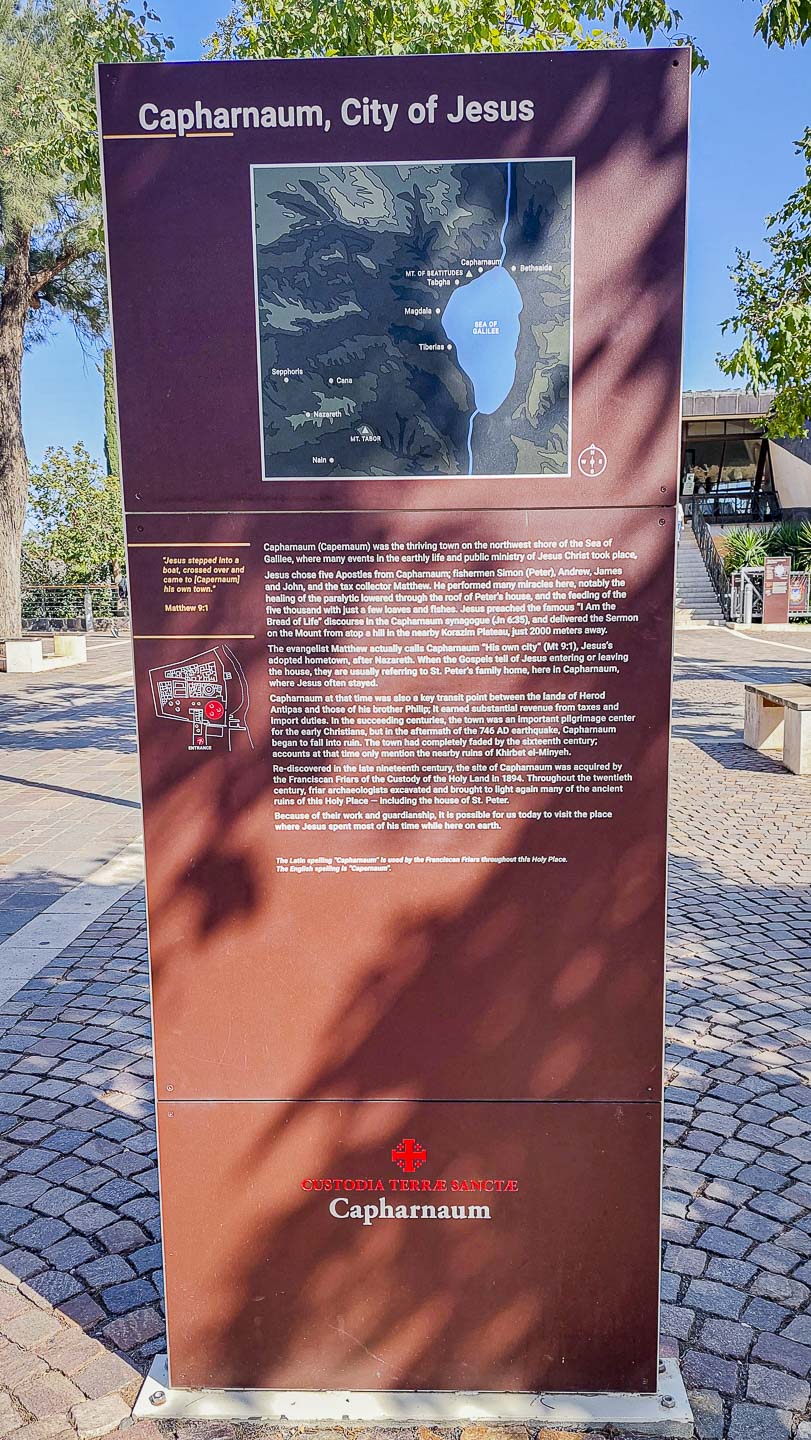
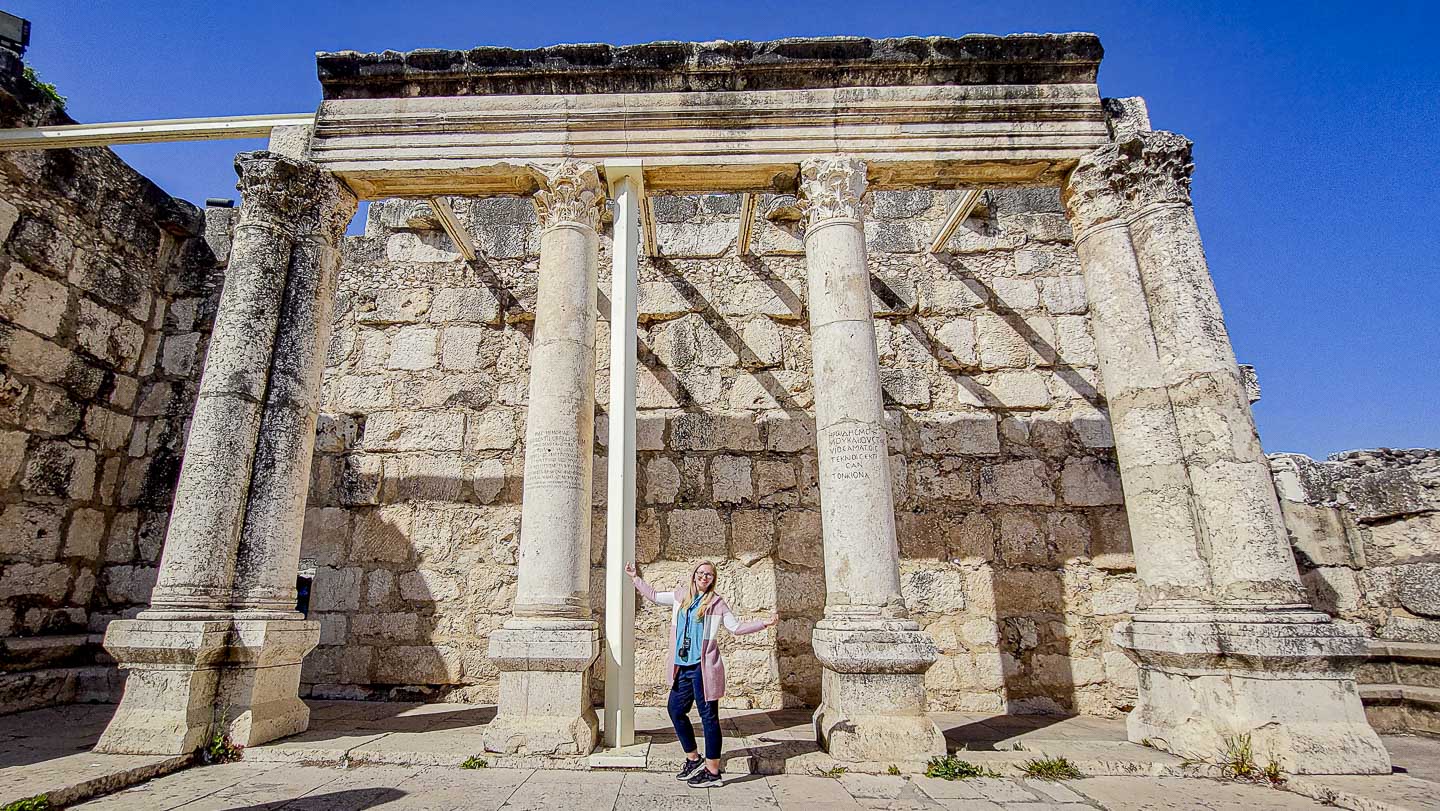
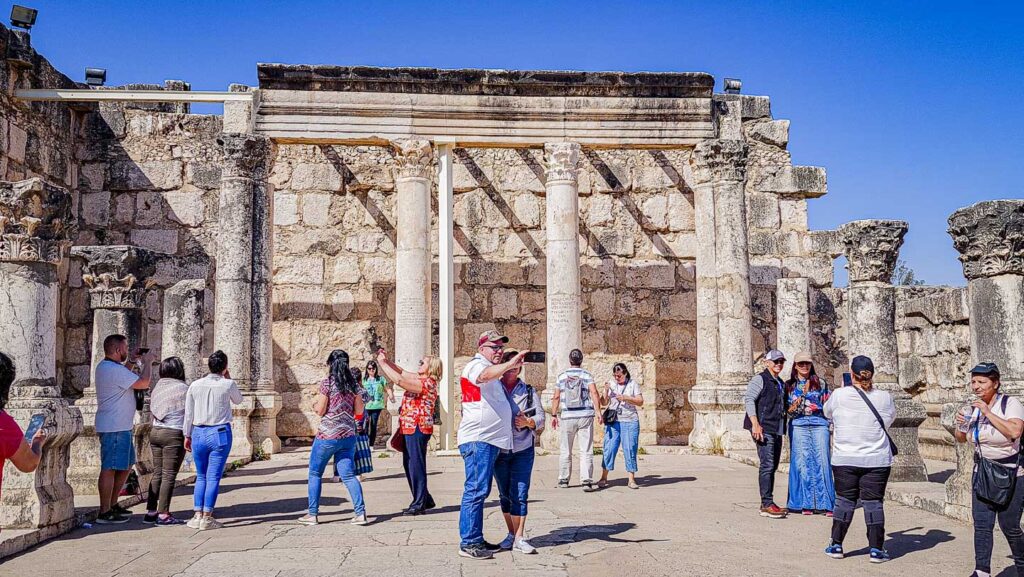
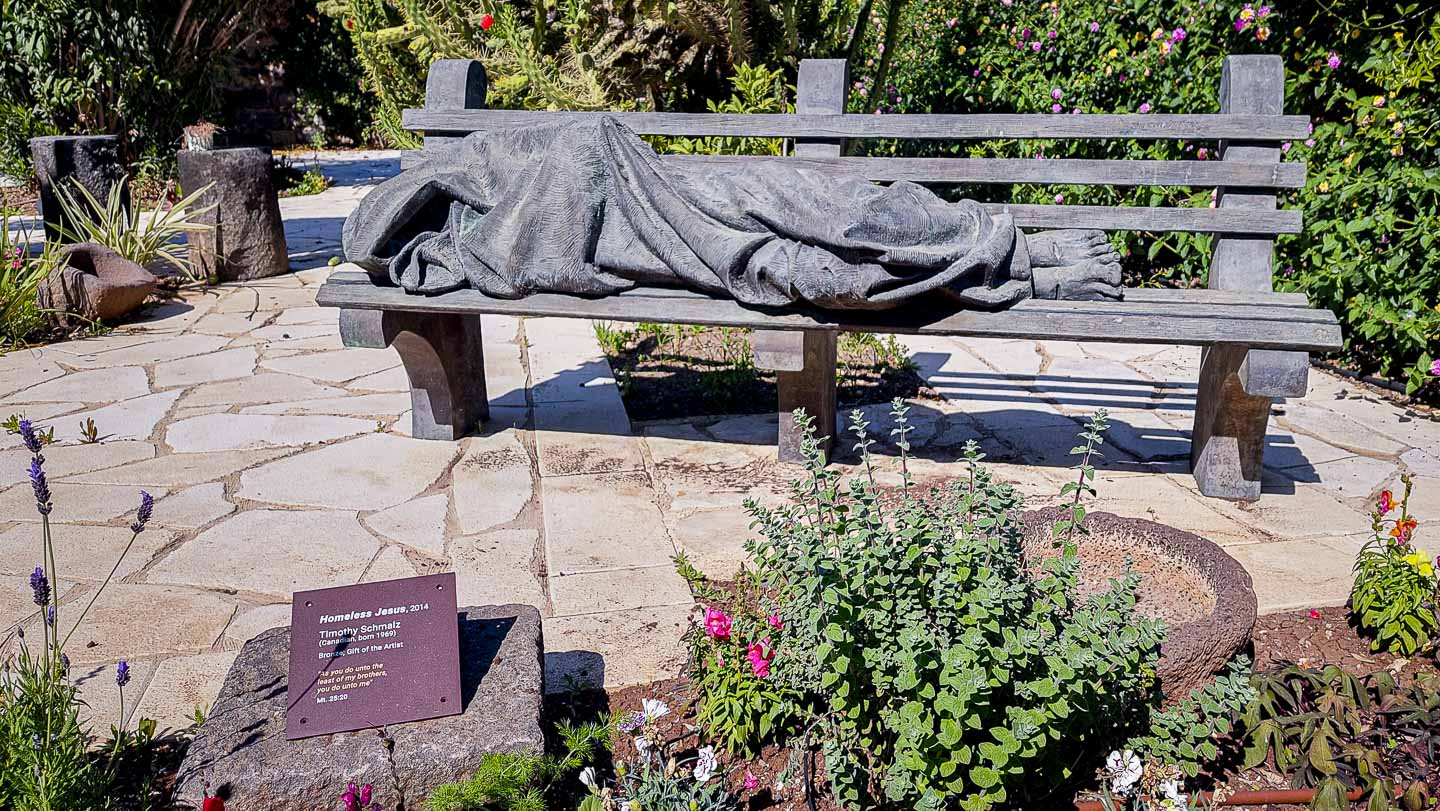
In Capernaum, we toured with great interest the synagogue that Jesus frequently visited and preached in. It’s thrilling to walk on the stone slabs that Jesus once walked on. The feeling is indescribable! It was likely in this synagogue that Jesus spoke some of his most scathing words against the Pharisees and Sadducees of that time. Nearby is also the home of the brothers Peter and Andrew, two of the 12 apostles.

LAKE GALILEE
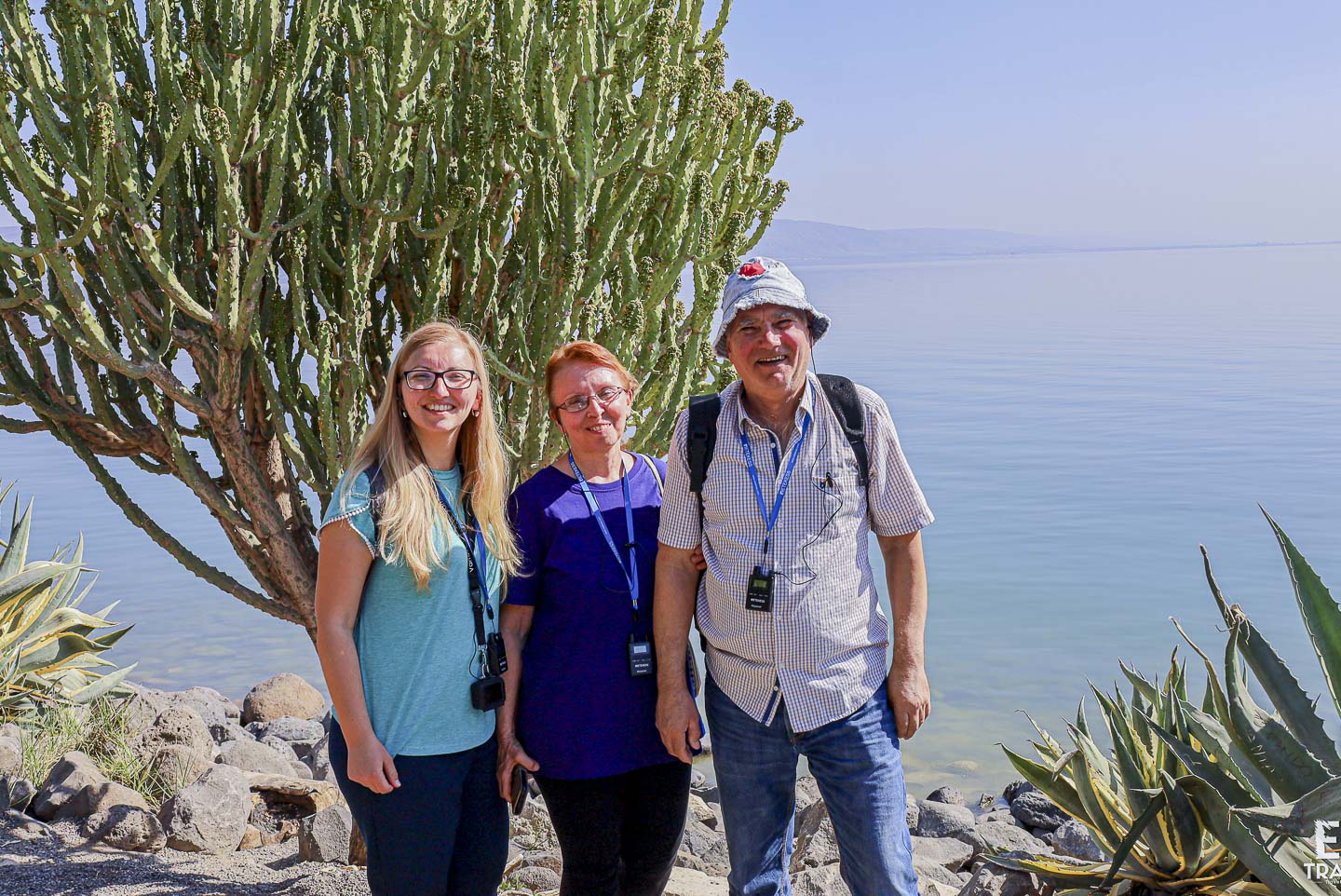
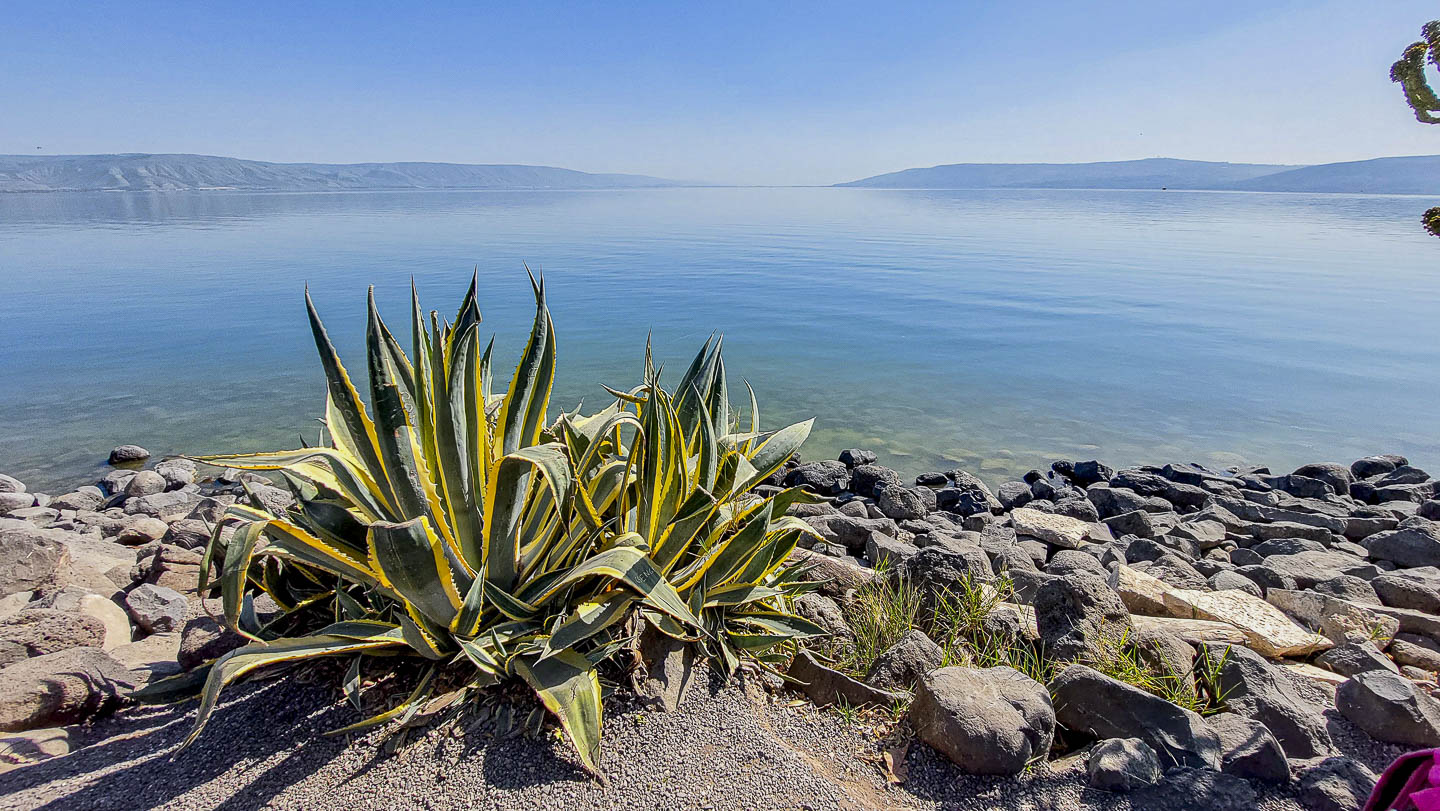
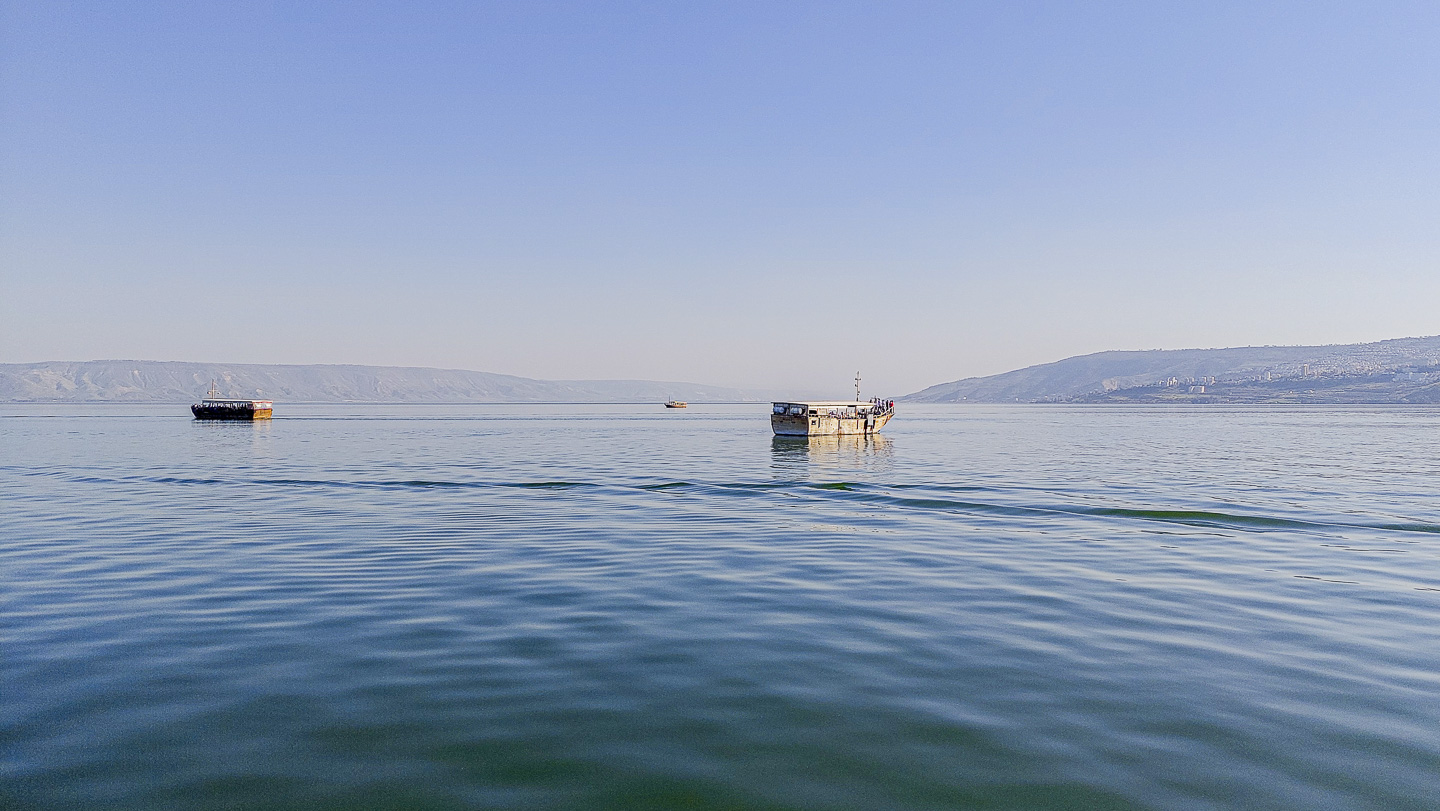
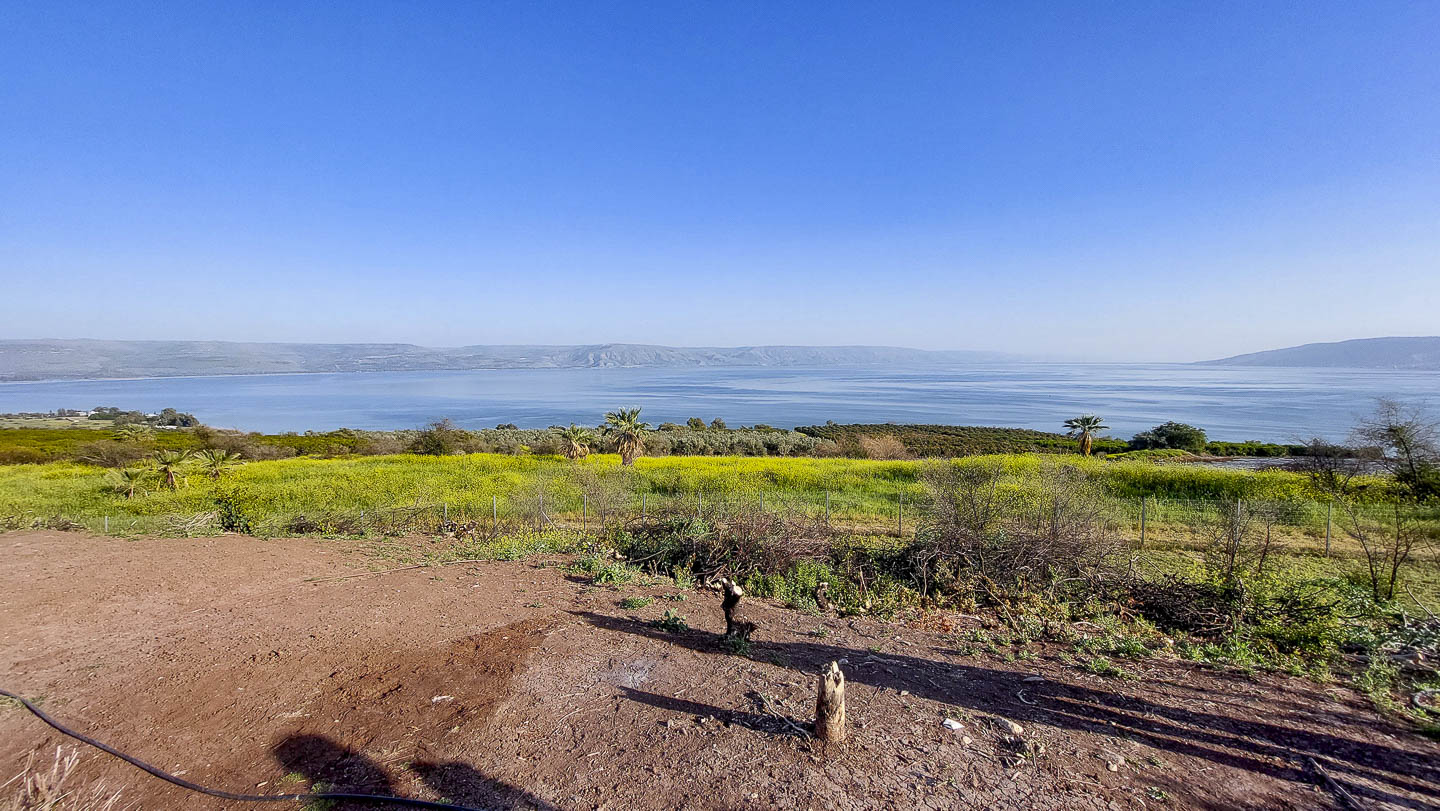
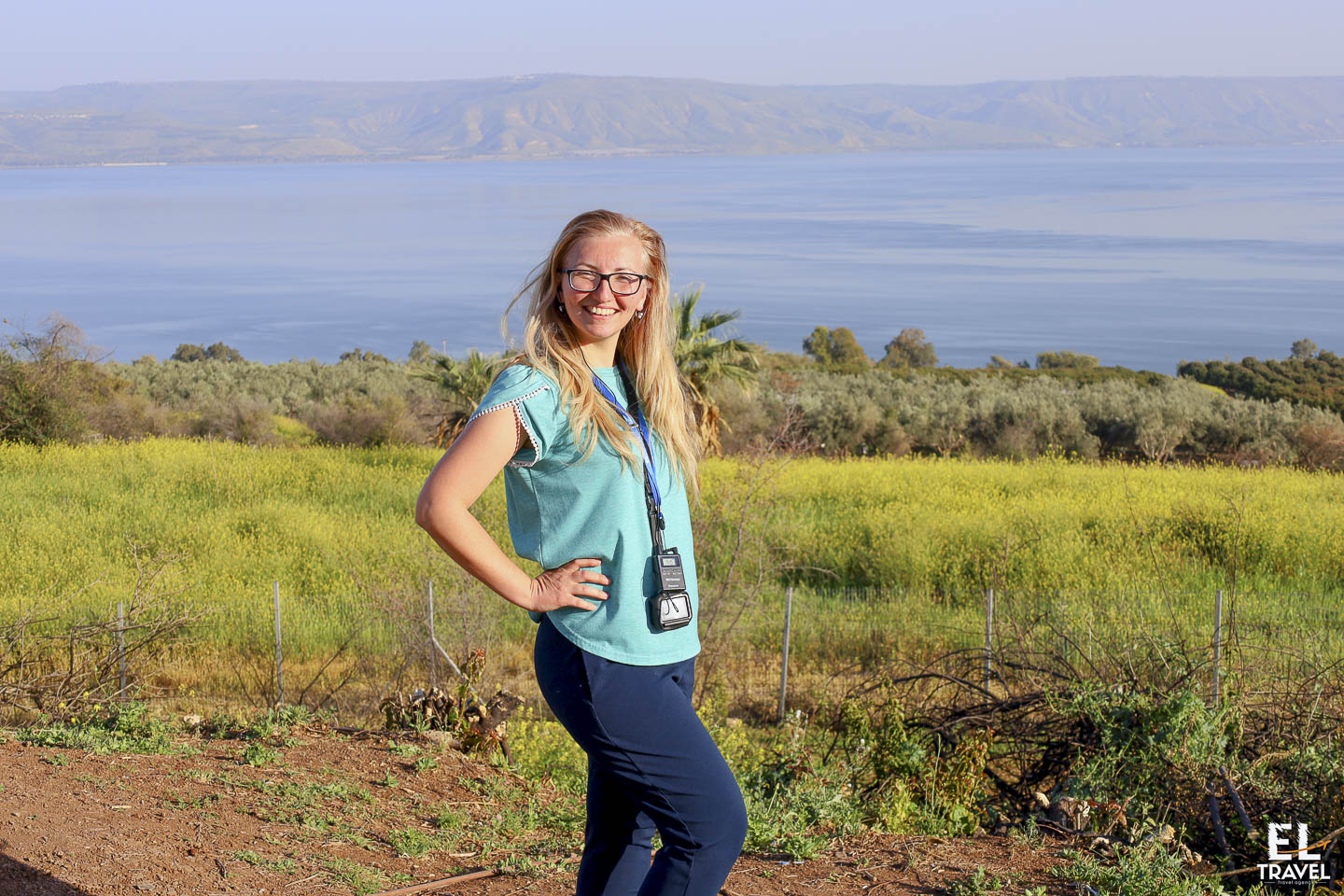
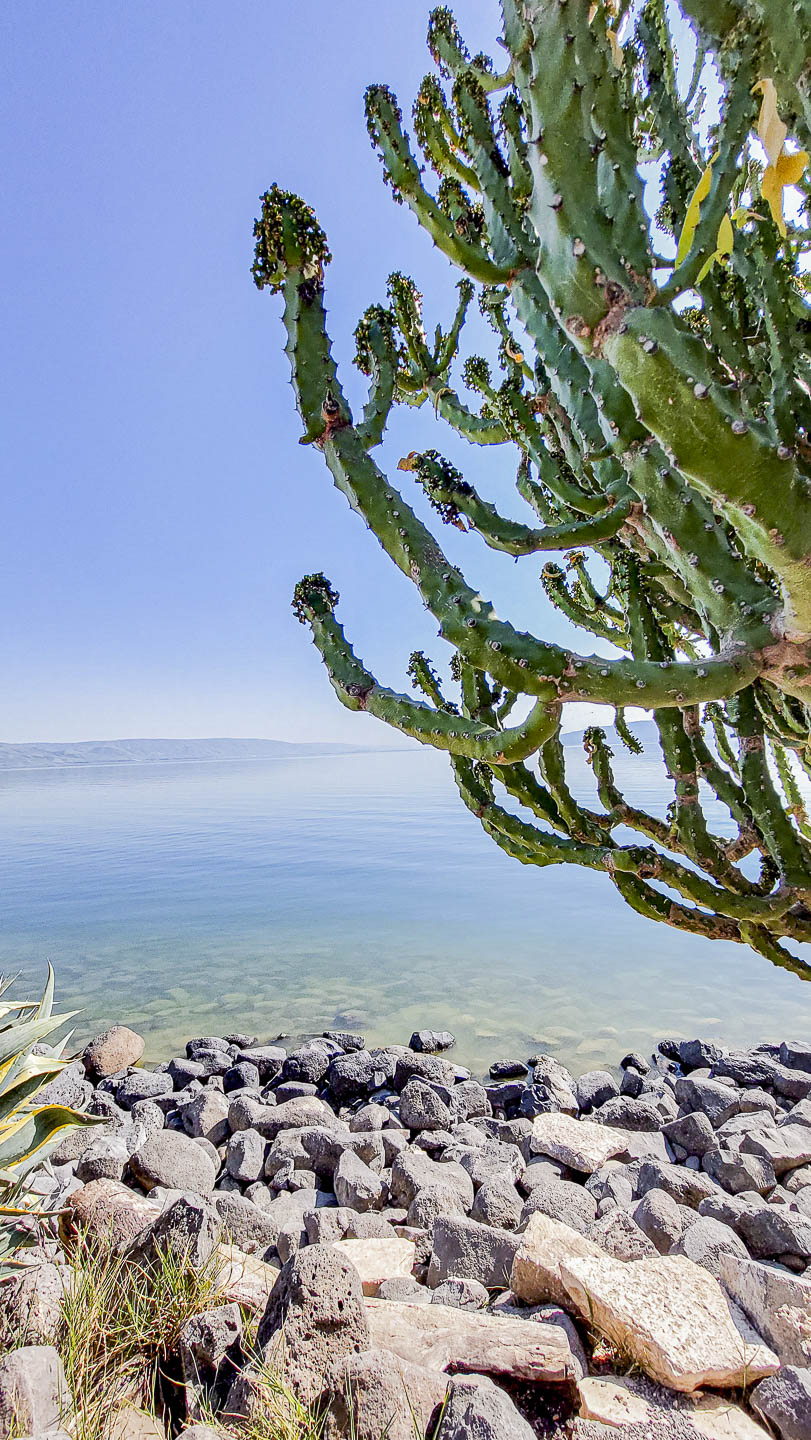
The Sea of Galilee is also known as the Sea of Gennesaret and the Sea of Tiberias. It measures 21 by 13 km, lies 209 meters below sea level, and is located entirely within Israeli territory in the Galilee region, although a very narrow strip of land lies on the Jordanian side. The lake seemed to be asleep, with no waves at all; the weather was calm, peaceful, and warm. But sometimes storms occur here, caused by cold air masses that “plunge” directly into the lake and whip up high waves. The lake’s water is used to irrigate gardens throughout Israel and is the main source of drinking water after filtration.
The area around the Sea of Galilee is very fertile and green. Vineyards, olive groves, banana plantations, and other crops are grown everywhere.
What is the Galilean lake known for?
- This is the place where Jesus walked on water;
- The place where He performed the miracle of the bountiful catch of fish, even though the fishermen had caught nothing all night long;
- The lake is a place for preaching to hundreds, and perhaps even thousands, of people eager to hear the good news of salvation.
- A place where Jesus calmed the raging storm on the lake with a single word.
- Lake Galilee is a place of wonders;

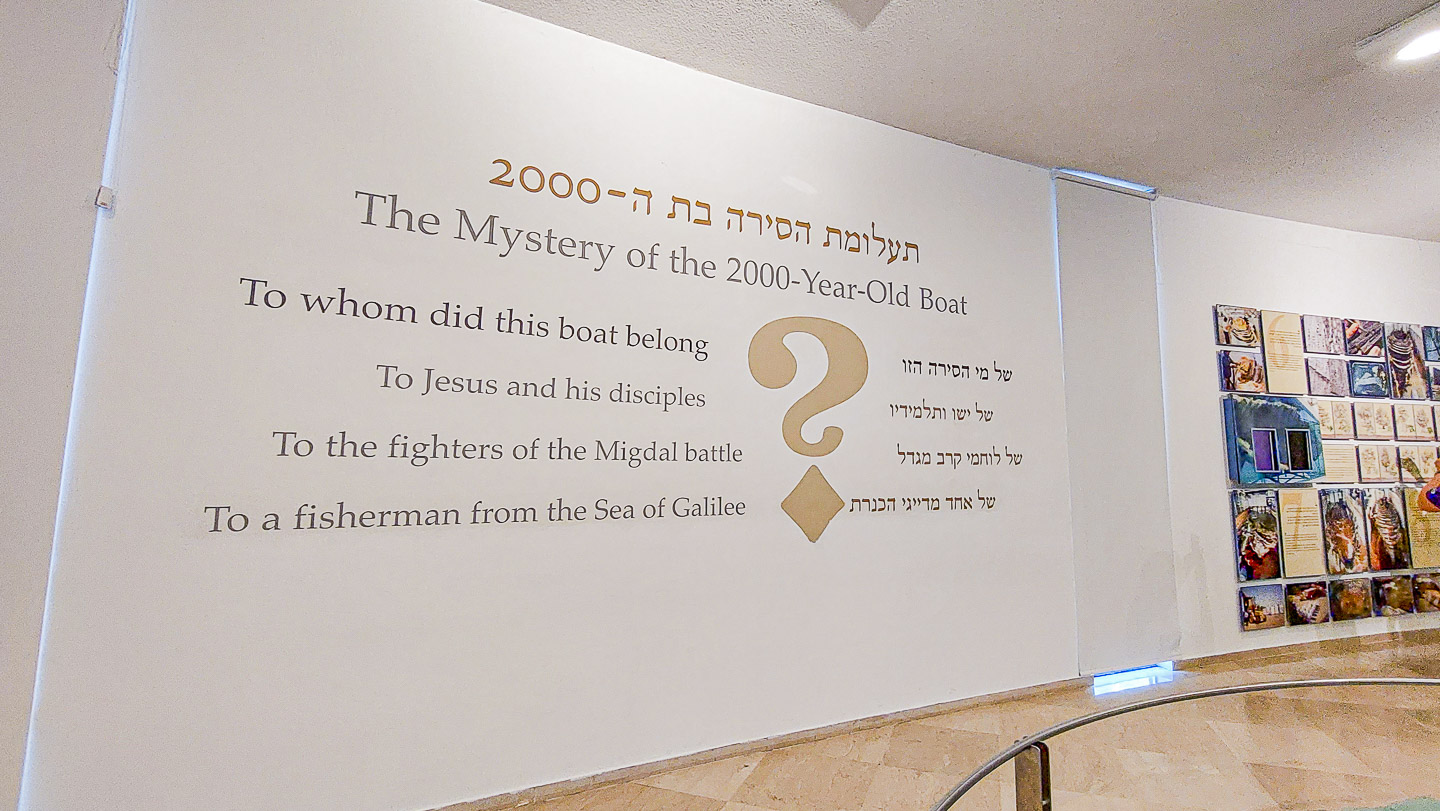
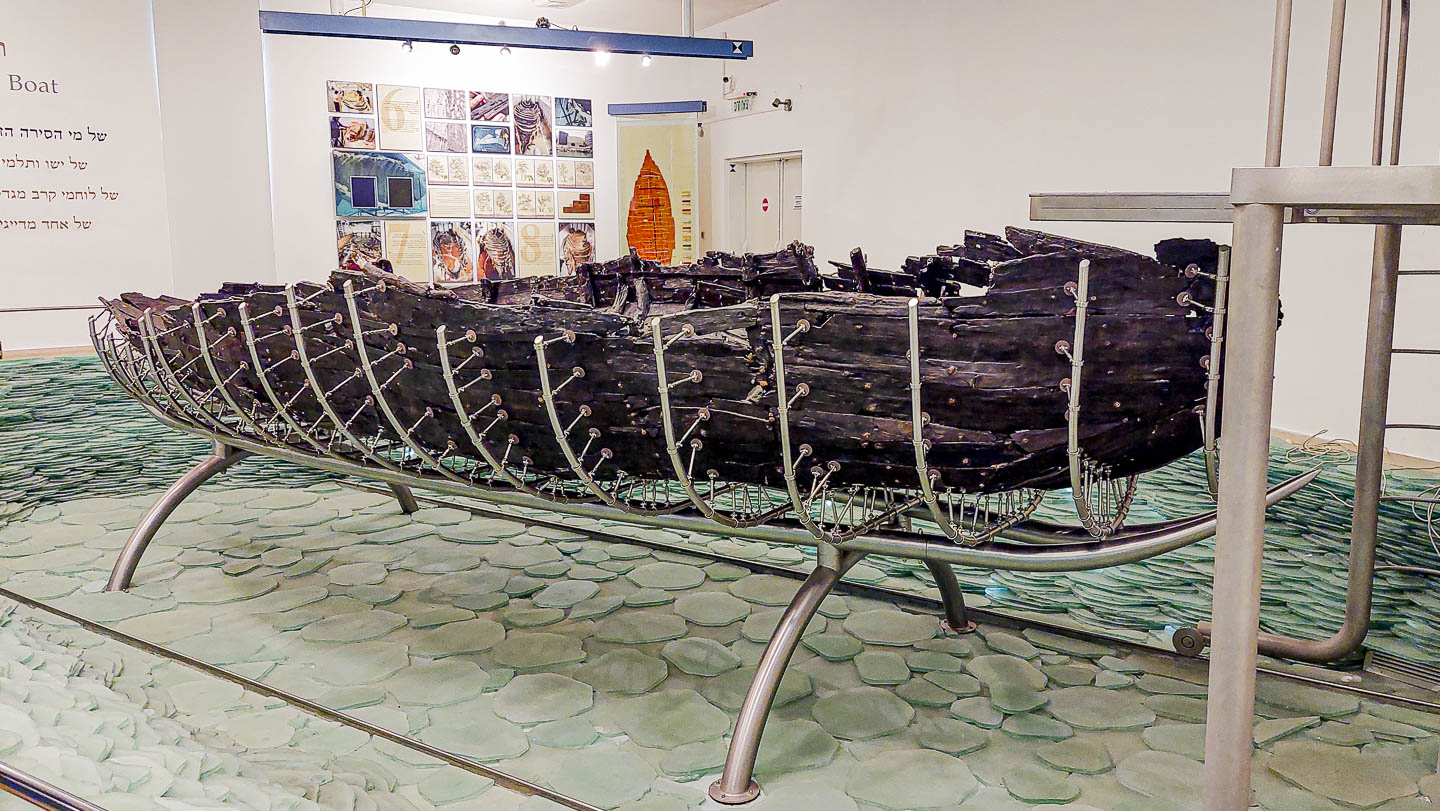
Boat ride
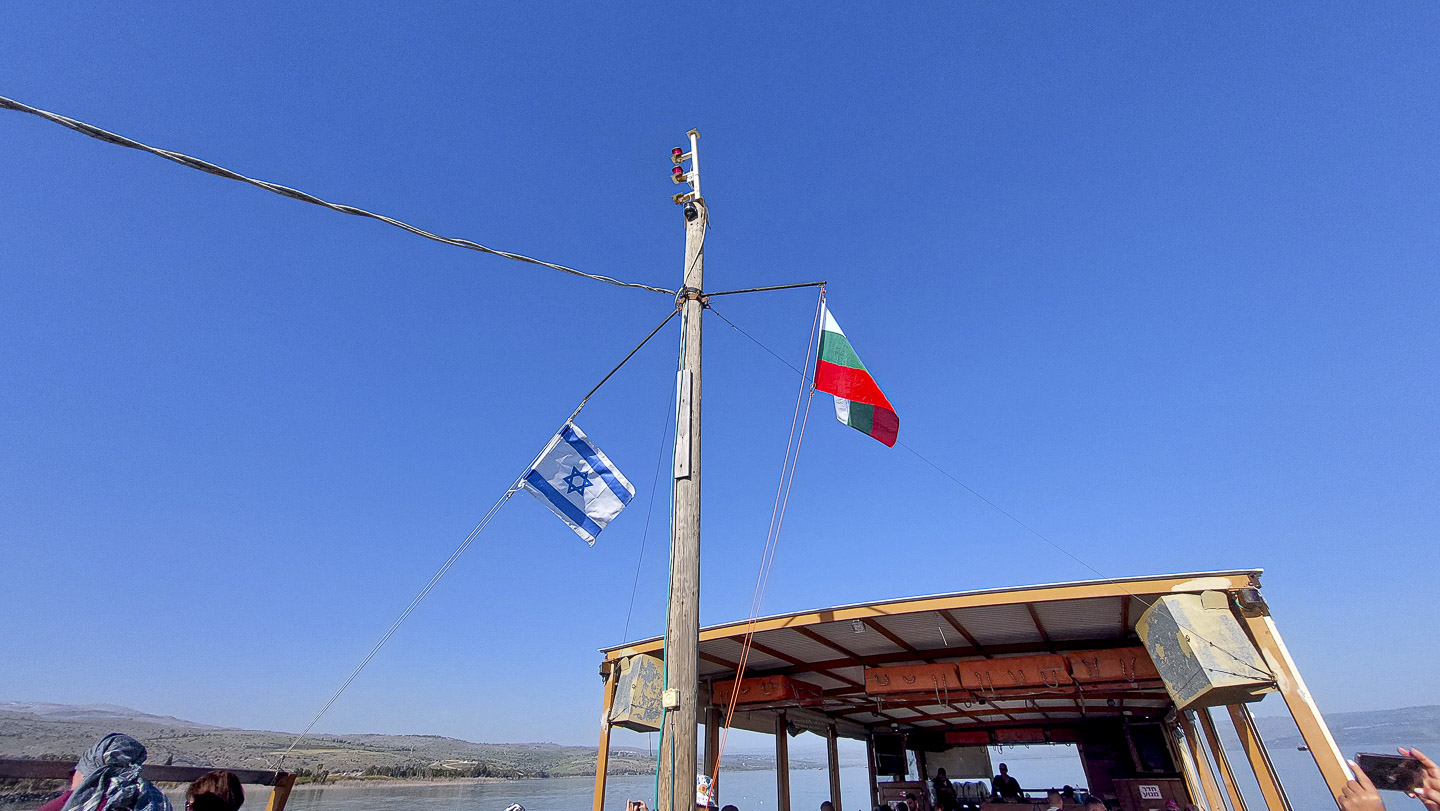
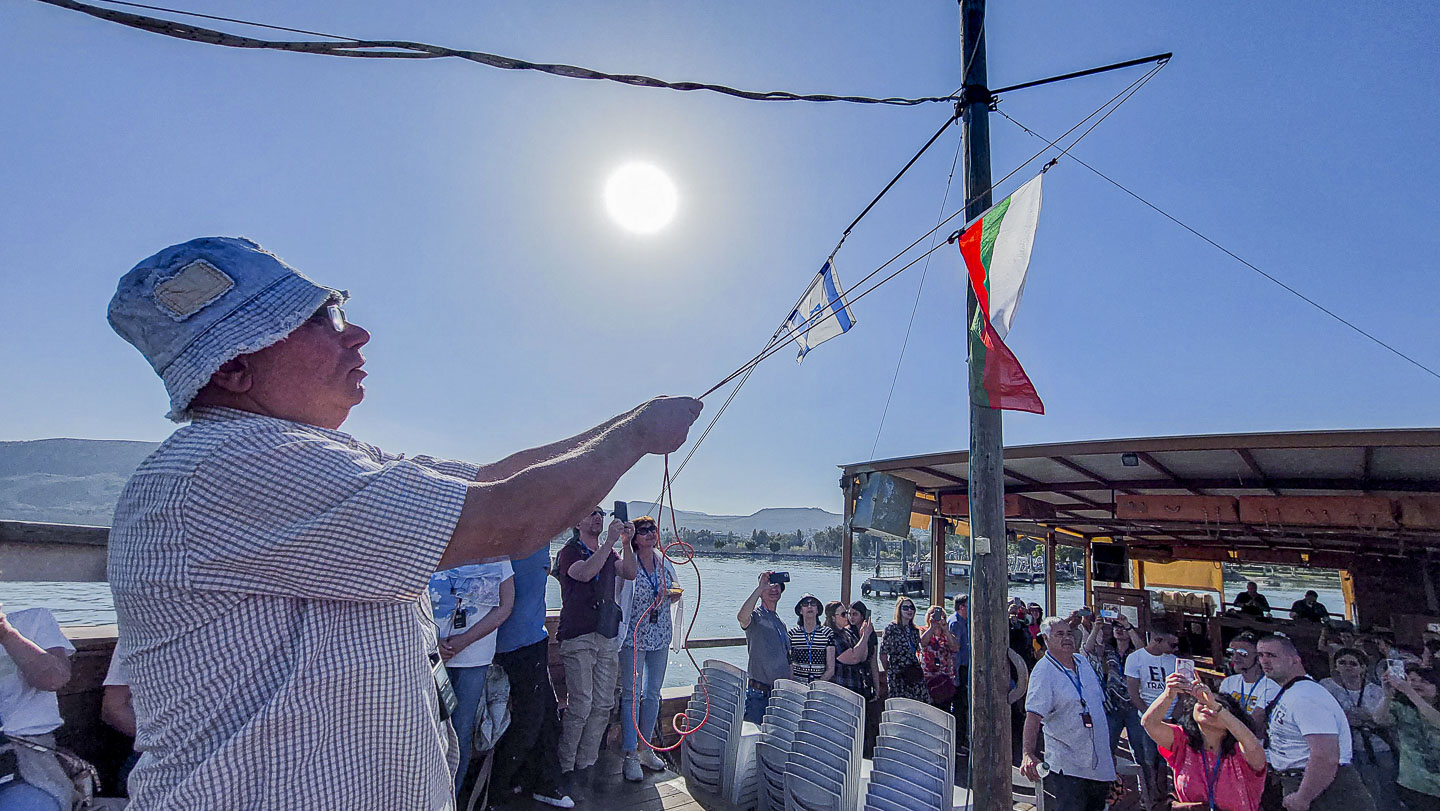
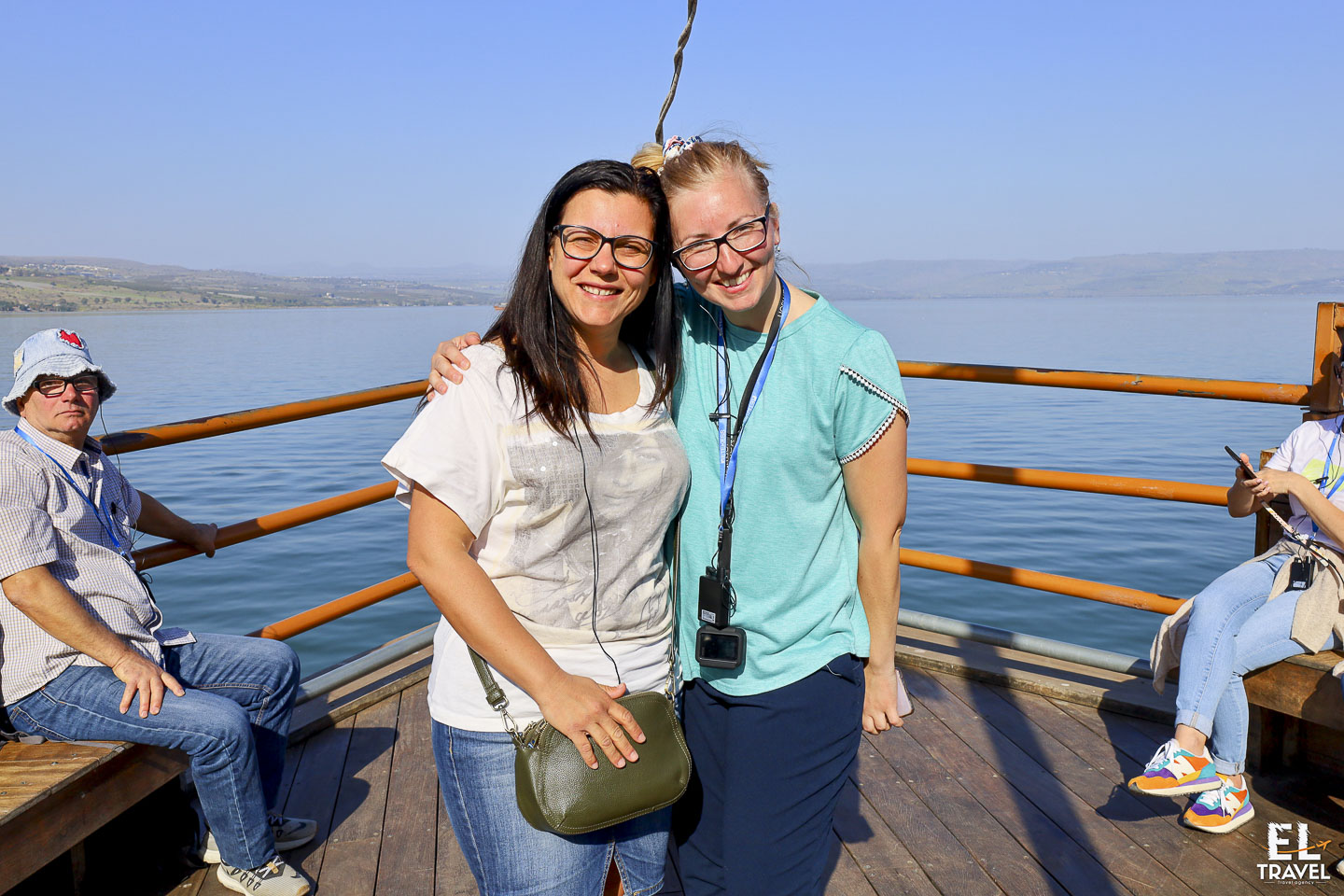
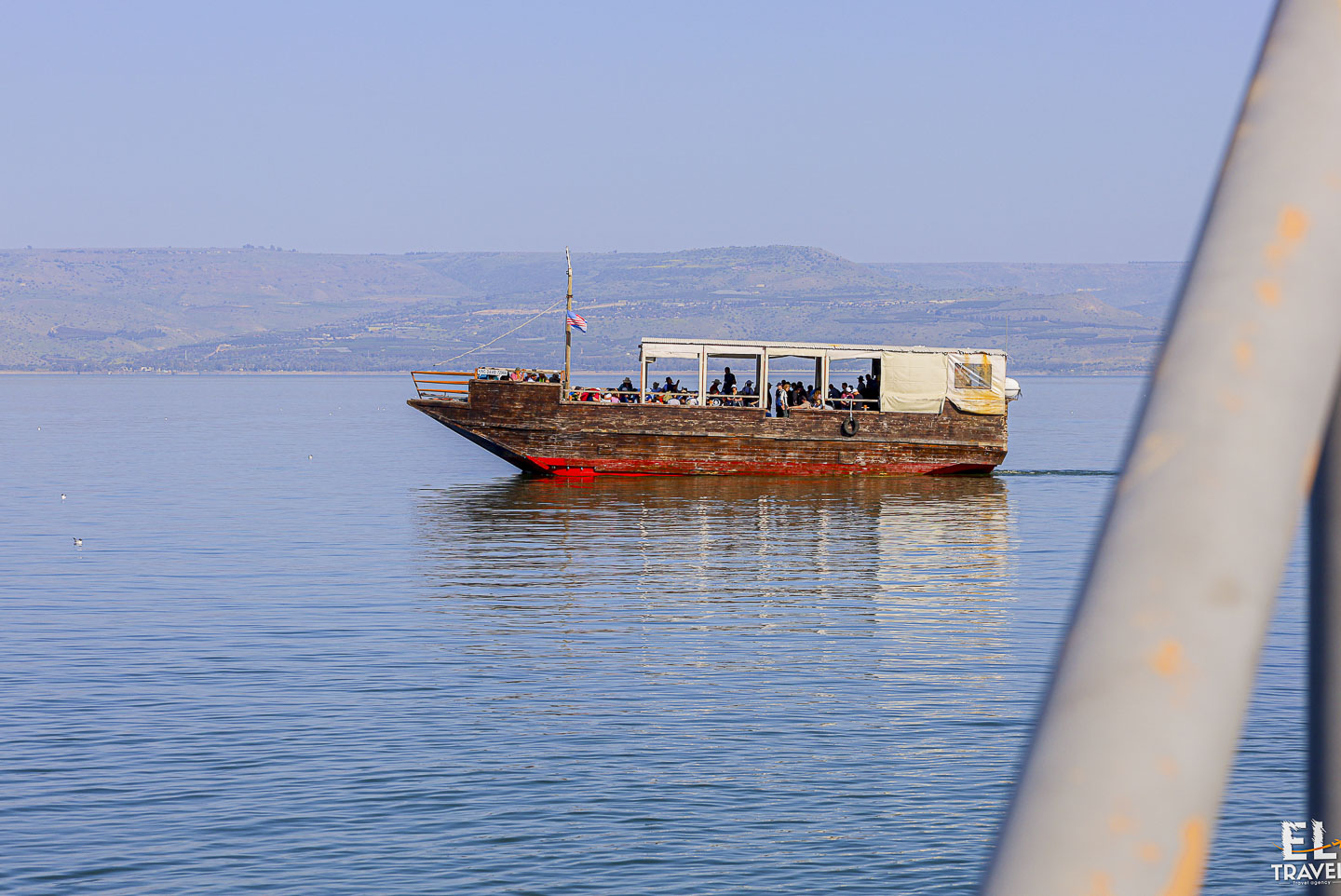
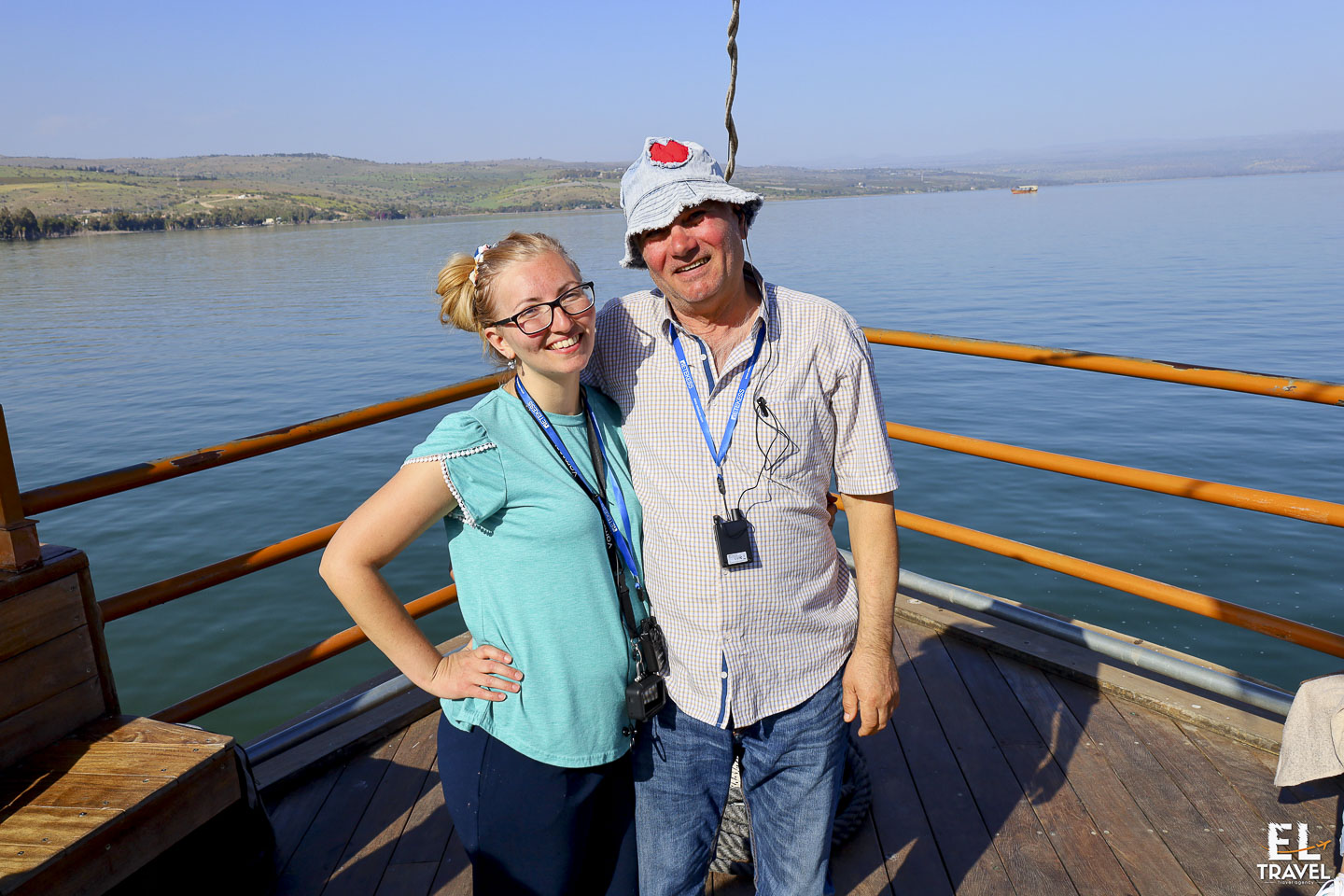
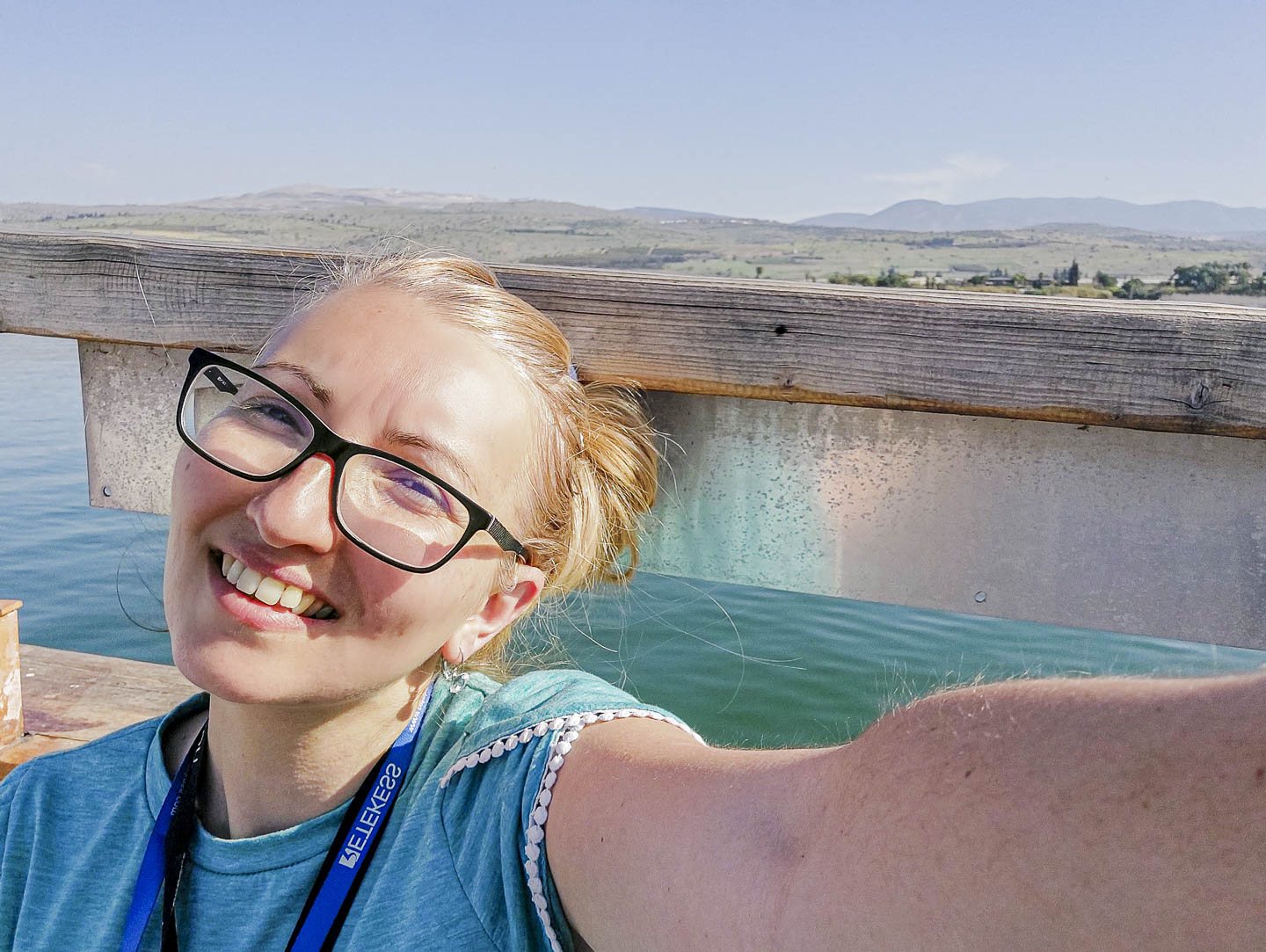
The boat tour dock on the Sea of Galilee is located in the small town of Ginosar. The ride on a wooden boat was something for which almost the entire group paid an additional fee of $15 per person. The ride lasted about half an hour and was very pleasant, given how calm the lake was. Once again, a vendor was walking around on board selling various souvenirs, but there was also music playing. We started with the Bulgarian national anthem, during which my father raised the Bulgarian flag to the top of the mast. We then continued with lively Jewish folk dances and finally concluded with the Bulgarian song “White Rose.”
If you also want to get back a portion of what you spent on hotels, flights, or products, register at this link HERE and every new user receives up to a $10 bonus in their account.
THE MOUNTAIN OF BLESSINGS
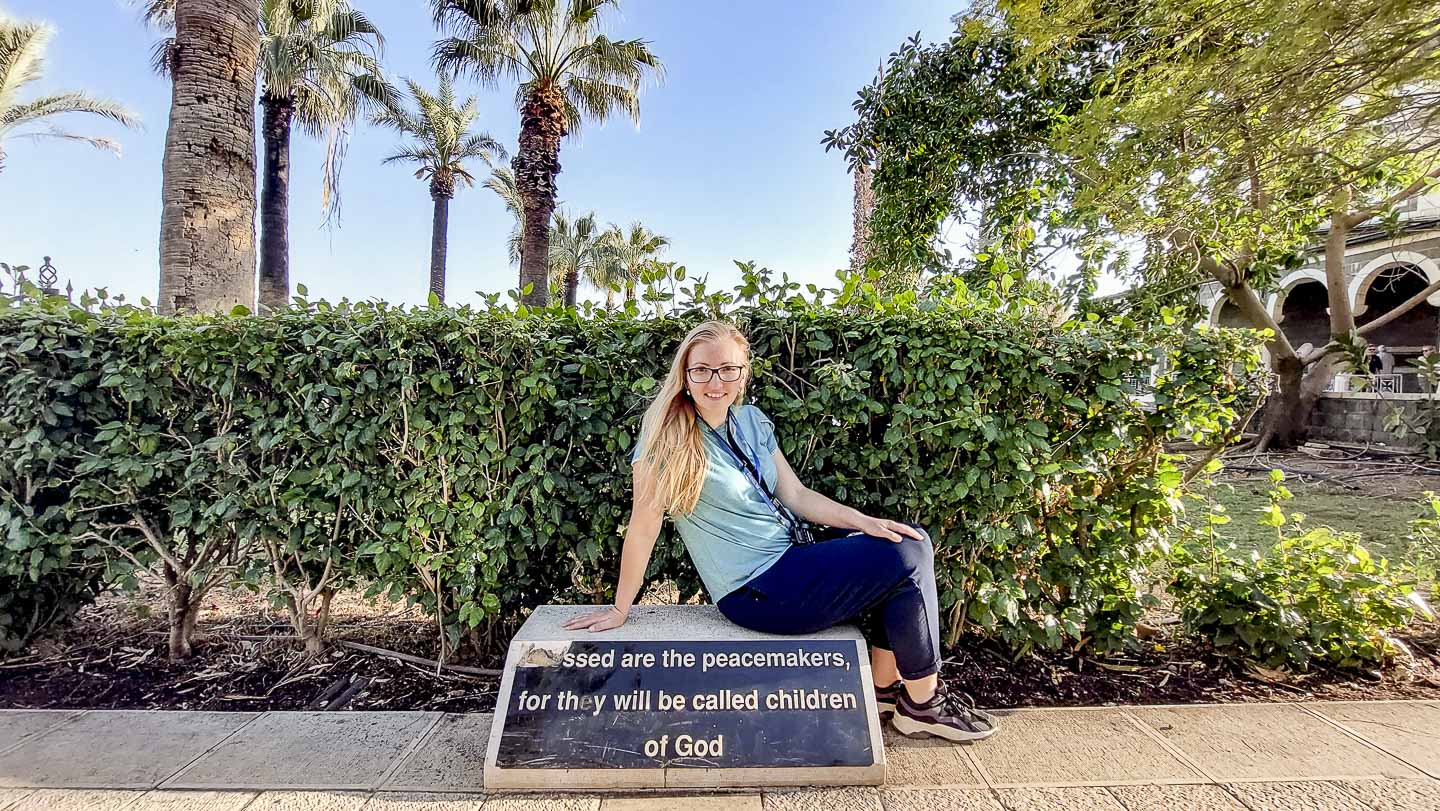
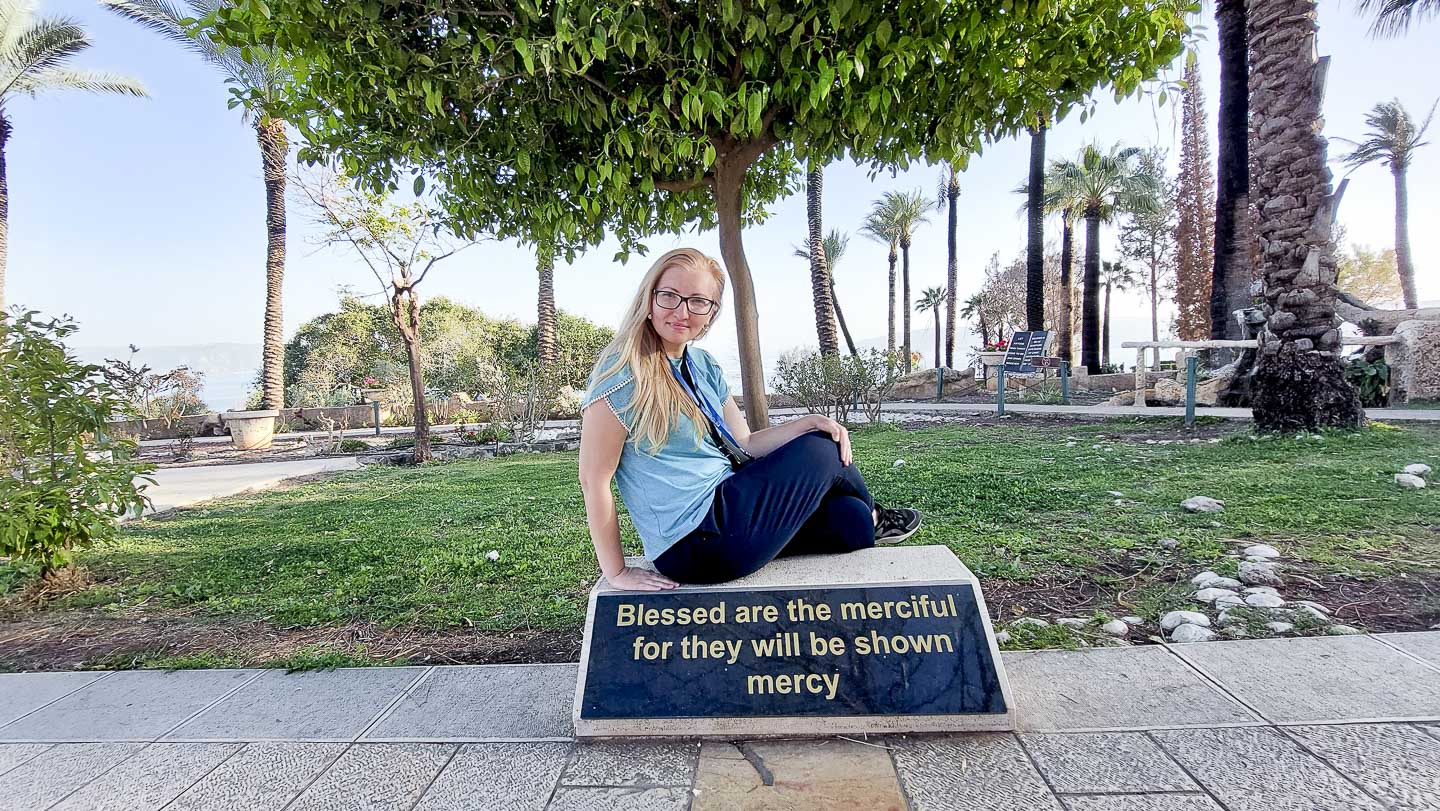
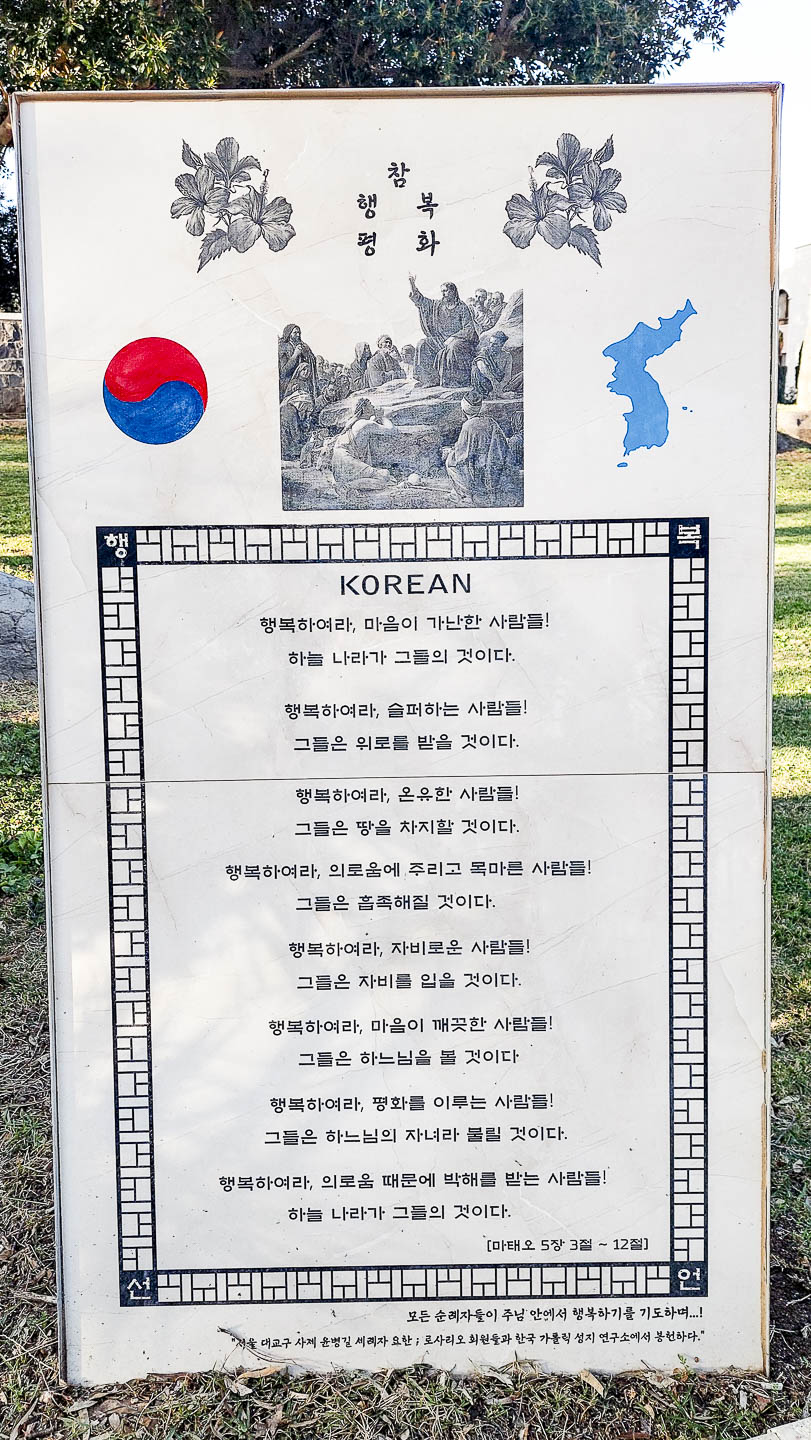
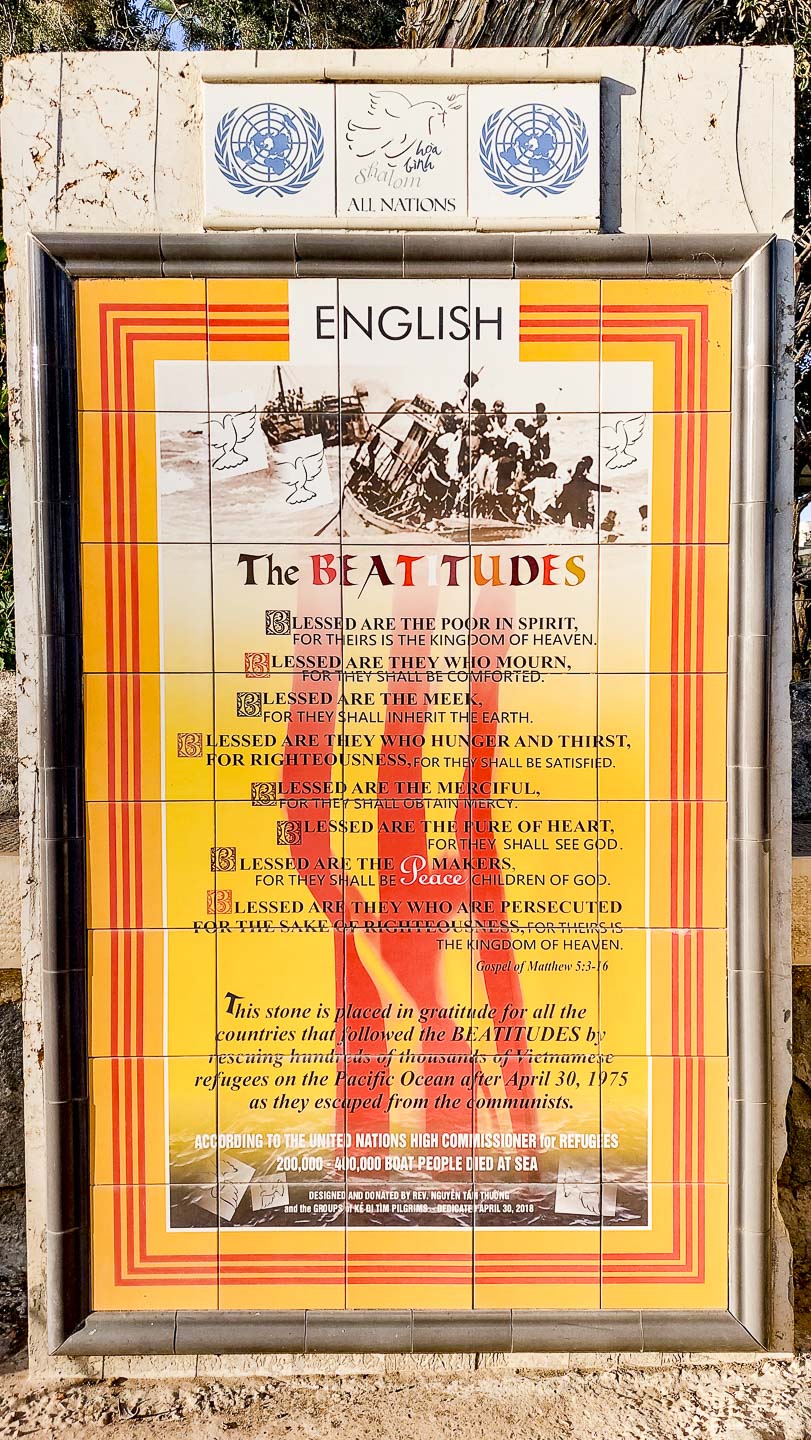
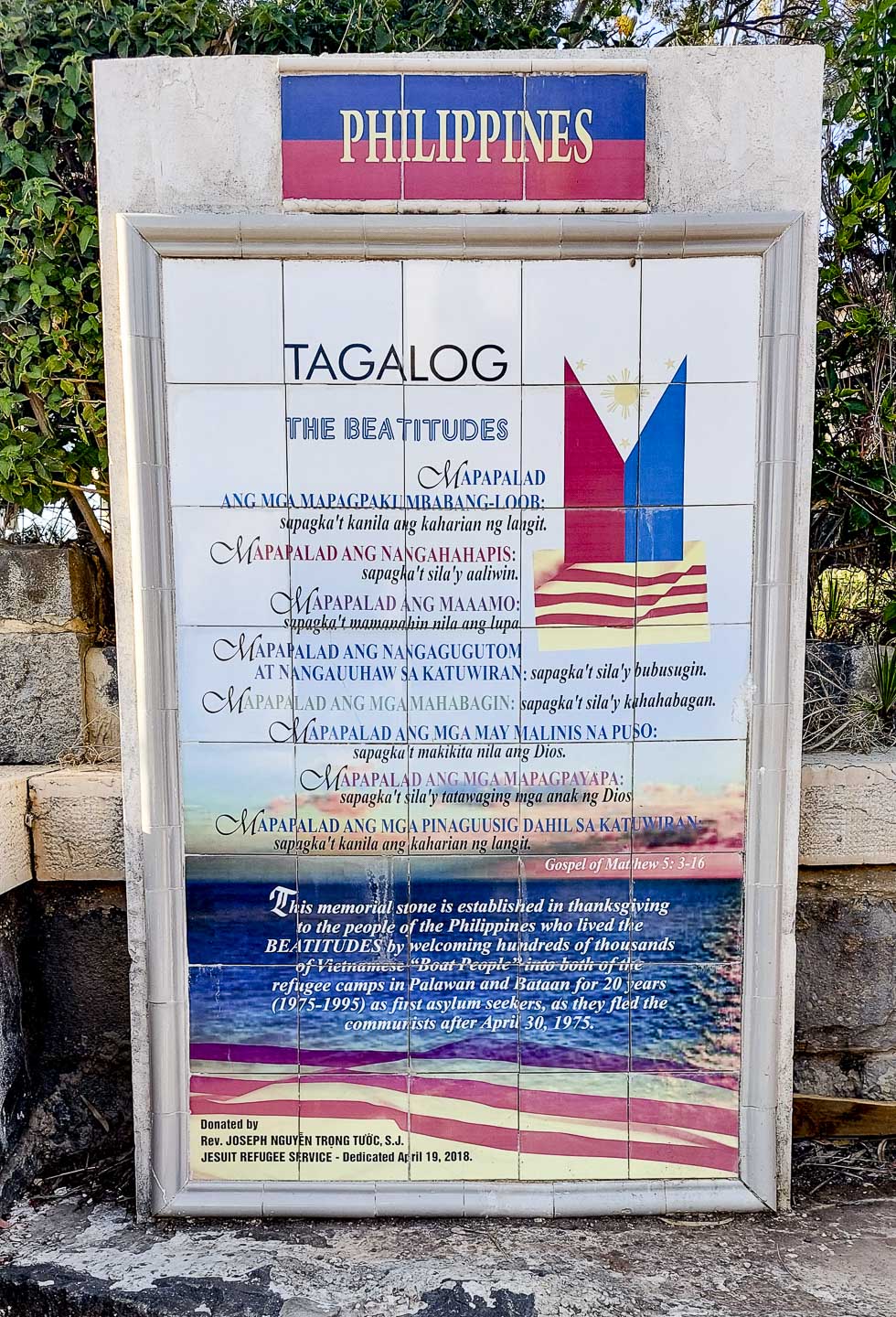
It is located near Capernaum, on a hill that offers a panoramic view of the entire lake. The beautifully landscaped and well-maintained park was full of colorful parrots and other birds that never ceased to delight us with their wonderful songs. To the left and right of the main path were marble slabs inscribed with quotes from the Beatitudes in Jesus’s Sermon on the Mount. At the end of the path, all of them are inscribed in one place in several different languages.
It was already time to head back toward Bethlehem. The last place we passed by on the bus without getting off was the city of Tiberias. It is home to the hottest mineral spring in the world—140 degrees. Because of the mineral springs, both now and in ancient times, many sick people have flocked to Tiberias to seek healing. The city was something of a spa capital of Israel.
Jericho
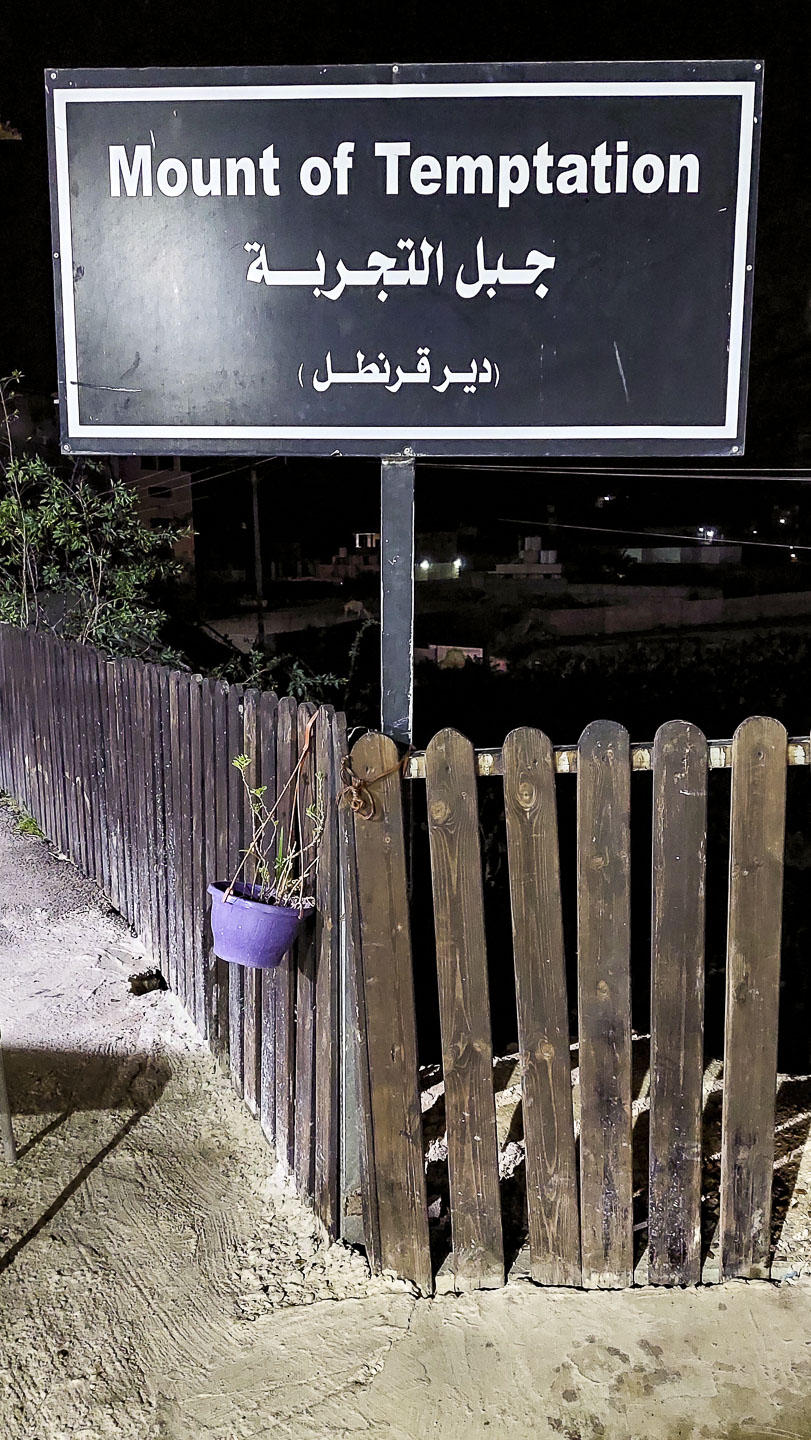 On our way back after dark, we passed through the city of Jericho, also known as the “City of the Blind.” About 20,000 people live there today. It is located 258 meters below sea level and is considered the lowest inhabited city in the world. Near the city lies the Mount of Temptation, believed to be the place where the devil tempted Jesus to hand over all his power to him, provided that Jesus would bow down to him. According to the Bible, the walls of Jericho collapsed after the Israelites marched around them for seven days, raising a loud shout and blowing trumpets.
BACK TO BULGARIA
On our last night, we had to pack our bags for departure, get a “quick” night’s sleep so we could get up early, and leave at 4:30 a.m. by bus back to Ben Gurion Airport in Tel Aviv. They wanted us there four hours before the flight for security checks! During security screening for the flight to Sofia, the Tel Aviv airport officer decided she had to go through every single item in my backpack, which had barely fit inside. Apparently, border officials have a certain quota of passengers they simply have to check more thoroughly, so I drew the short straw and ended up among the “chosen ones.” Everything was touched, everything was opened, samples were taken from some items, and then I had to go pack my luggage all over again.
Our flight was on March 14, 2023; the plane departed from Tel Aviv at 10:10 a.m. and landed in Sofia at 1:05 p.m.
Welcome back to Bulgaria, pilgrims!
Like my page on FACEBOOK to be the first to hear about new travel stories and great deals!