Travel to South Africa and Mozambique: Johannesburg 1 - Tribal Stories
The entire route of the trip to South Africa and Mozambique, as well as useful tips, costs and conclusions, you can read Here.
To the previous travelogue –> stop in Nairobi, Kenya
To begin with, let's specify the departure time 🙂
The flight from Nairobi to Johannesburg with Kenya Airlines was clear that it was taking off from Terminal A1, but it was not clear from what time. It was originally 6:30, then late the night before I got a WhatsApp notification that it was moved for 7:30, then again for 6:30. At the check-in counter, the employee said it was from 7:30, and on all screens in the airport it showed 6:30. Fun! We ended up taking off at 7:30. The airport was very calm. Even too calm. There were quite a few white people, so there was no cause for alarm. I talked to a white South African who was returning from a safari in Uganda.

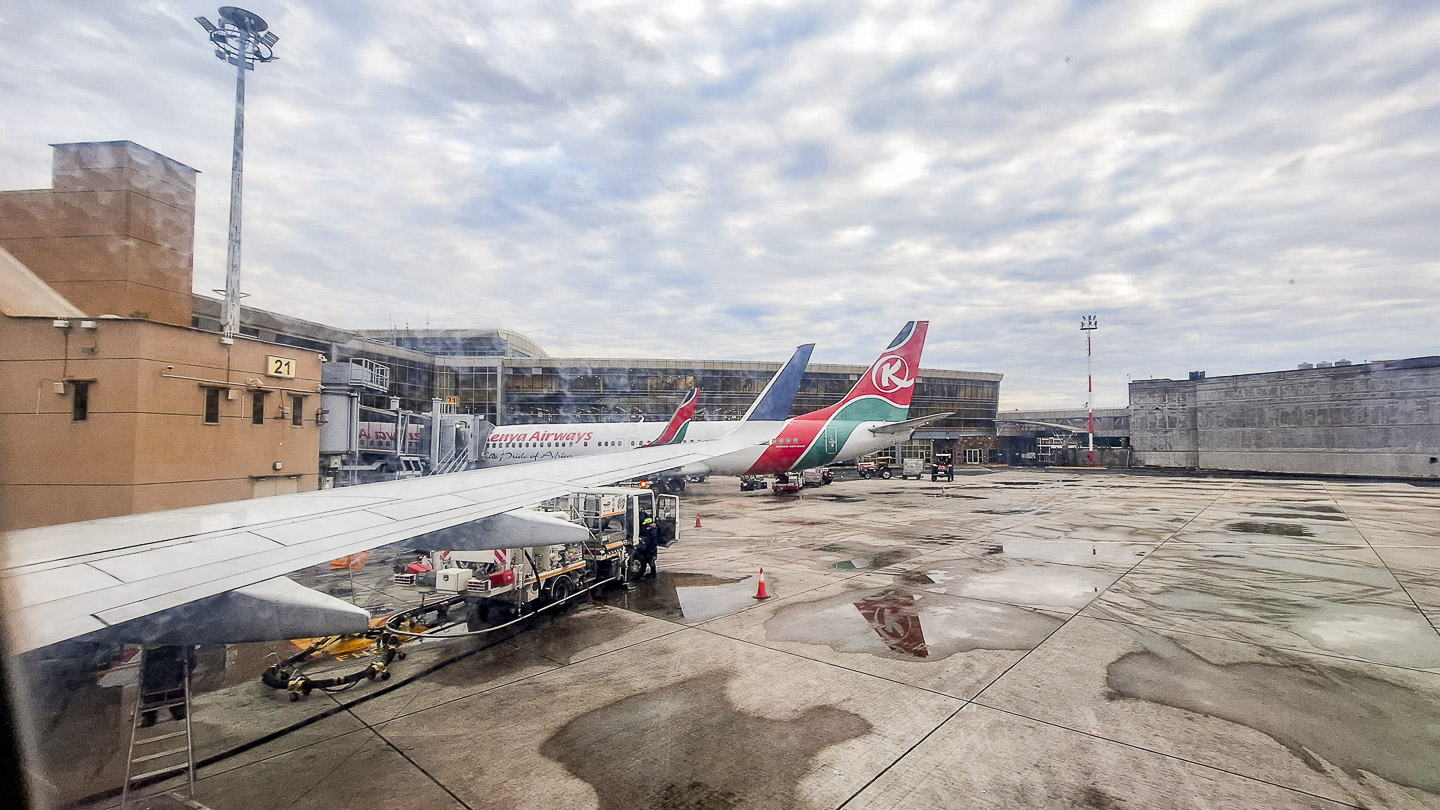
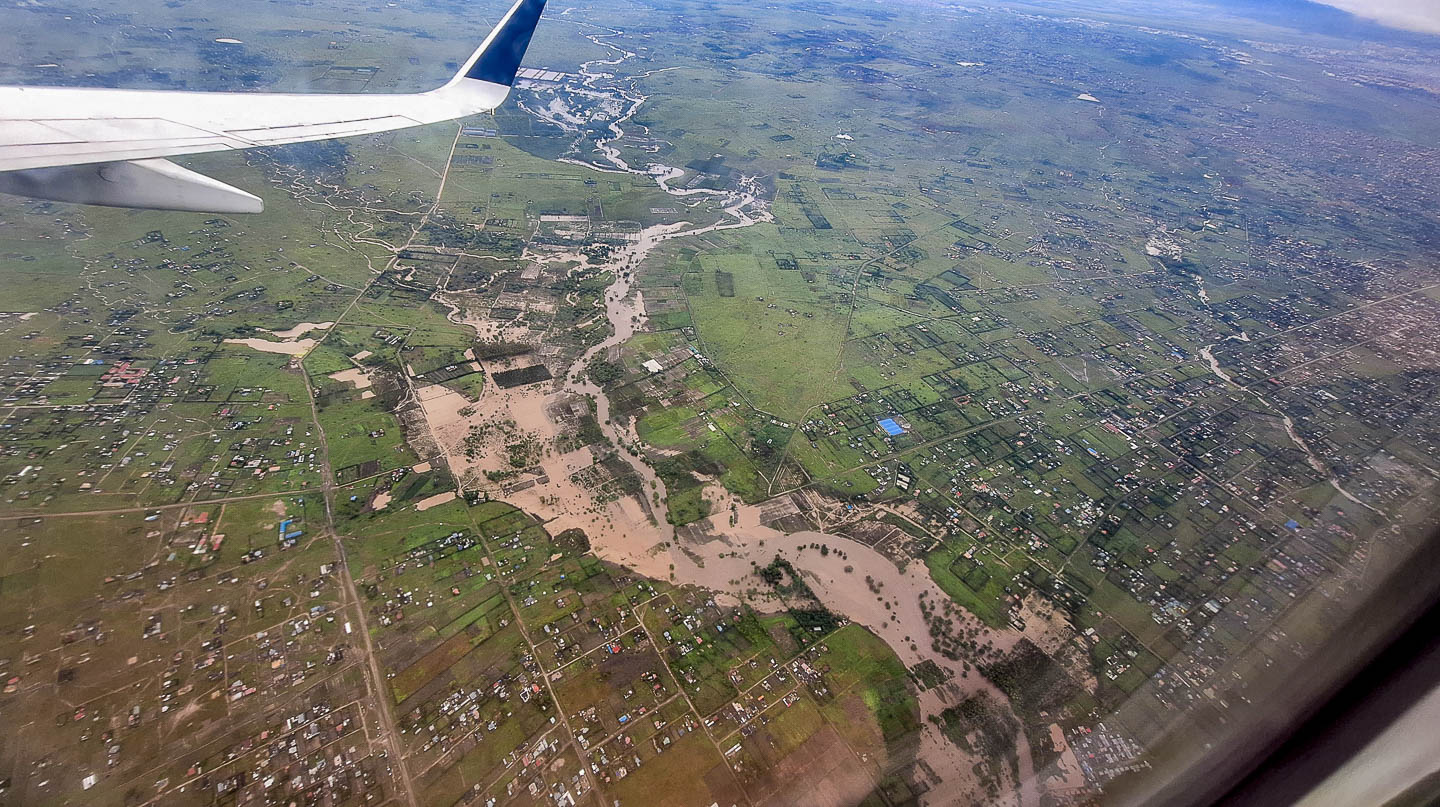
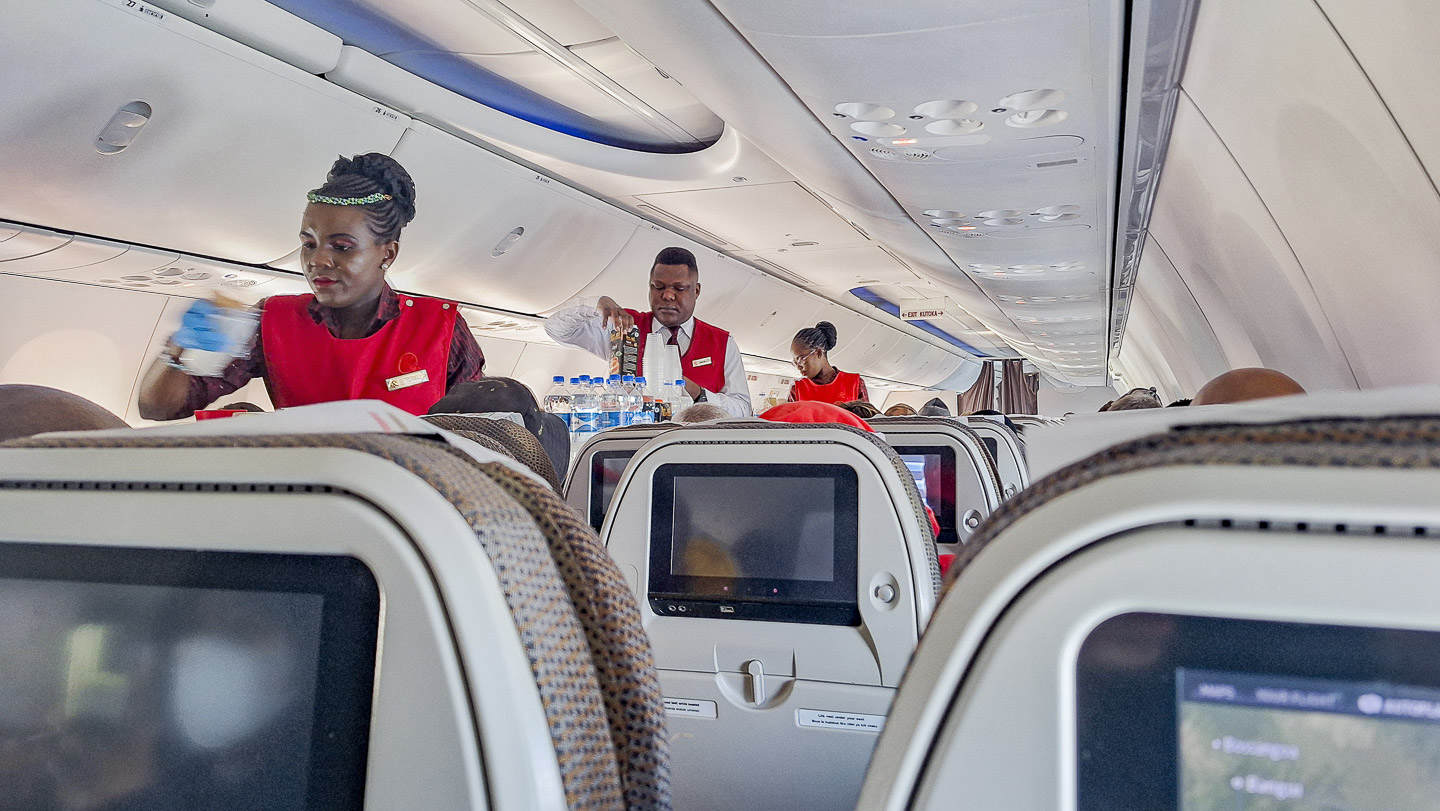
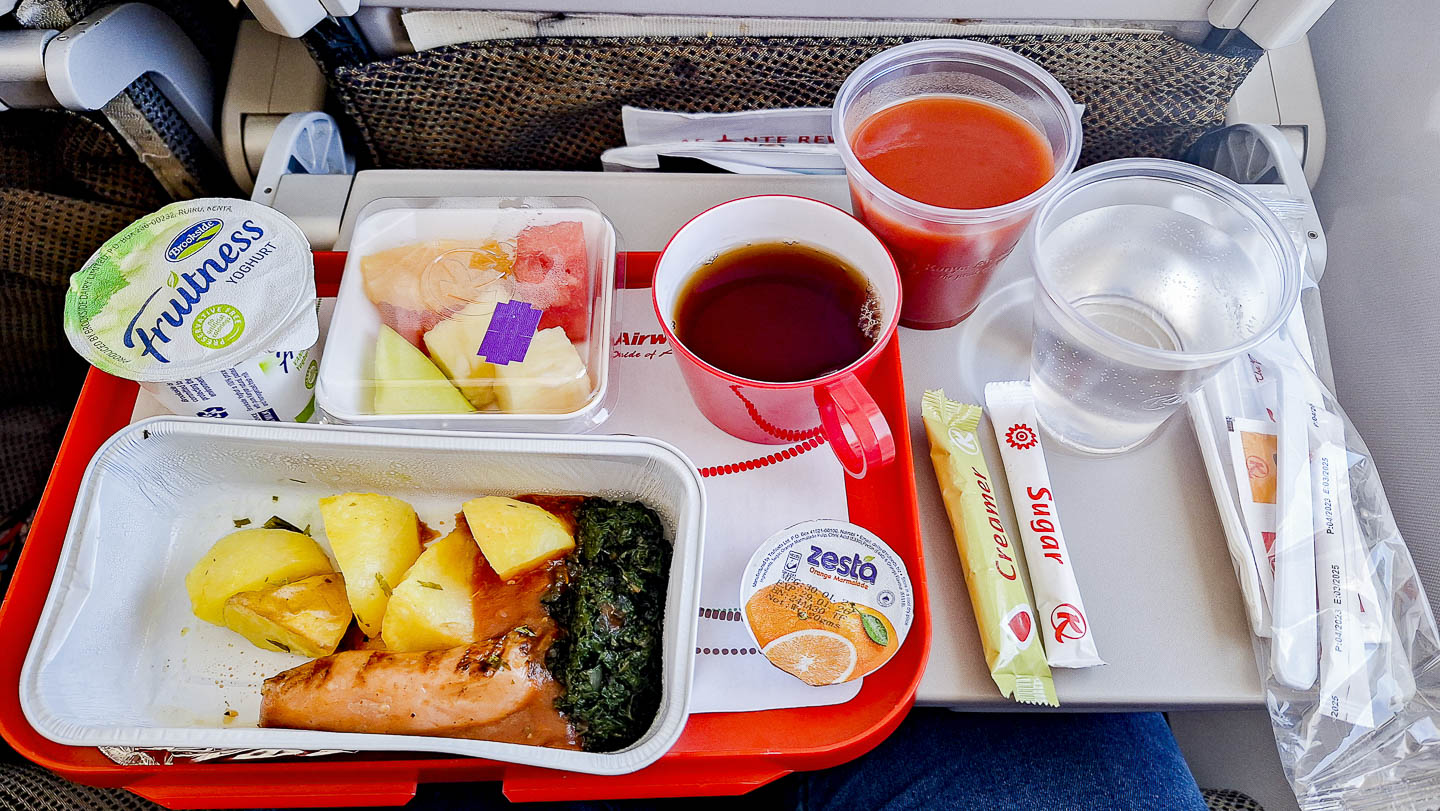
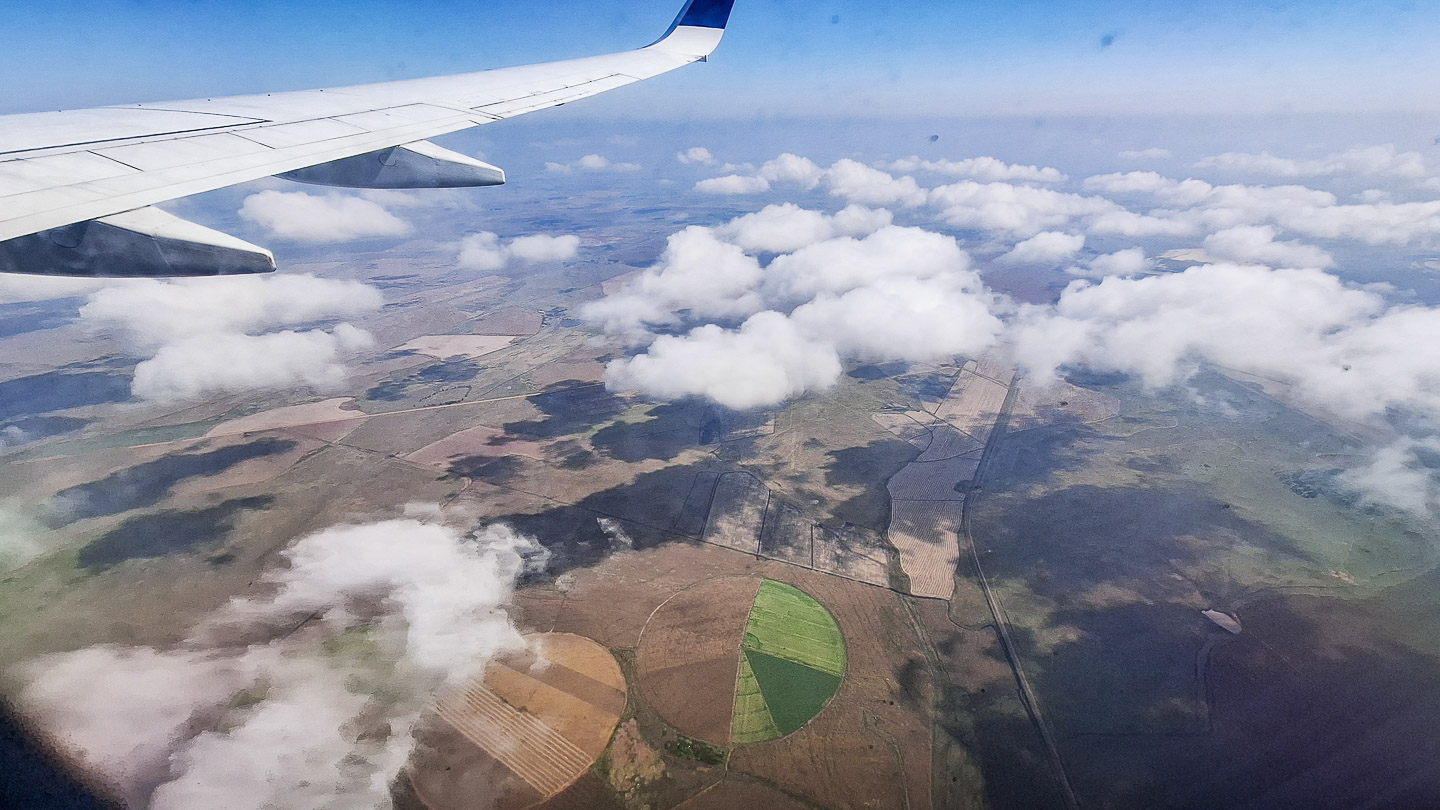
Kenya Airlines – The Proud of Africa
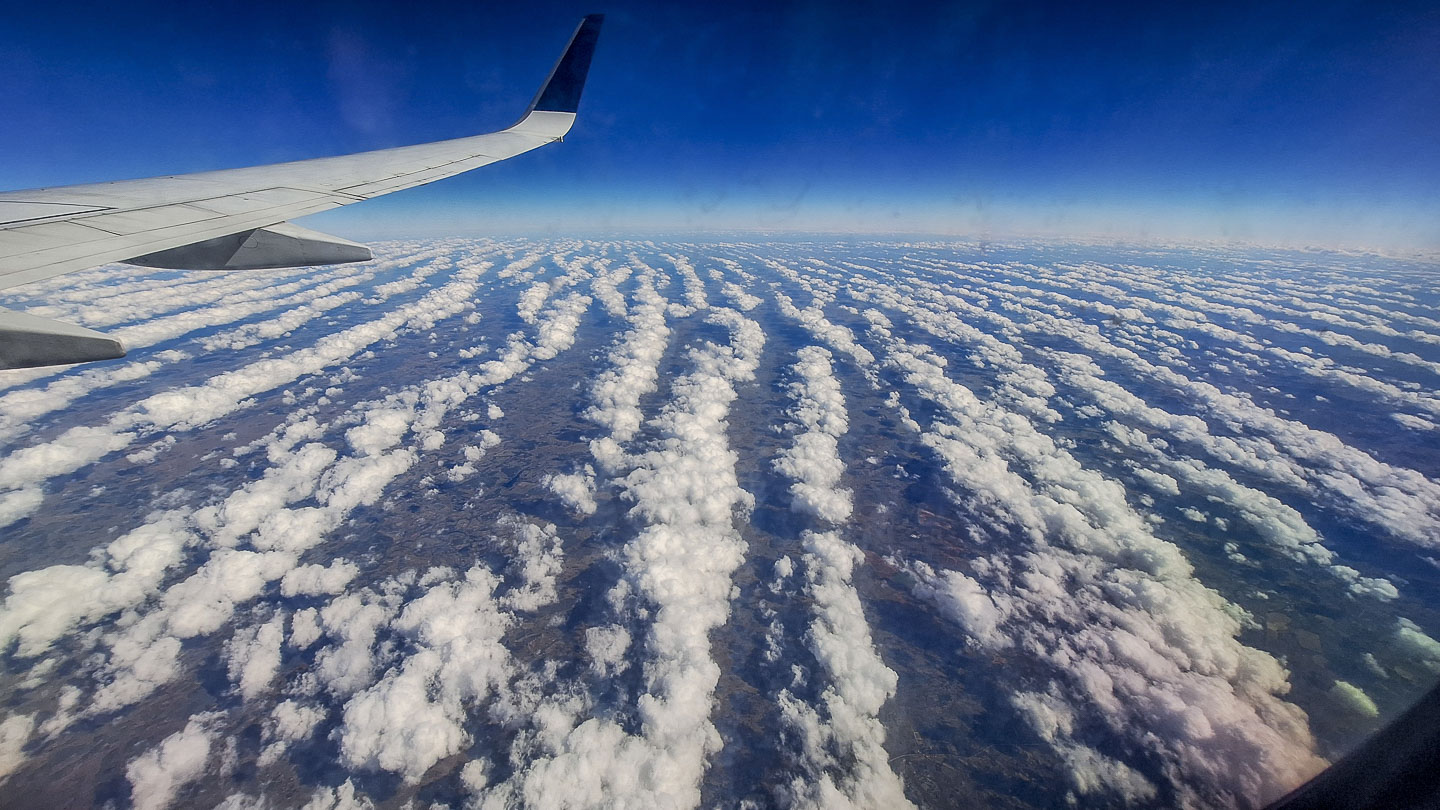
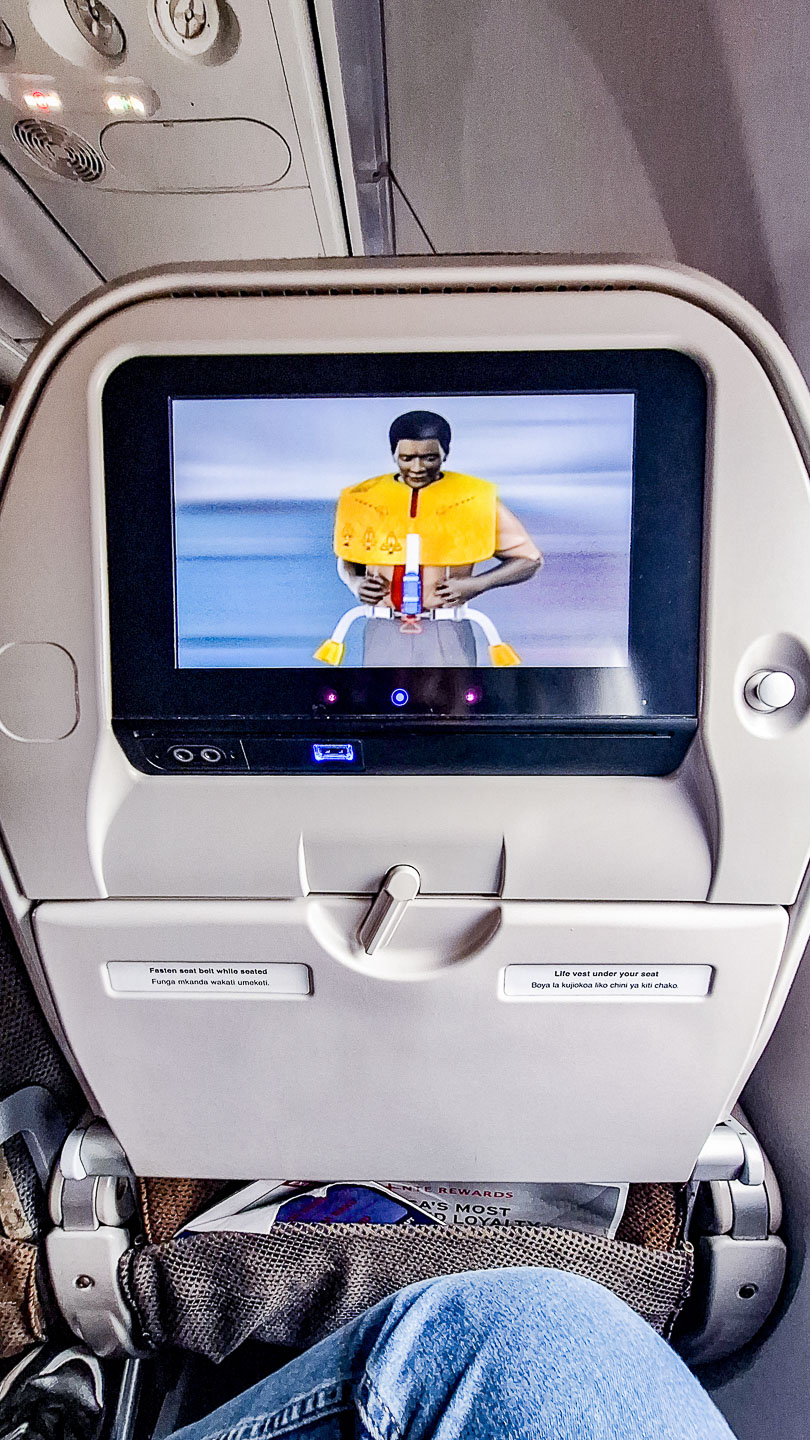
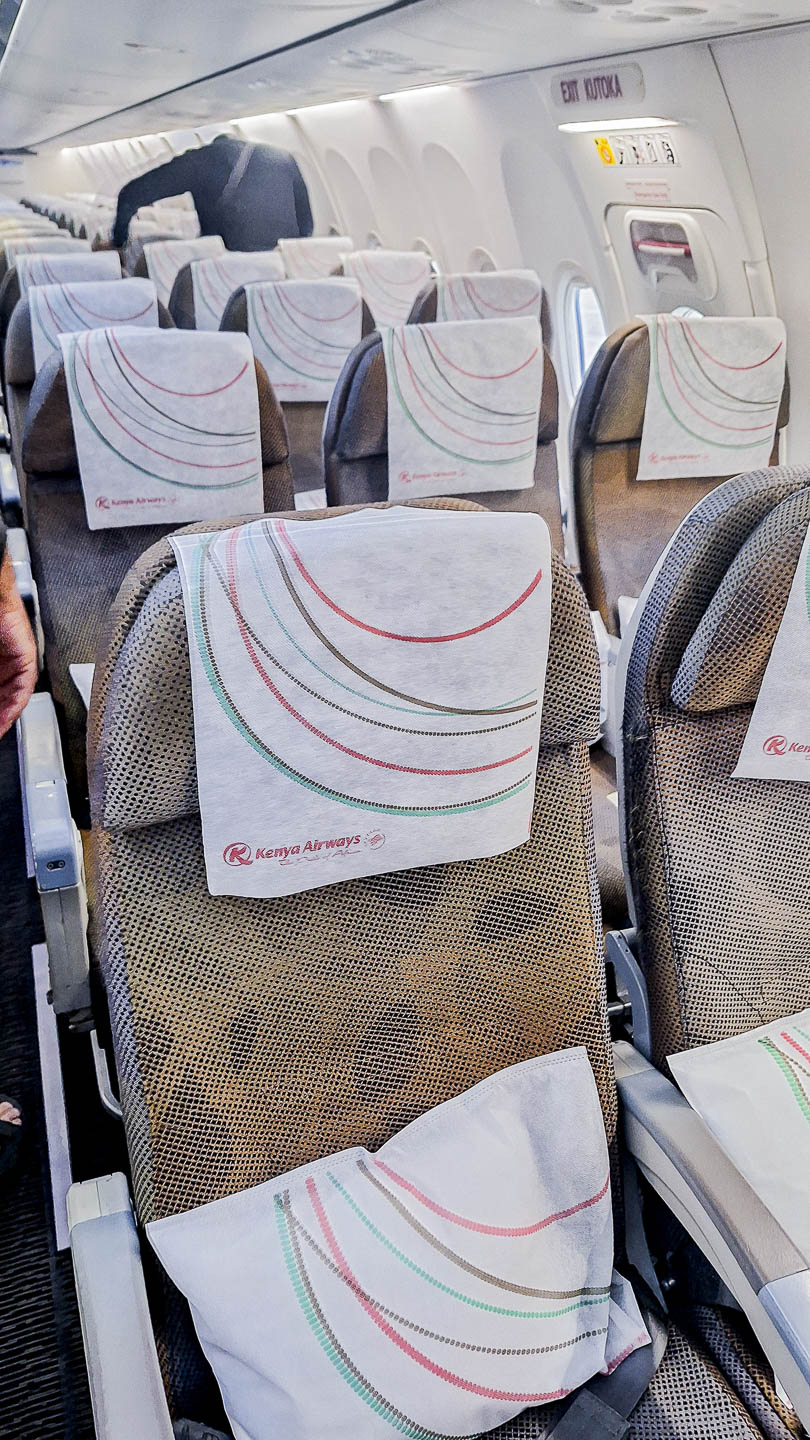
The plane from Nairobi to Johannesburg was a Boing 737-800 with screens, loading options, but also quite worn seats. As a national carrier of Kenya (Kenya Airlines), headphones, blanket, cushion and food were provided. Although an African airline, there was no difference in service compared to European airlines, except that the safety video on board has a negro or lion cub main character. Africans are definitely trying to provide quality service and it works for them. The food was more than abundant and delicious. This time I was with a young negro in a row and again the middle seat was empty. The crew was entirely of Kenyans. The flight lasted about 3:45 and we landed in Johannesburg at 10:30. Johannesburg is the same time zone as Bulgaria.

Luggage dramas
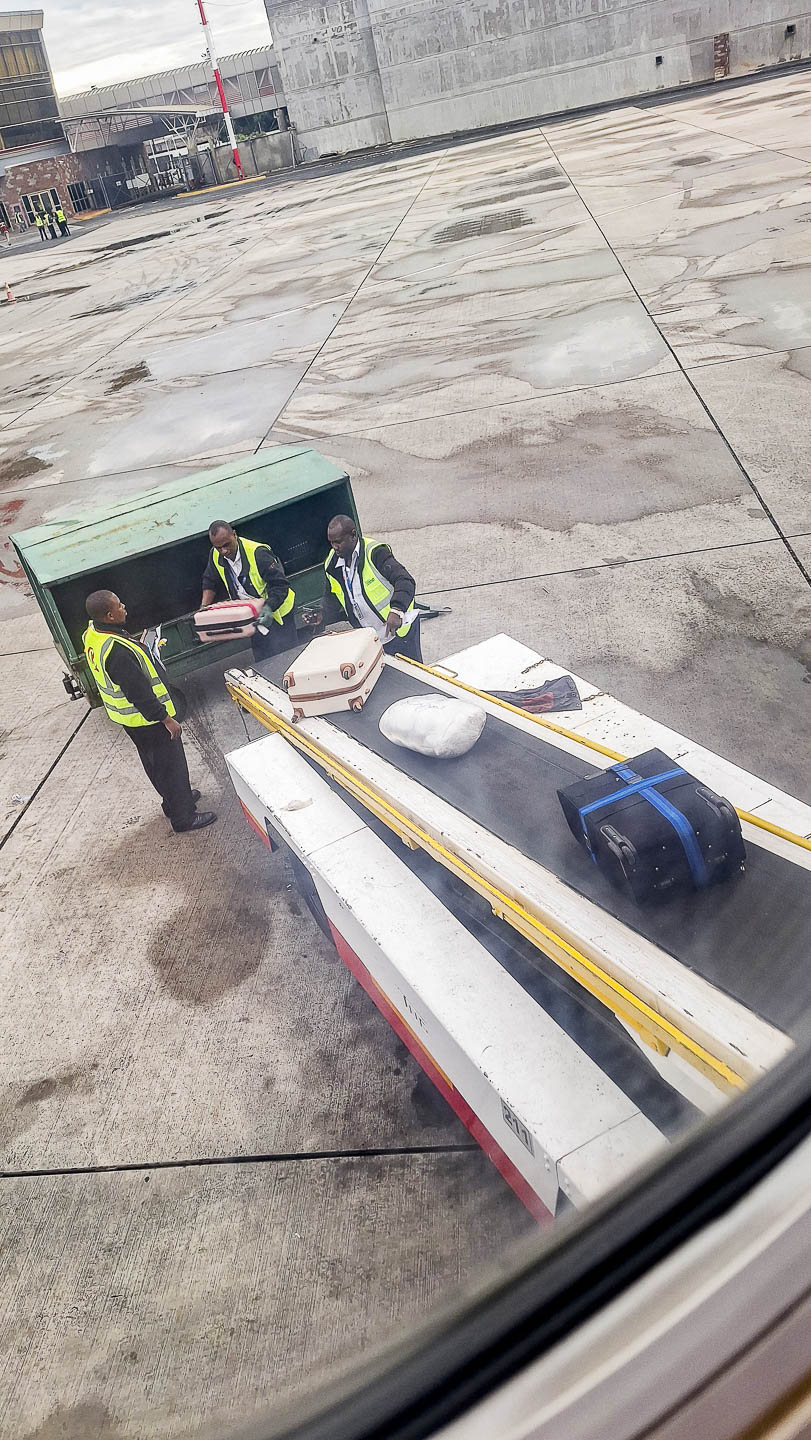
At the airport, I found the suitcase I had just given my daughter for my birthday a bit broken. I filed a complaint at the airline counter and from there the guy said they would most likely buy another one and send it to me to the address I specified. In the end, I didn't get another suitcase from them, but I also lost the protocol number they put together for me and there was no way I could later remind them of my case. But the funny thing was that by the end of the trip, this otherwise brand new suitcase was broken even more seriously to another place on a flight with another airline, and they already provided me with a new suitcase that turned out to be just as nice as mine.
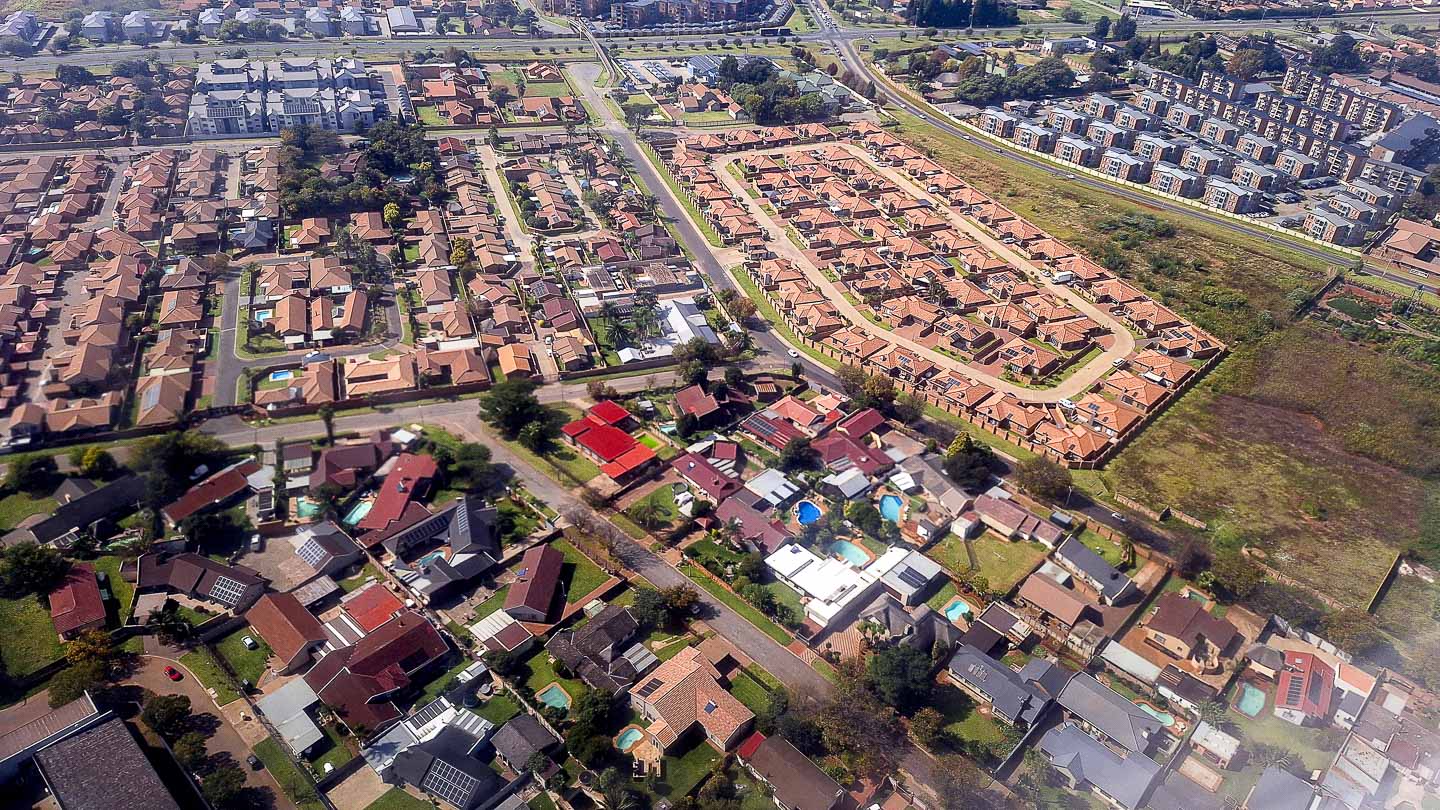
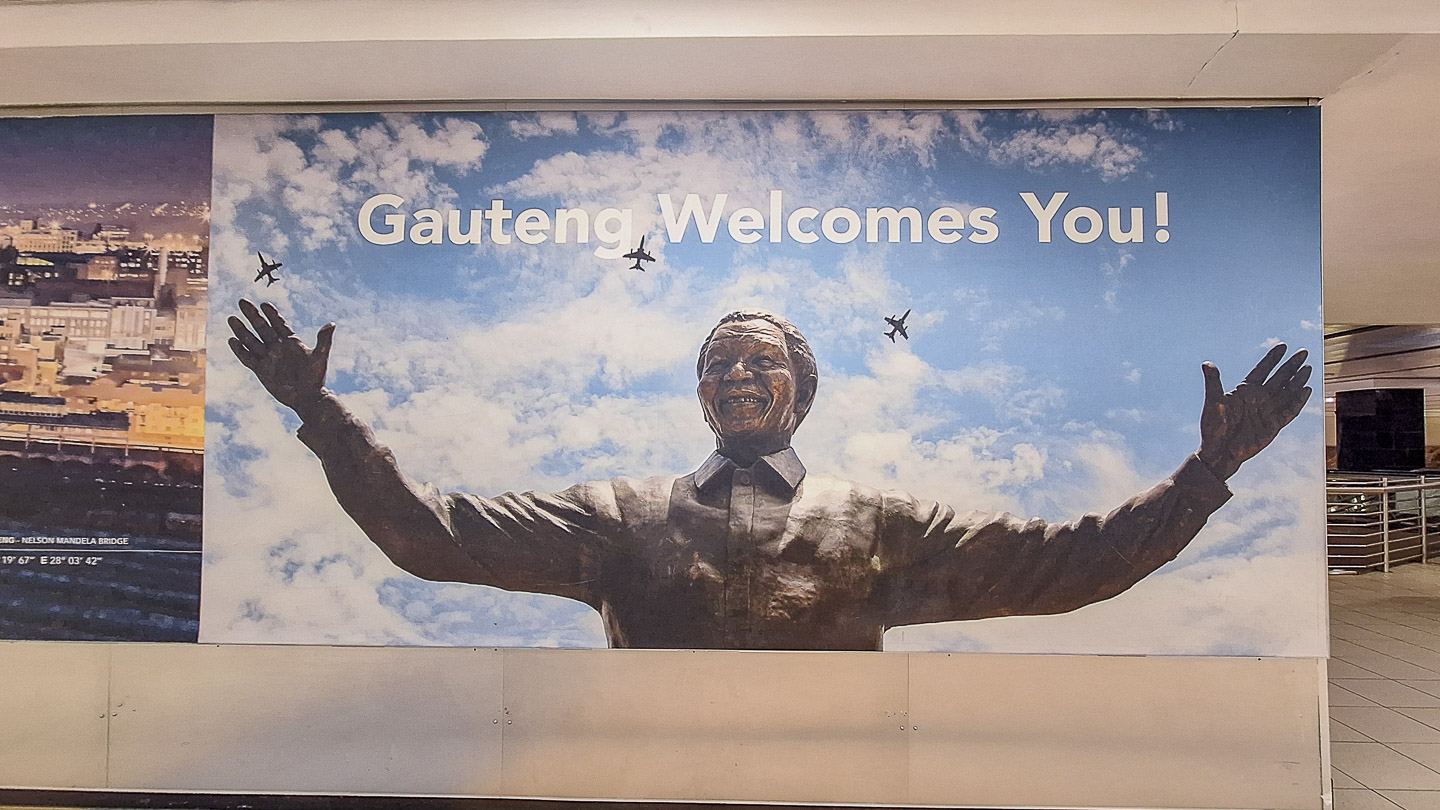
Johannesburg
At the Johannesburg airport, a driver named Gert was waiting for me; I had booked his transfer again through booking.com. He was white, born and living in South Africa. He has a blind daughter named Mia who is bedridden. I felt compelled to tell him: “The illnesses of children born this way are a curse that is passed down through generations. You must break this curse in your own life and in the lives of the generations that follow you. I highly recommend this man for transfers in the Johannesburg area. To contact him via WhatsApp, call +27 61 921 7120.”
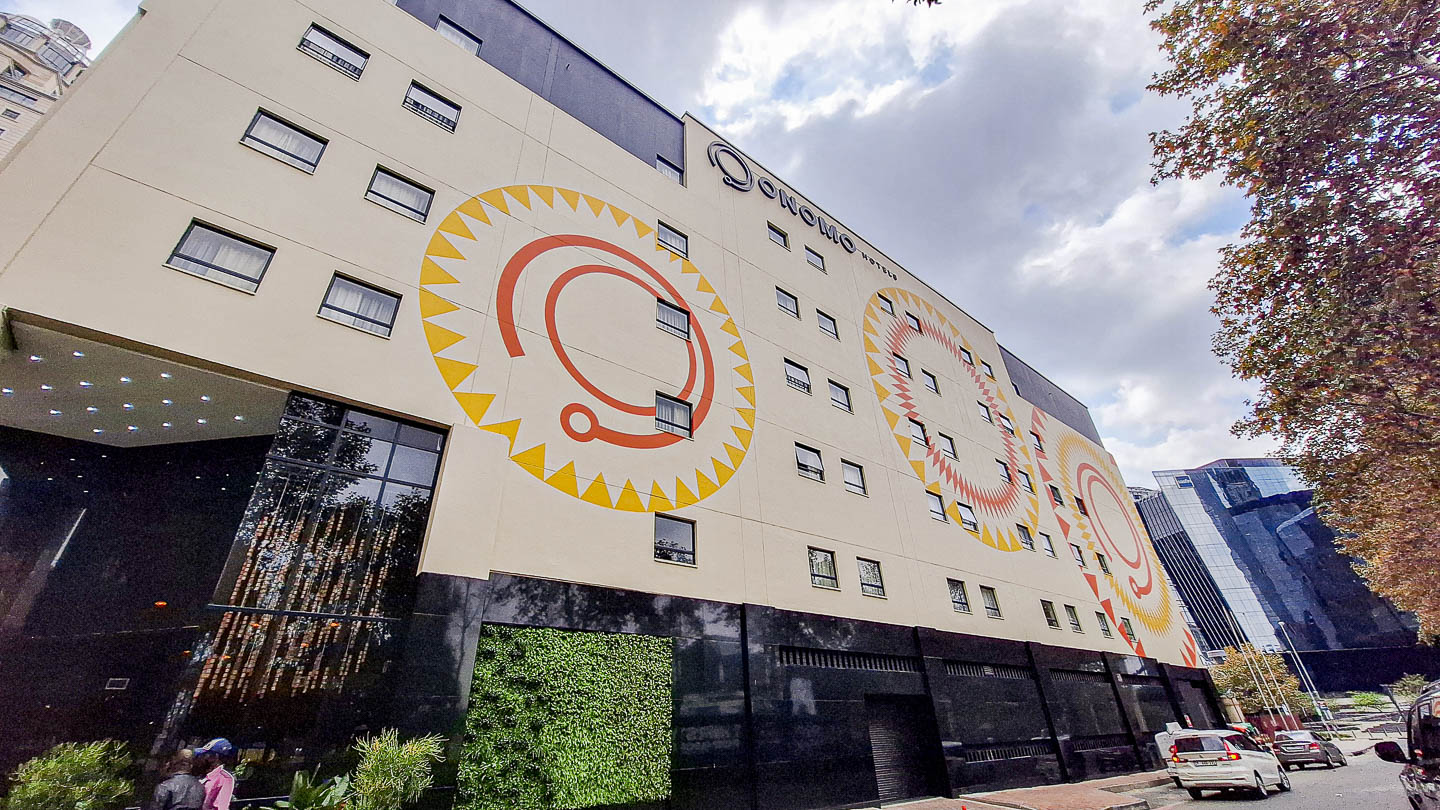
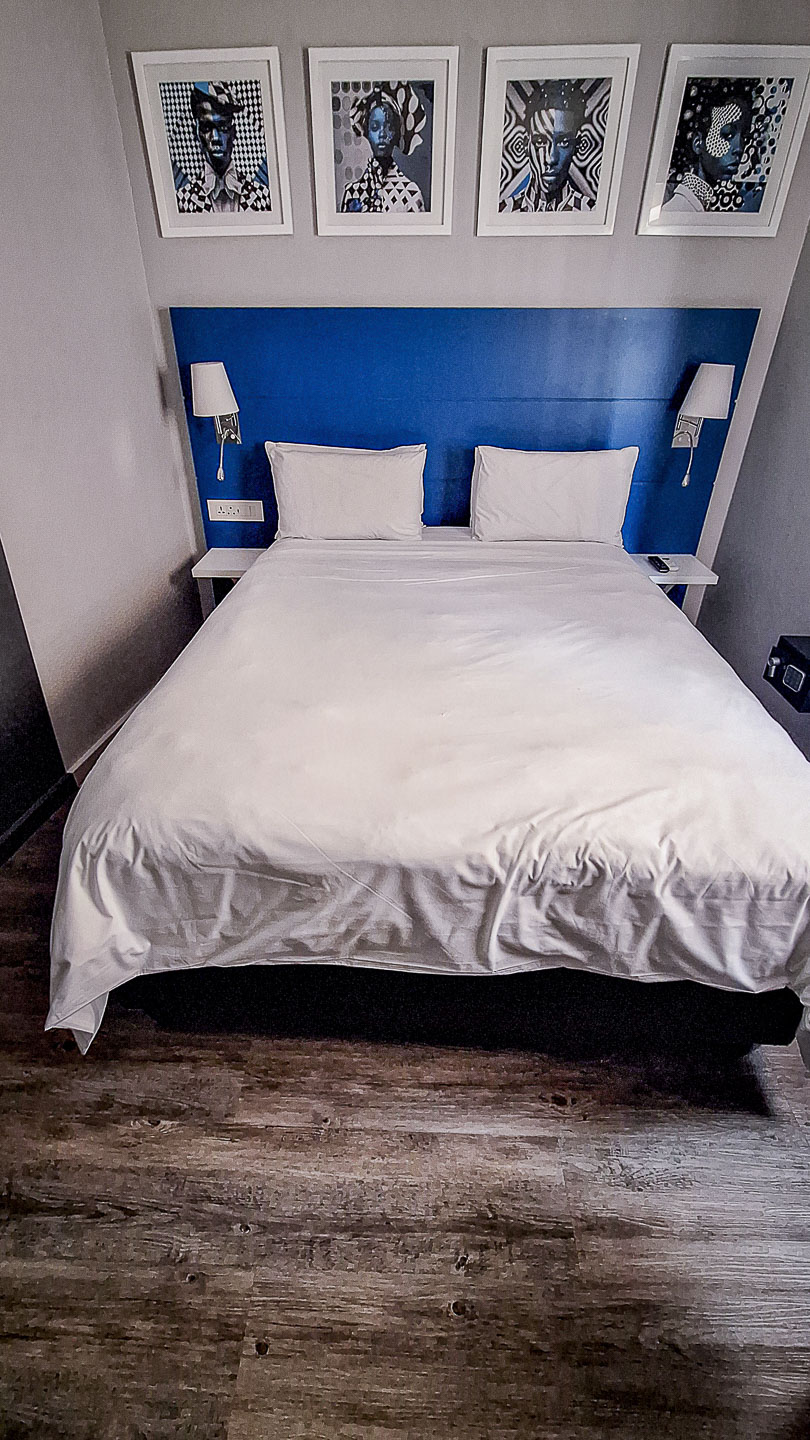
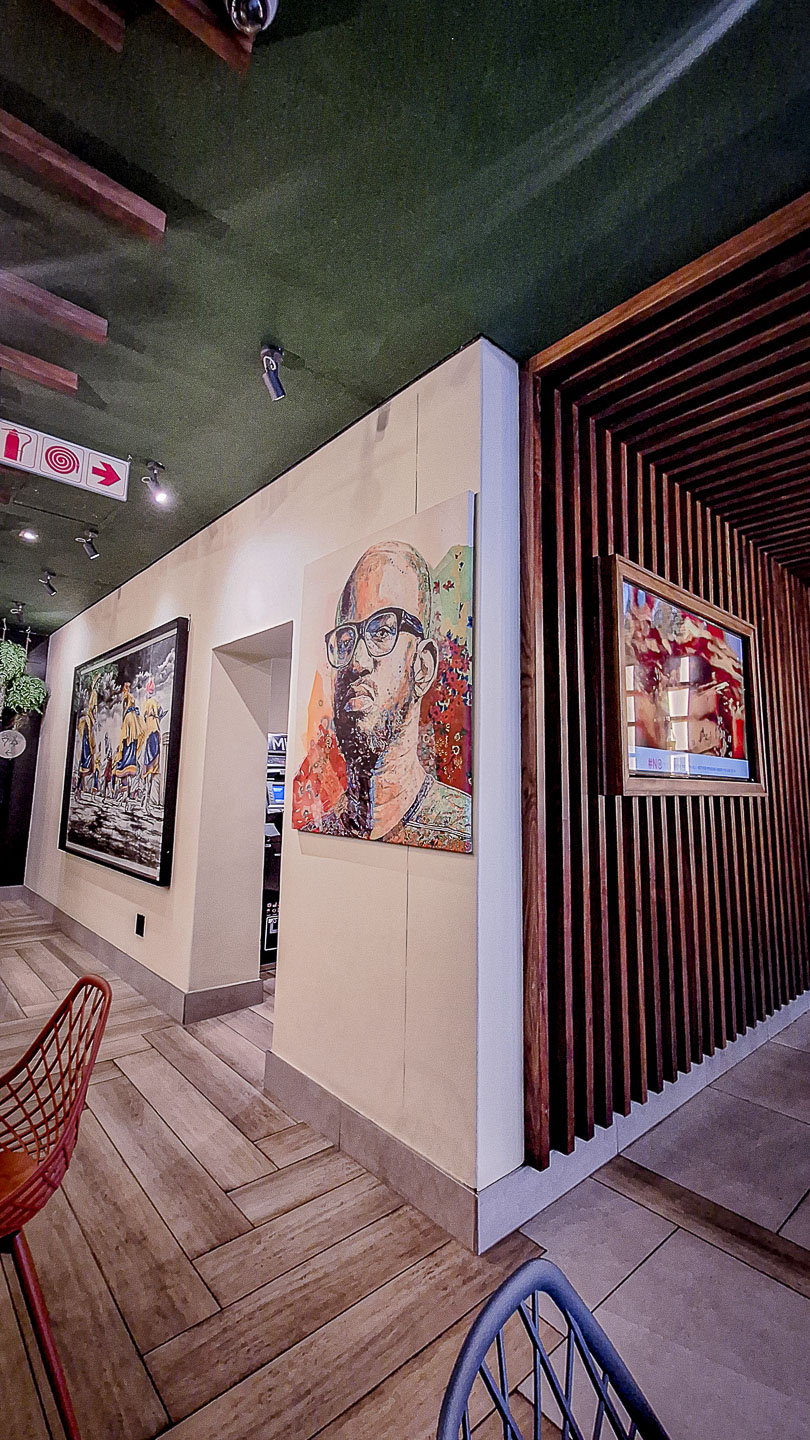
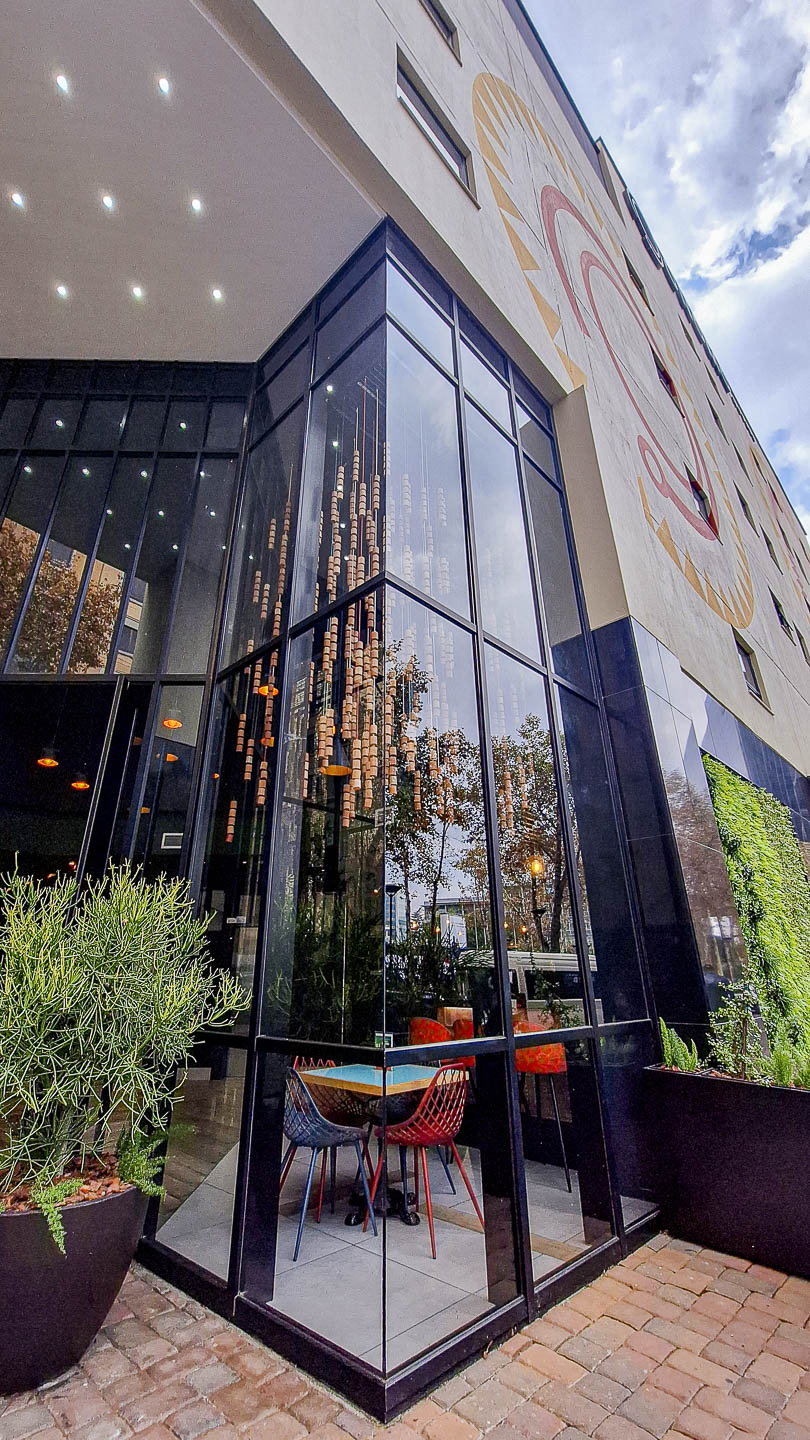
The hotel was called Onomo Sandton Hotel and I recommend it with both hands (see here). The room was perfectly clean and equipped. Breakfast was quite simple, but included in the price. The hotel was located in the safest neighborhood in Johannesburg, namely Sandton. The irony is that although I had the opportunity to walk freely in the area or visit the mall located right across the street, I did not do either due to lack of time to smack 🙂
–> Browse and book a budget hotel in Johannesburg with a discount. see here!
Over 8 million people live in Johannesburg and is the largest city in the world without having a port or river passing. Its success is due to the gold first discovered there in 1886. It was then that the city was founded and in its vicinity over time, 40% of the world's gold was produced.
Sometimes there is a power outage not only in Johannesburg, but also in Cape Town and all of South Africa. For this purpose, the ESP mobile application provides information on upcoming scheduled stops, which are usually at night and in less busy times.
And last but not least, the day I arrived in Johannesburg was 27.04, and this is one of the national holidays in South Africa. In truth, I didn't see anything more unusual as a holiday.
Restaurants with good cuisine and atmosphere that are recommended to me by a girl living in Johannesburg are:
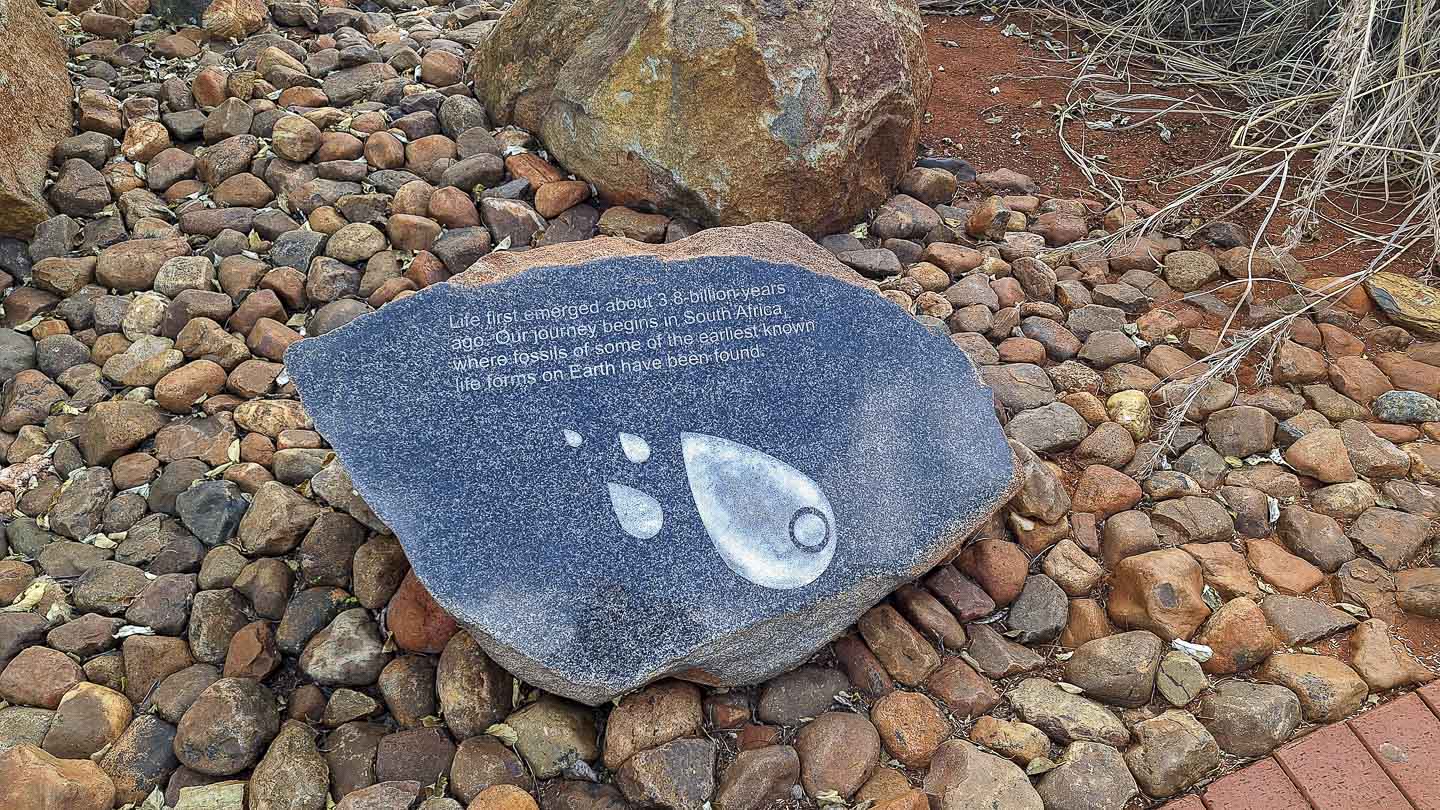
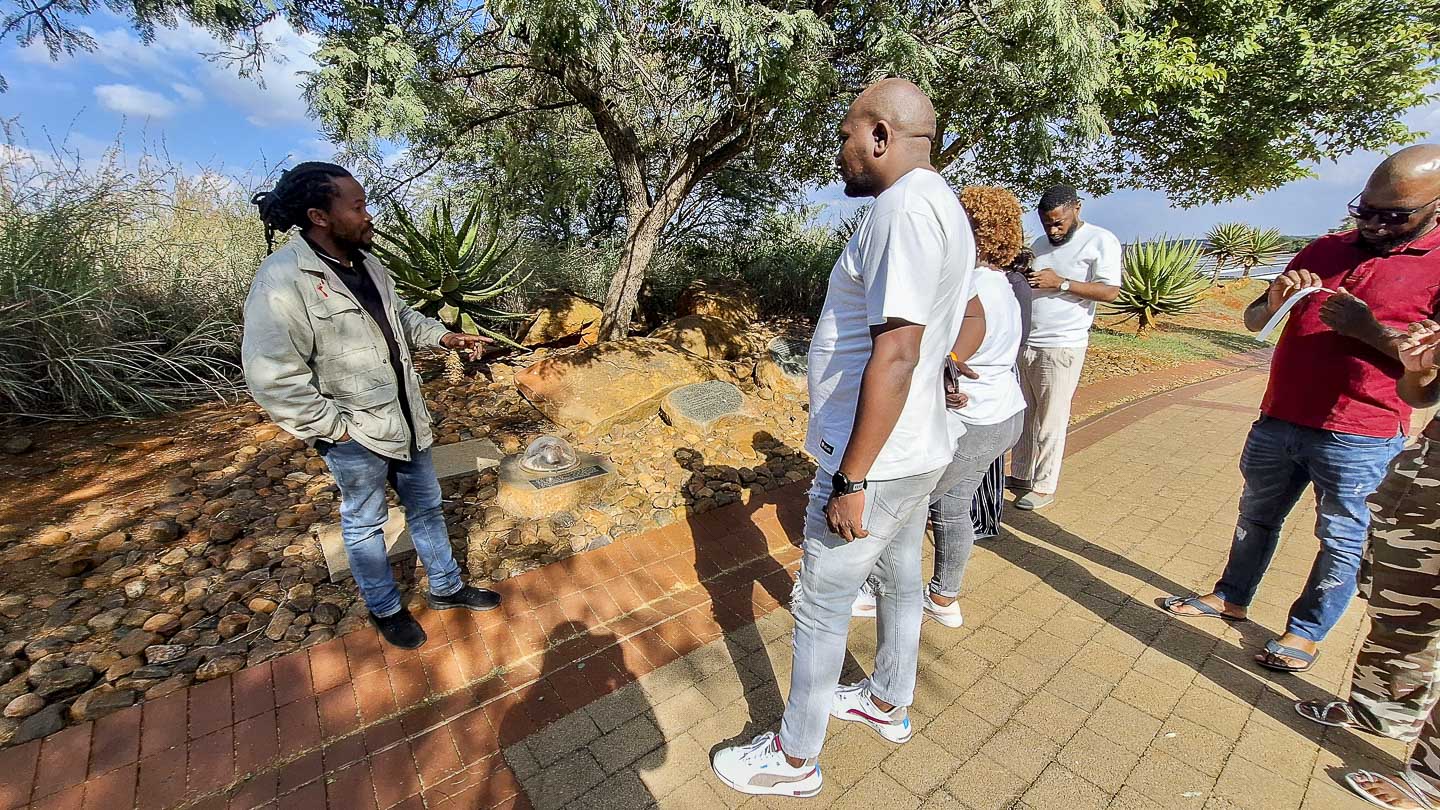
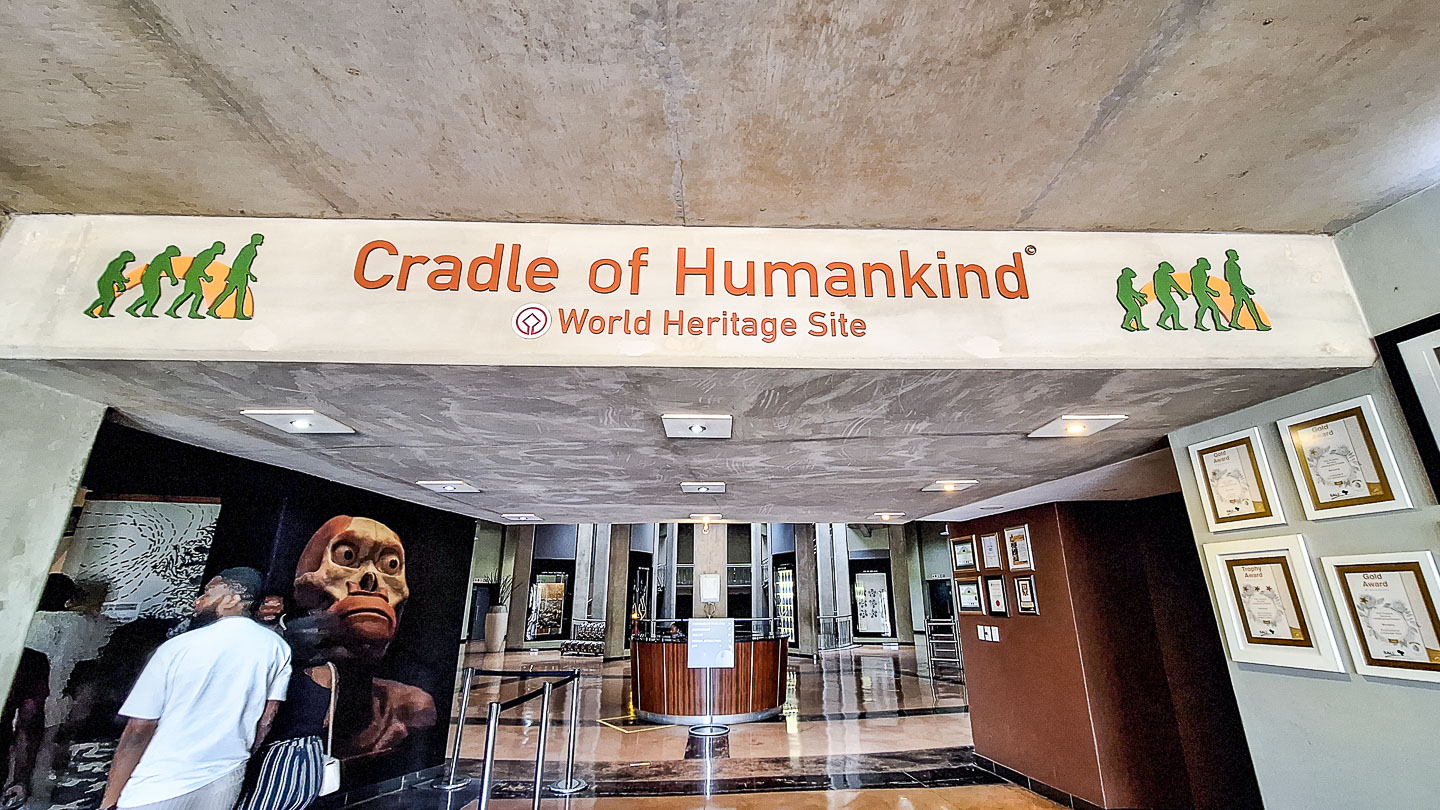
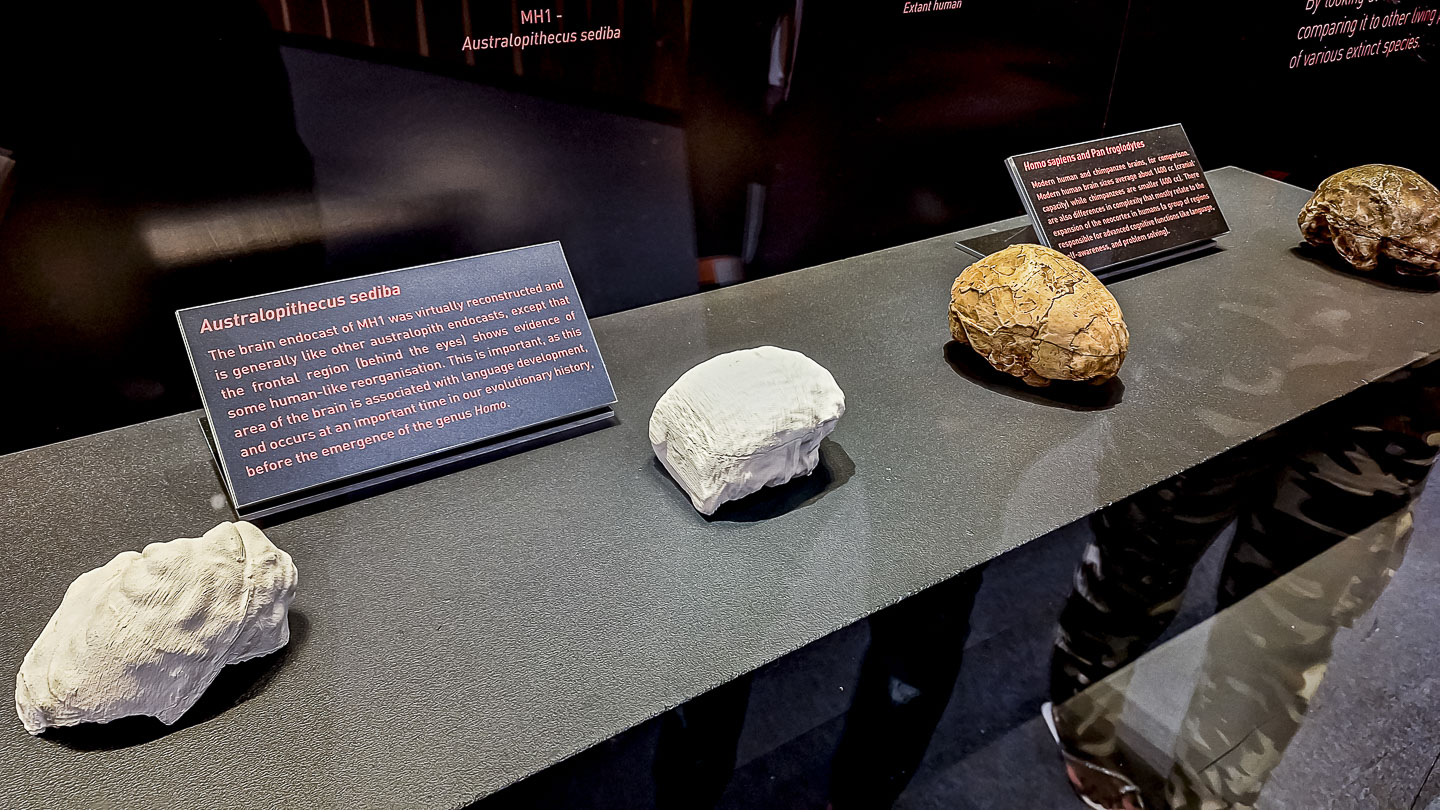

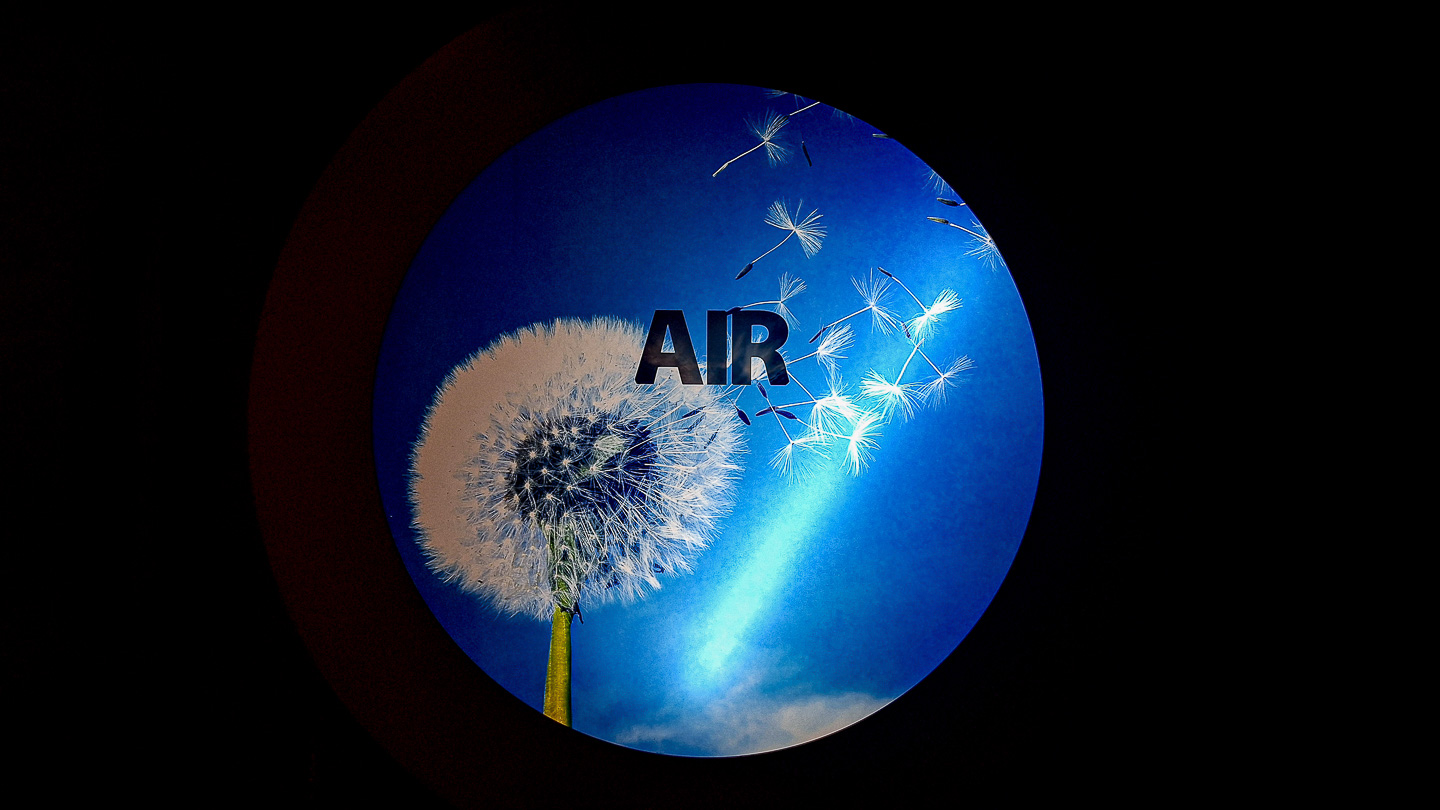



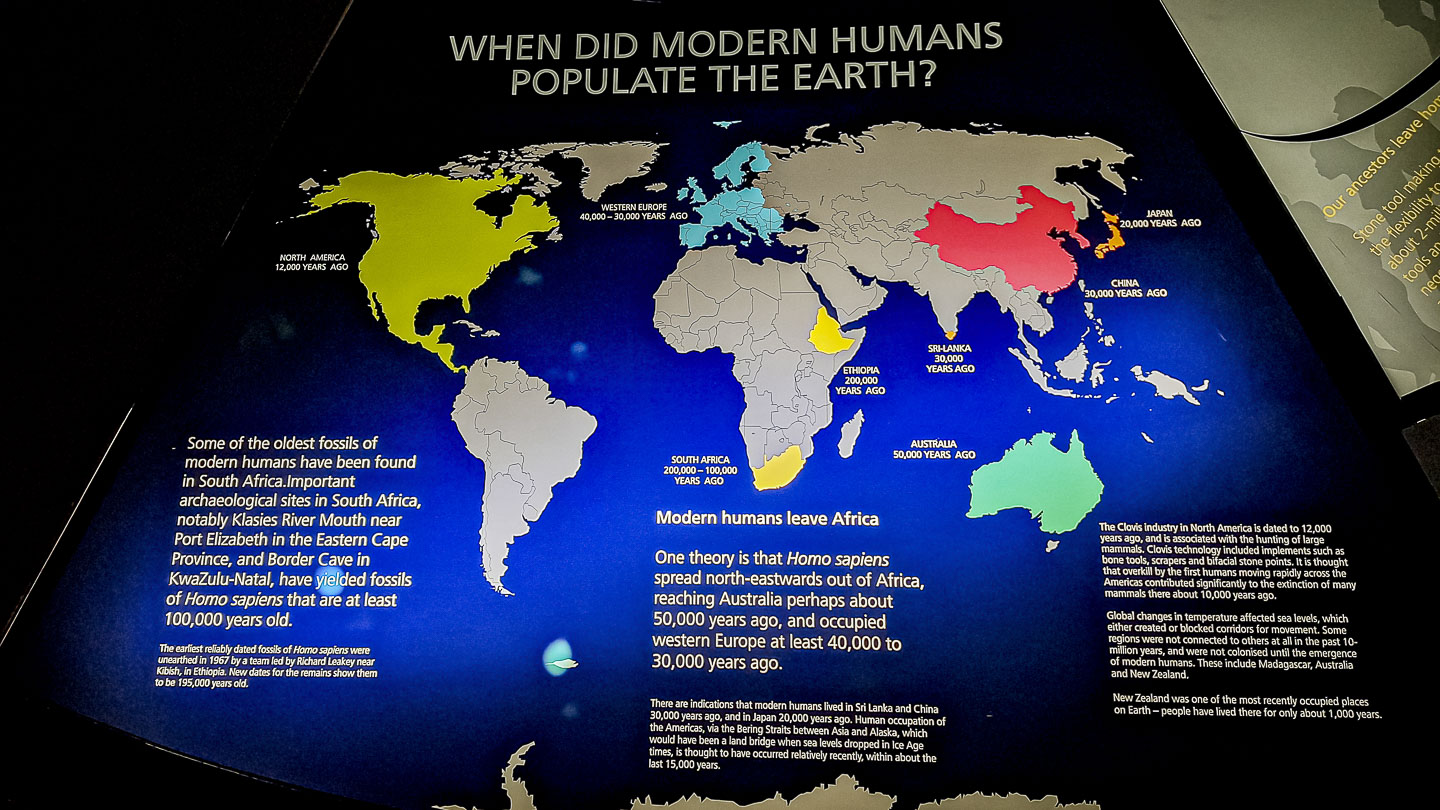
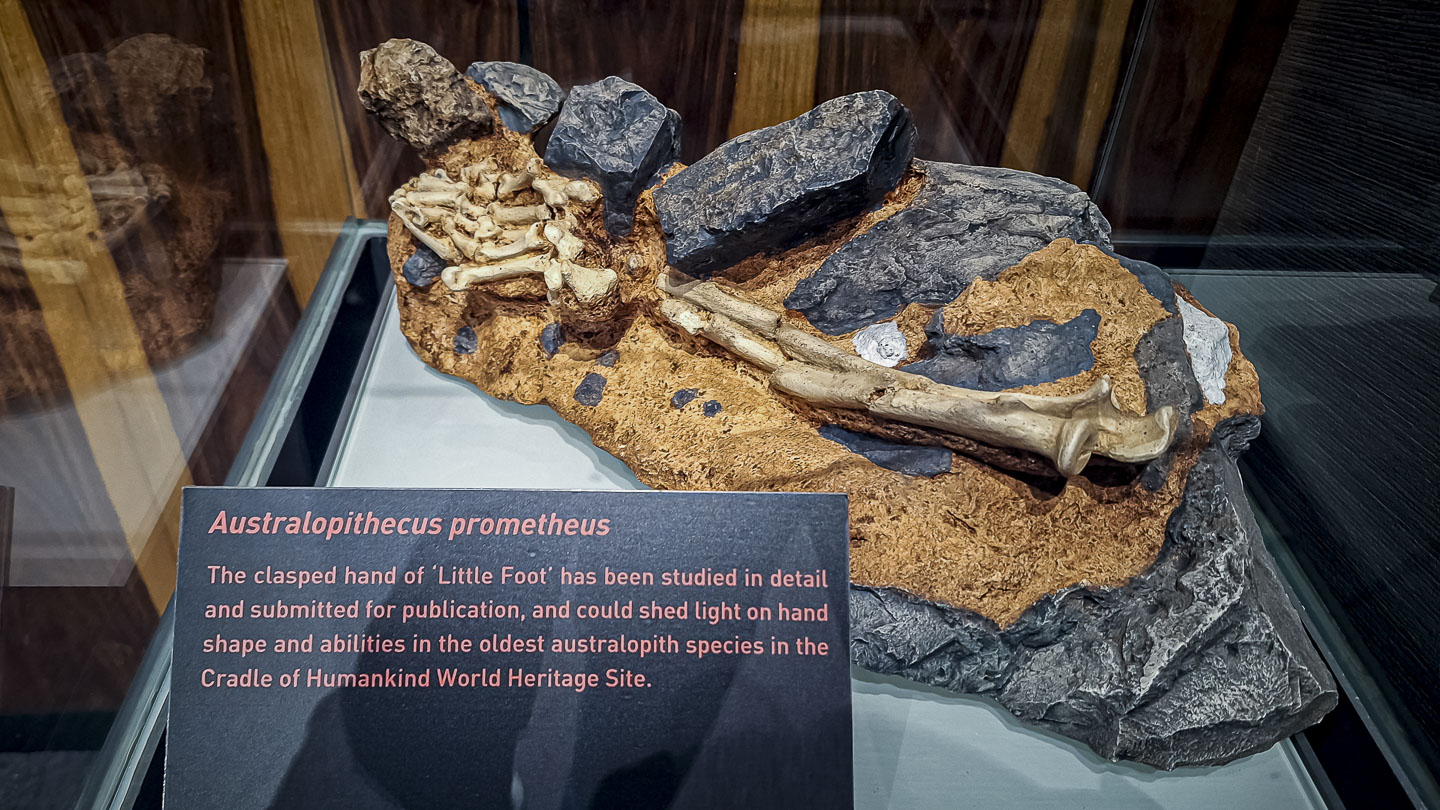
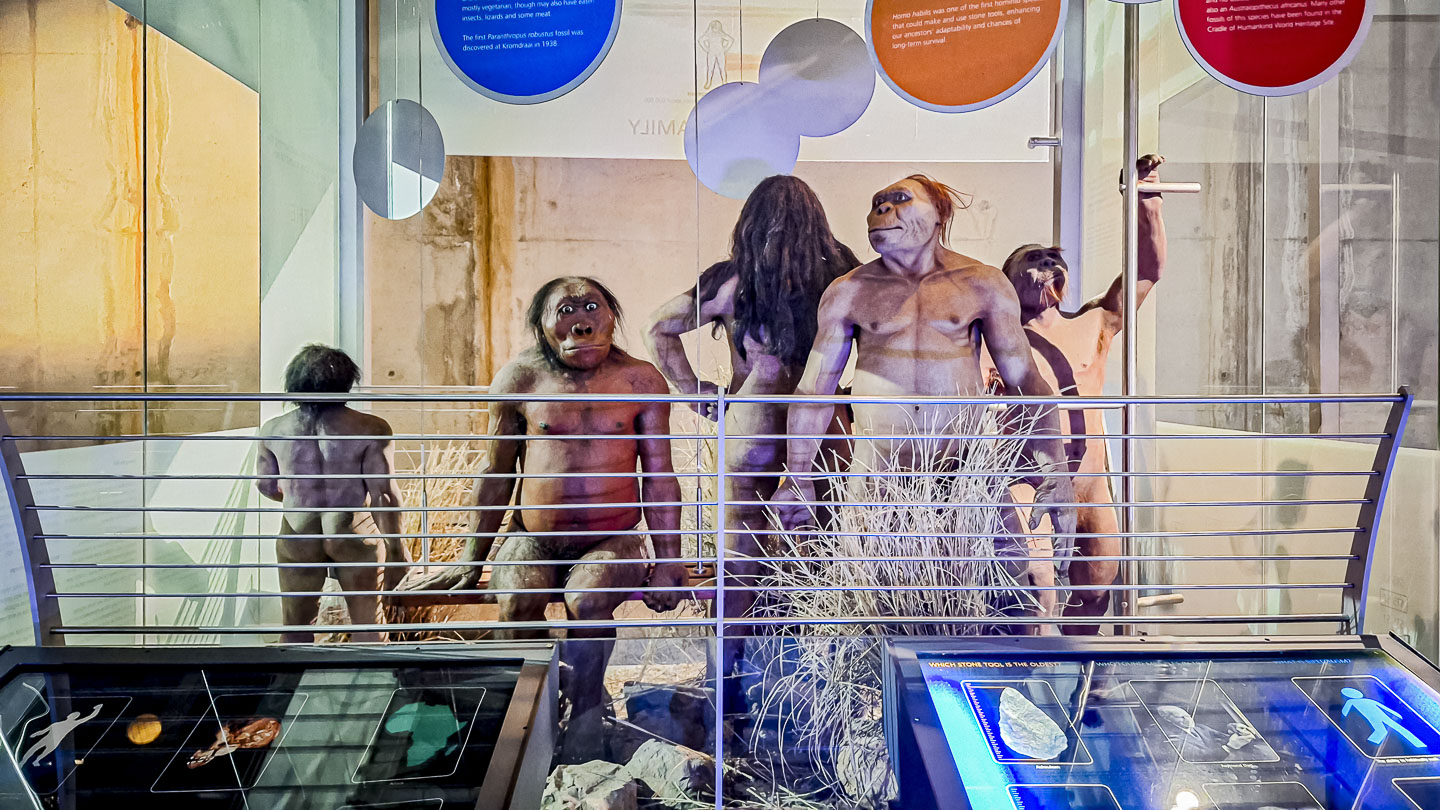
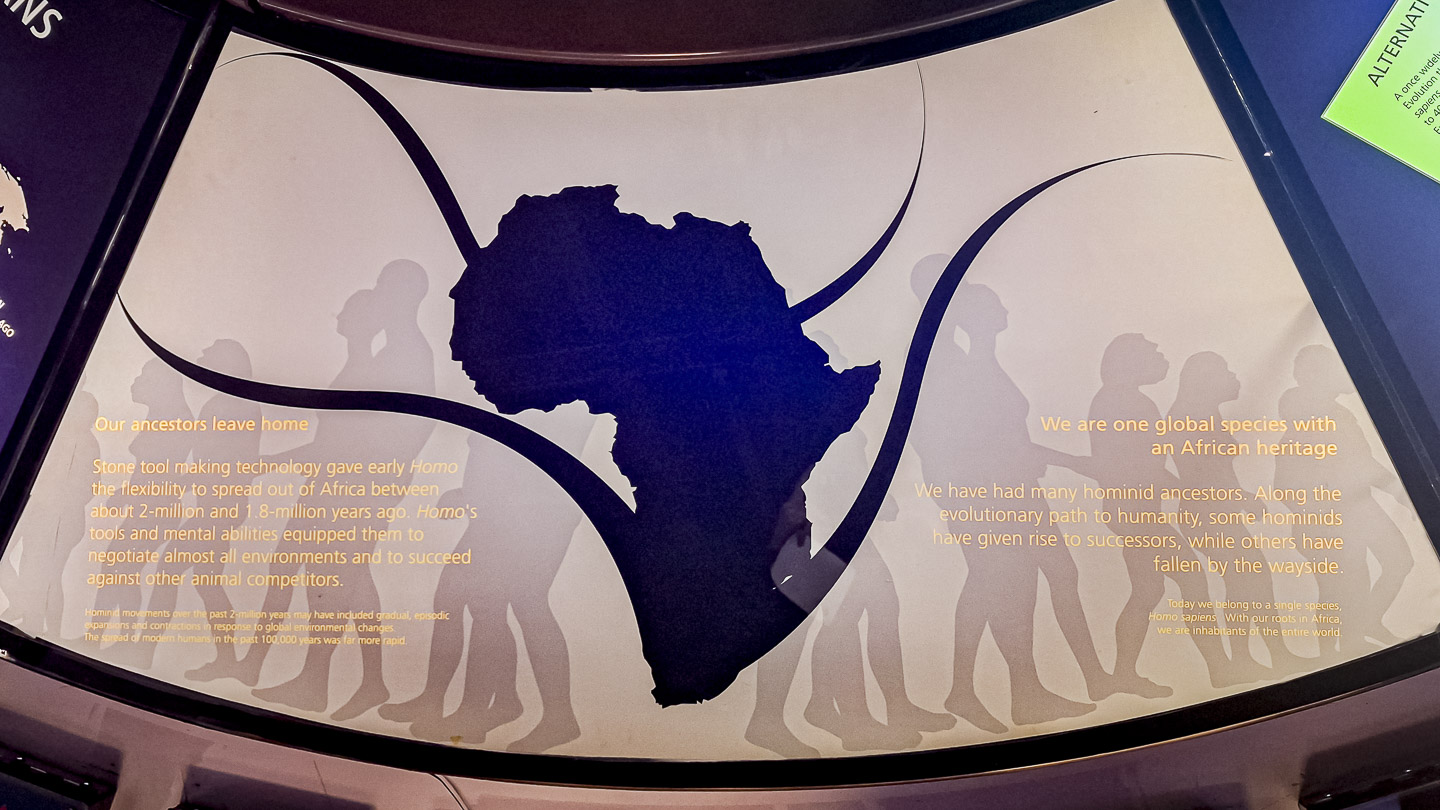
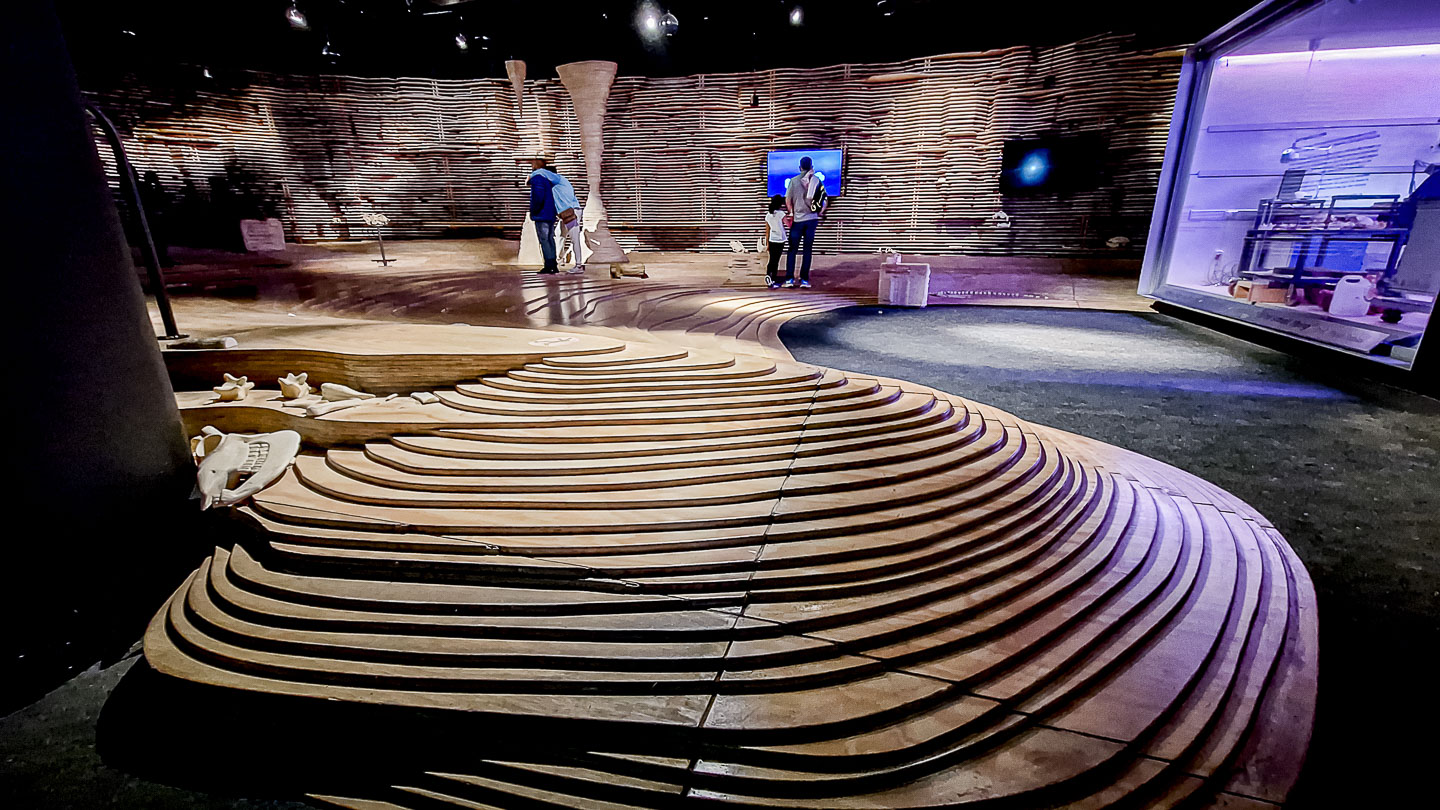
MUSEUM OF HUMAN ORIGINS
Immediately after check-in, the driver Albert came, where I had booked a tour to the Humankind Museum and Lessedi Cultural Village through the site GettyOurGuide. His company is called Pure Diamand Tours and SA and I definitely recommend him - he was not late, he was not burdened with unnecessary talk, I felt safe. For contact with it via WhatsApp – +27 61 921 7120.
Albert and I had a good time while traveling. He was not open to talk about religious topics, but he confirmed that South Africa produces 100% of his food and goods, which means that even ready-made cars do not import, but only individual parts and the assembly takes place in South Africa. It's the same with electronics, all fruits, vegetables and everything. Absolutely independent economy. Albert himself was born in the Congo, but as a child he moved to South Africa with his parents.
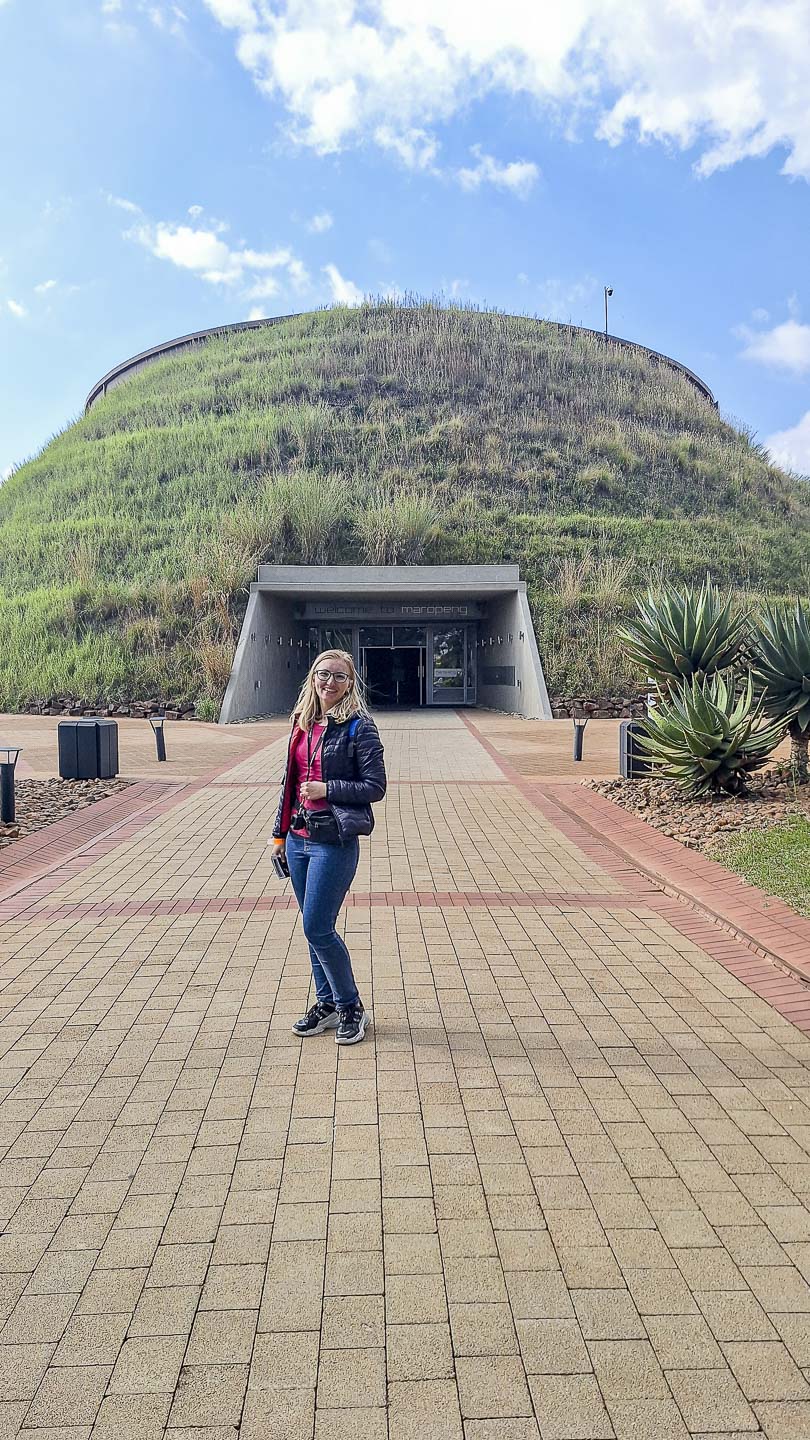
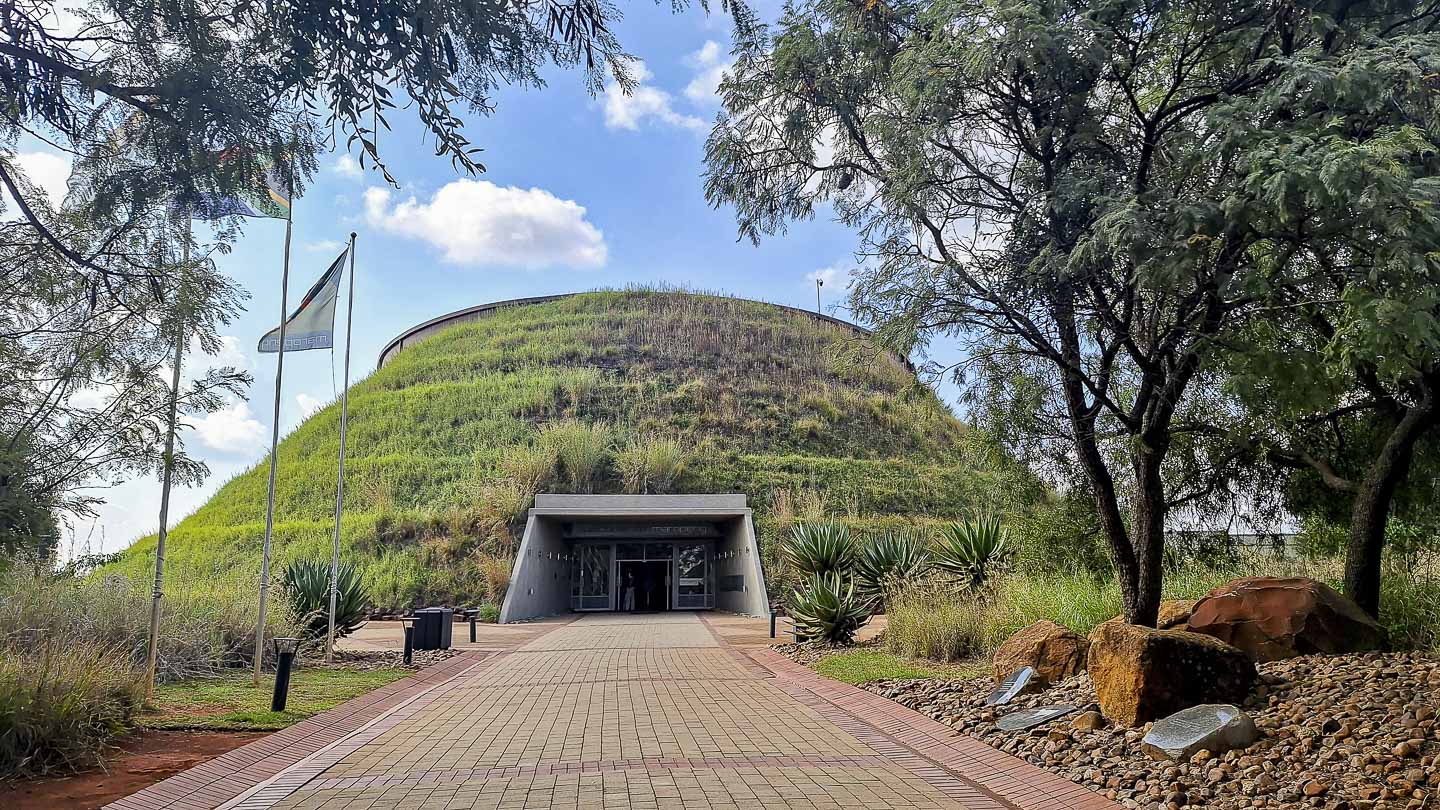
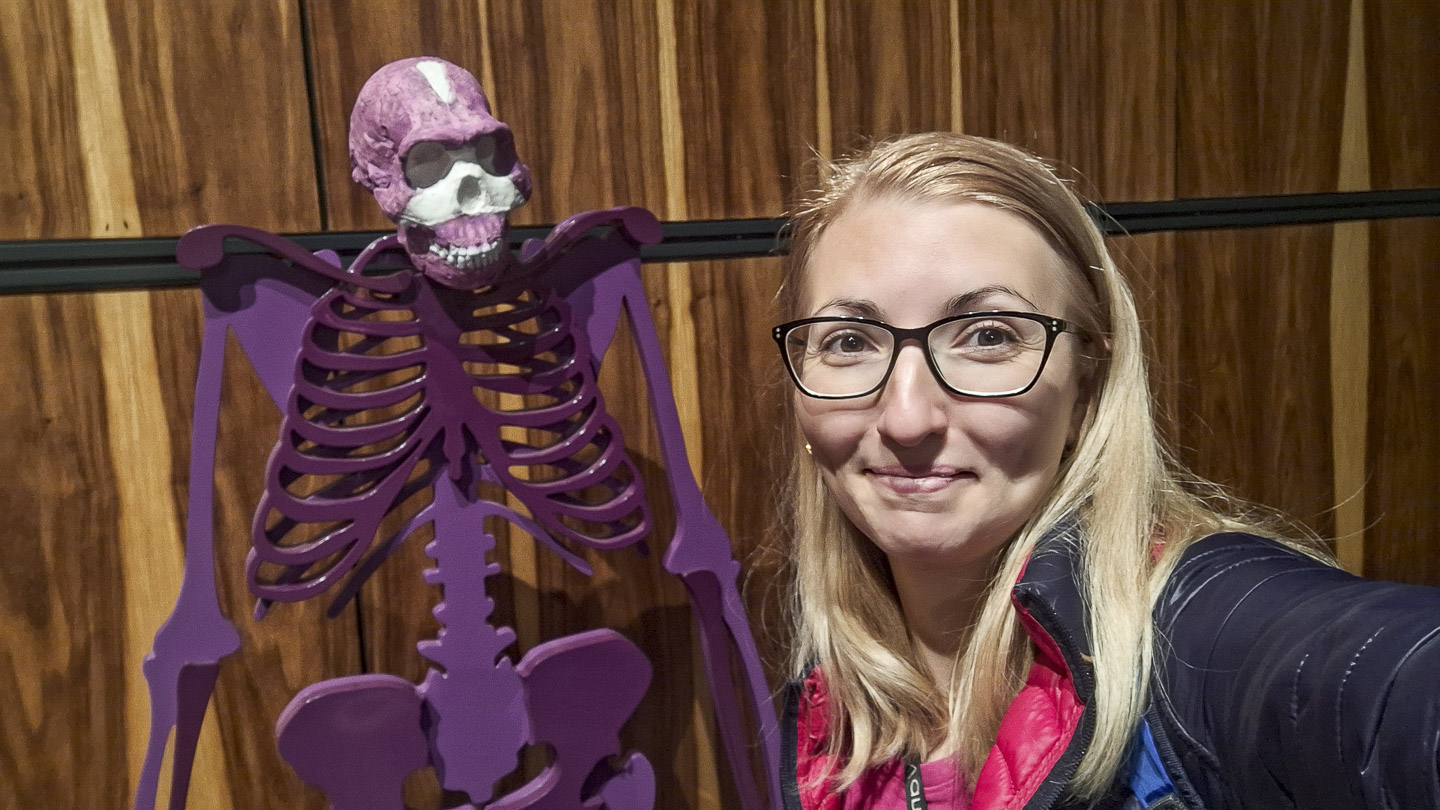
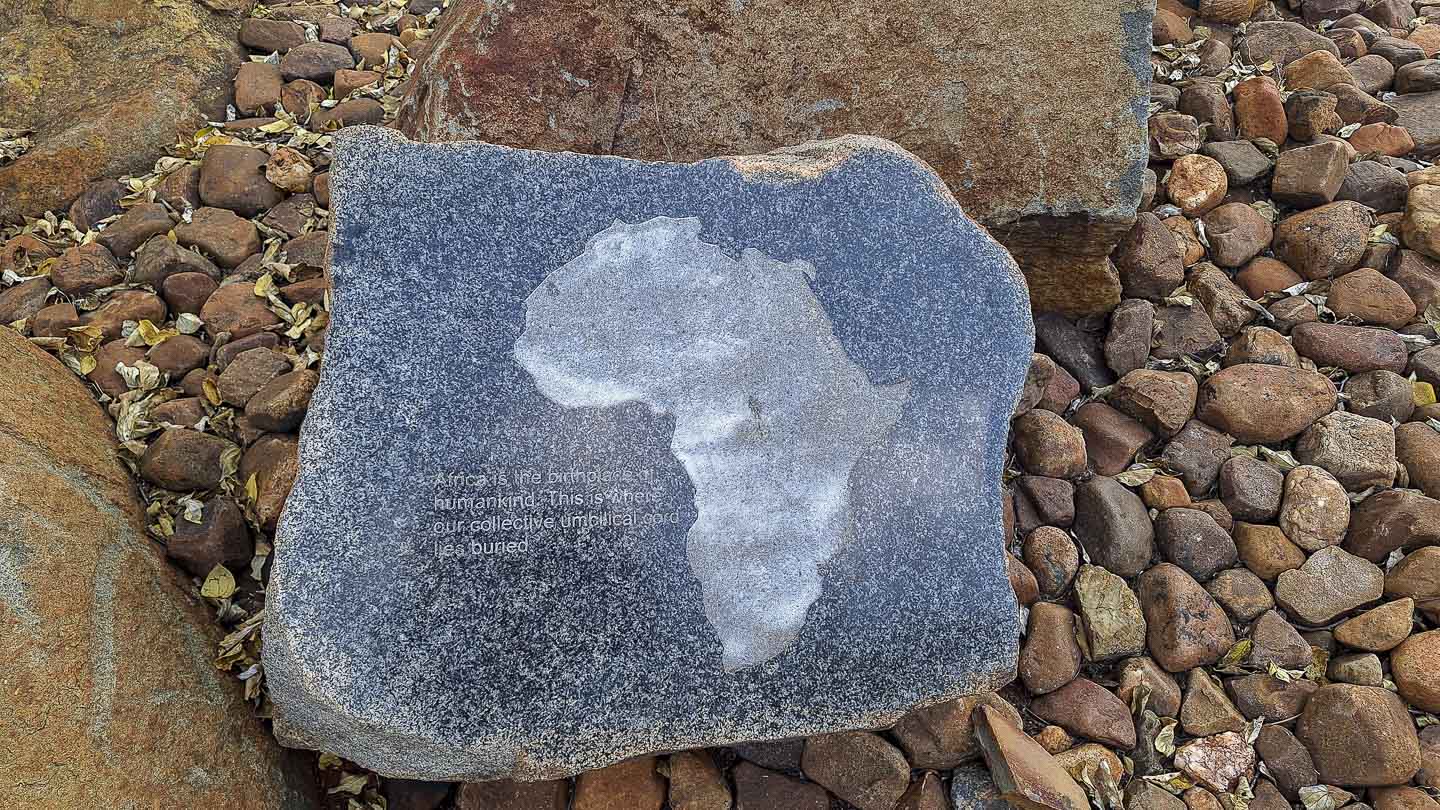
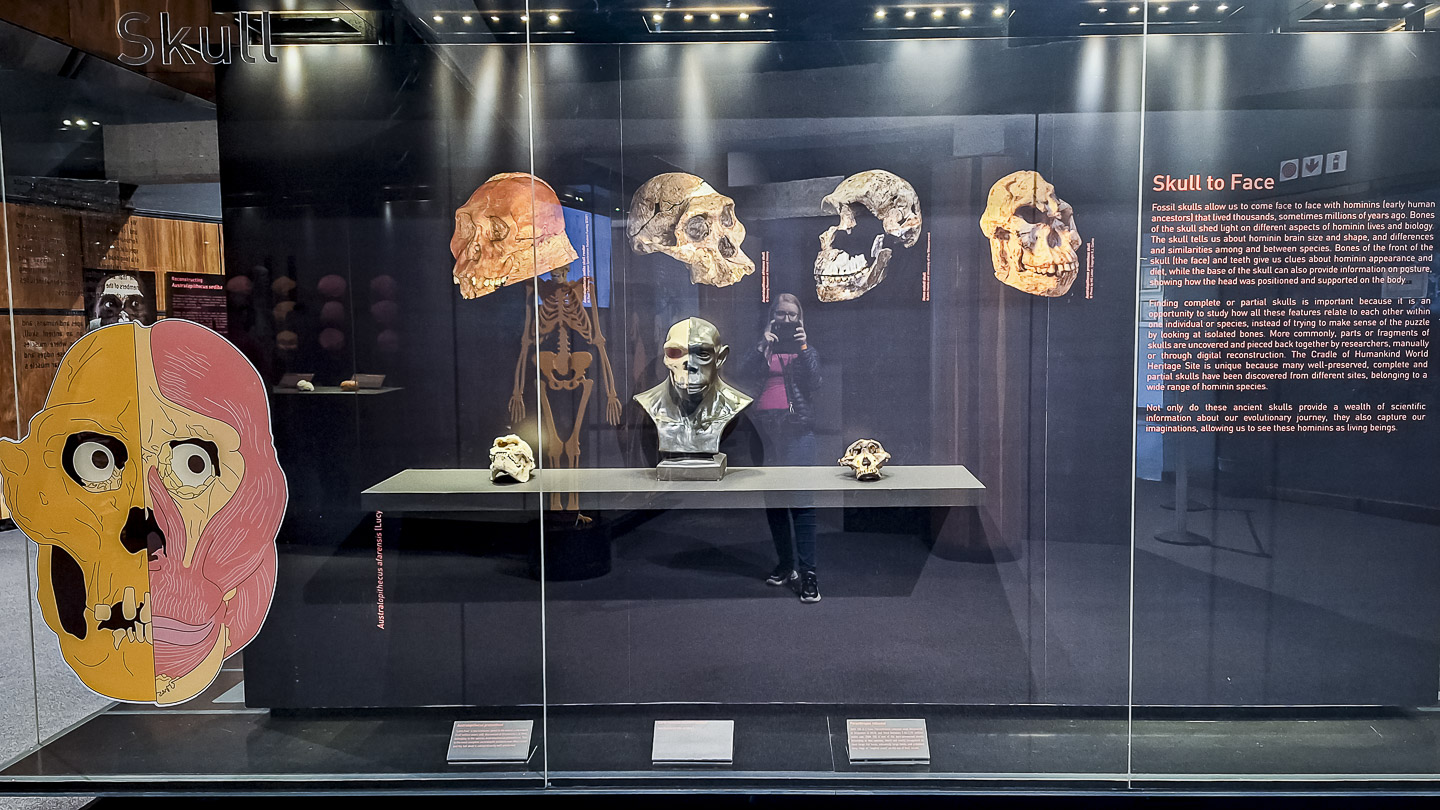
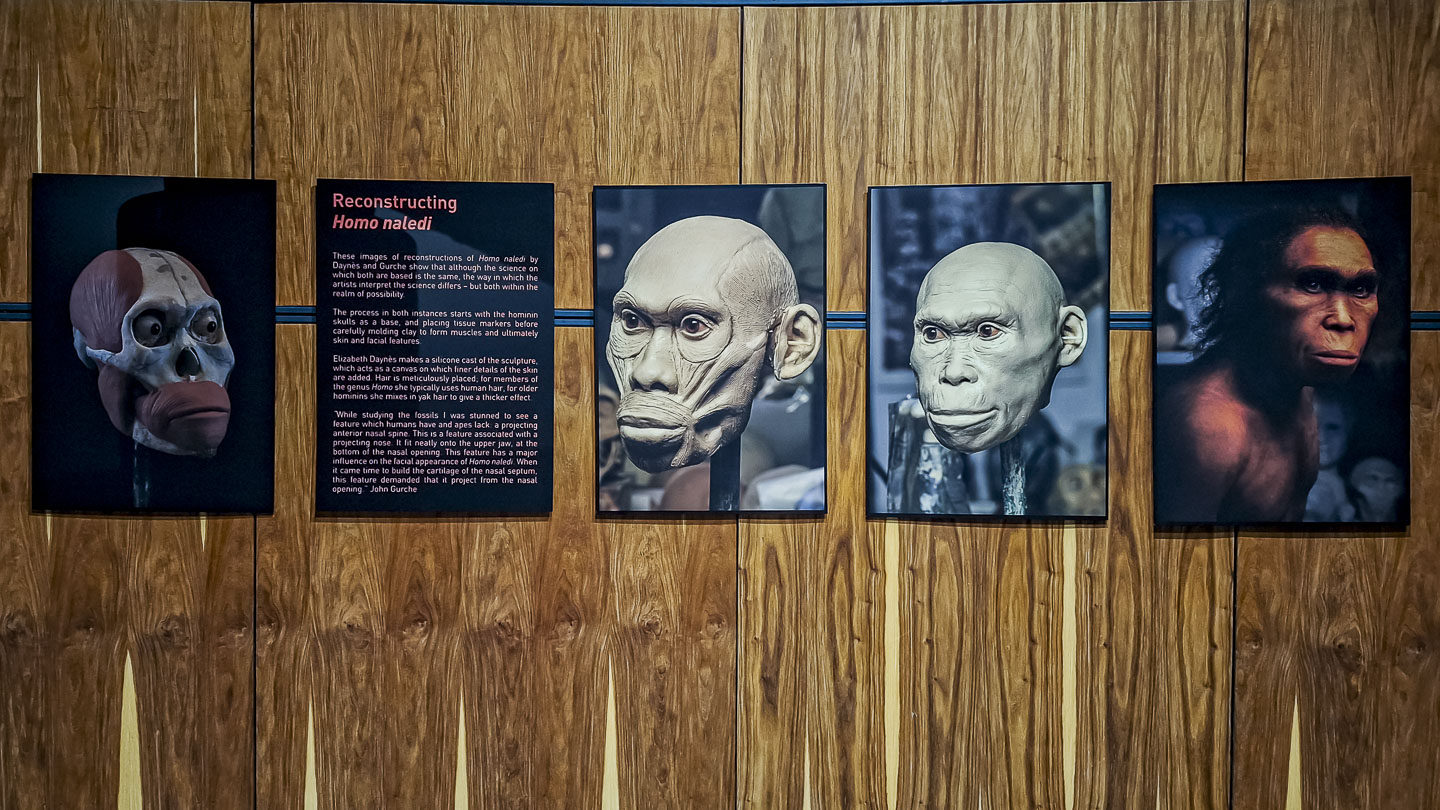
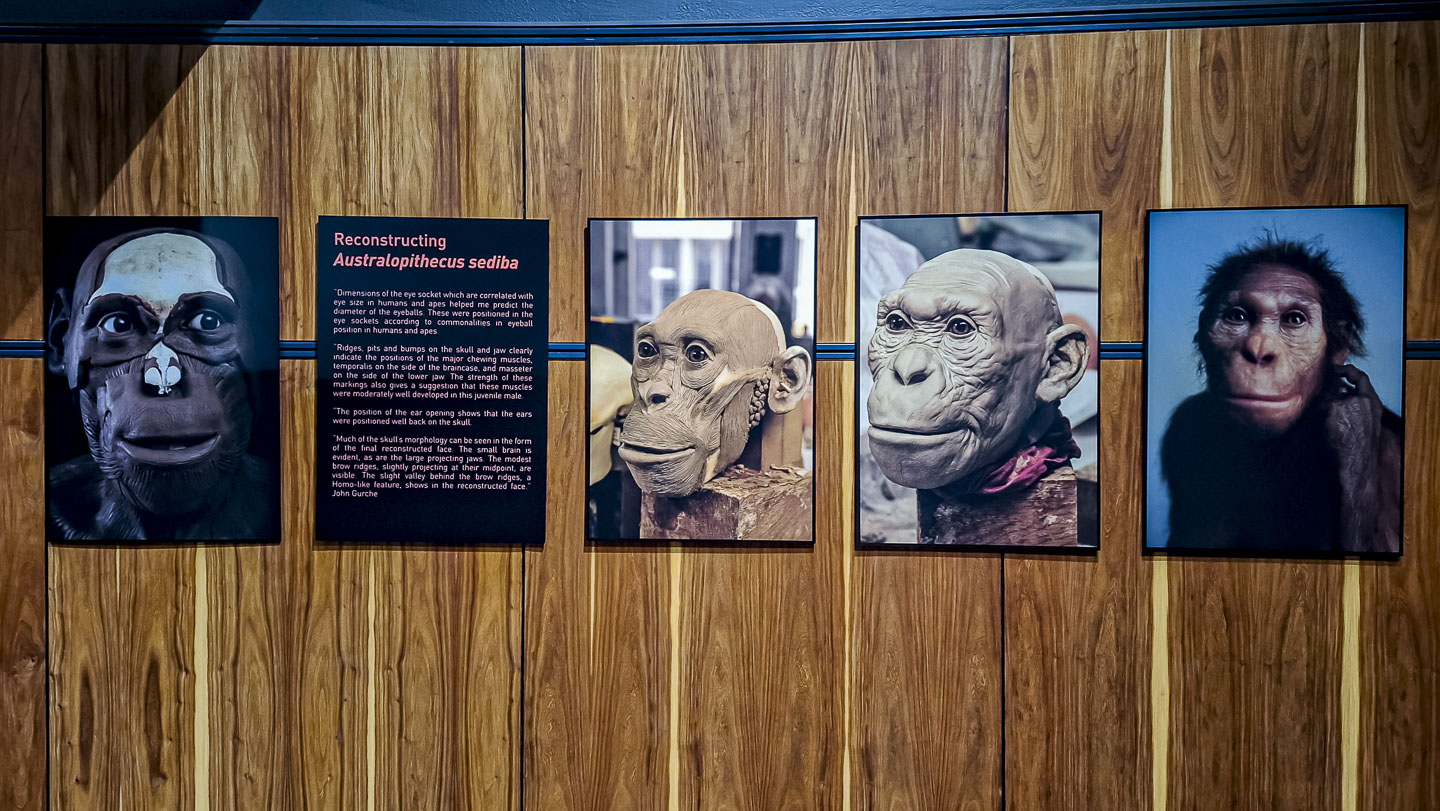
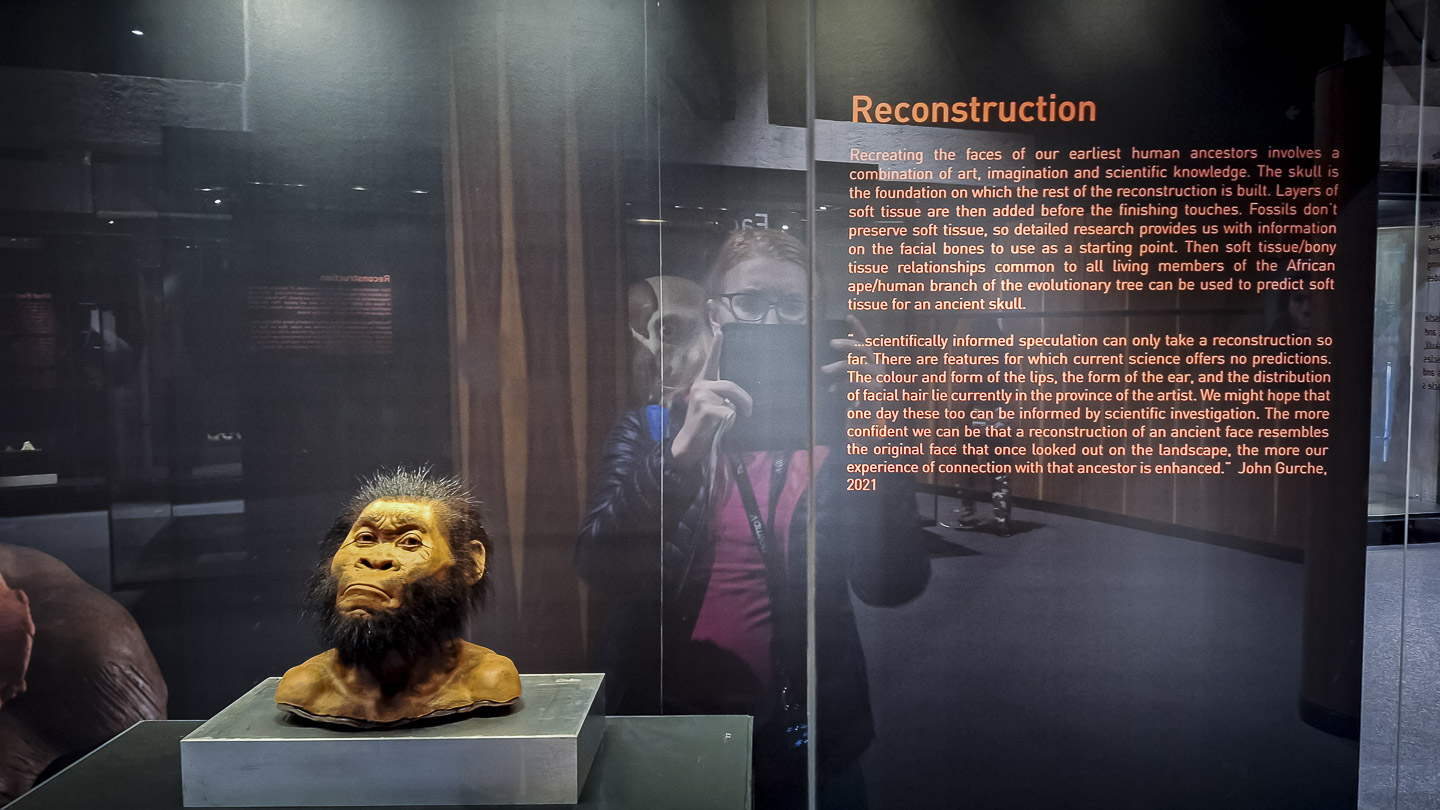
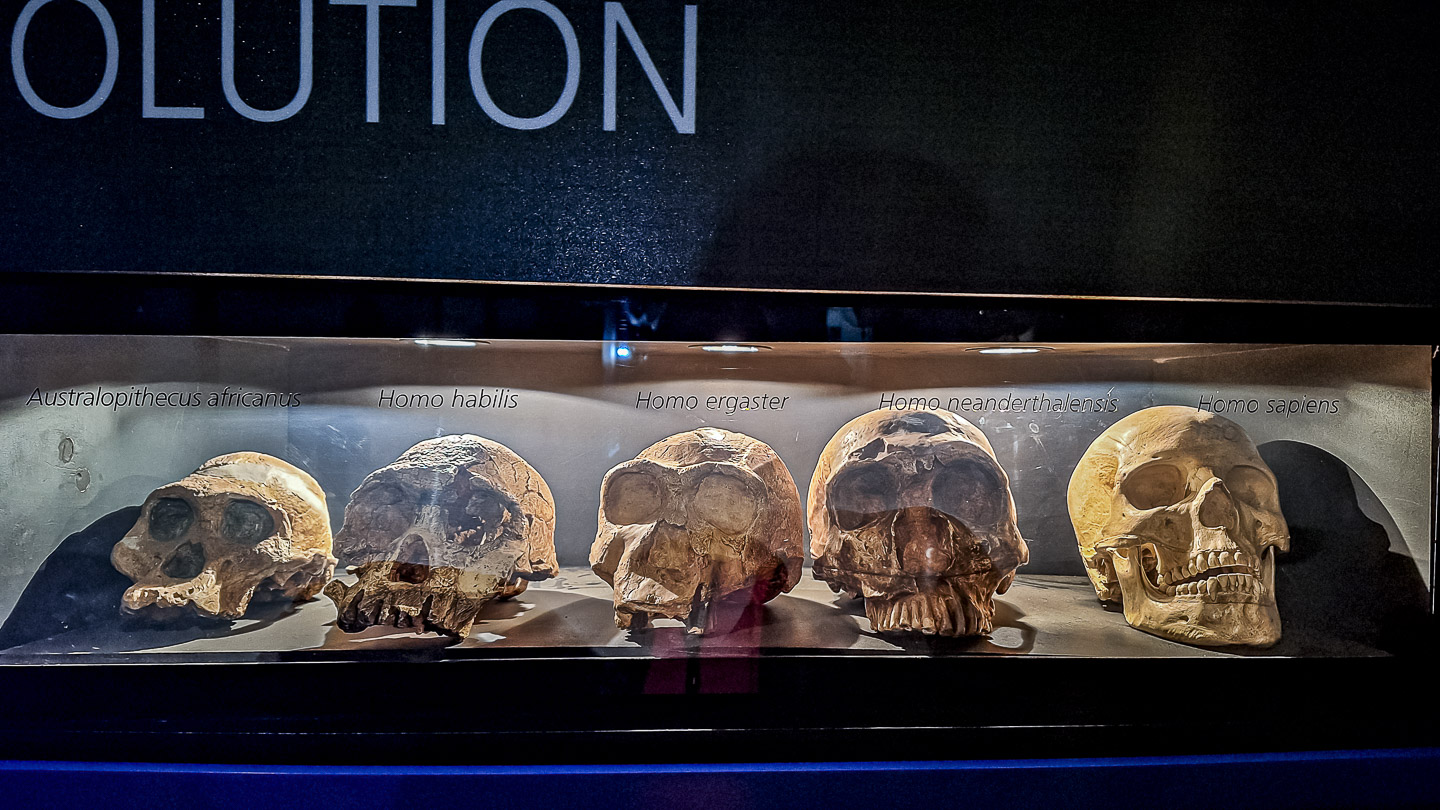
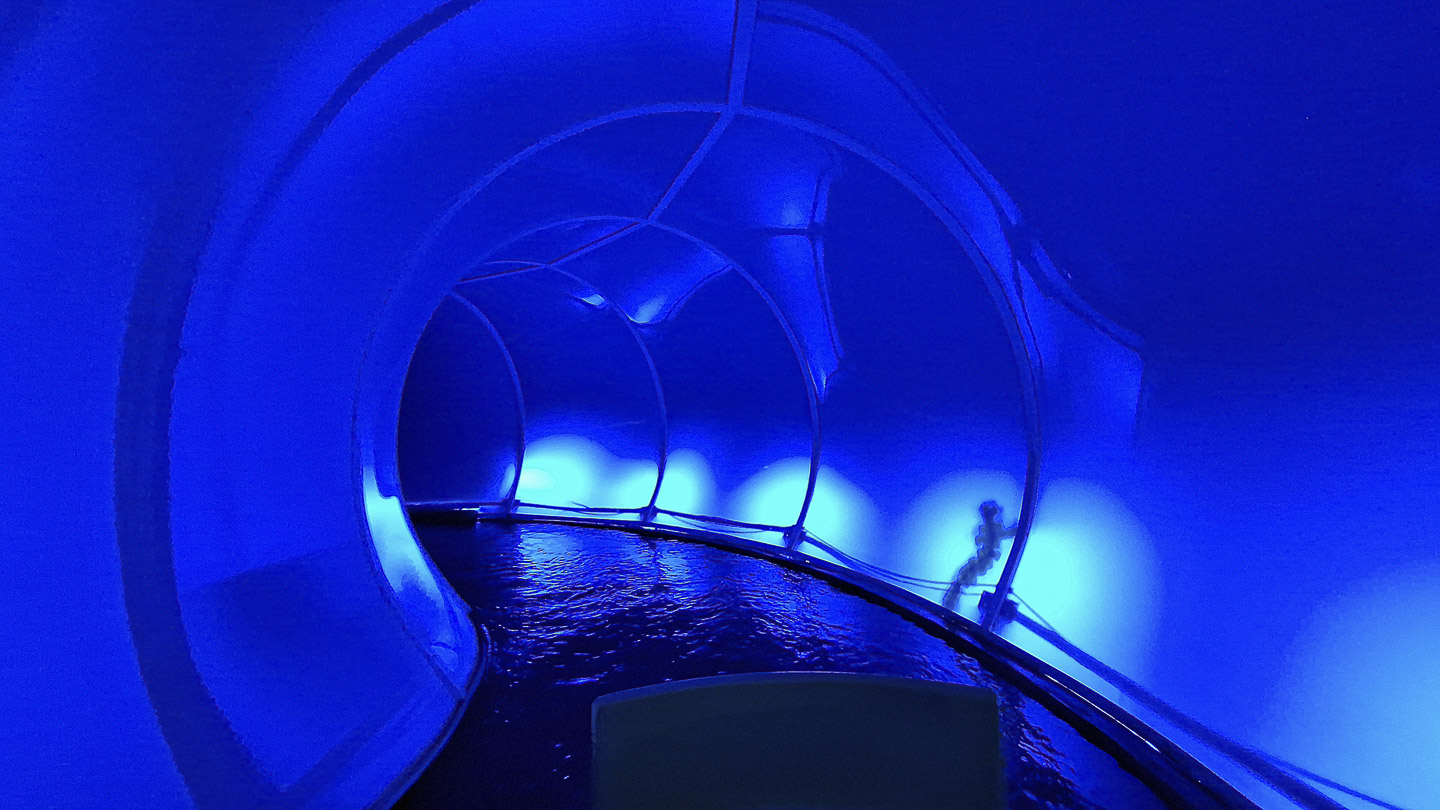
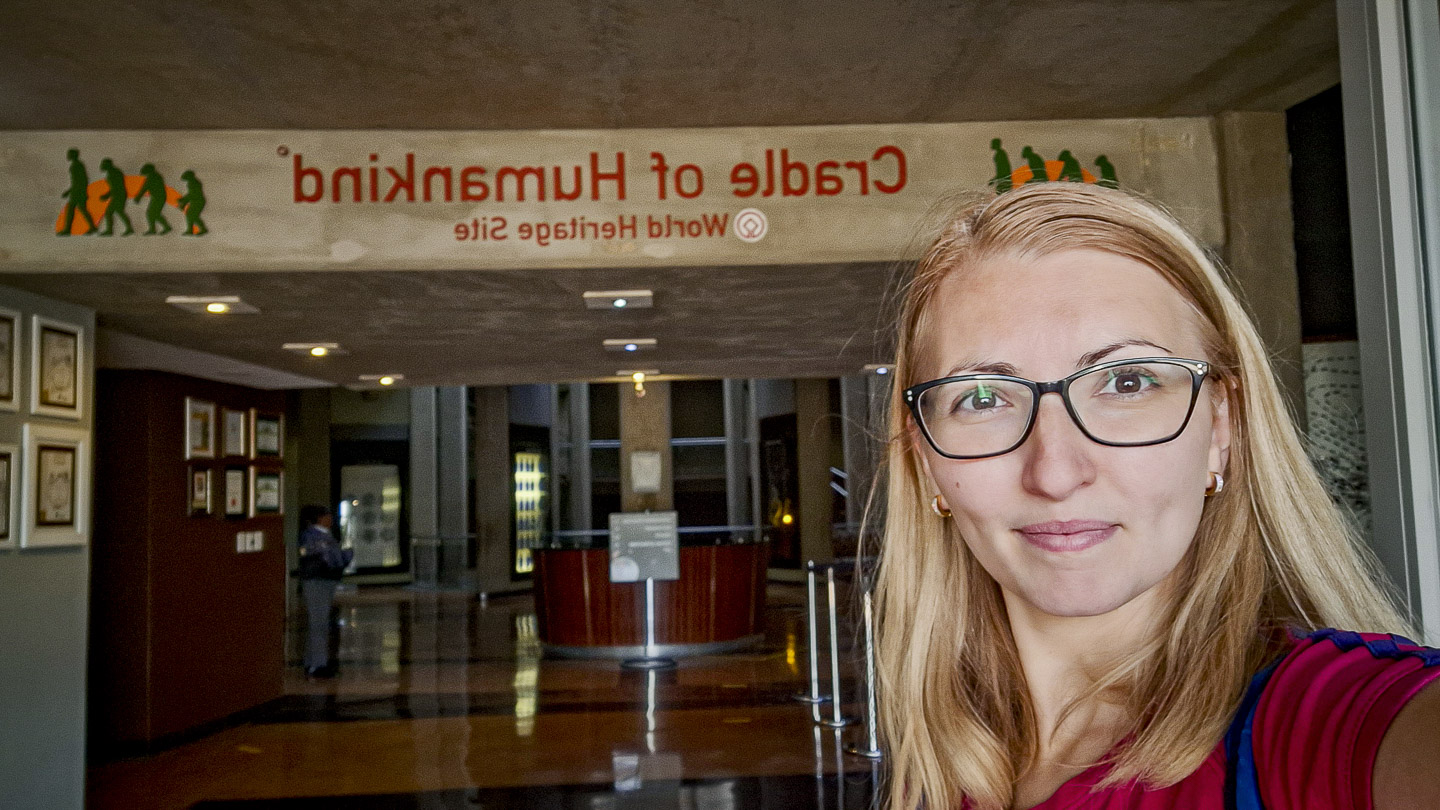
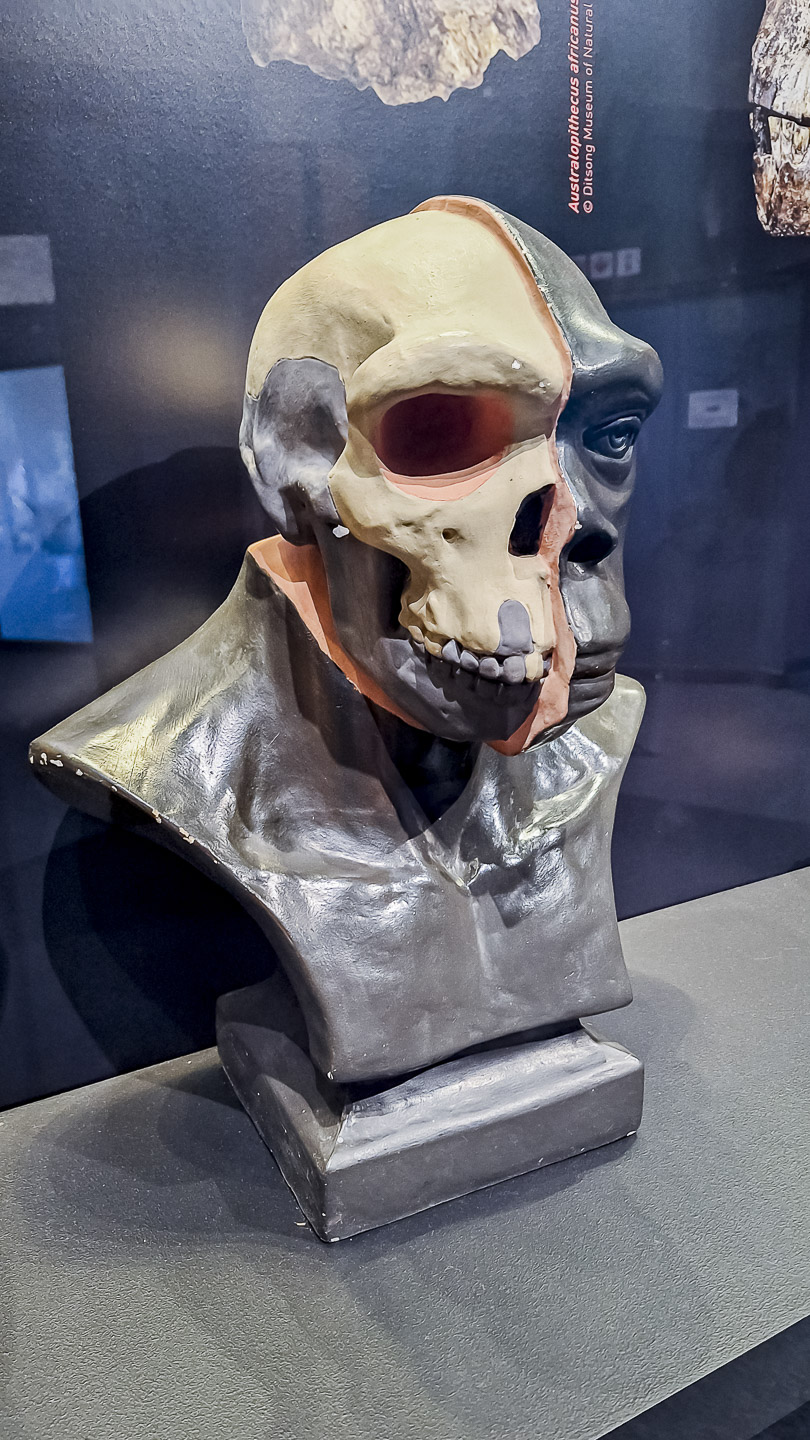
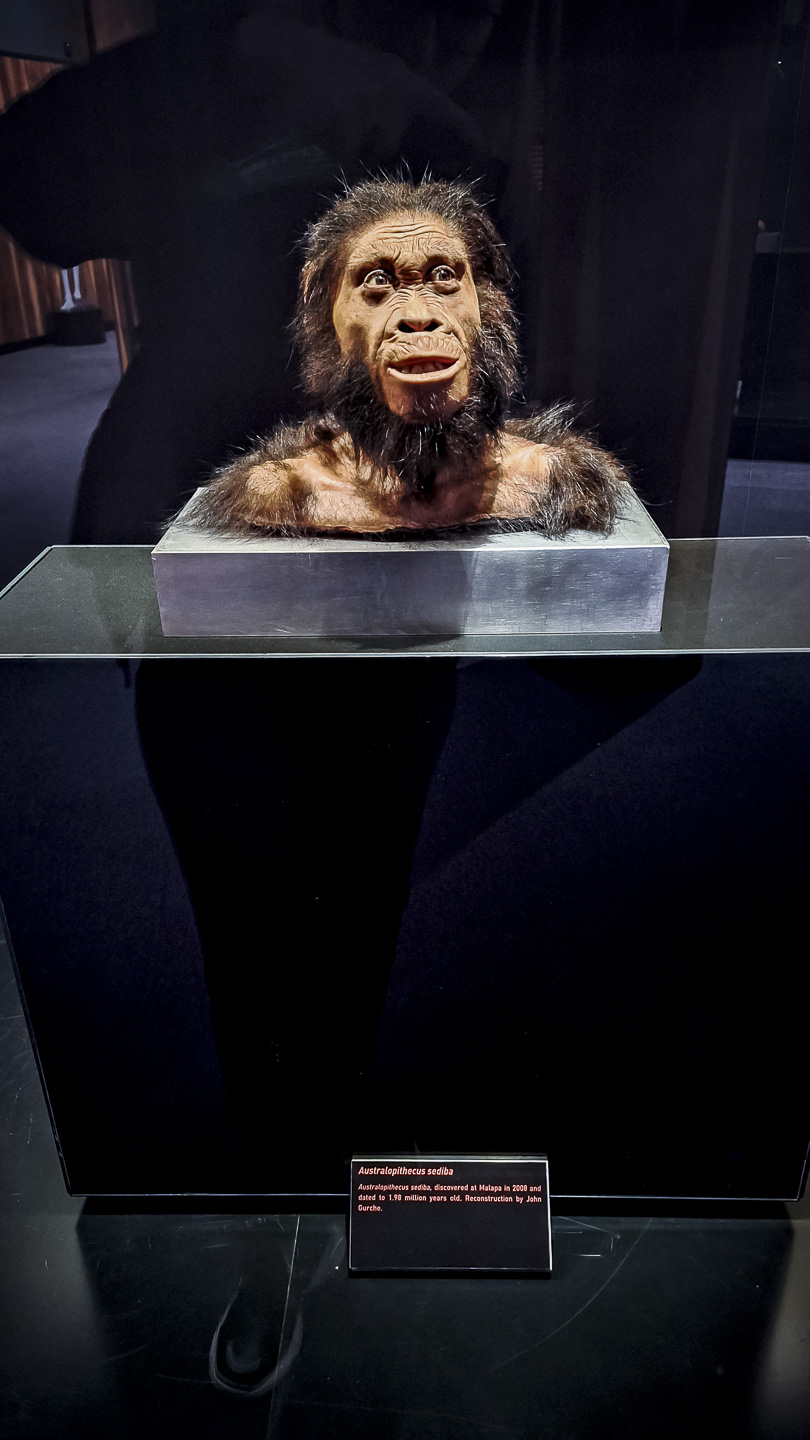
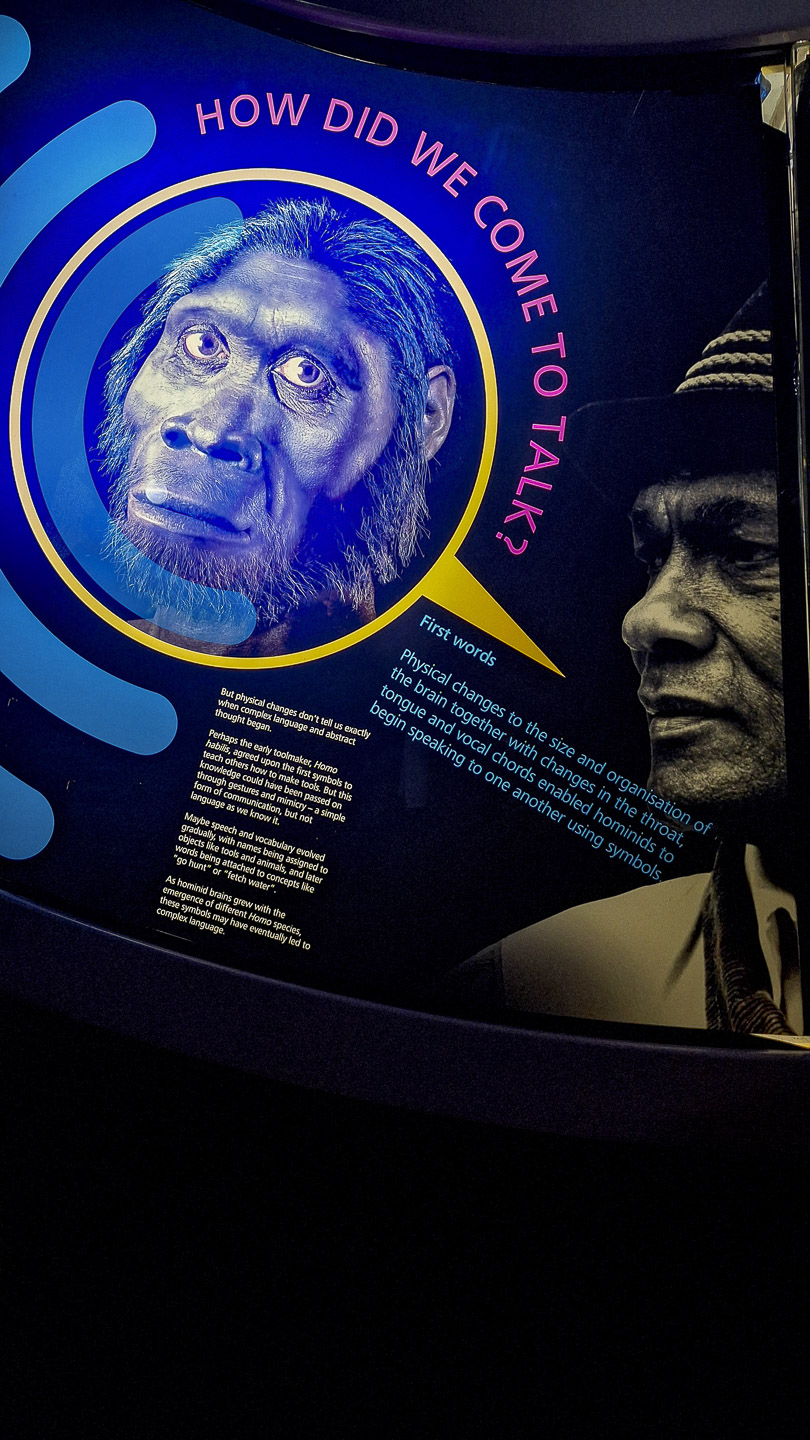
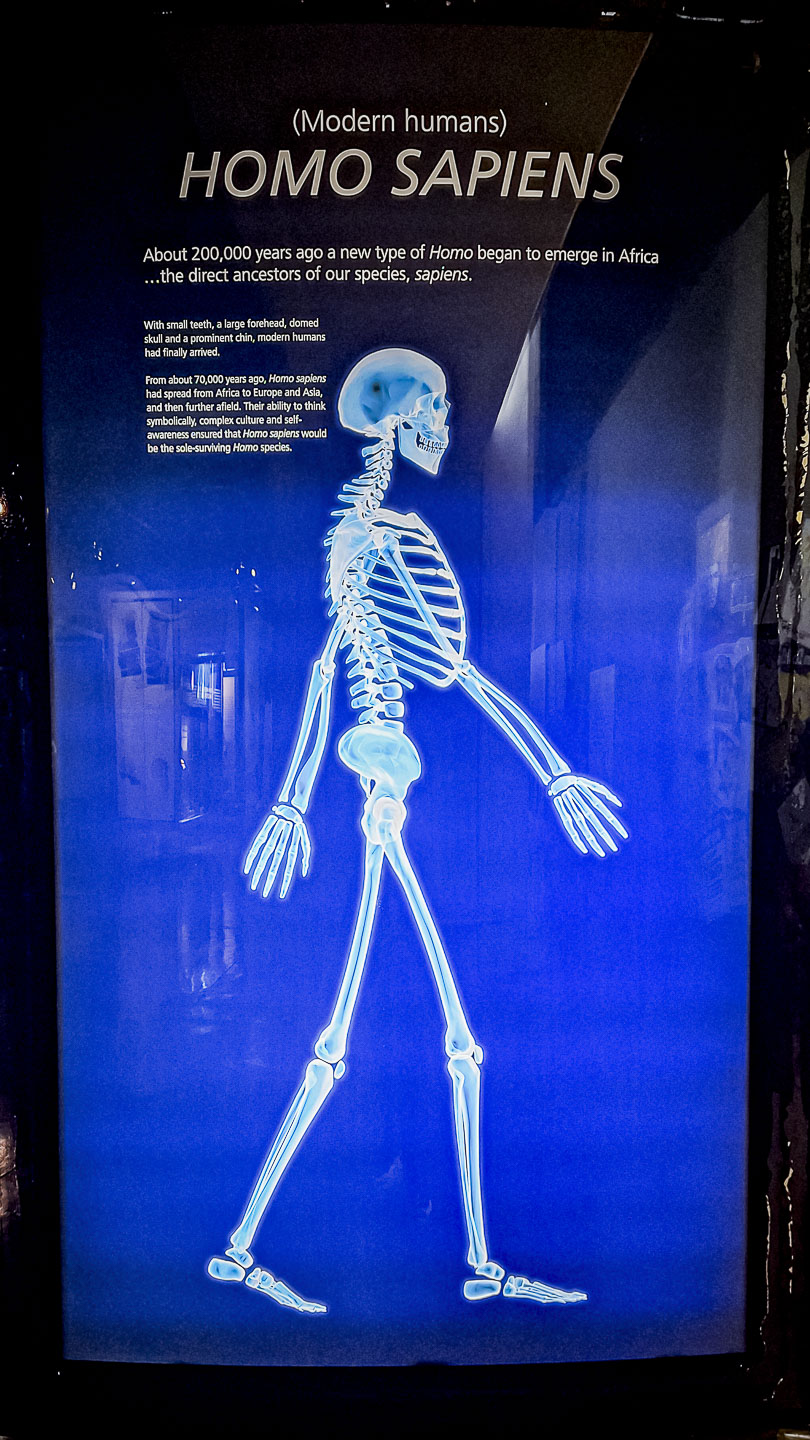
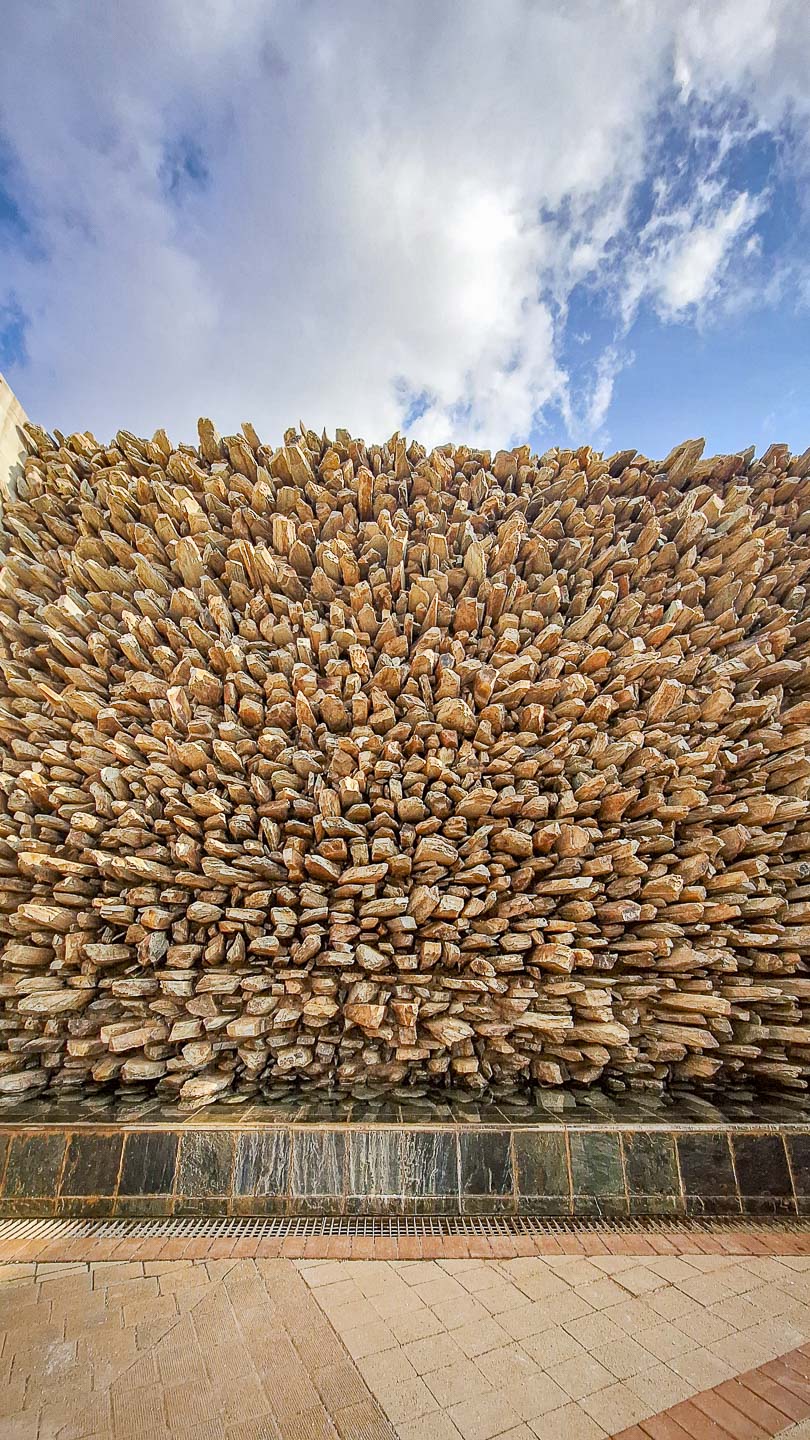
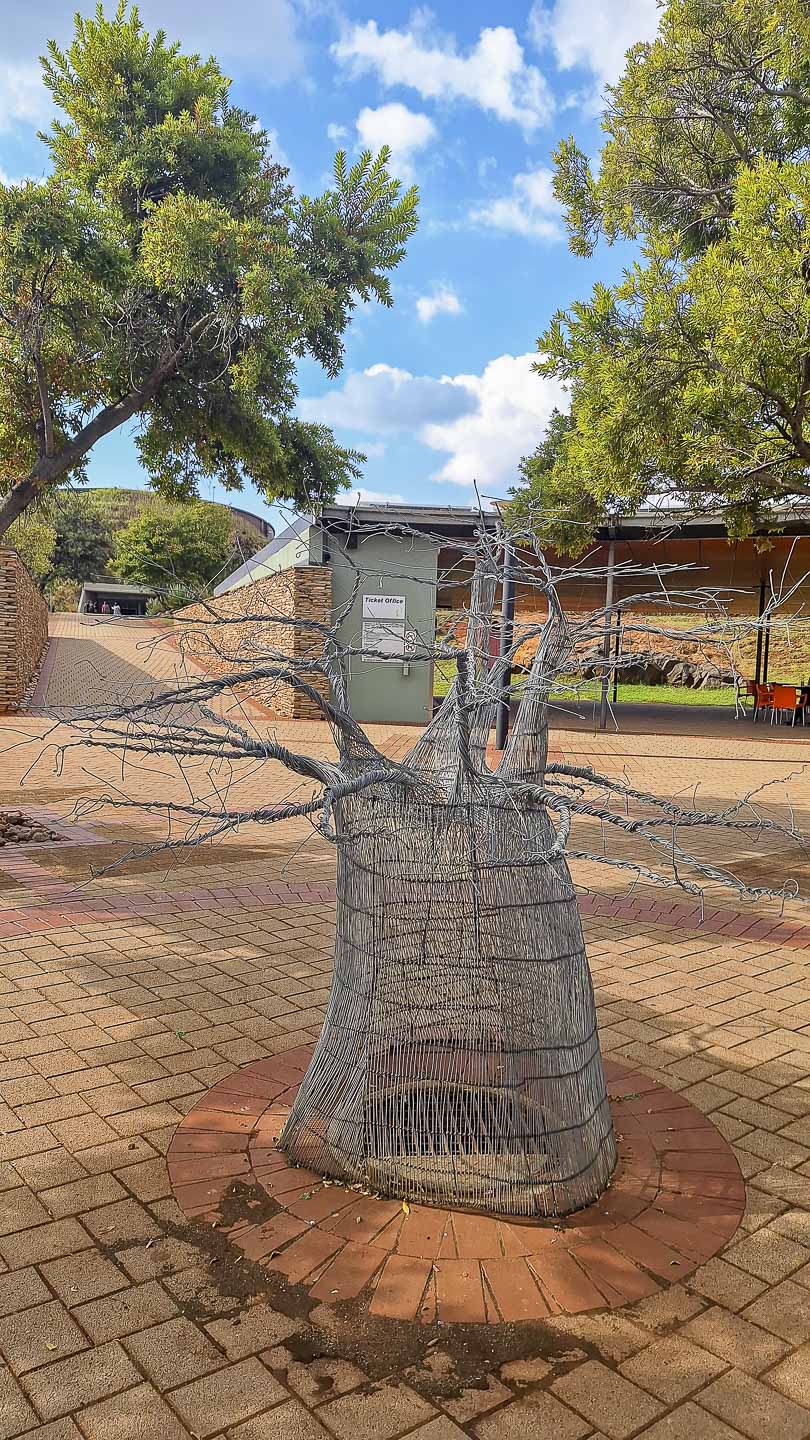
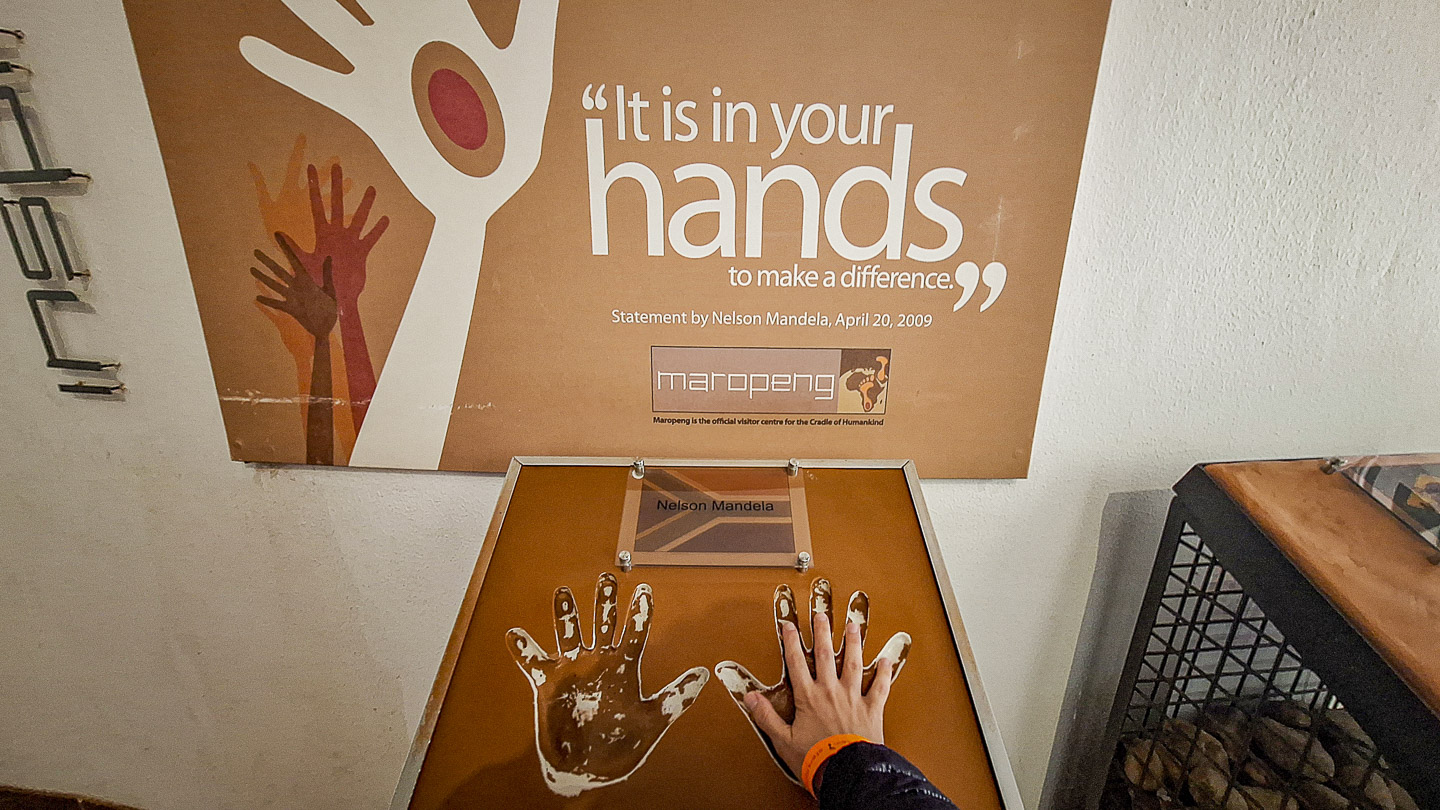
First we went to the MUSEUM OF HUMAN ORIGINS. The museum is open every day from 9:00 a.m. to 4:00 p.m. and the entrance fee is R125 = BGN 13. A museum dedicated to the theory of evolution. It was very interesting. There were replicas of bones and skulls of Australopithects supposedly and homo leagues. Too bad I don't believe in this theory in the least. To my not-so-pleasant surprise, the tour included a boat trip in a super dark cave where they made terribly loud and scary sounds, with the idea of recreating the lives of the first cavemen. Honestly, I wasn't prepared for that. The worst part was that I was alone on the boat. It was so scary!

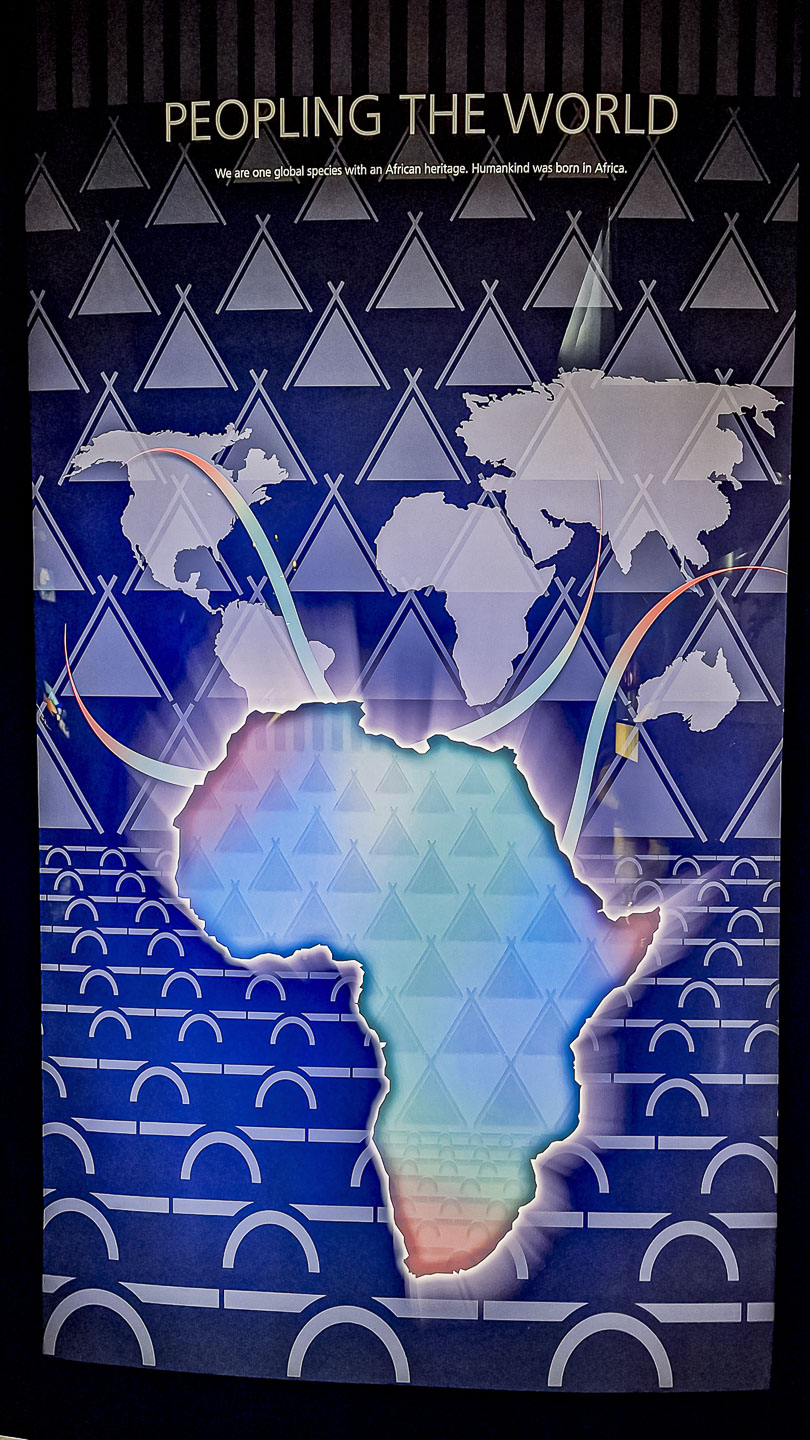
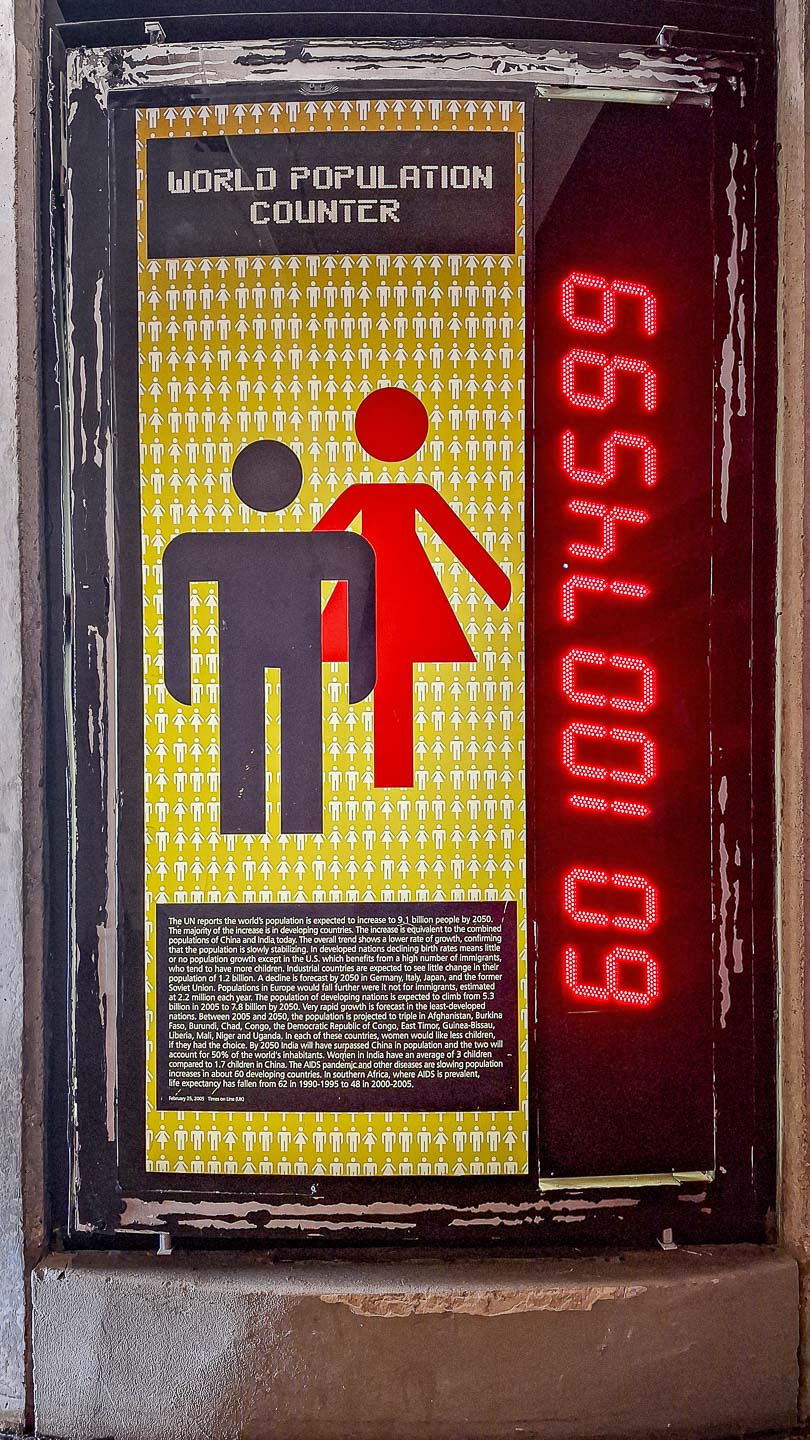
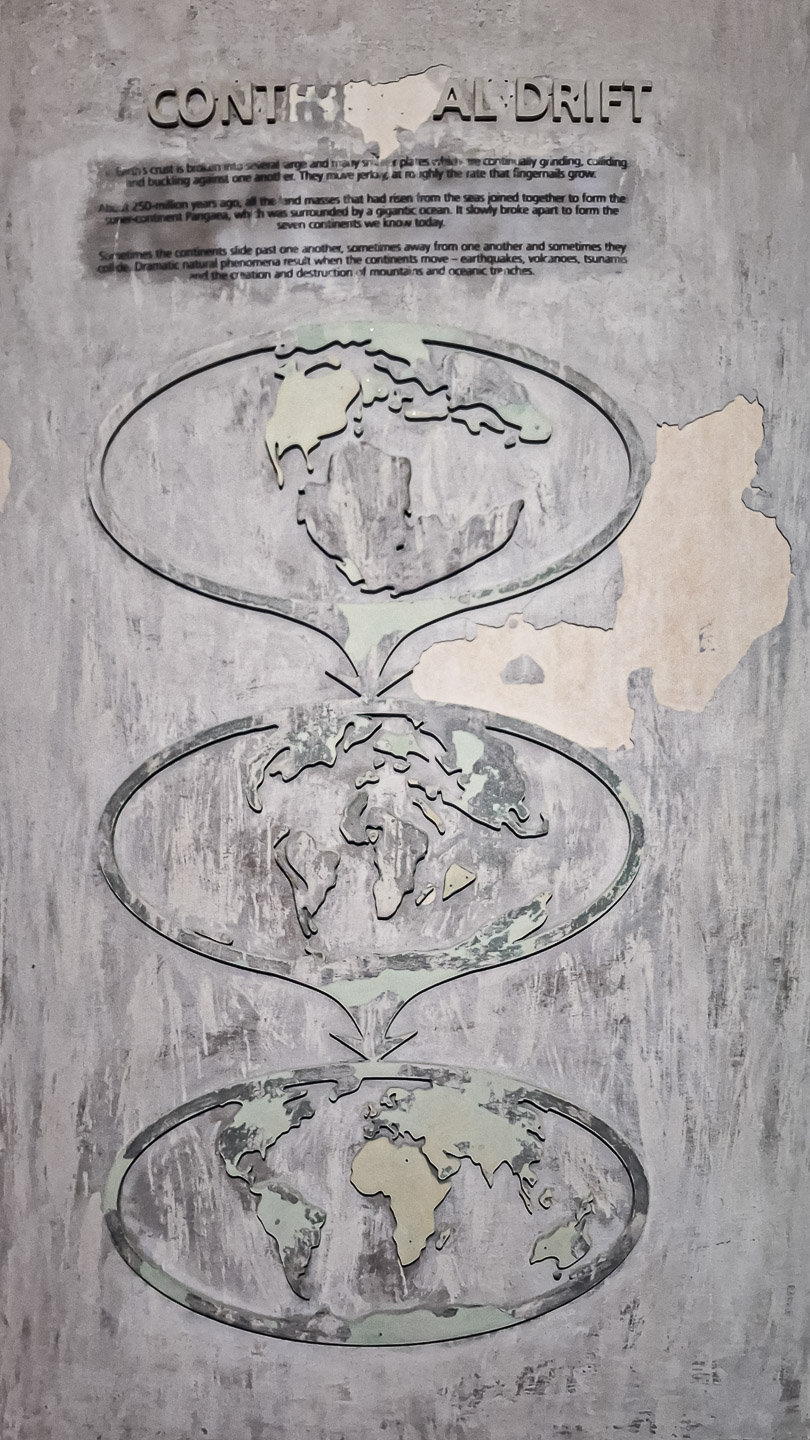
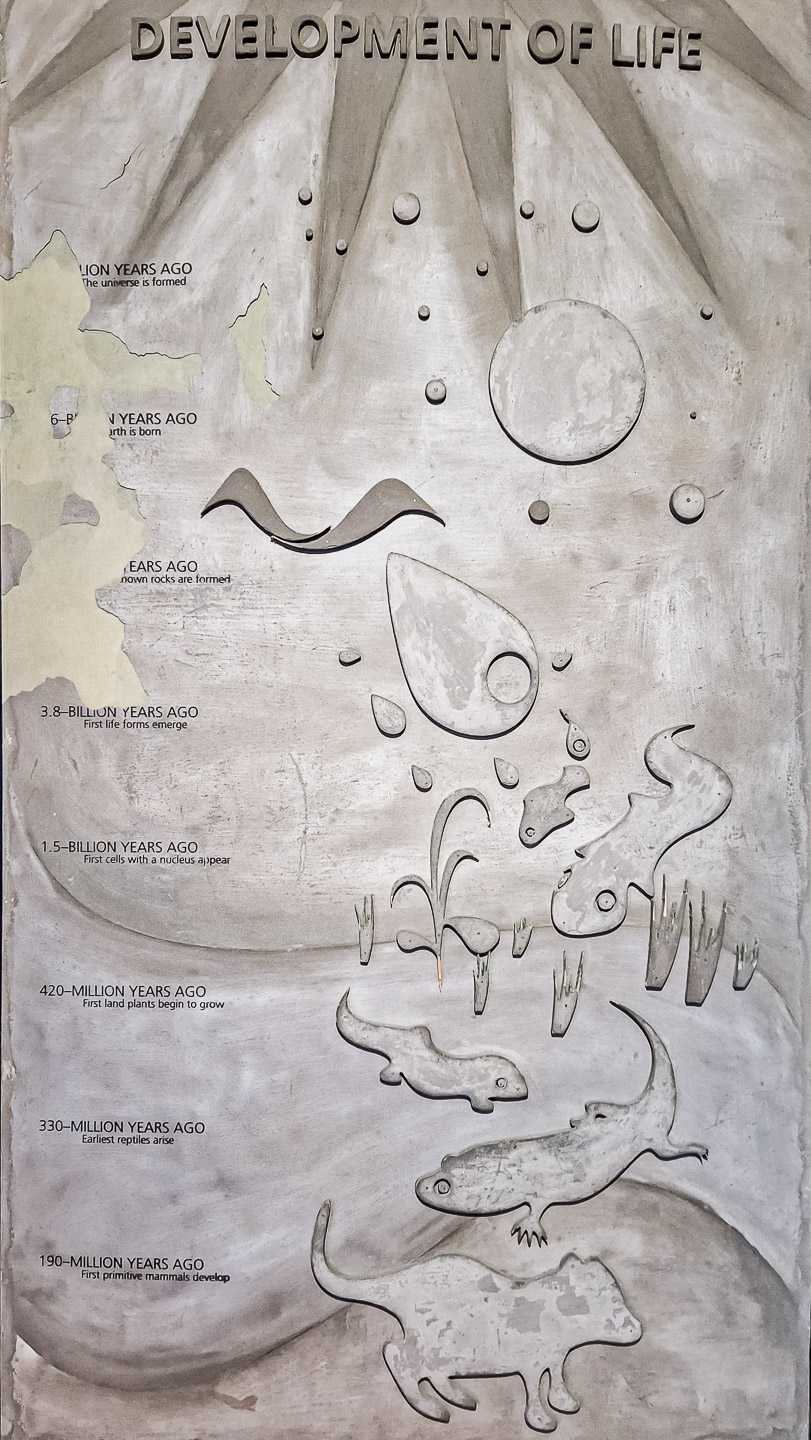
Some interesting but also sad facts
1. In the middle of the 19th century, a person only needed 18 liters/day, while in the 21st century he needed 160 liters/day.
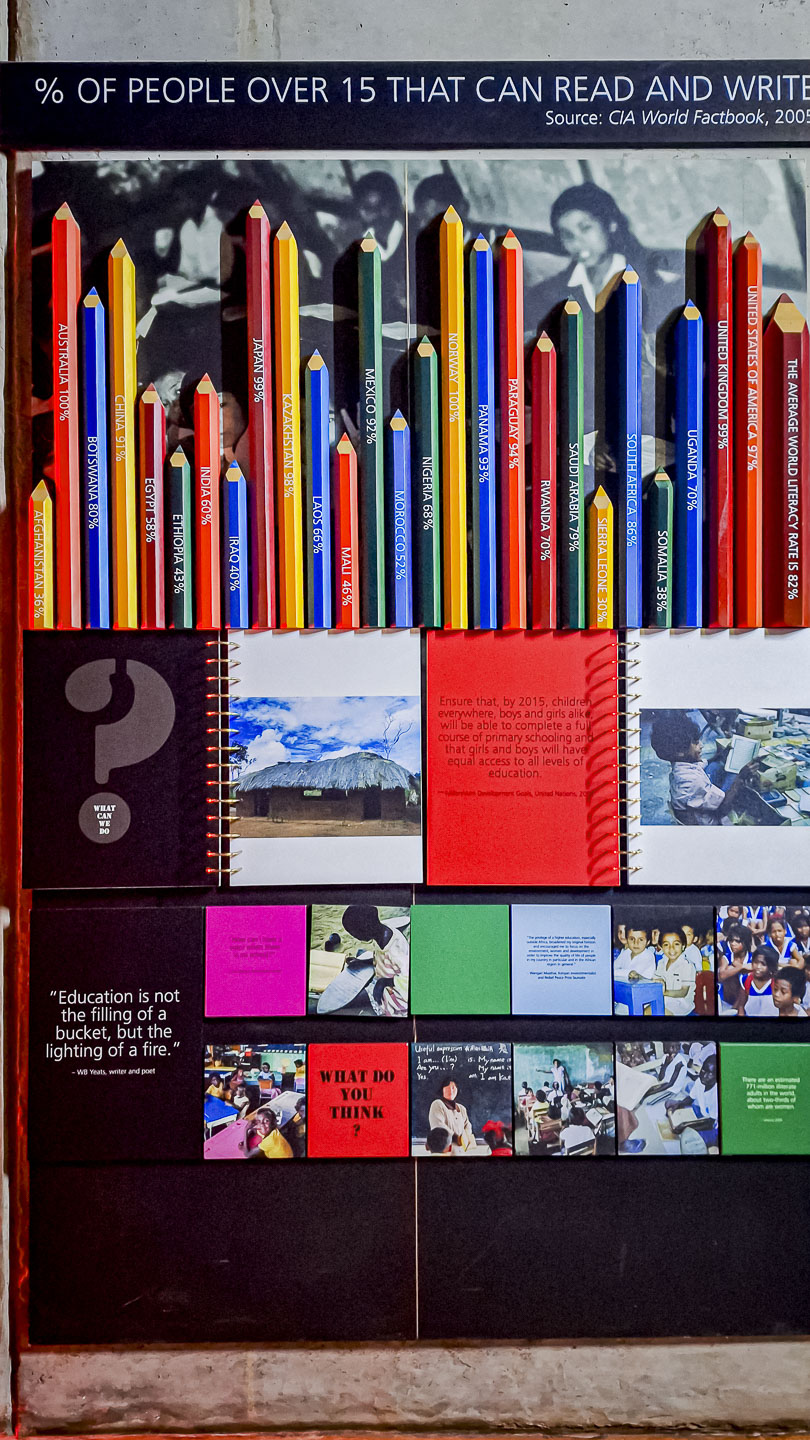
2. In sub-Saharan Africa, the ratio of children graduating school was 8:1 in favor of boys at the expense of girls.
3. Life expectancy is 76 years. for North America and 51. for Africa.
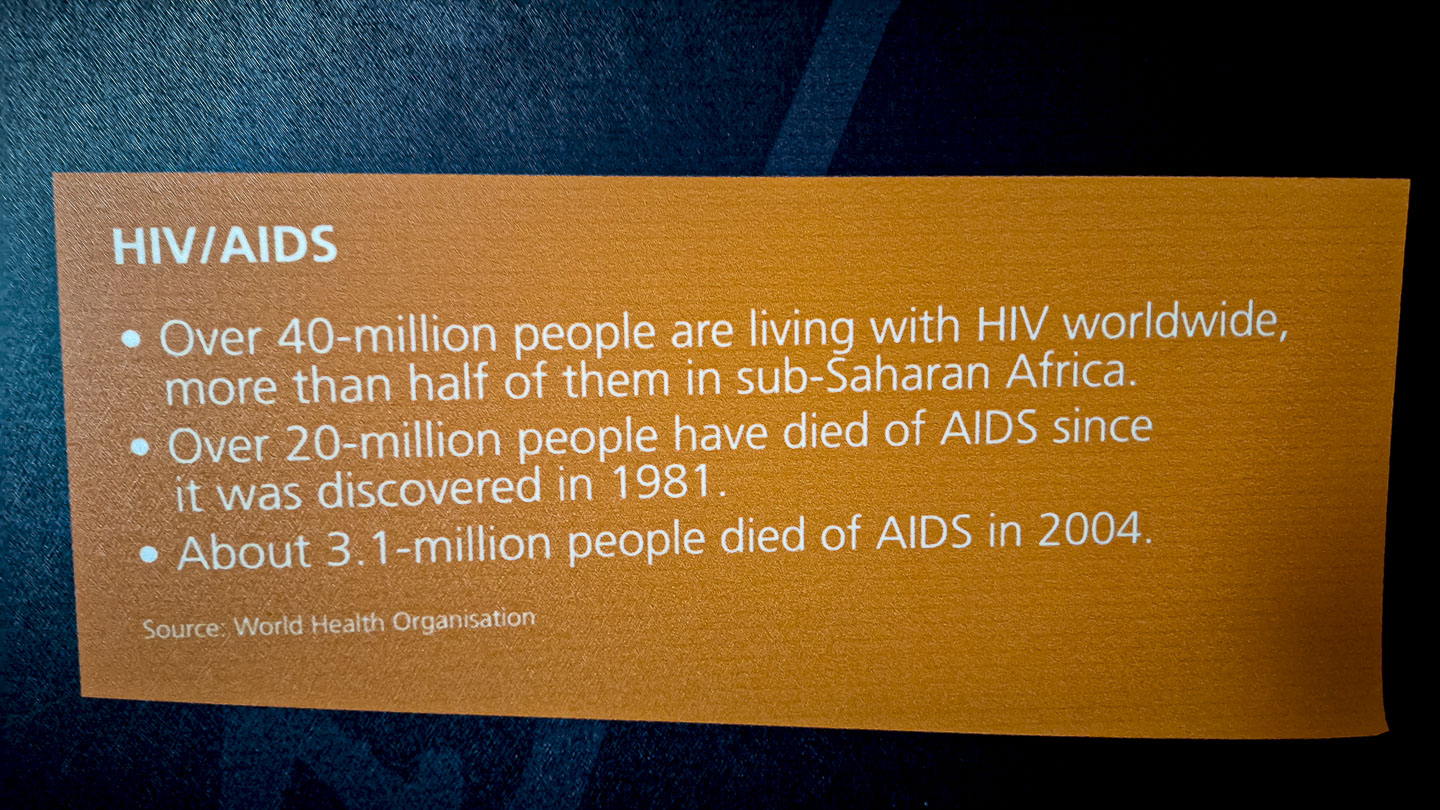
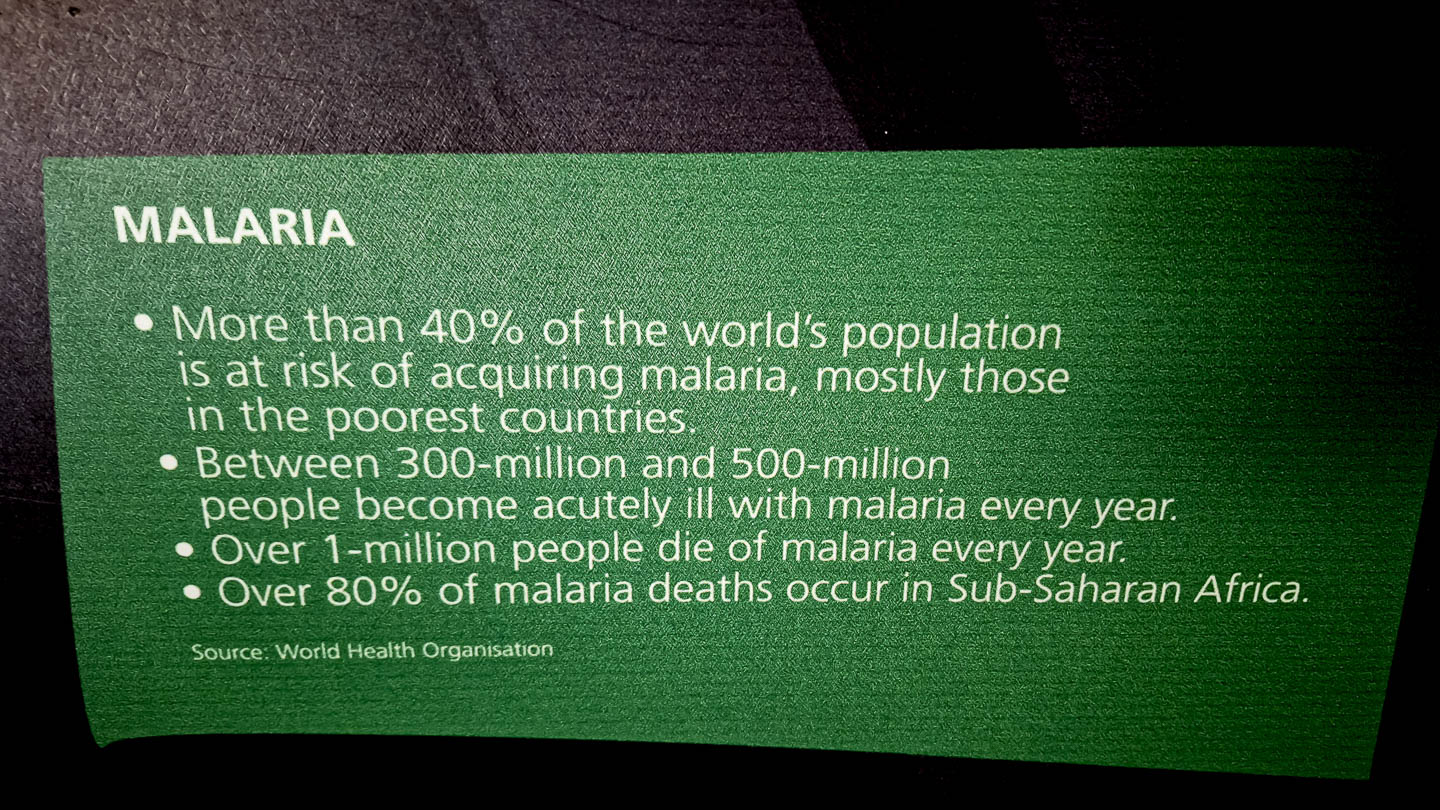
4. Over 1 million people die of malaria every year. 80% are from the countries in sub-Saharan Africa.
5. Over 2 million people die of tuberculosis every year in the world.
6. The countries where people over 15 years old. They can read and write:
South Africa - 86%
Botswana - 80%
Uganda - 70%
Rwanda - 70%
Nigeria - 68%
Laos - 66%
India - 60%
Egypt - 58%
Morocco - 52%
Mali – 46%
Iraq - 40%
Somalia - 38%
Afghanistan - 36%
Sierra Leone - 30%
Like my page on Facebook to be the first to learn about new travelogues and adventures!




Lessedi Cultural Village
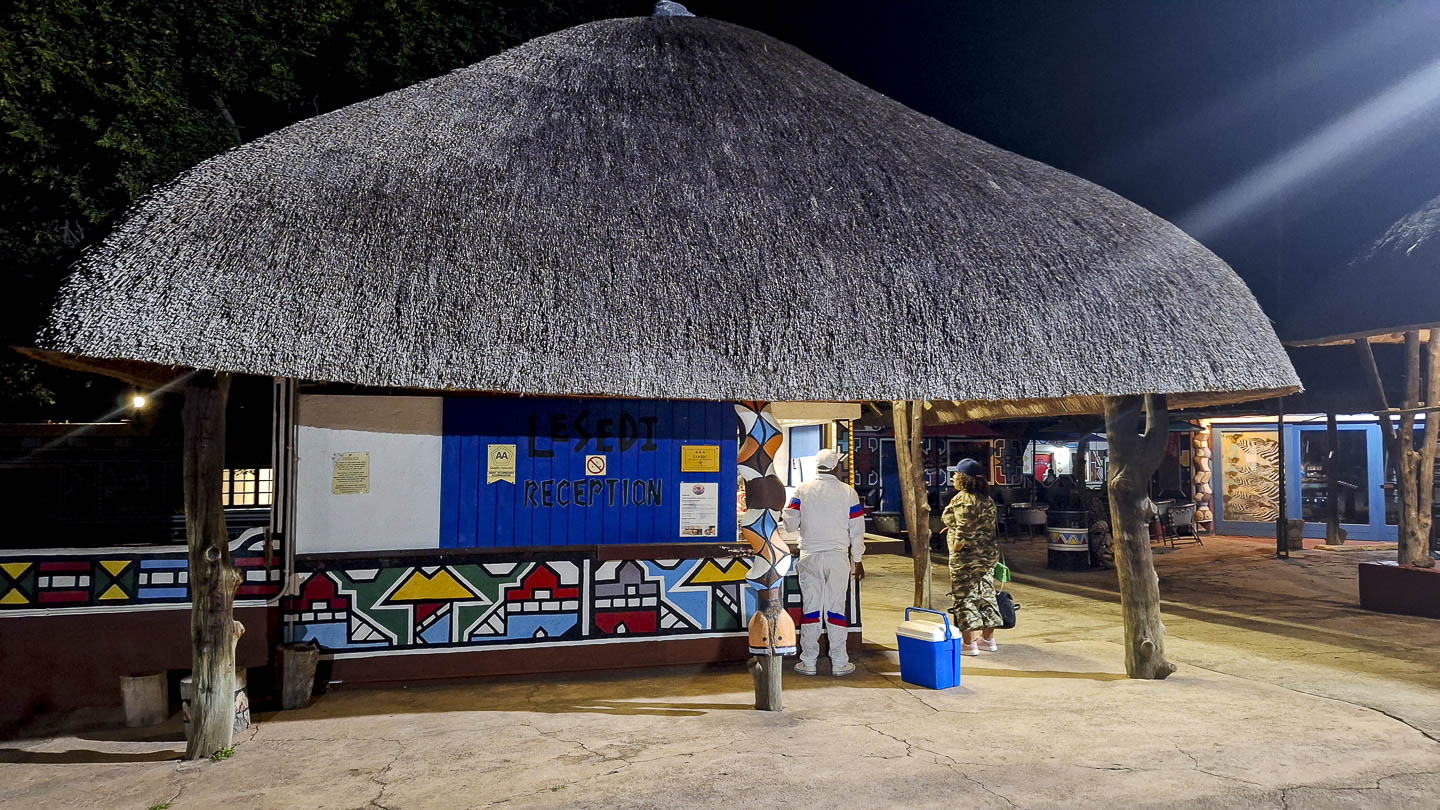
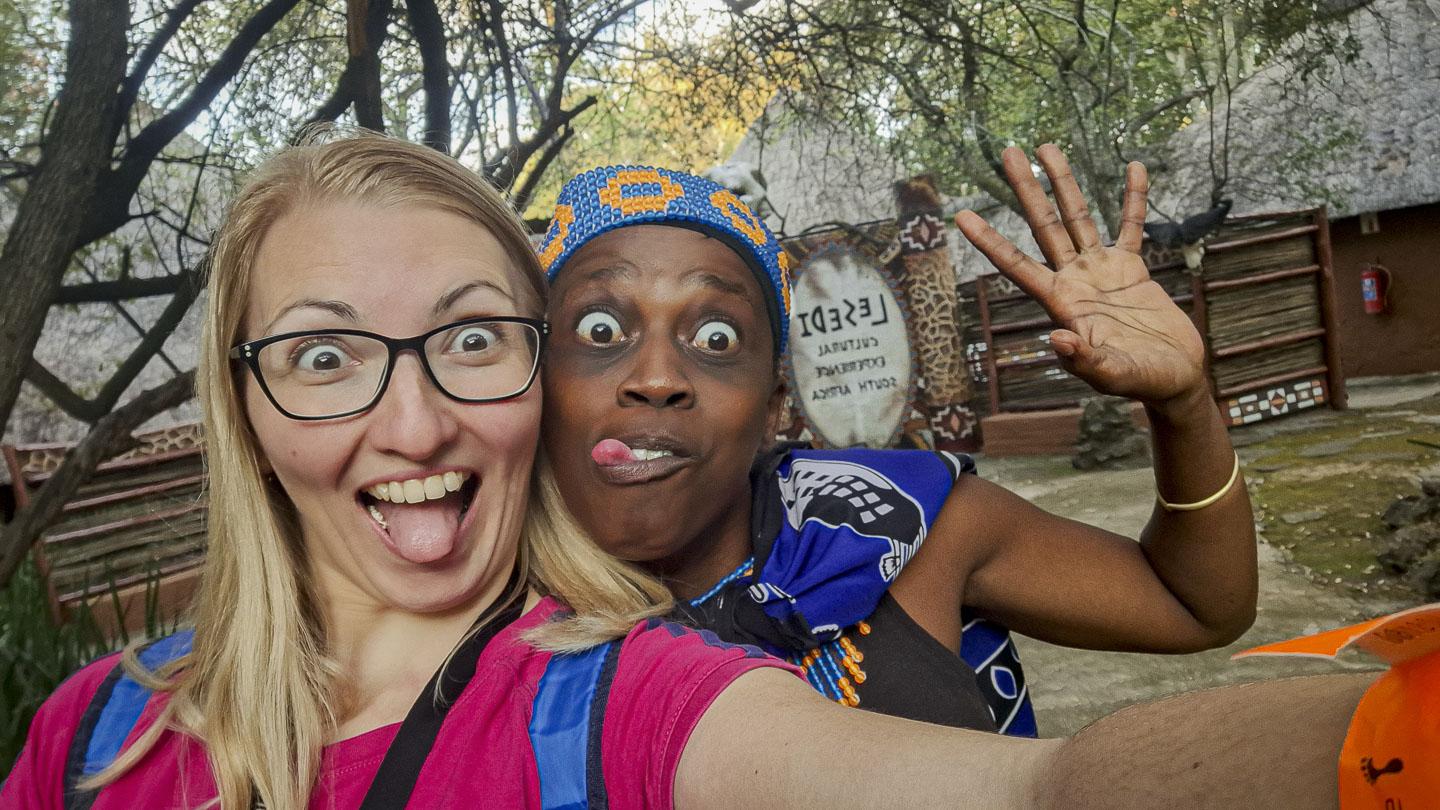
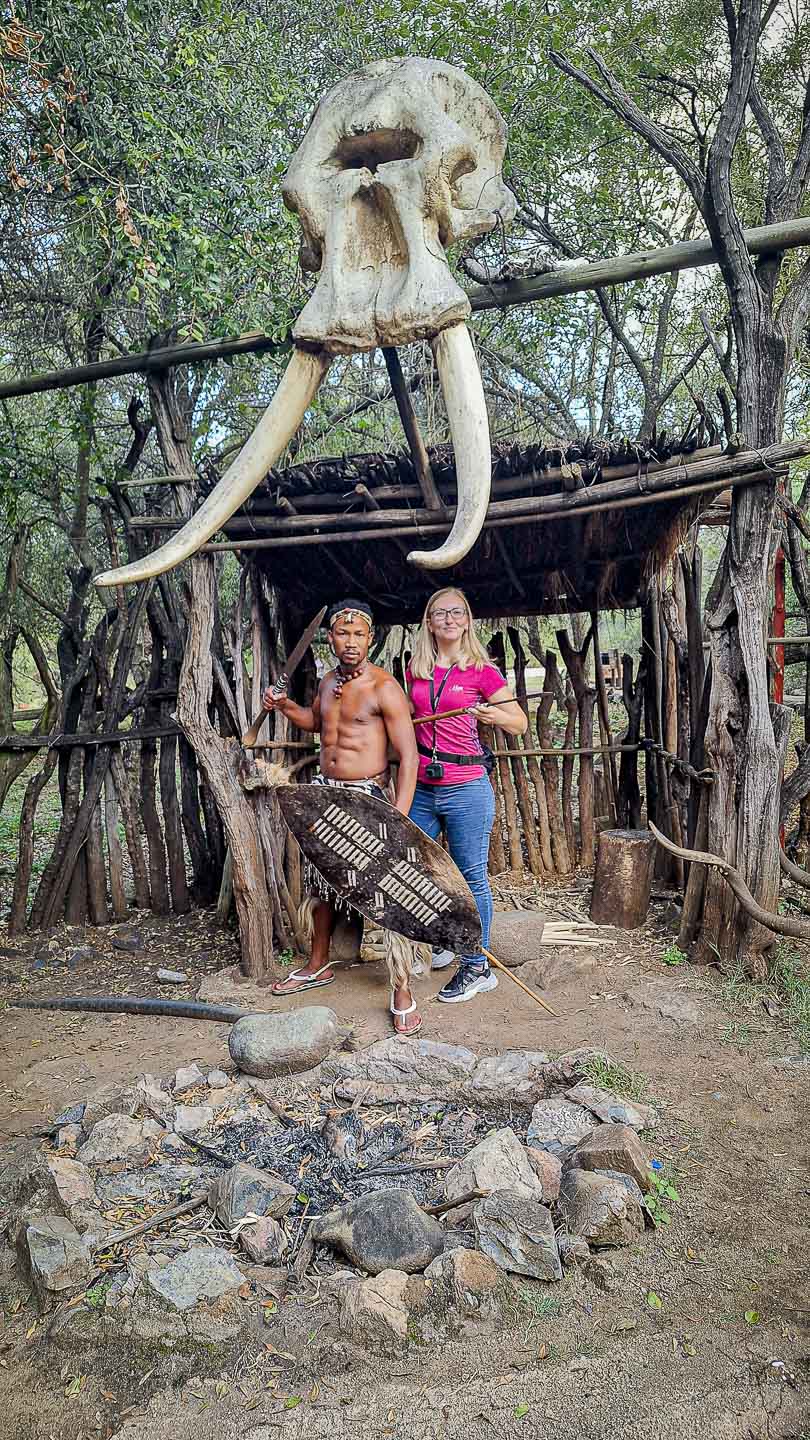
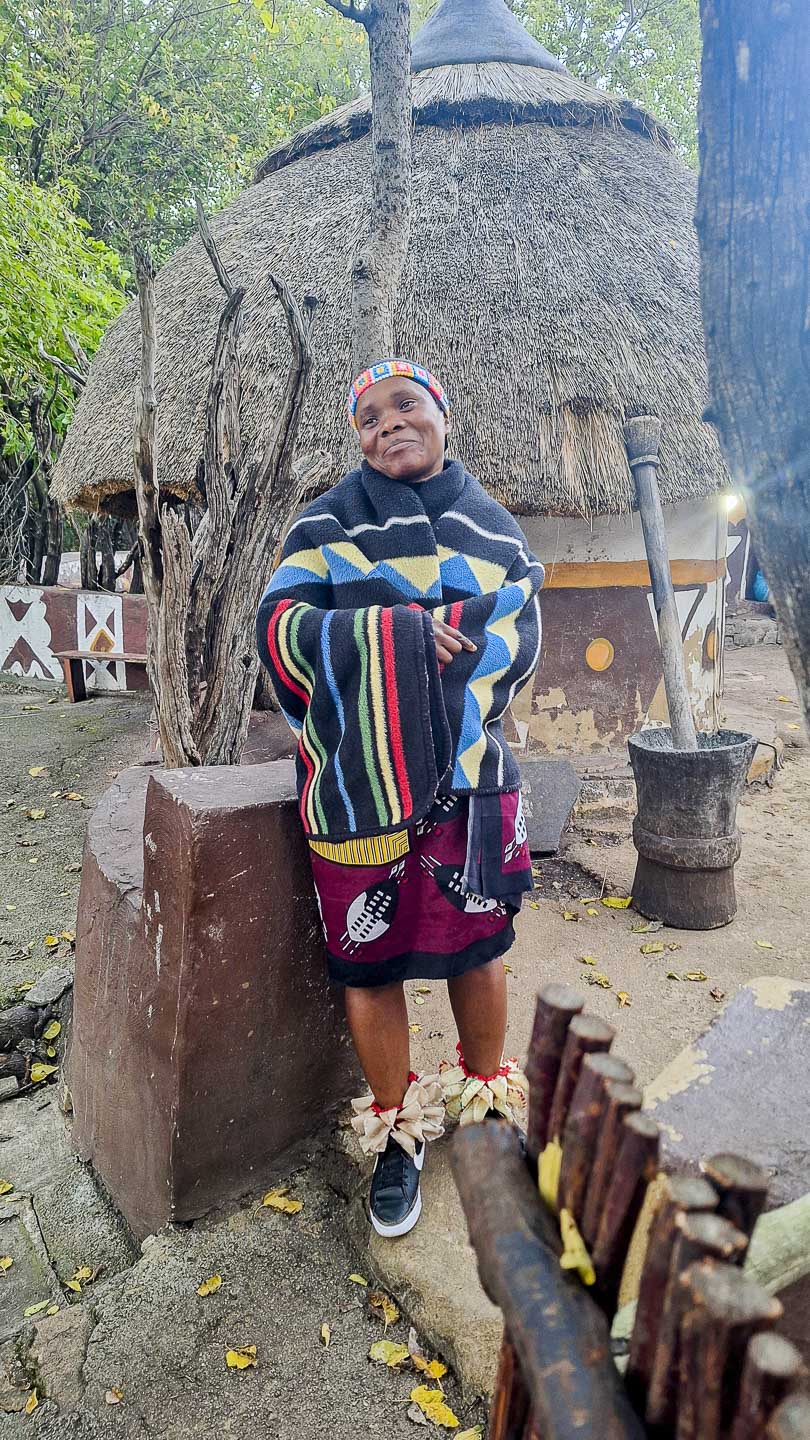
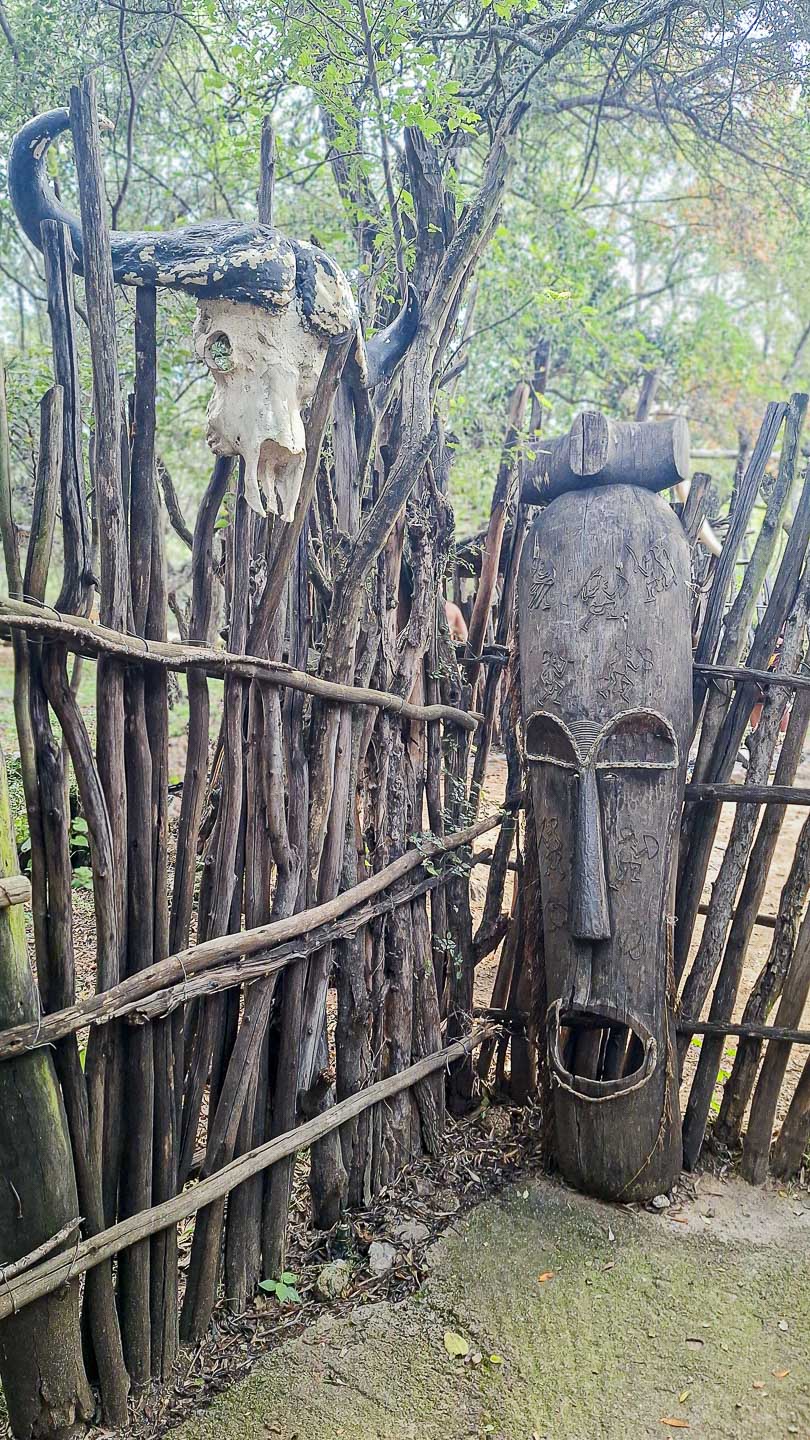
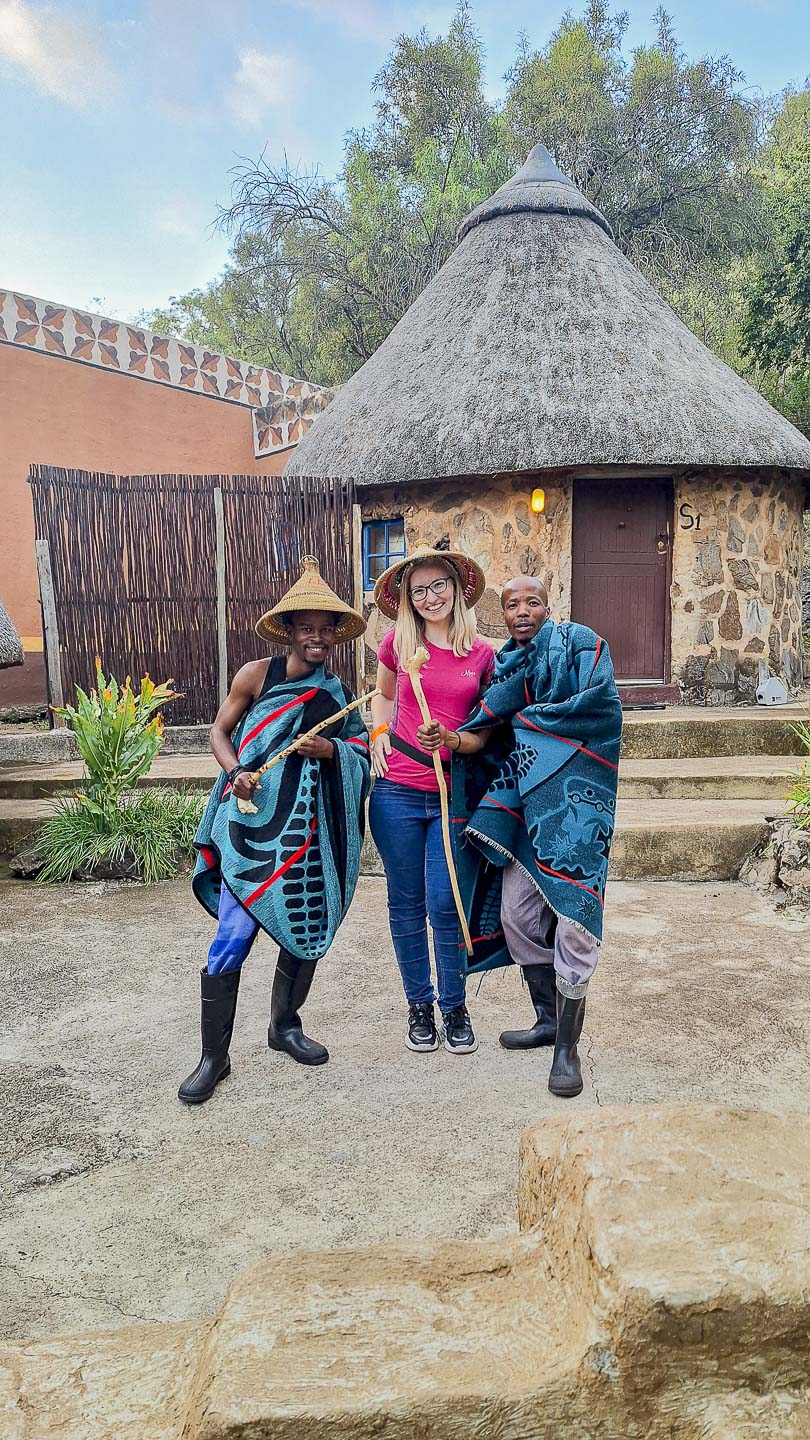
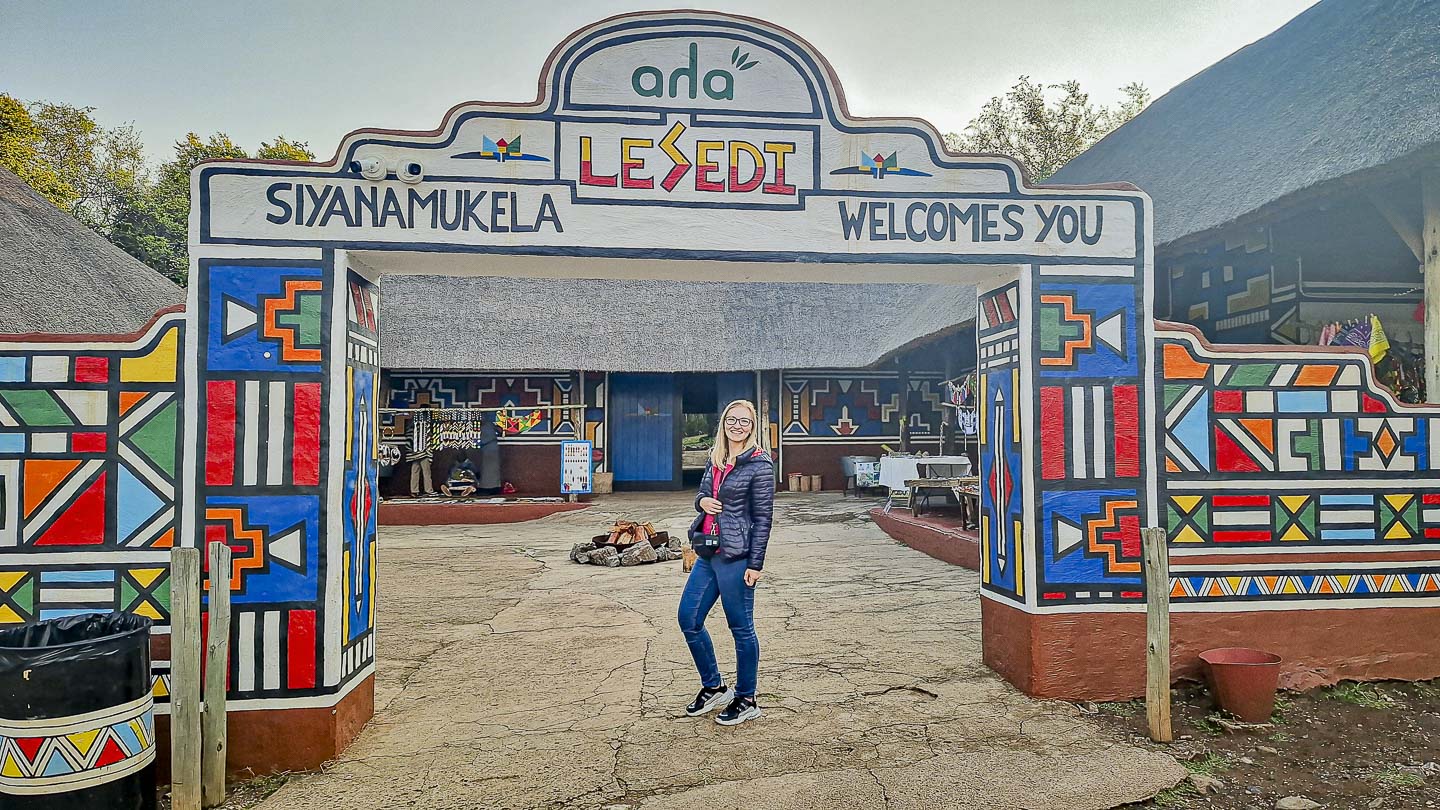
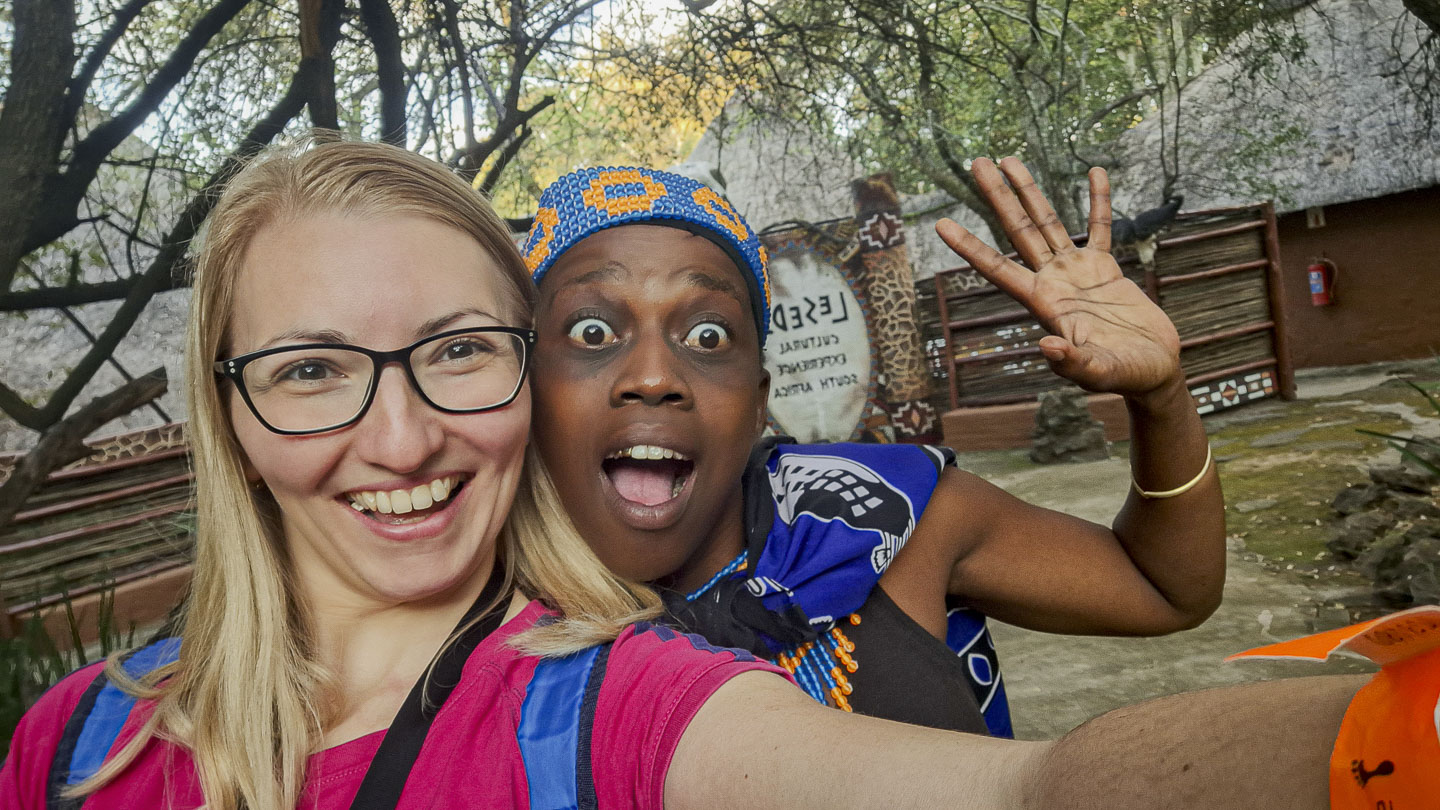
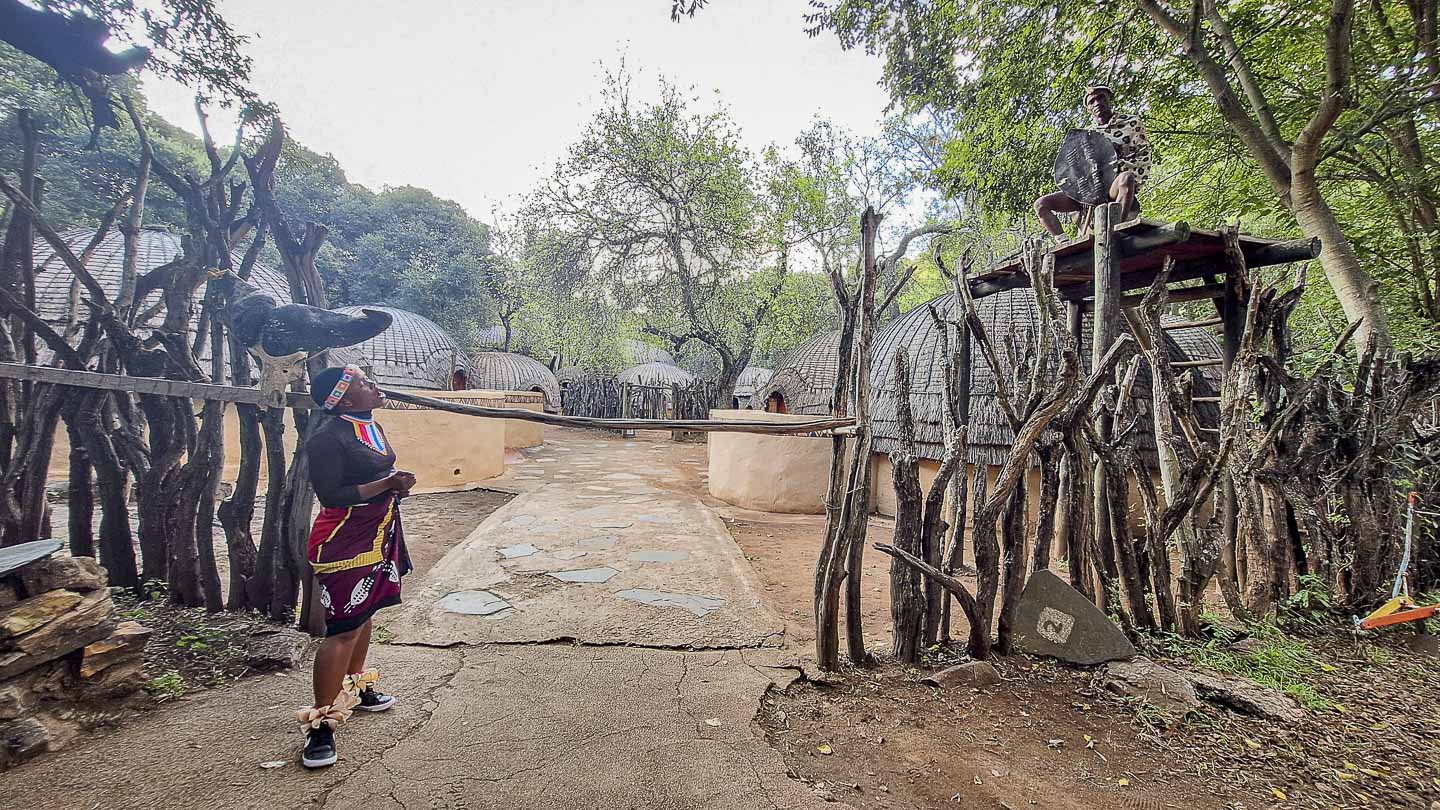
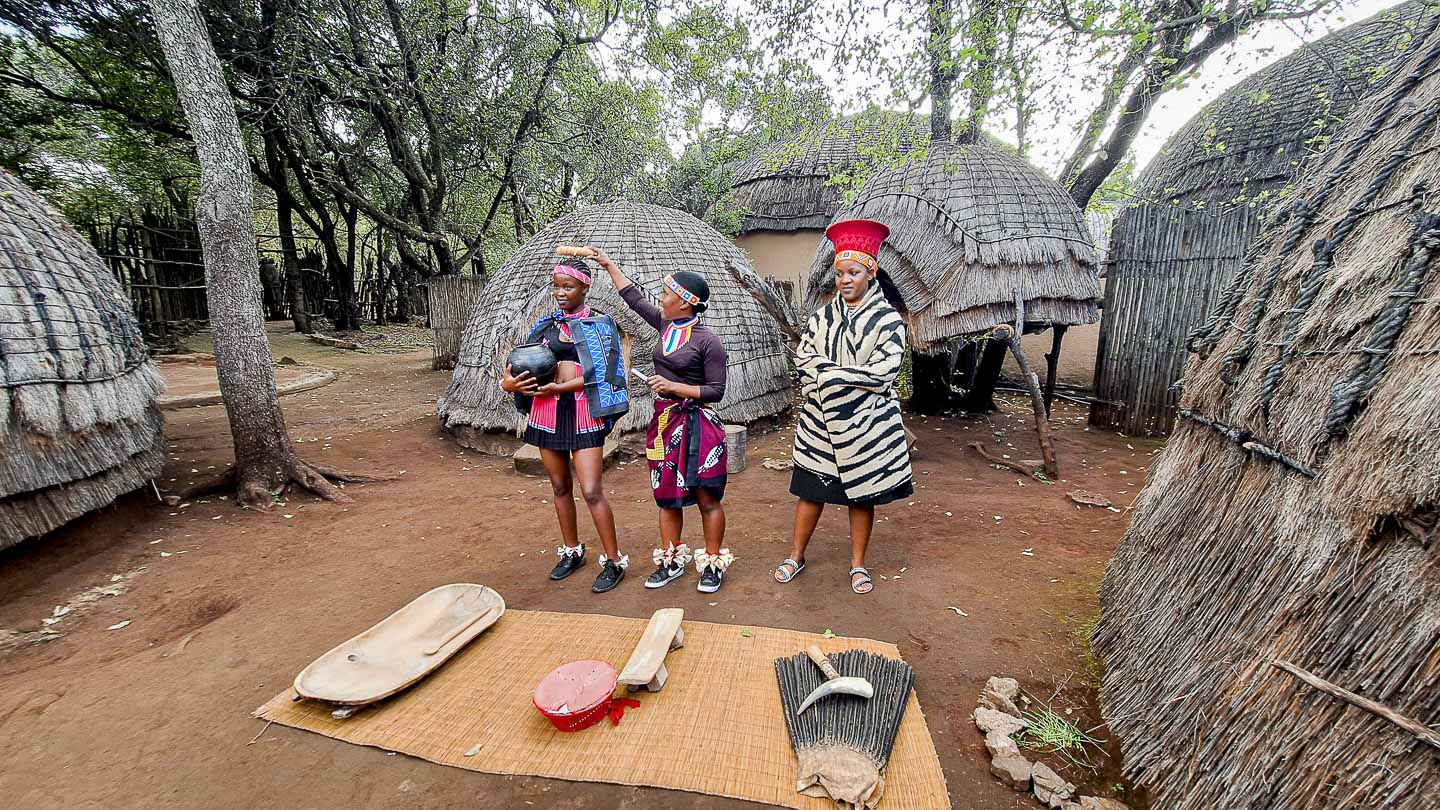
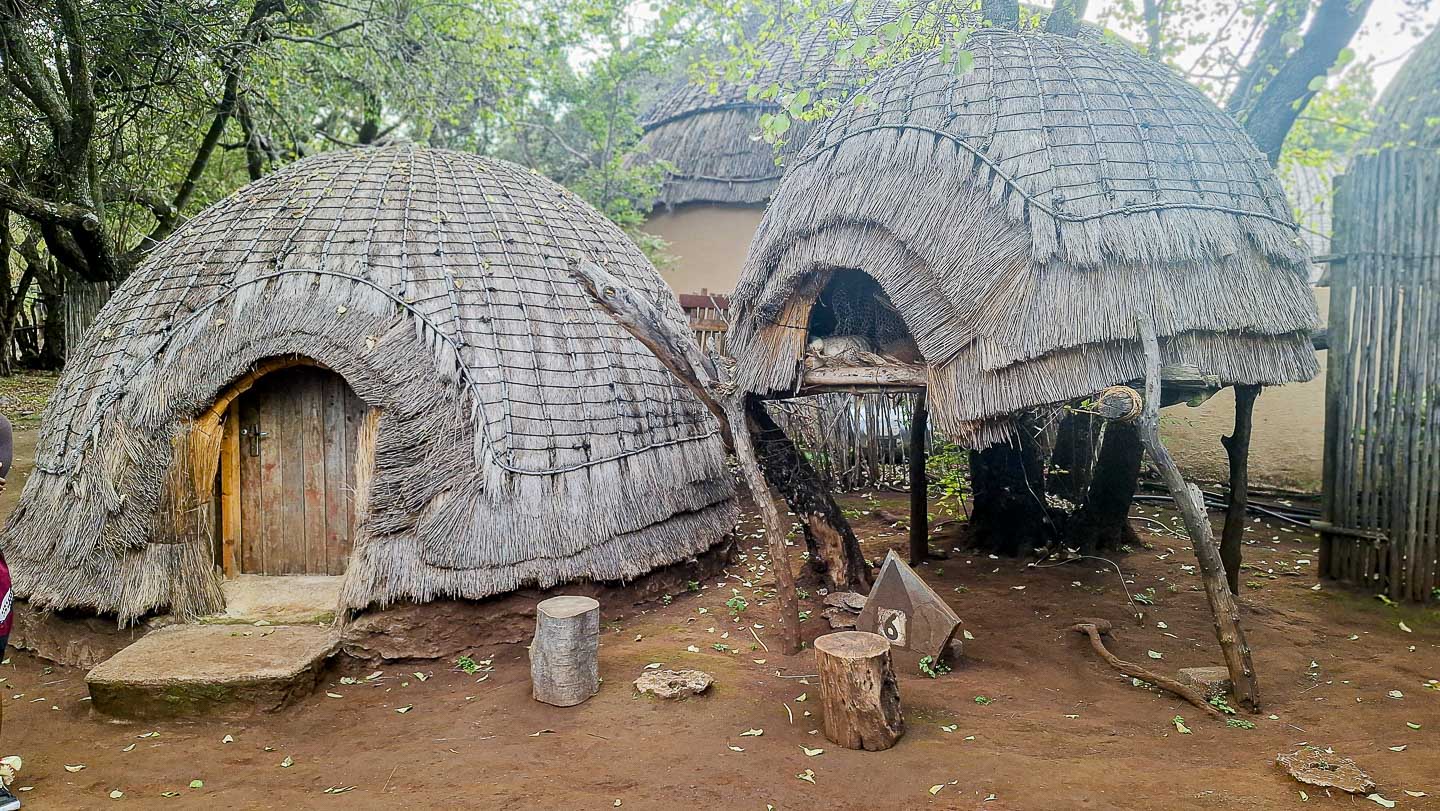
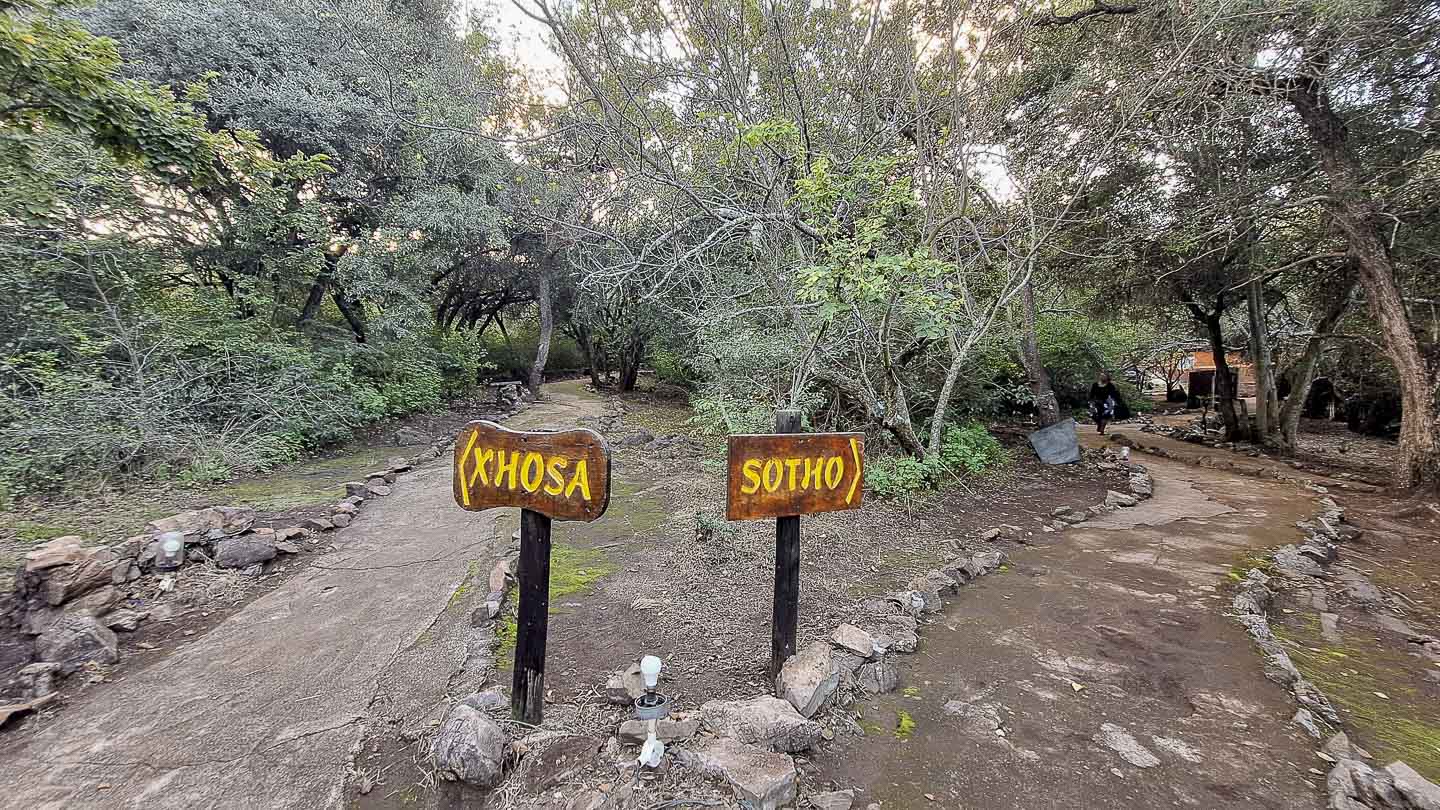
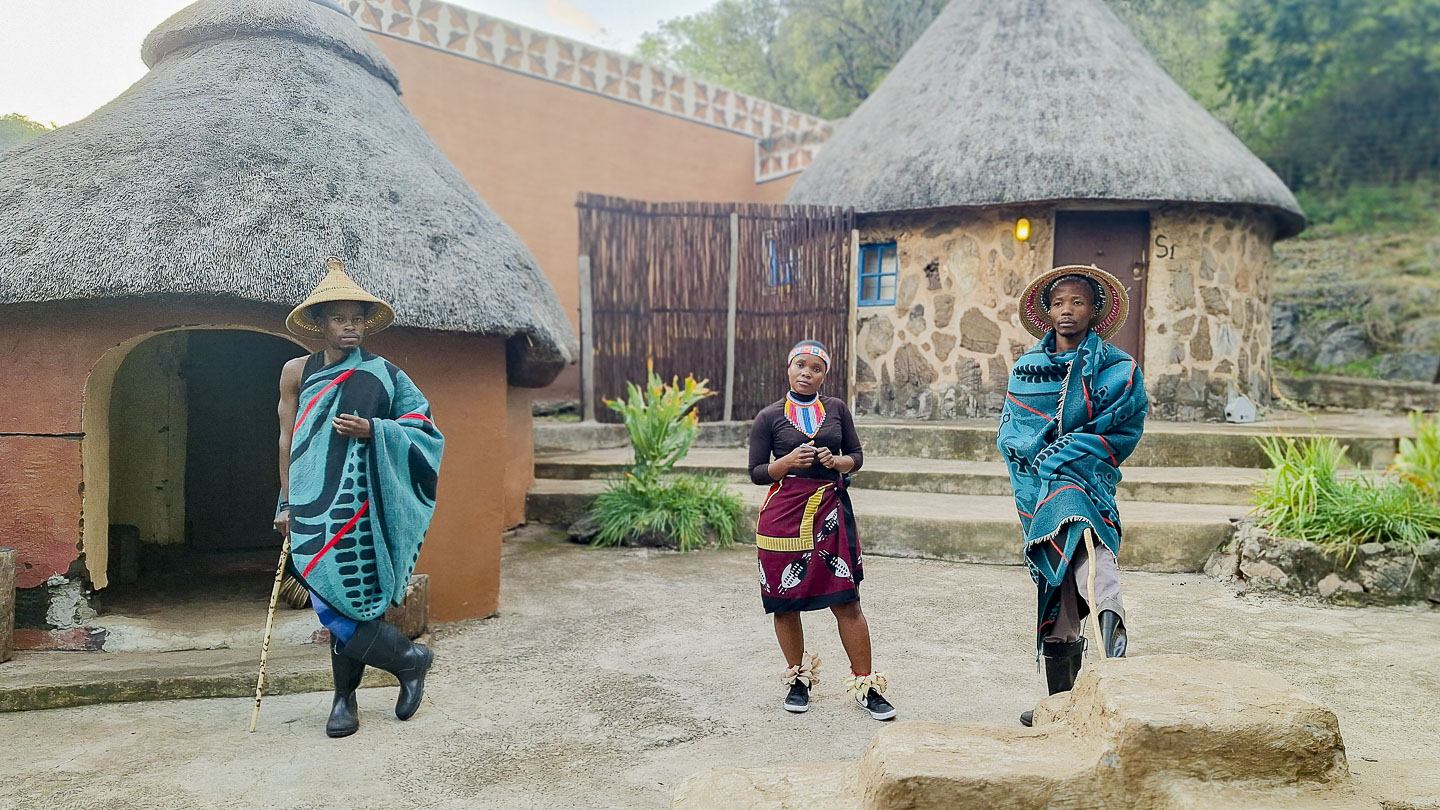
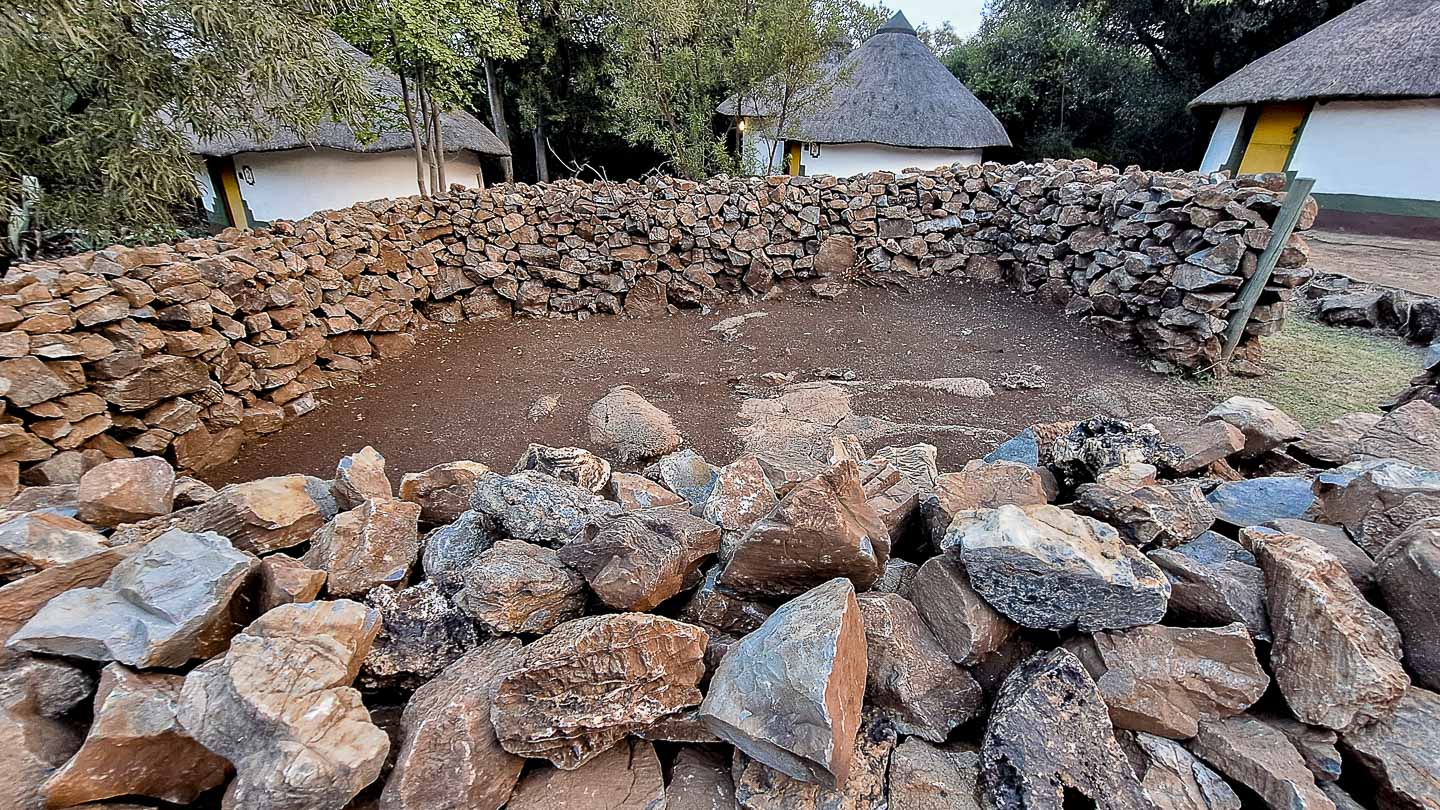
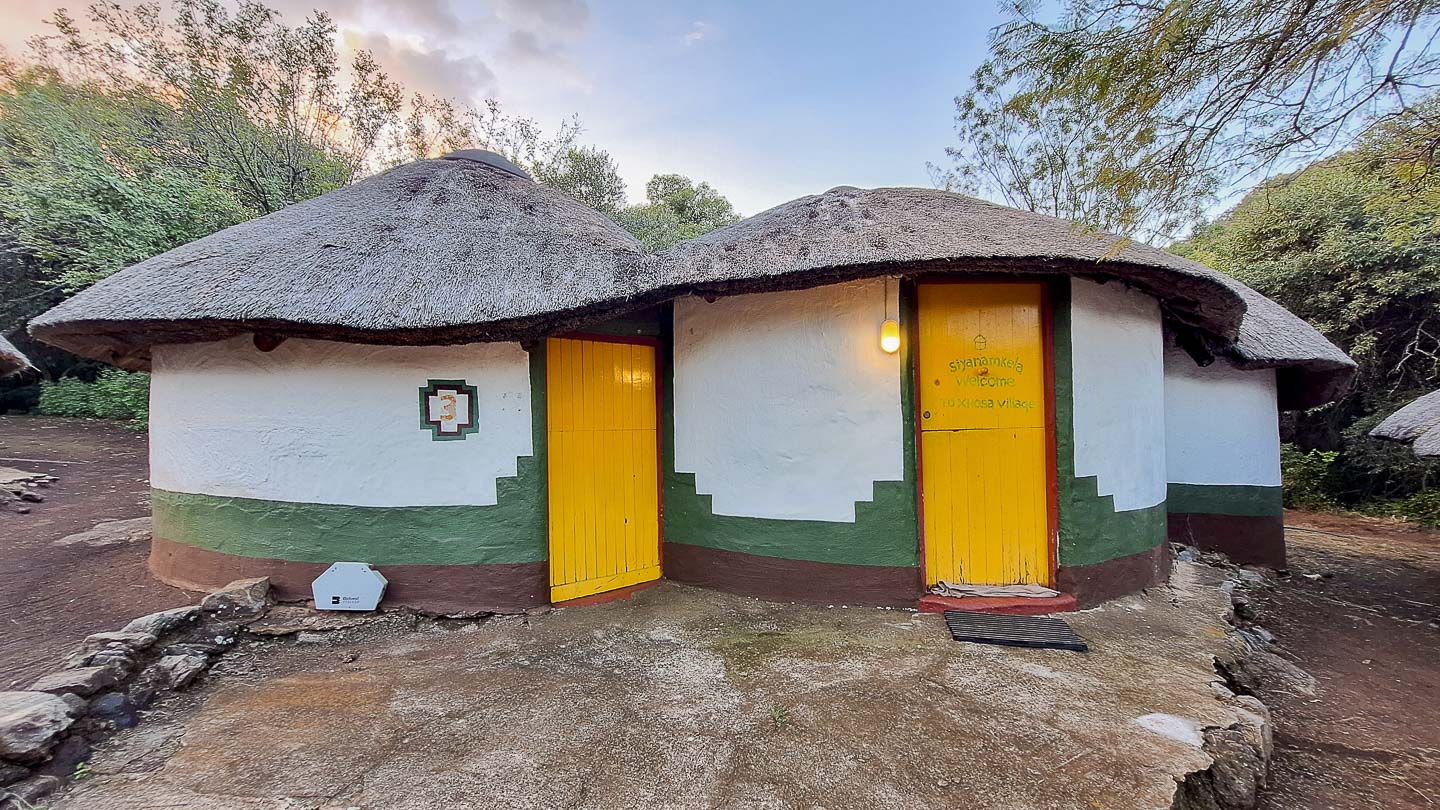
Albert then took me to the cultural village of Lesedi, where representatives of the 5 largest tribes of South Africa live - Zulu, Khosa, Bassoto, NDBE and Pedi. See more here. There are organized tours included in the price, which are from 11:30 to 13:30 and from 16:30 to 18:30. During these tours, one passes successively through all 5 tribes, each of them showing typical traditions of the tribe, customs, manners, greetings in local language, way of life, clothing. Finally, the tour ends with a program with the amphitheater with lots of music and dancing.
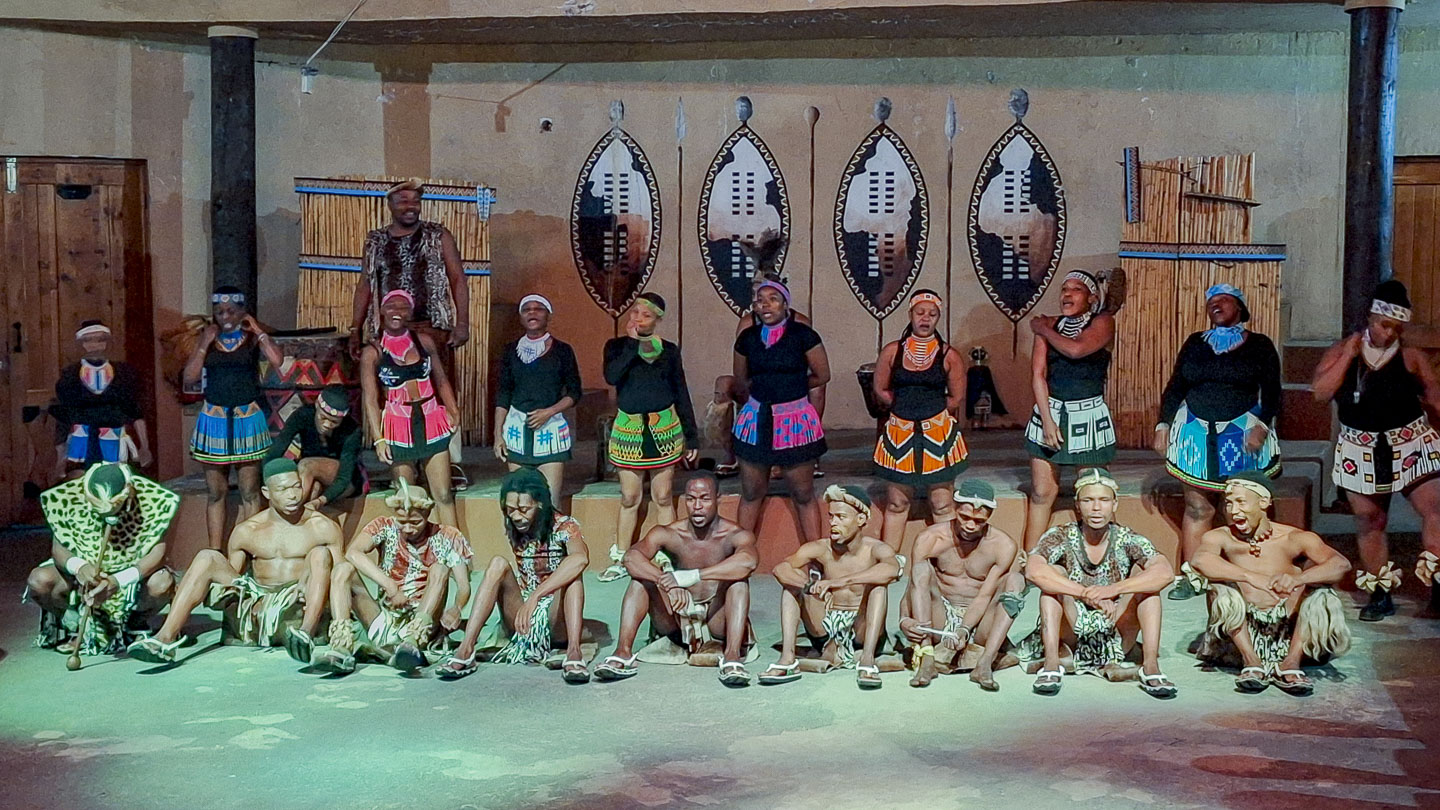
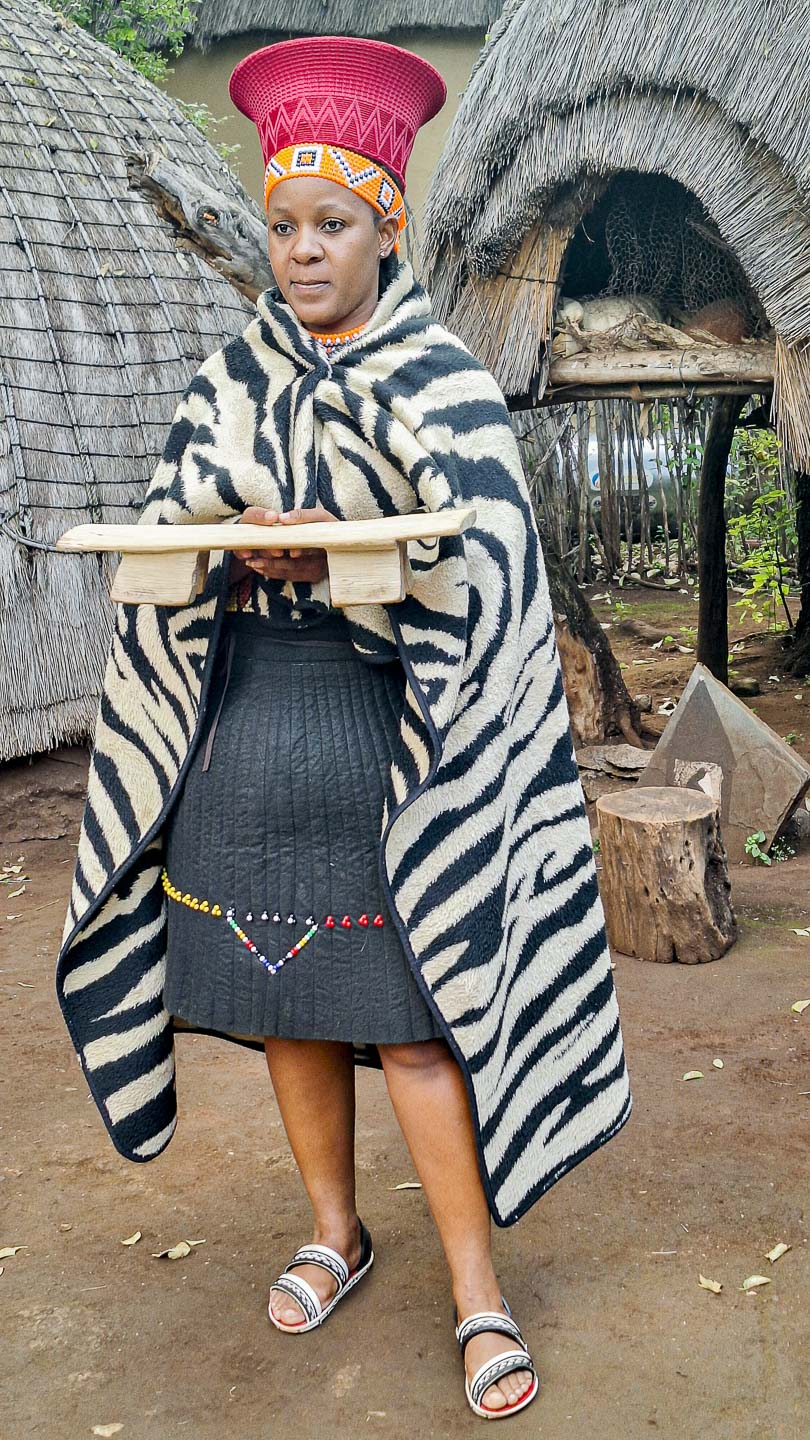
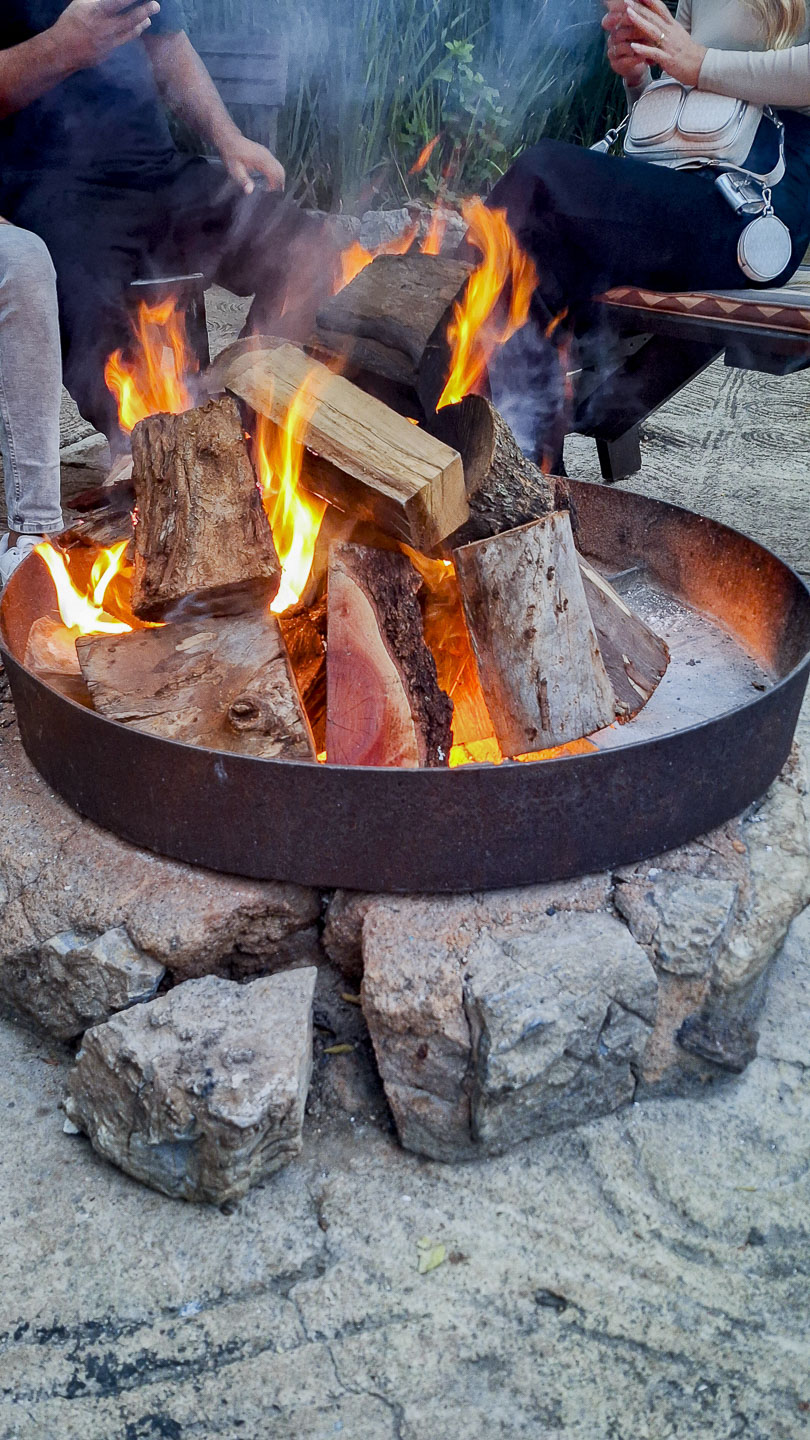
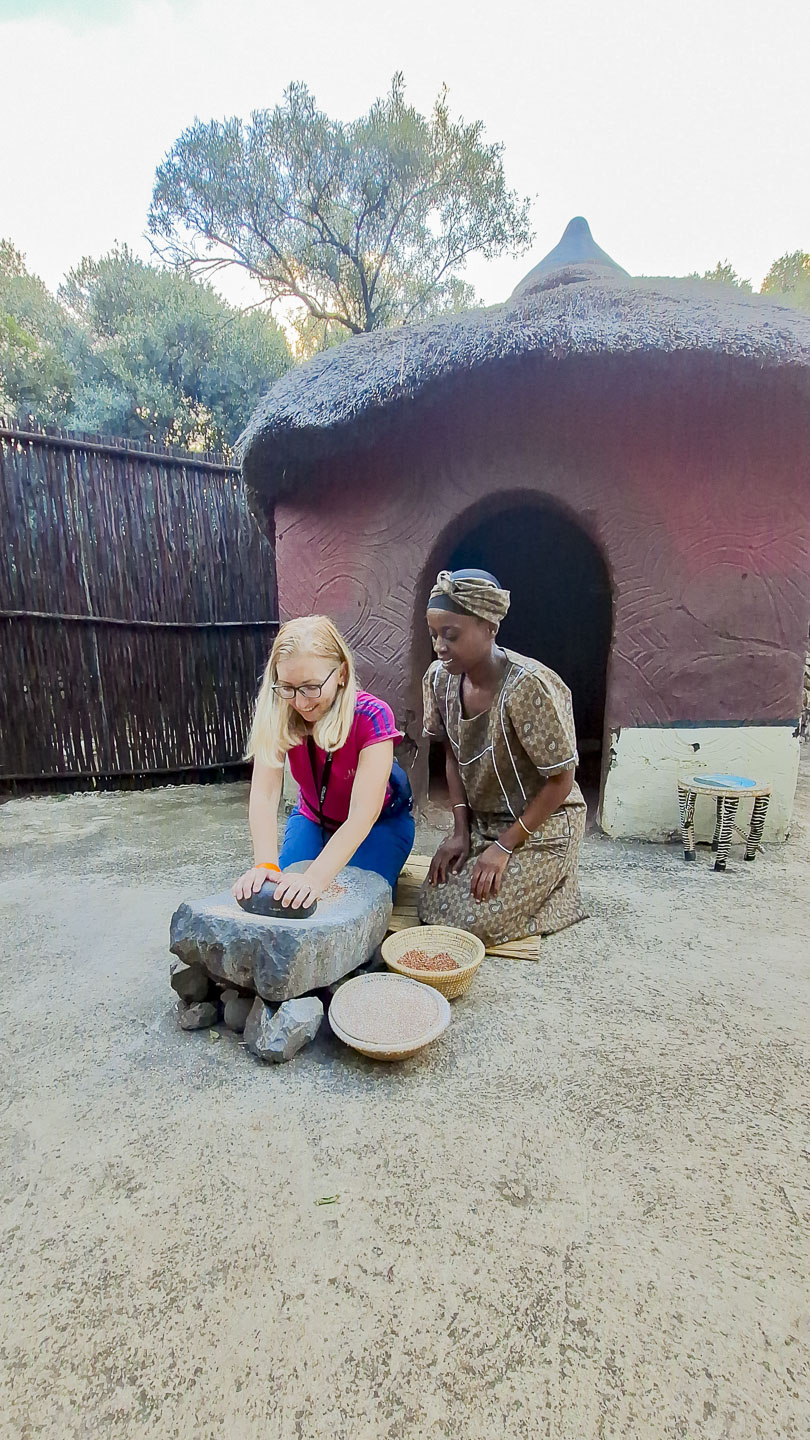
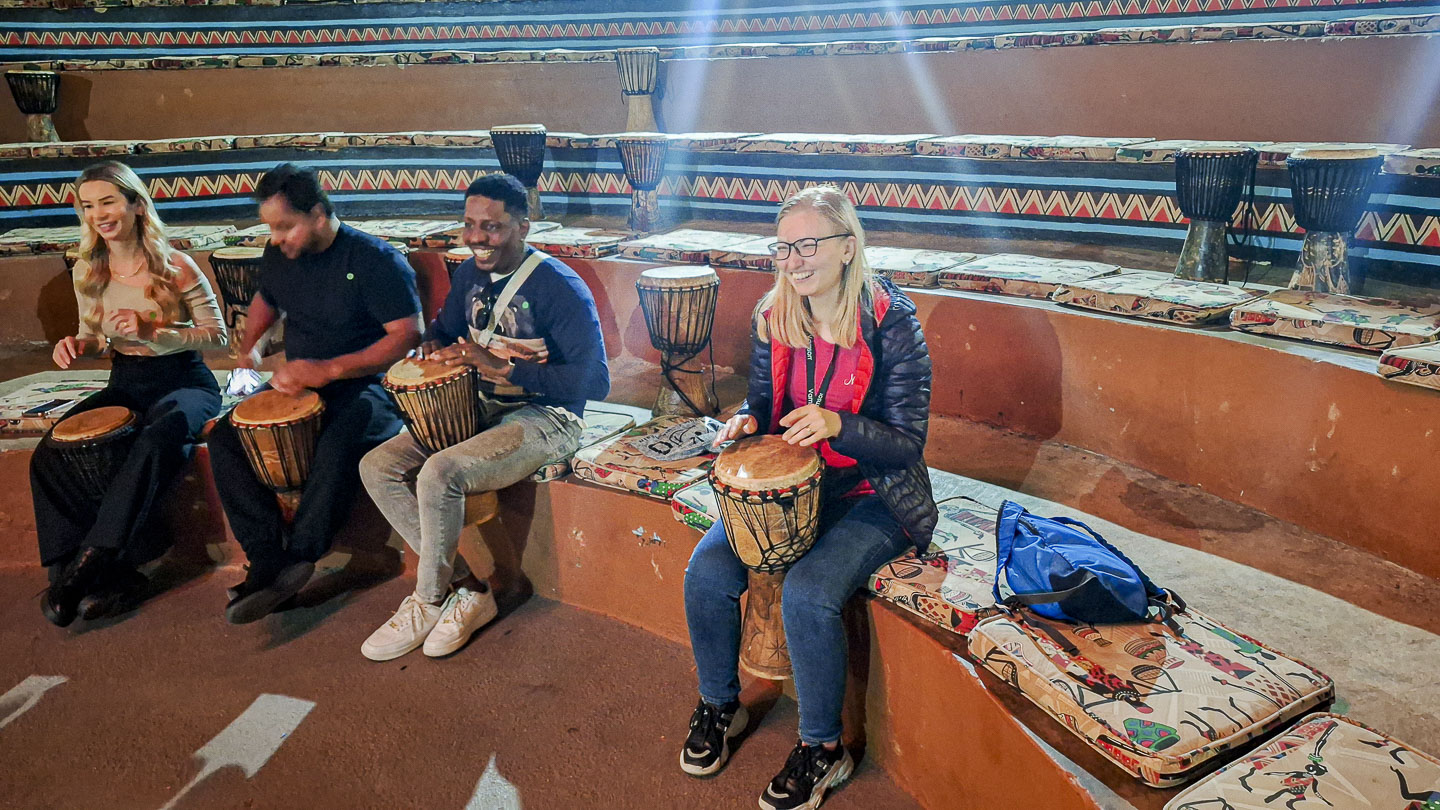
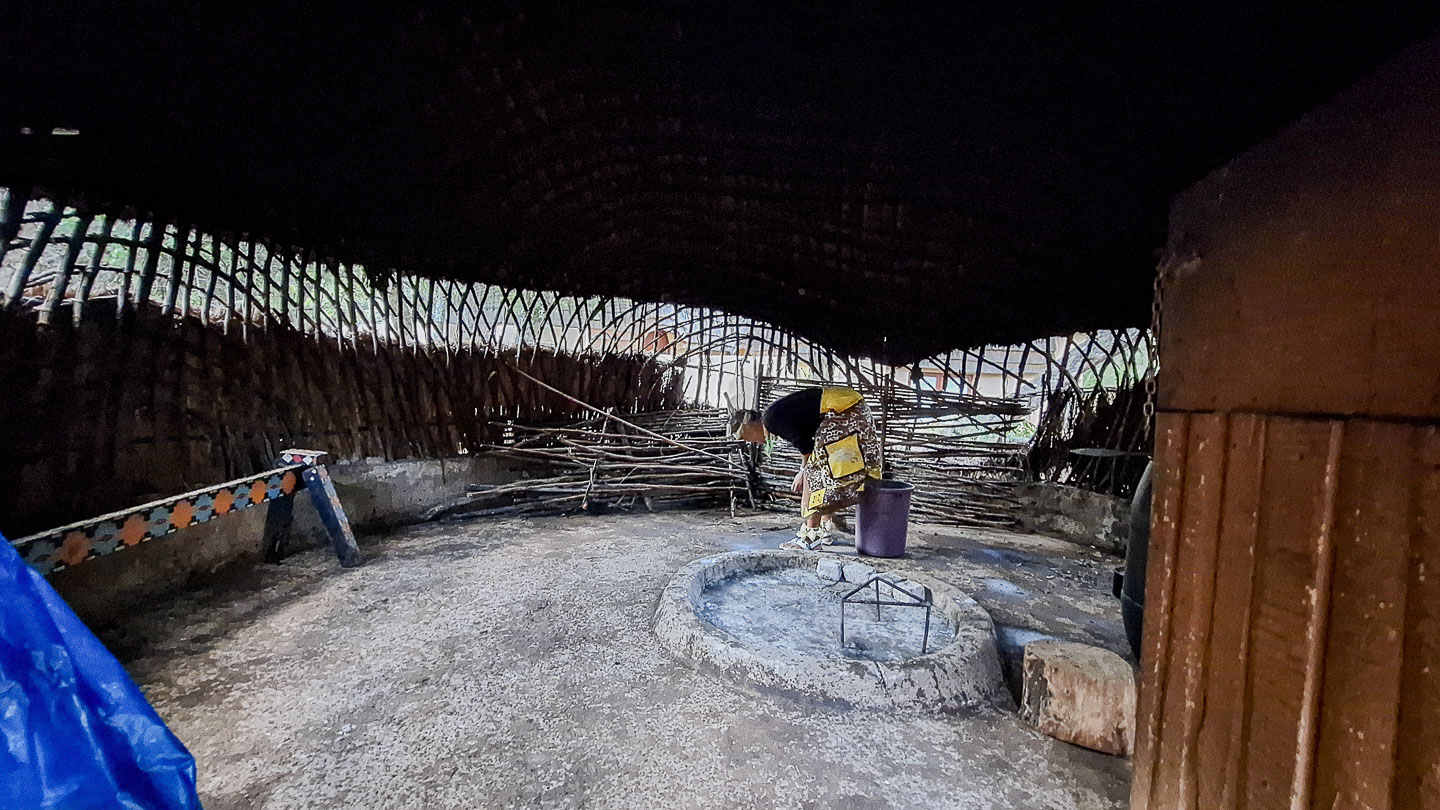
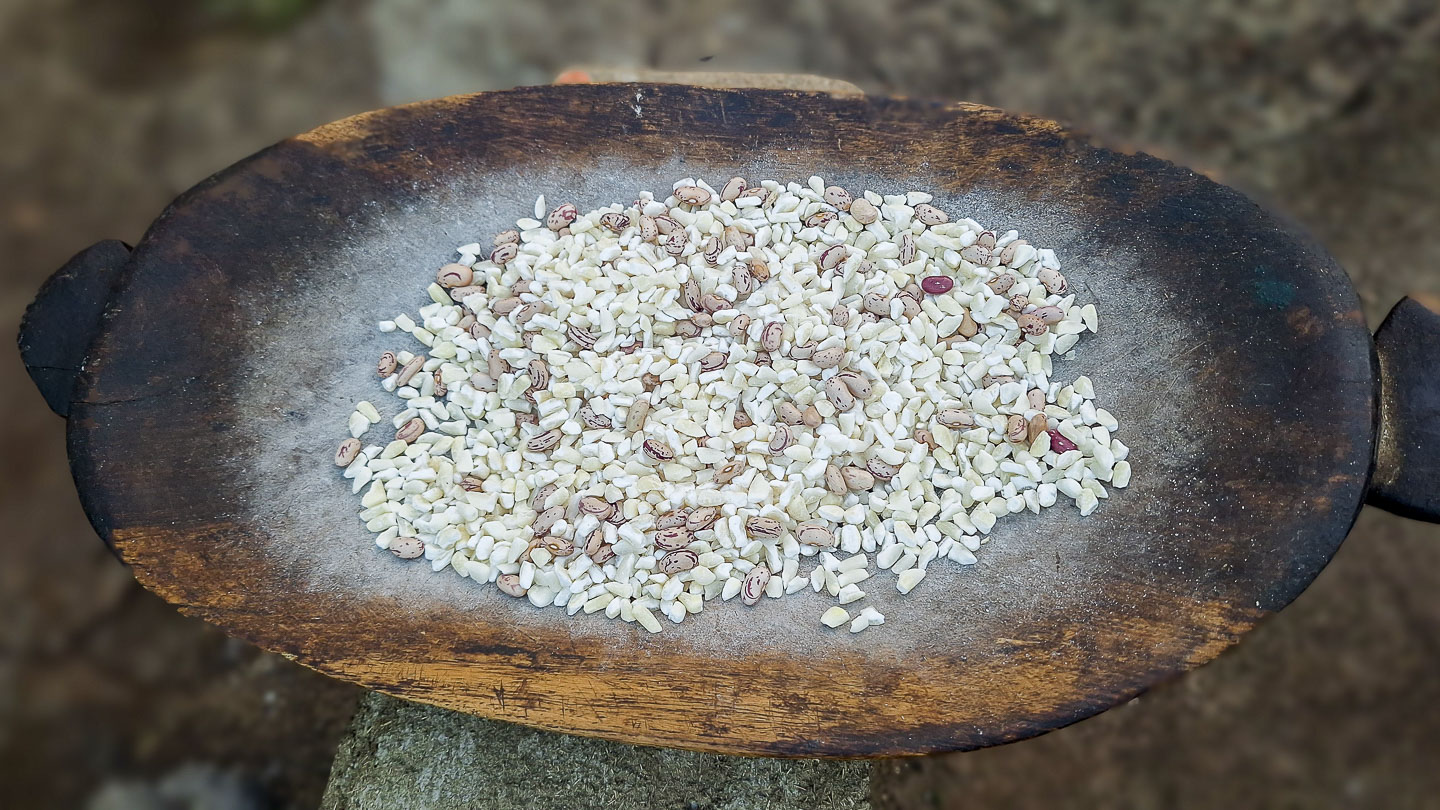
Lessedi Cultural Village was the place where I played African beats, grinding flour with stone, holding a traditional tribal spear. At one of them, everyone who wants to enter the village must greet the guard with the right greeting, and if he approves it, then the king of the tribe calls and he comes to greet the guest. In some of the tribes, a man can marry a woman if he gives 11 cows for her, in another tribe - 12 cows, and in a third - 2 horses. Married women dress up in clothes below the knee and must wear a large heavy hat. If they took her down, even during sleep, it meant divorce. This same woman had to sleep on a wooden very low chair like a pillow, on which her husband sat during the day. At tribal meetings, only men were allowed to attend. In the center of one of the tribes was a cross-shaped hearth. What was the idea: when the woman begins to cook on fire, but the direction of the wind changes, she can transfer the coals and cooking food from the other end, where it is better. In this way, the woman has no excuse not to cook. Women in all tribes were expected to clean and cook, while men had to carry animals for food, fight and protect their homes and tribes. In the houses, the men stood on logs, and the women on mats on the ground. Nelson Mandela belonged to the Khosa tribe. The program officially ended with a very noisy performance, including shouts, songs and dances. So much energy in one place, so loud thumping, so military radiance. The military power of the African tribes.
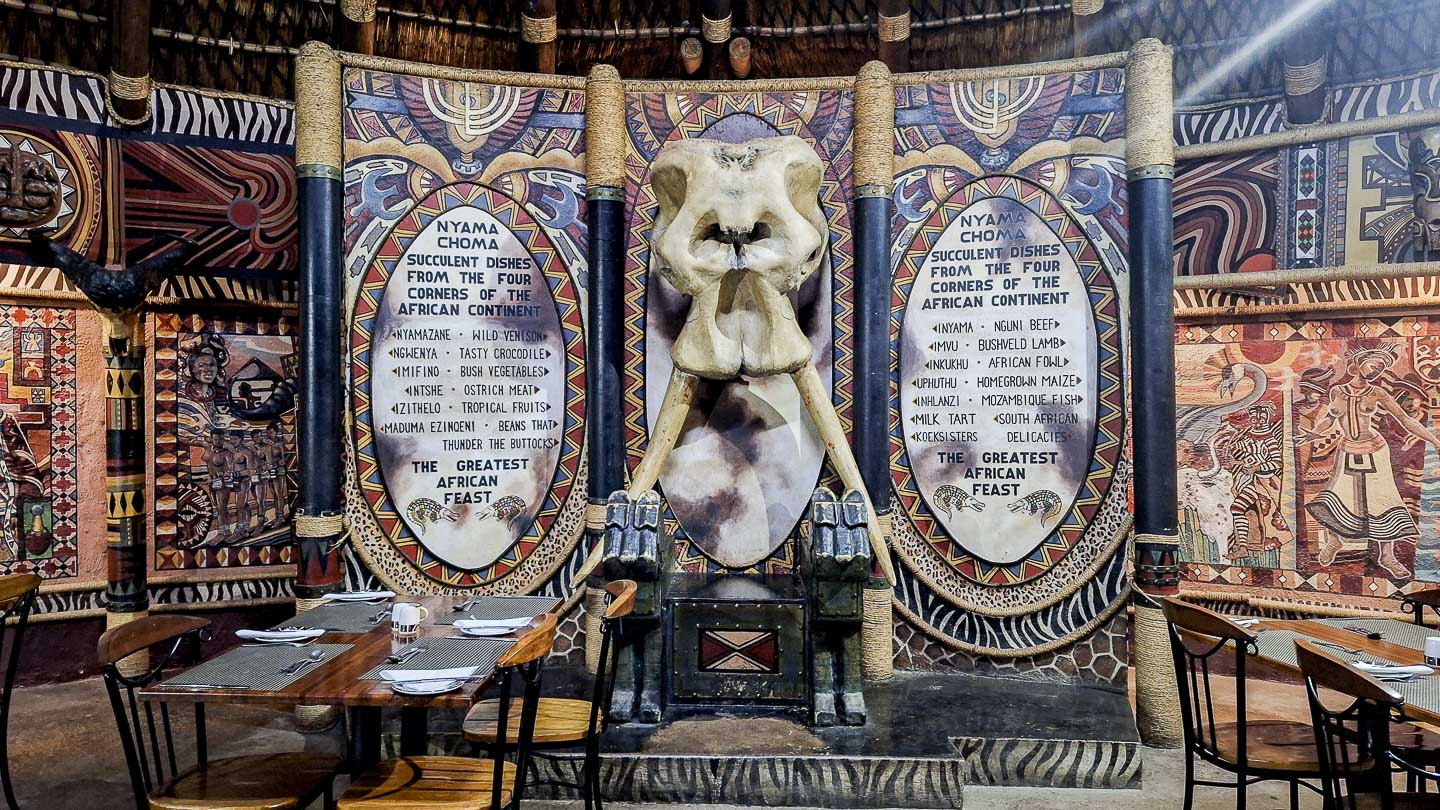
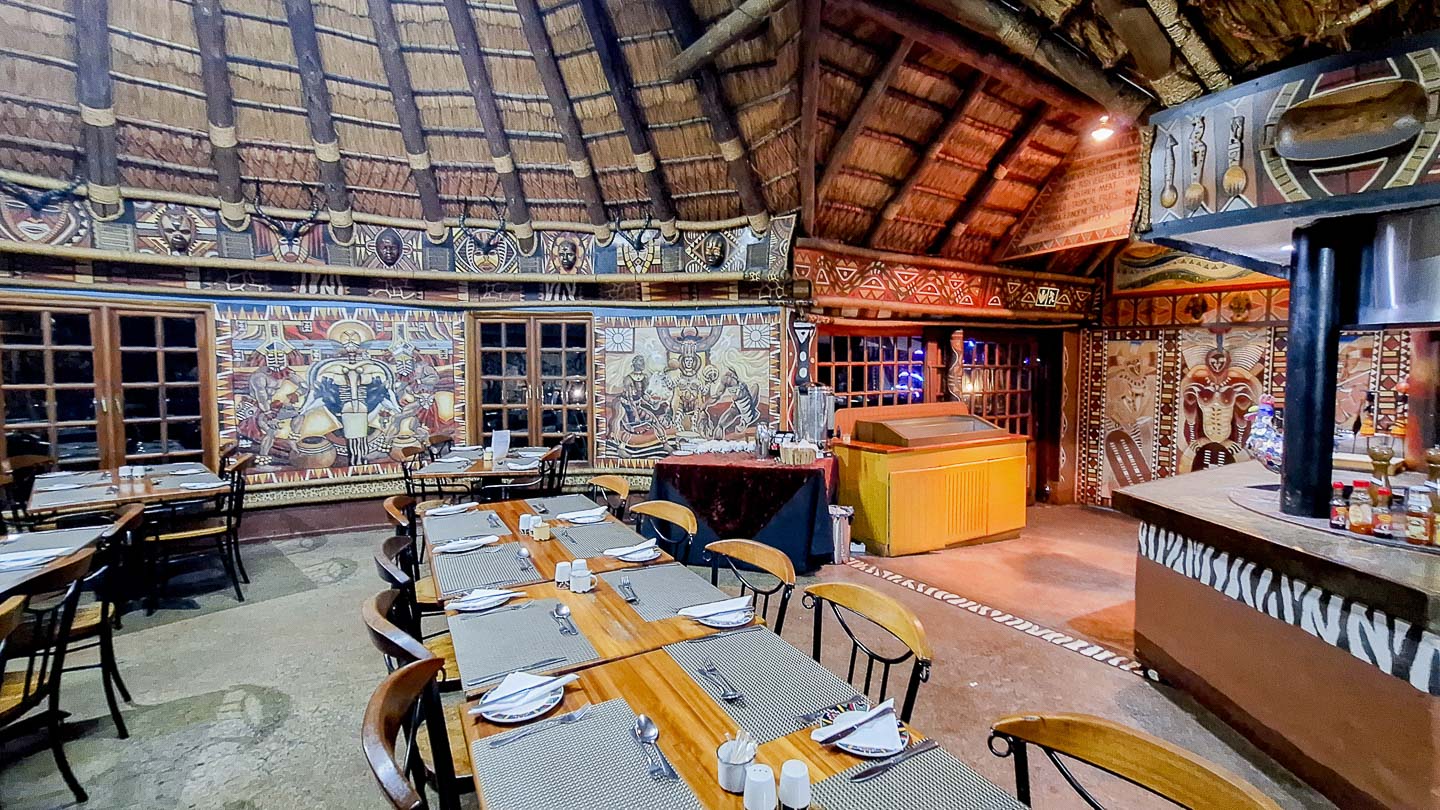
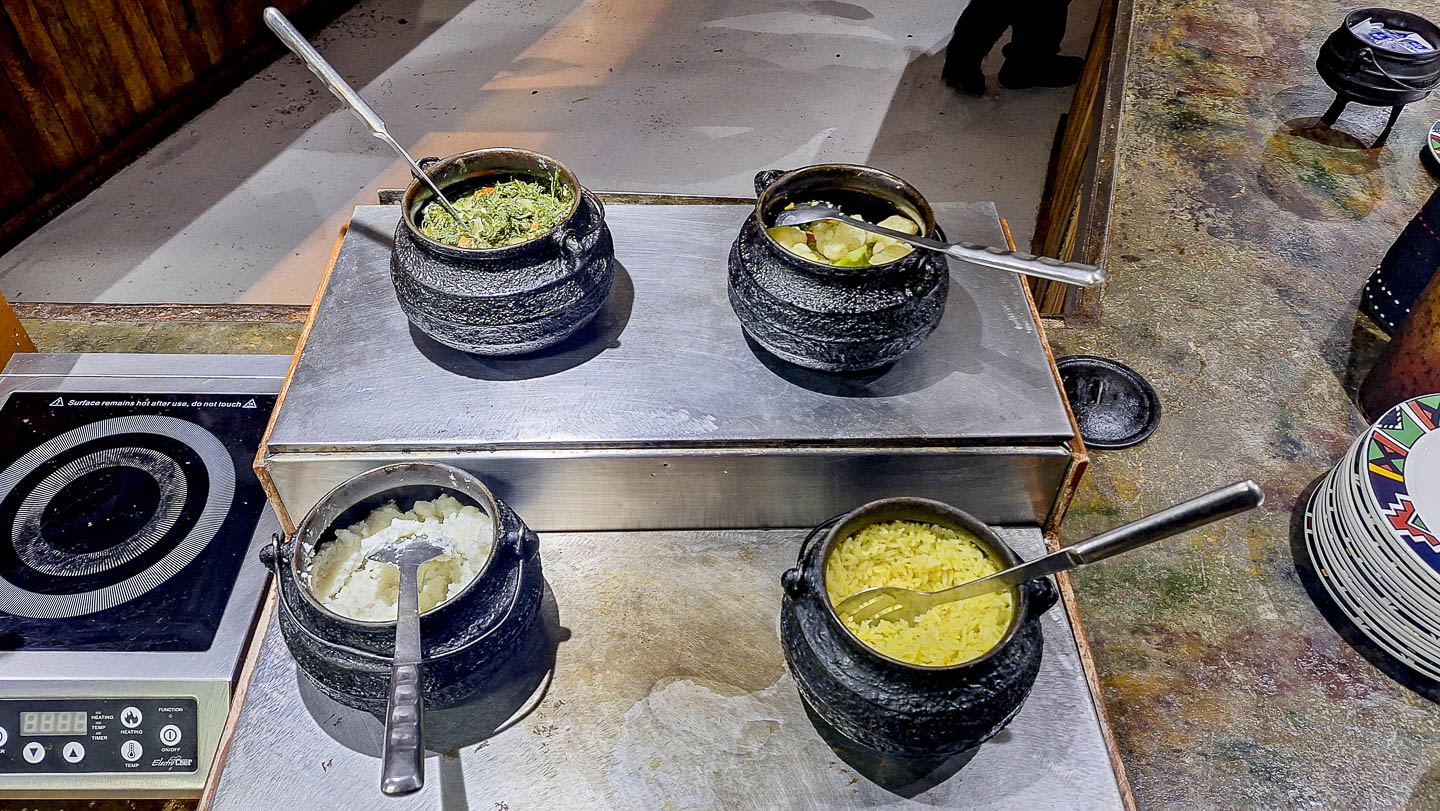
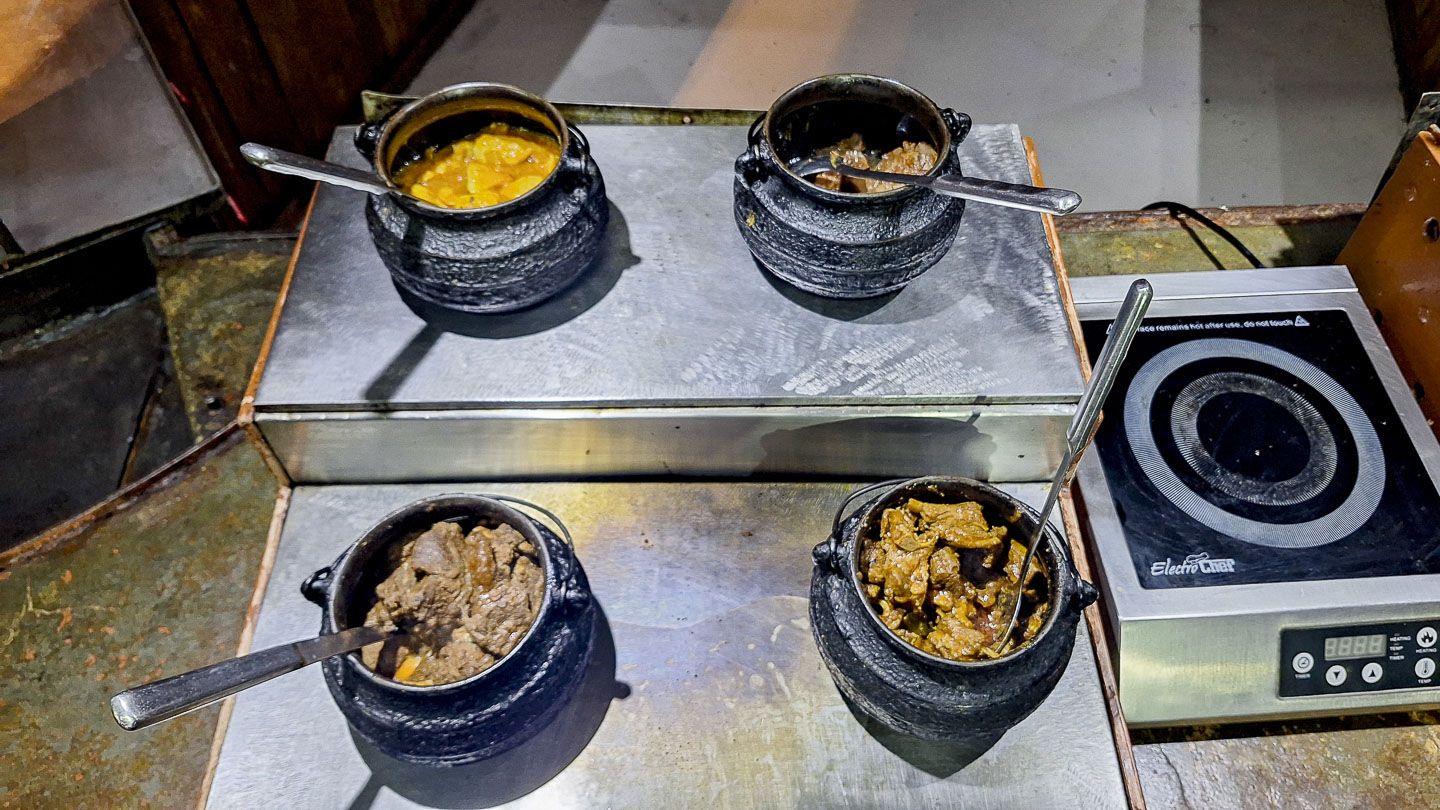
In Lesedi there is a themed restaurant with traditional African dishes and walls beautifully painted with different tribal motifs. Meals are at a buffet for a certain fee. There I tried antelope meat for the first time. Other specialties that are sometimes offered (not every day) are crocodile meat, Kalahar lamb and Mozambique fish.
To the next travelogue –> Johannesburg 2 - Faith and Urban Contrasts
–> Browse and book a budget hotel in Johannesburg with a discount. see here!