Ikike
From “To Chile and Back—A Journey to Indescribable Natural Beauty”
MORE ABOUT THE ITINERARY AND HOW MUCH IT COST US IN TOTAL—CHECK IT OUT HERE.
From San Pedro to Iquique
After our amazing stay in the Atacama Desert, our goal for the next day was to reach Iquique from San Pedro. In this travelogue about Chile, you will read how we got to Ikike and what we saw there.
Bus companies that run the Kalama - Iquique route:
geminis:www.geminis.clkennybus:www.kennybus.clPullman:www.pullman.clTurbus:www.turbus.cl
There are no direct buses between San Pedro and Iquique, so we first got on the Atacama 2000 bus that took us to the center of Kalama and from there we changed to a Kenny Bus bus, which took us to Iquique. Departure times from Kalama to Ikike are 11 a.m., 6 p.m. and 11 p.m., the distance between the two cities is 486 km., the journey takes exactly 6 hours and costs CLP for second class and CLP 15,000 for first class.


The first bus between San Pedro and Calama cost us 2,000 CLP, and was very dirty and miserable. However, the second bus to Iquike was one of the most luxurious buses I have ever ridden. There was a TV where we watched 3 current movies and the time of 6 hours passed almost imperceptibly. The seats were super comfortable and the backrests allowed them to move quite back. USB for charging phone, headphone radio and clean toilet on board.


On my way to Iquique, I expected the landscape to gradually change and become “more coastal”—with lots of palm trees and color. The truth is, however, that the Atacama Desert stretches all the way to the very shore of the Pacific Ocean, which is why the locals had invested a lot of money and effort into turning Iquique into a pleasant seaside resort with the much-anticipated palm trees, ryegrass, and so on. We stopped several times in the middle of the wasteland to let people get on or off the bus. I never figured out where all these people were going or where they were coming from.
At the border between the Atacama and Antofagasta provinces, all passengers had to get off with their luggage and pass an inspection. The same thing happened on the way back. Approaching the ocean, we were just wondering what we were going to do because of the unchanging landscape, and suddenly behind a bend in front of us opened a huge sand dune, and right at its foot, right next to it, was the city of Ikike. We were all WOW, the view was unexpected for me.


Shared taxi
The bus left us at the bus station and we had to move somehow to our accommodation. We asked a passer-by girl where we could catch a city bus and she asked us to follow him. We were walking a straight line and at one point she called a car that looked like a taxi. We were about to refuse, as a taxi is an expensive option for us to begin with, but she informed us that it is actually a shared taxi ie. Other passengers get into the car, it's not just the two of us and there is a precisely fixed rate regardless of the distance you want to be taken. In this case, it was 700-800 for two, which is a completely normal price.


First Time Couchsurfing
At Iquique, we had decided to try something other than hotel or hostel accommodation, namely the platform www.couchsurfing.com. This site offers travelers like us to be accommodated for free in private homes. People having a separate room, bed or just a sofa in the living room. In this case, I had found a host from Ikike, which had very good reviews on the site and decided to trust it for our stay of 2 days there. The man's name was Alvaro Torres.
Meeting Alvaro, it seemed to us a very decent person. Unfortunately, during those two days he didn't have time during the day to walk around with us and show us sights, as he was busy with lectures at the university, but we spent the evenings talking about different areas. On the second night, we mostly managed to find out various topics, he told us about the lack of connection between Spain and Chile, although Chile is a former Spanish colony. He told us about the historical battles between Chile and Peru, Bolivia and Argentina. We also mentioned a very interesting fact that northern Argentina is green and fertile, and at the same time from the other end of the Andes - Northern Chile is a desert. And vice versa - southern Argentina is a desert, and on the other side of the Andes - Southern Chile is actually fertile and green Patagonia.
He asked us about the number of names, as his name alone consists of five or six sub-names. We touched on the topic of Slavic languages and the similarities and differences between them. It also turned out that in Chile very often people pay someone to clean their home once or twice a week, and this is not as expensive a service as in Bulgaria. Almost everyone can afford a cleaner. Even Alvaro 🙂 We tried to prepare moussaka and sutlyash for him, as we considered these two dishes to be typically Bulgarian, but what was our surprise when he said that the sutyazh was his mother's favorite dish and she prepared it for him very often. We didn't get the moussaka either, as we needed yogurt for the topping, and in the nearby hypermarket there were only sweetened milks.
After this conversation, Alvaro suggested we get into his car and walked us around the northern part of Ikike. It is a duty-free zone, like all other cities in the north, as these areas are very sparsely populated. The idea that the prices of goods, cars, equipment are duty-free is made in order to encourage more people to live in these areas. The same applies to both the northernmost and southernmost regions of Chile. He himself admitted that many Chileans come to these areas to buy new cars at a bargain price.
If you also want to get back a portion of what you spent on hotels, flights, or products, register at this link HERE and every new user receives up to a $10 bonus in their account.


Iquique
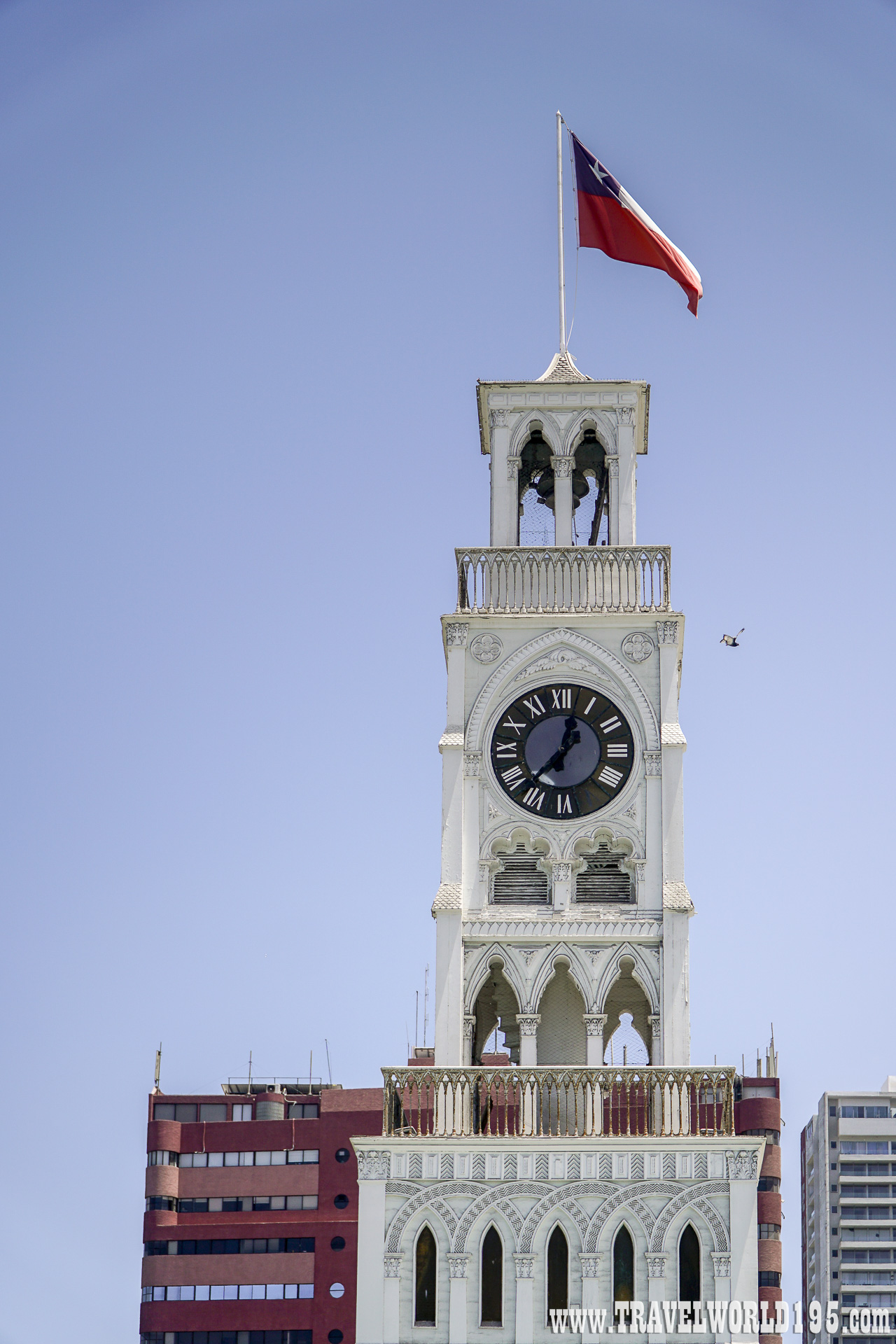
The second day of our stay in Iquique was dedicated to the sights in the city. The truth is that Ikike doesn't have many attractions, however, it is extremely pleasant for a seaside resort. One of the must-have places every tourist has to go through is Coastal Promenade and Cavancha Park, walking along which you will reach Baquedano Street. Baquedano Street It is located in the super center of the city and is entirely a pedestrian zone.
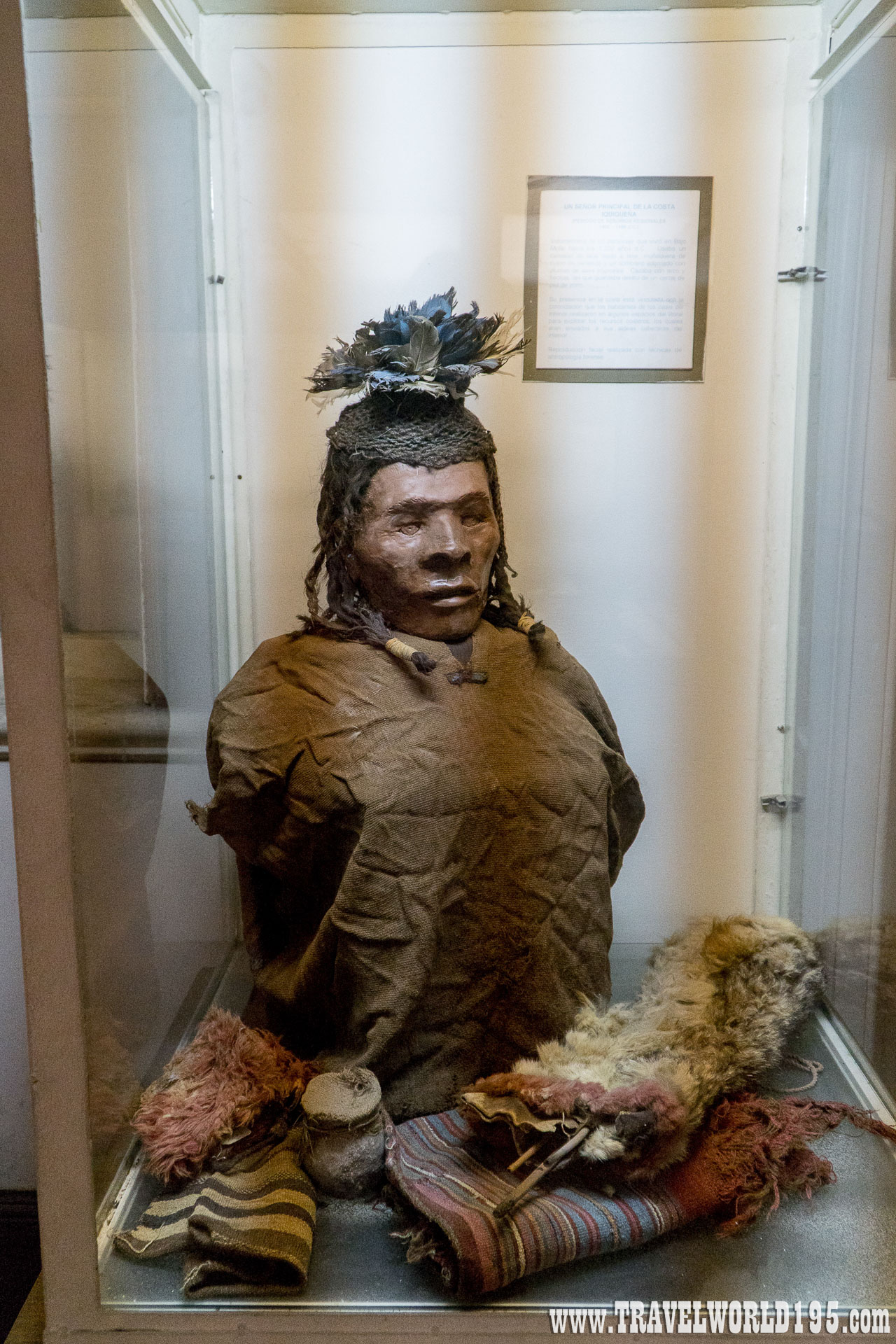
The street itself is very interesting, as all the houses built on it. are from the colonial period of South America and with the architecture characteristic of the then. There is also the Historical Museum of Ikike, the entrance is free and there you can learn many interesting facts about the Indians and the period of colonizing the New World. Walking along Baquedano Street, you will also reach the Central City Square, where when we arrived there were many people and a children's symphony orchestra was playing, and because of the heat some children had put wet towels on their heads 🙂 Also There was also some research action for cholesterol, tuberculosis, cancer formations, etc.


seals
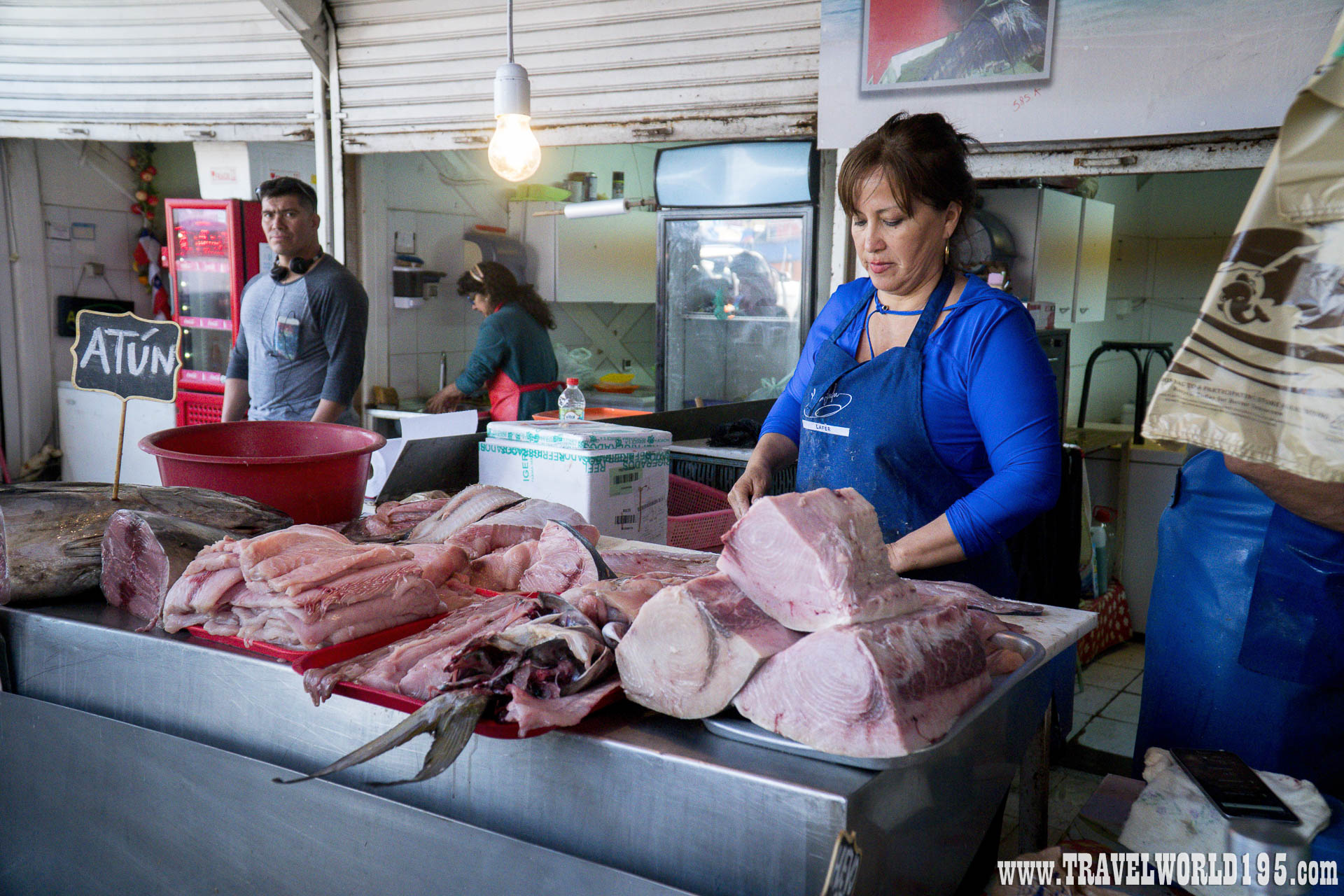
From there we headed to the nearby harbor where we found Fish Market, which stinked disgustingly, and since our host Alvaro had said that we could find seals near the harbor, we started looking around, but Nothing. At one point we reached the end of the market and saw at least 20 seals on the shore, waiting for someone to throw them fish. For the first time we saw loose seals and seemed to us very large animals that seemed to be very heavy and difficult to move, but in fact when they were fighting for food, they were unexpectedly fast. And the smell that wafted..., fish and seals in one place is a really bad combination...


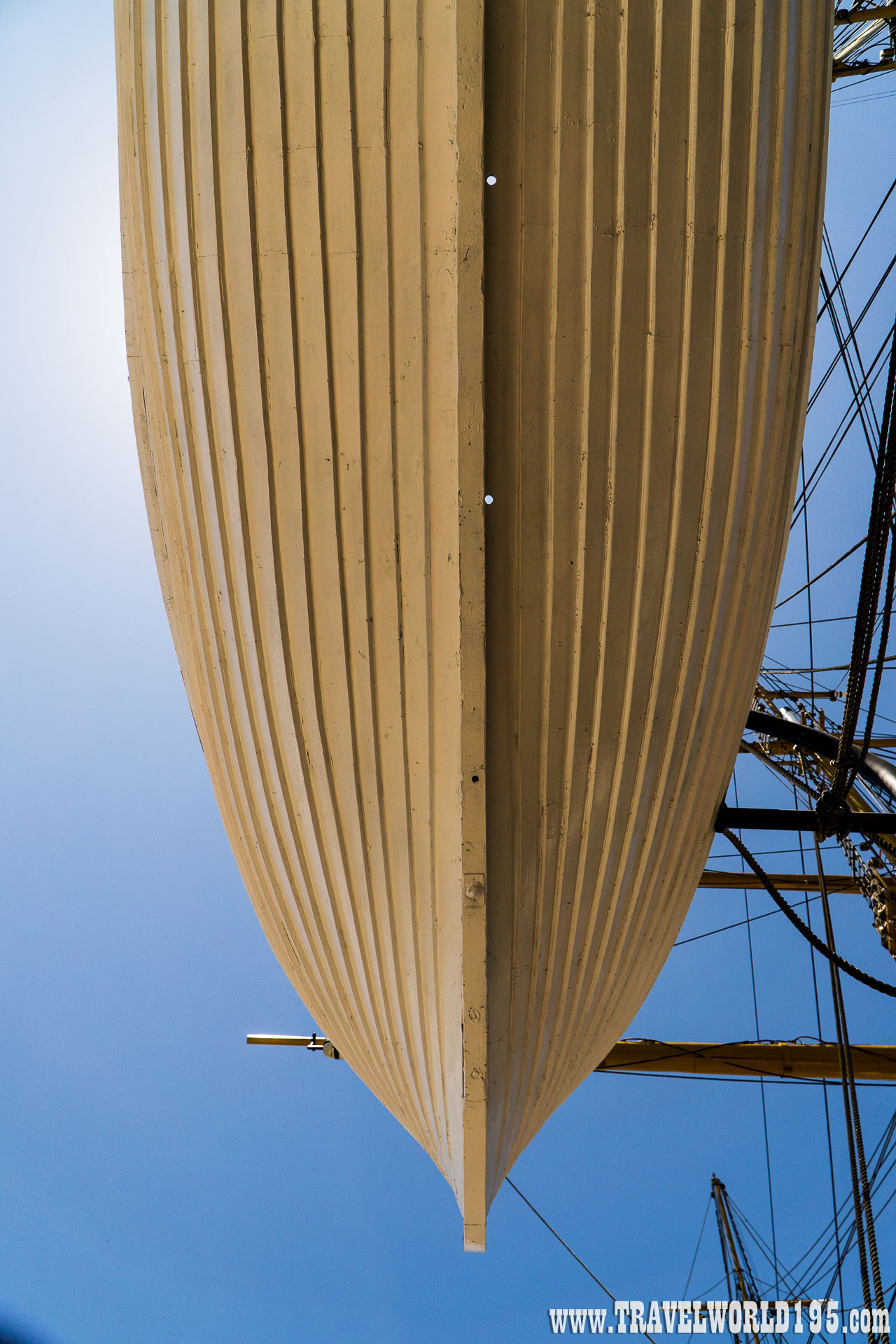
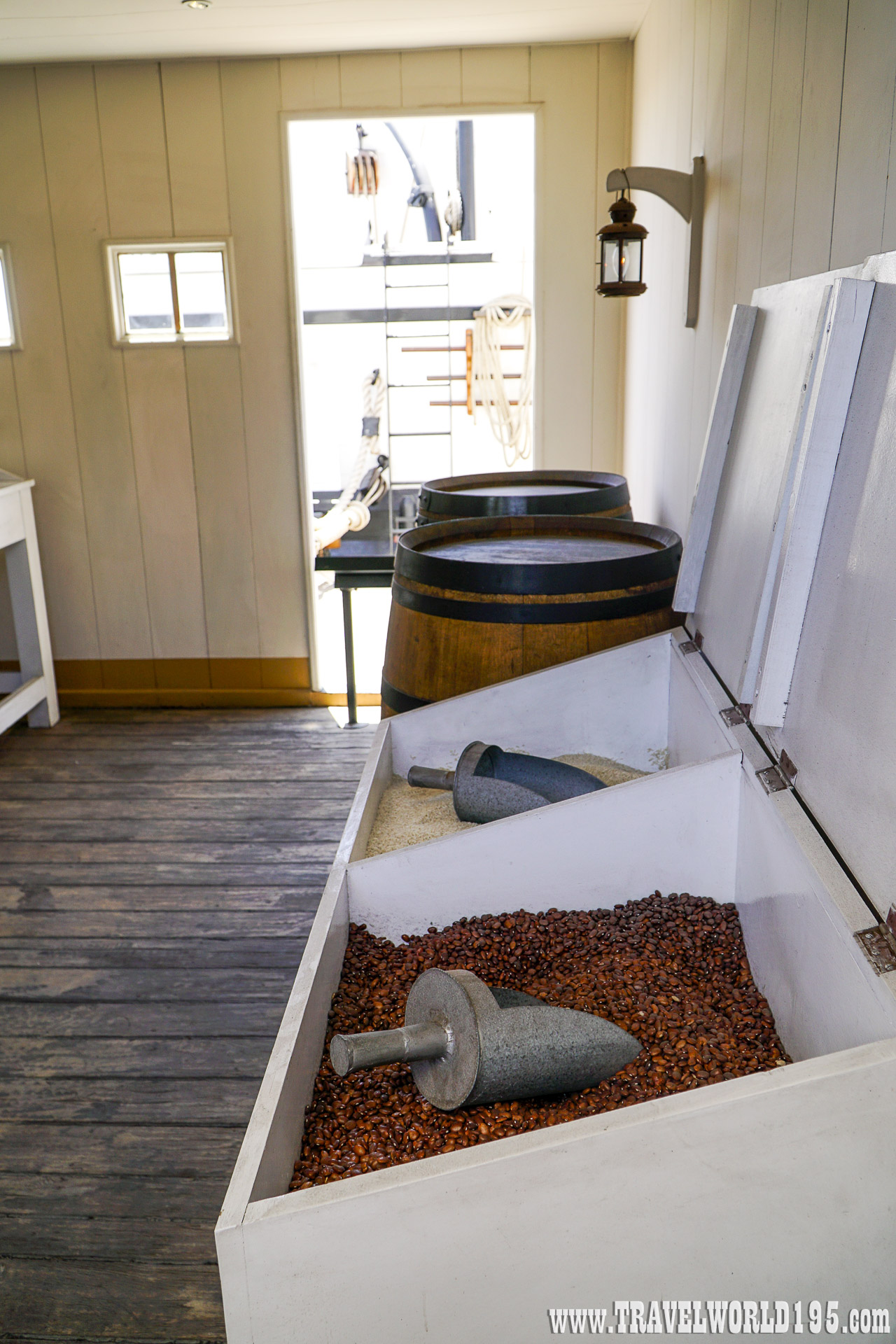
Our walk continued to the ship Esmeralda, which was located right on the coast. Esmeralda is a full-size copy of the real battleship Esmeralda, which has sunk near the shores of Iquique. The entrance for tourists to visit is 3,500 CLP, while for locals it is several times less. Unfortunately, the higher price does not guarantee a translation into English and most of the facts the guide told were presented in Spanish.


 An interesting sight 50 km from Iquique, which we didn’t have time to visit, is the so-called Ghost Town of Humberstone, which sprang up in connection with the construction of mines in the area, but over time the people moved away, and today it is 100% deserted. Nevertheless, you can still see the church, houses, shops, school, and many other public buildings from that era.
The next day we had to board the return bus to Calama, from where we could catch the late flight to Santiago, and from there the next day - an early flight to Punta Arenas 🙂 We had a day and a half journey from the northernmost to The southernmost part of Chile. Going to Ikike's bus station, however, it turned out that the Kenny Bus bus we were going to get on is full and there are no seats. I asked the woman at the counter to find some way to pick us up as all the other buses were leaving in the afternoon and that way we would miss our flight. Thanks to the woman, in the end, we managed to get in front of the driver first, and then we were moved to first class, which cost us 15,000 per person, which was not a problem for us, as we really had absolutely no other choice.
The buses are double-decker, as first class is located on the lower level, and the second class - on the upper level. Although in first class, the backrest can be moved much further back, to be honest, at the lower level it seemed to me quite a bit more claustrophobic and I prefer to look at the world from above.
To the next travelogue: Patagonia